Western Lowland Gorillas in Republic of Congo: My 9-Day Odzala Adventure
Published on September 27, 2026
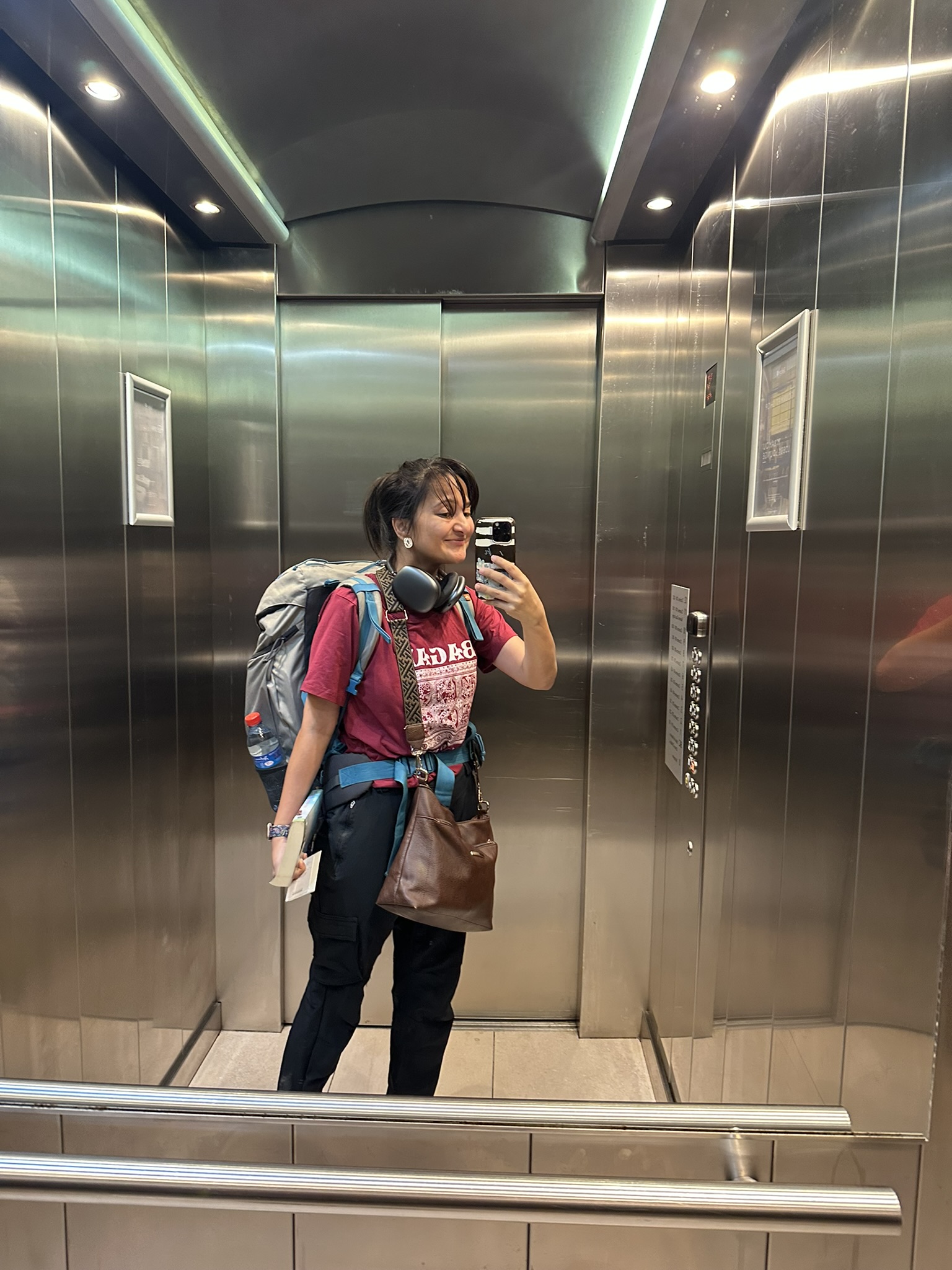
A detailed guide to Camp Imbalanga, gorilla habituation, the forest bais, wildlife, visa requirements for Indian travelers, and what it is really like to go deep into the Congo rainforest.
This was my 41st African country.
Visiting Africa, I’m continually struck by this continent’s array of “once-in-a-lifetime” experiences. Just when you think you’ve seen it all, you find something brand new to take your breath away. For example, this September I went to a place rarely found on the average traveler’s map: Odzala-Kokoua National Park in the Republic of the Congo. Exploring this unique landscape and its rich biodiversity was a powerful reminder of our planet’s splendour - and its fragility.
There are wildlife experiences where you know what you have paid for. You get the permit. You get into the vehicle. You drive out. You find the animal… and then there are experiences where you go into the forest knowing that you may come back without seeing the thing you traveled halfway across the world for.
My nine-day trip to the Republic of Congo was very much the second kind.
I traveled from Dubai to Brazzaville and then deep into Odzala-Kokoua National Park with Ukuri Travel, staying at Camp Imbalanga.
I came to see western lowland gorillas.This was my third gorilla experience in Africa, after Uganda and the Democratic Republic of Congo.
However, this is important: Camp Imbalanga is not a conventional gorilla trekking destination where you buy a permit and are guaranteed a gorilla sighting.
The experience here is closely tied to a long-term gorilla habituation and conservation program. You go into the forest with trackers who are following the gorillas, learning about their behavior and gradually habituating them to human presence.
You may see them. You may not. And the forest is not exactly forgiving.
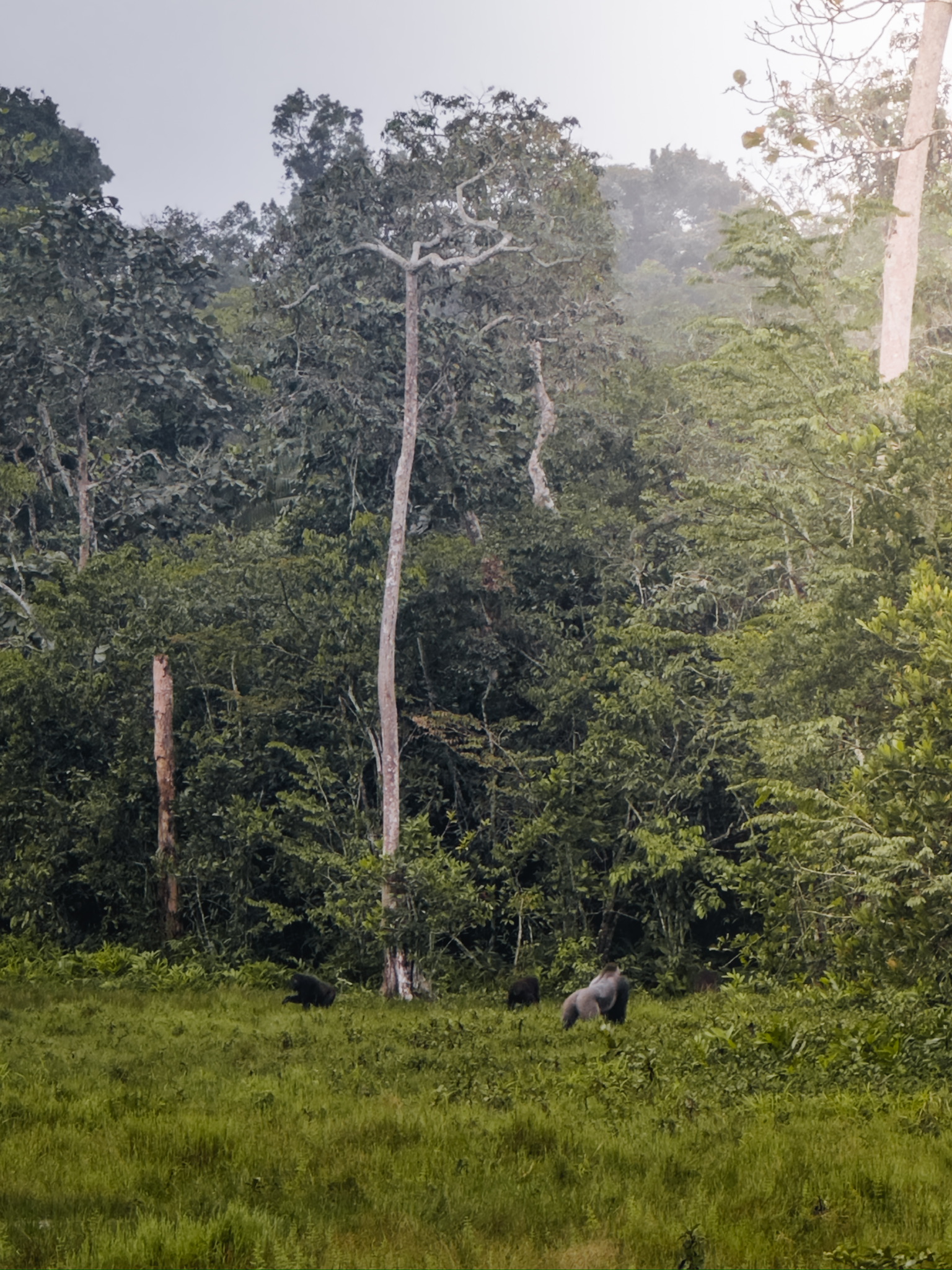
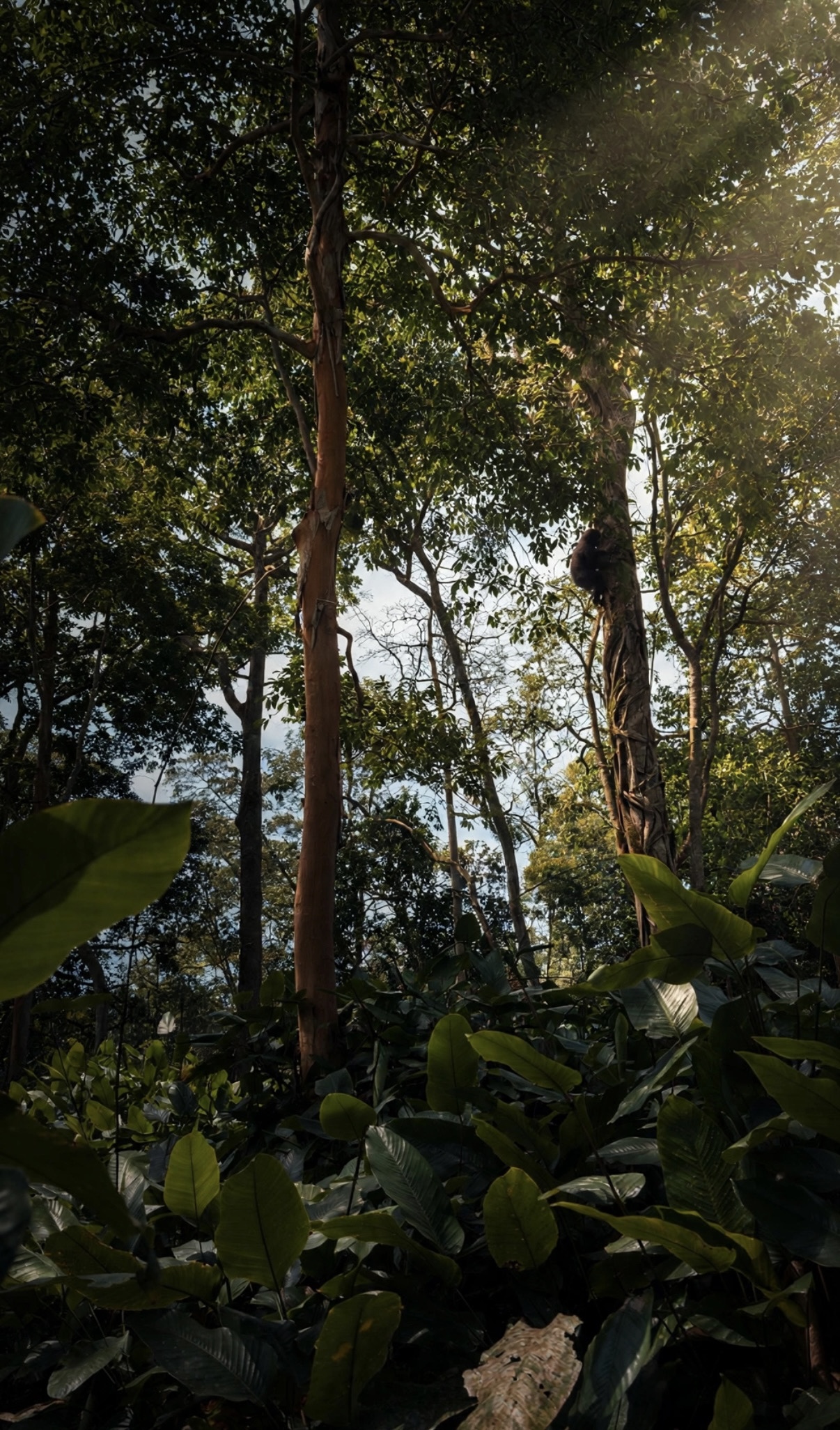
I was lucky enough to see the gorillas after three hikes deep into the forest with the trackers. And for the first time in my life, I saw a gorilla in a tree.
That alone would have made the trip memorable.
But strangely, the thing I came home thinking about most was the forest itself.
The bais.
The birds.
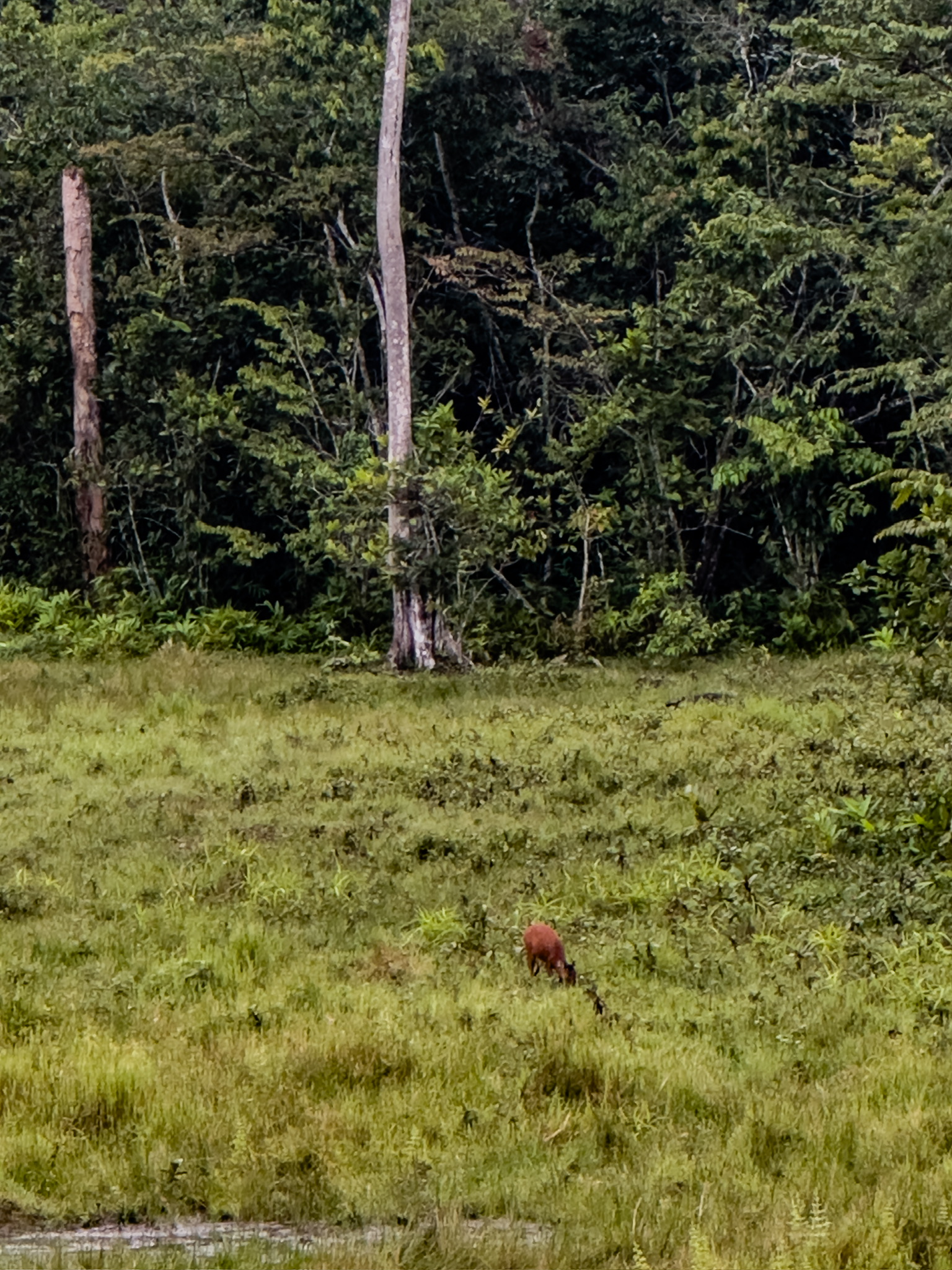
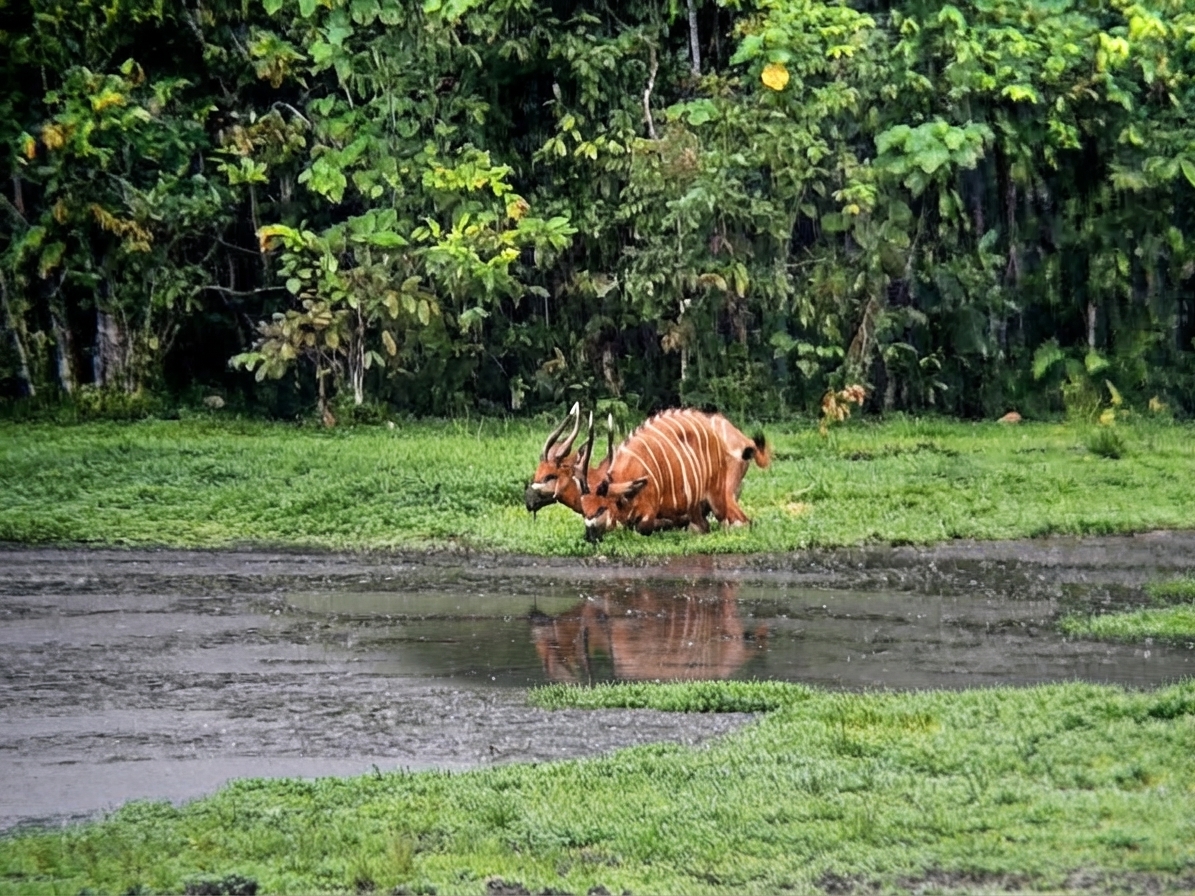
The bongo and duiker.
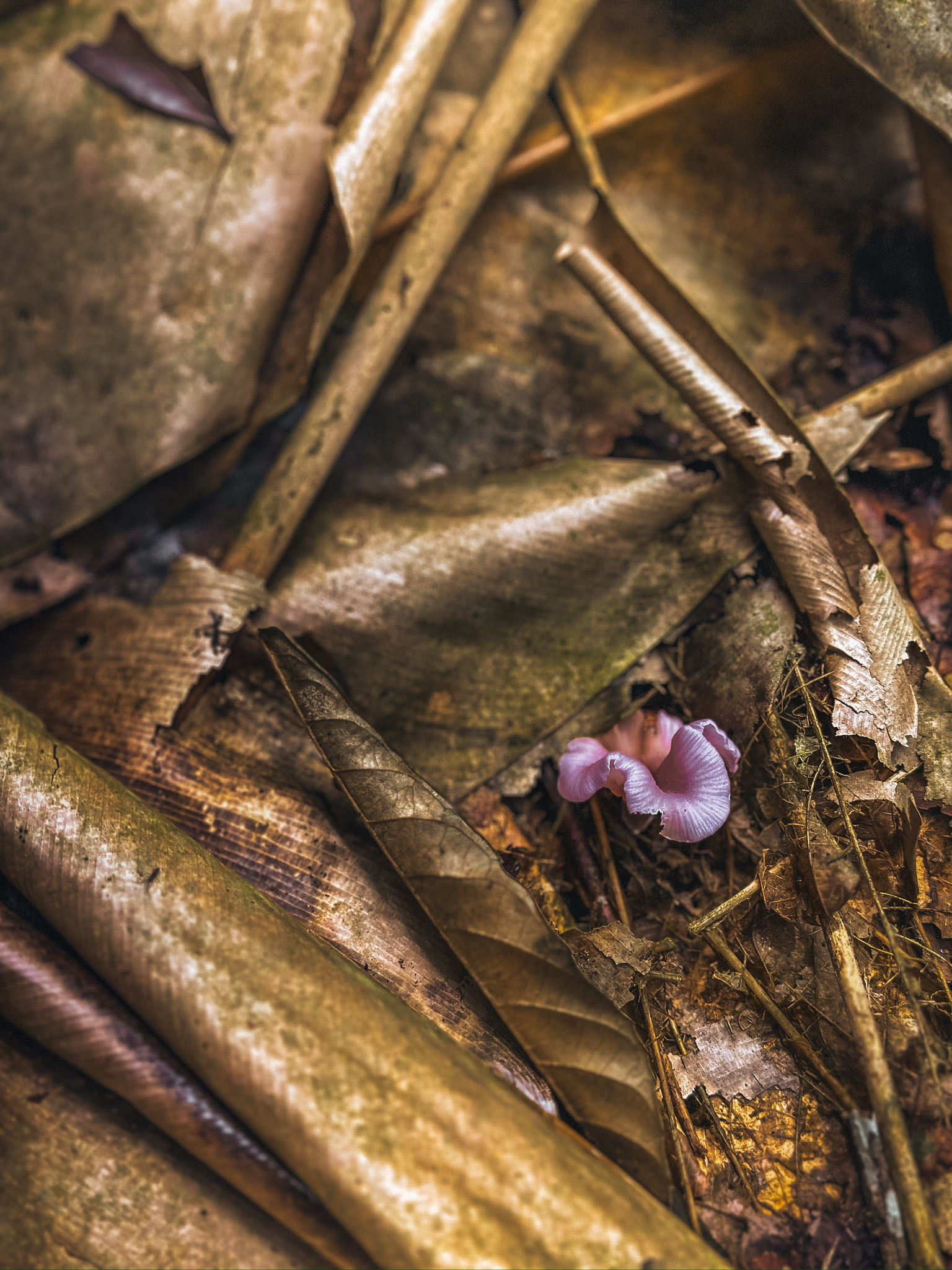
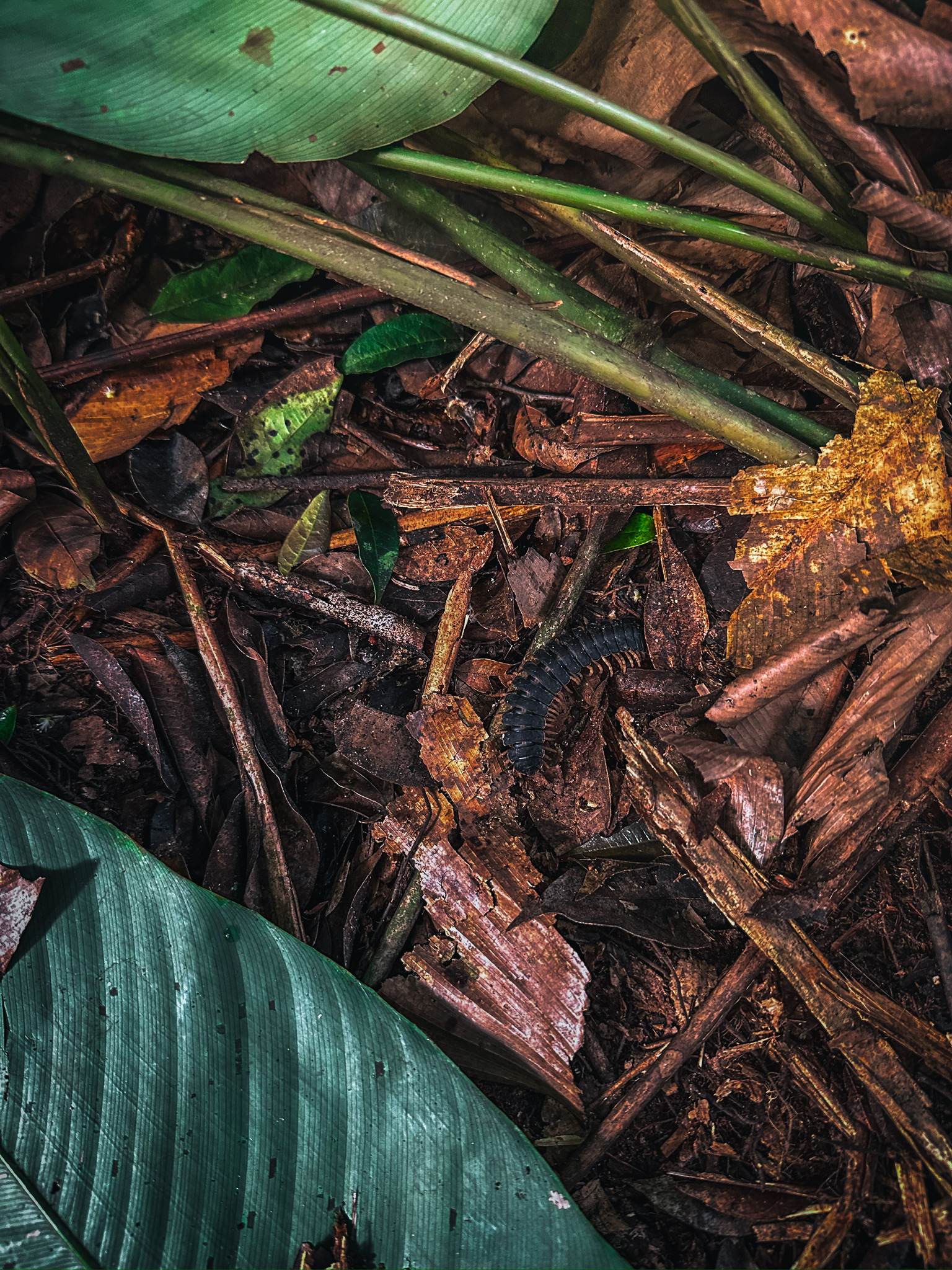
The mushrooms and millipedes.
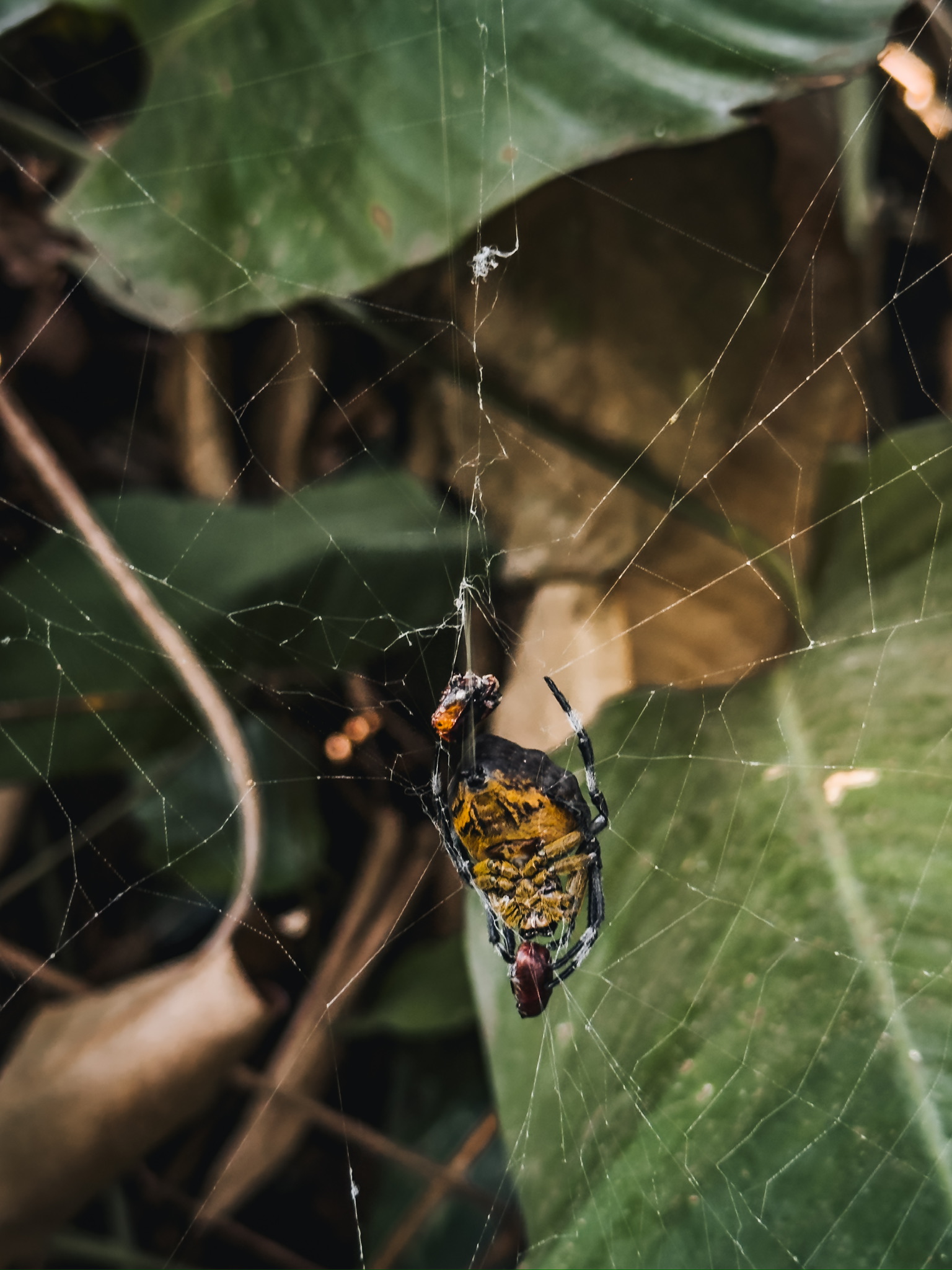
The strange little things moving across the forest floor.
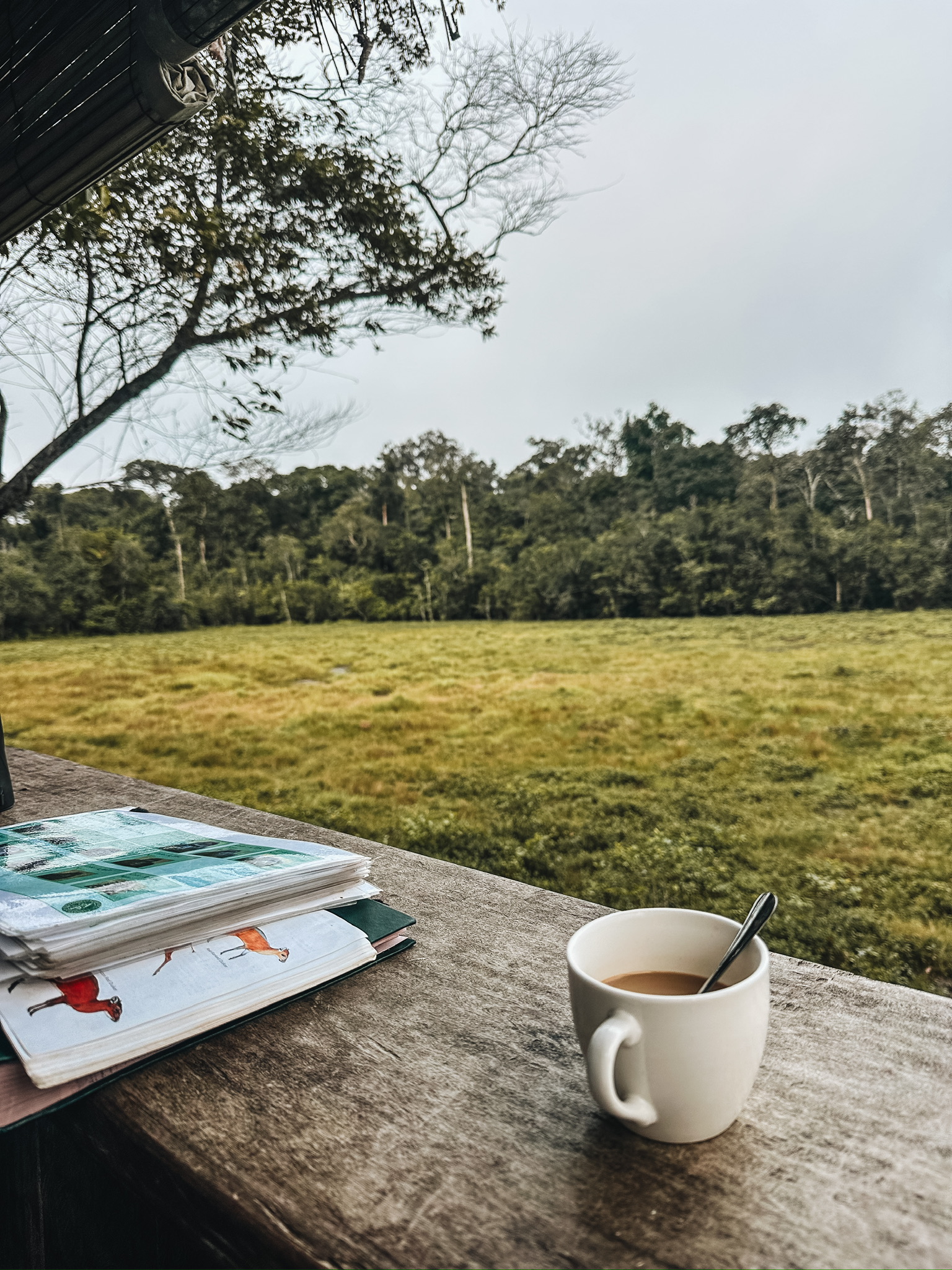
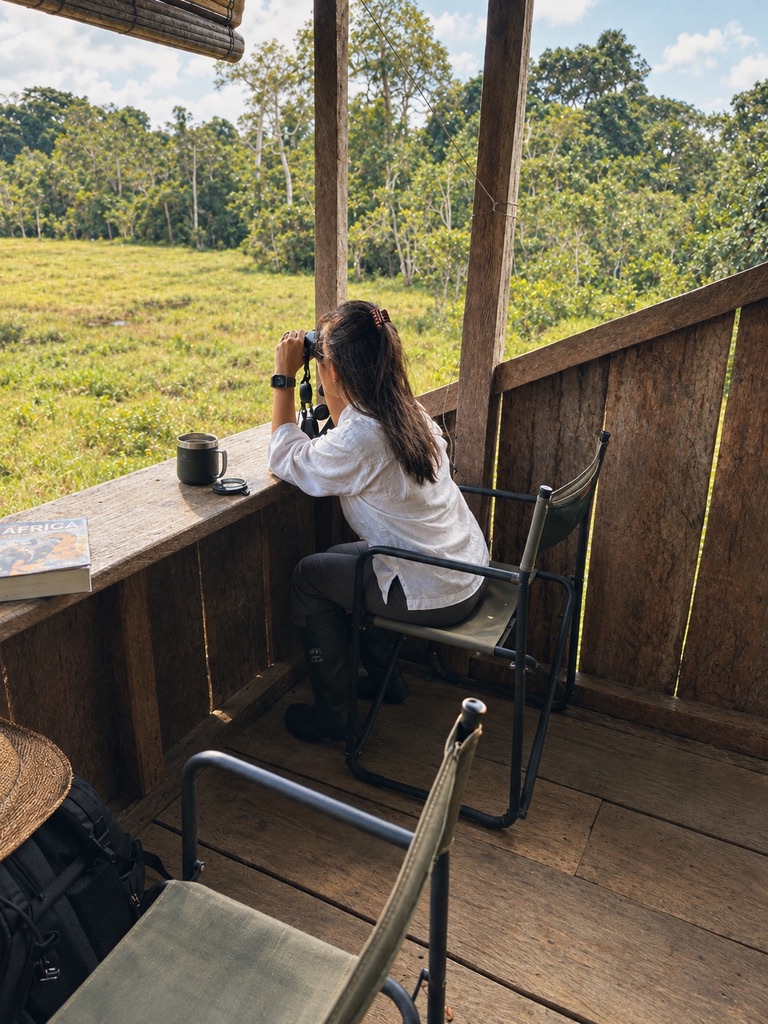
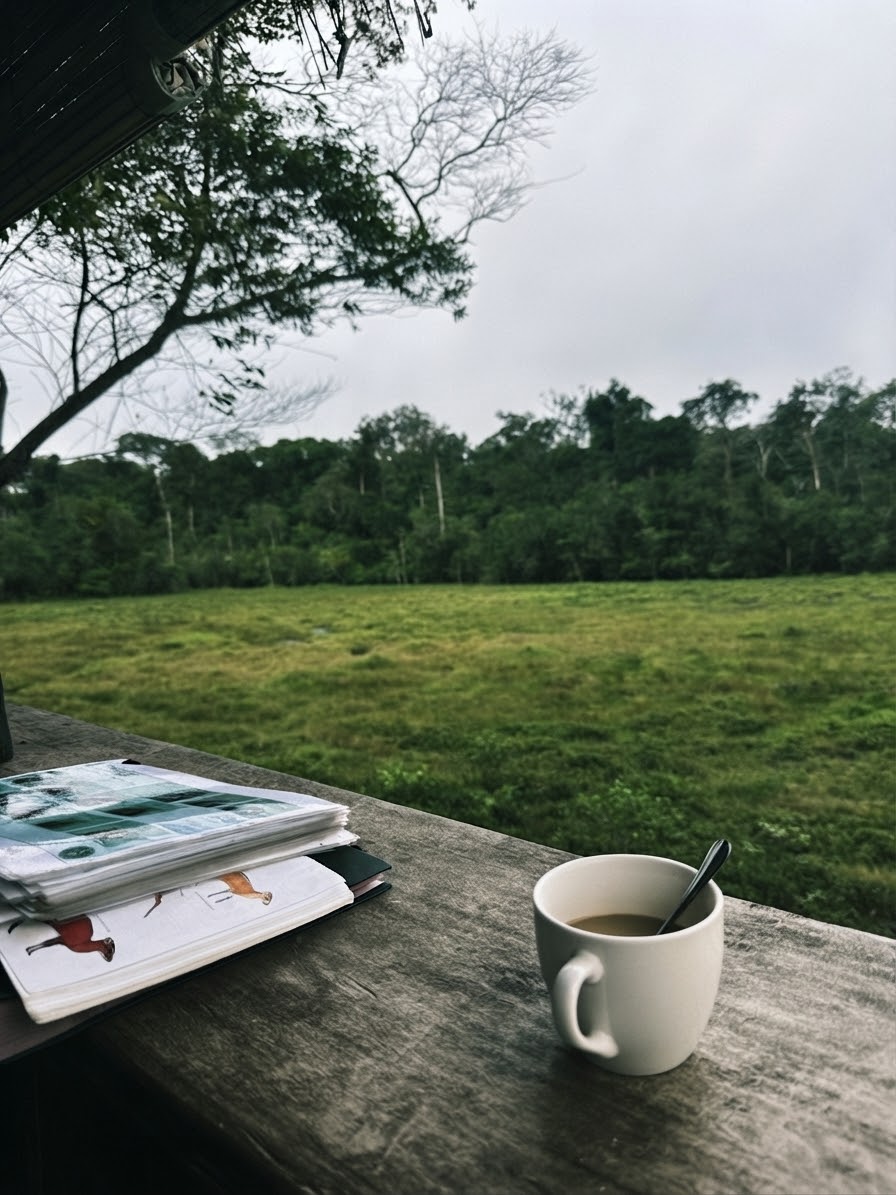
And the experience of sitting quietly in a treehouse for hours, looking into a clearing and having absolutely no idea what might appear next.

This is my complete guide to that experience.
Table of Contents
- Why I Went to the Republic of Congo
- Where Is Odzala-Kokoua National Park?
- This Is Not a Trip for the Faint-Hearted
- Gorilla Habituation vs. Gorilla Trekking
- My Third Gorilla Experience - and My First Gorilla in a Tree
- Camp Imbalanga
- The Bais: The Highlight of Camp Imbalanga
- What You Can See Around the Bai
- The Forest Was Almost as Exciting as the Gorillas
- The Journey from Brazzaville to Camp Imbalanga
- Republic of Congo Visa for Indian Travelers
- Where to Stay in Brazzaville
- My 9-Day Republic of Congo Itinerary
- Conservation and the Gorilla Habituation Program
- What to Pack for Camp Imbalanga
- Who Should Go to Camp Imbalanga?
- How to Plan a Trip to Camp Imbalanga
- My Final Thoughts
Why I Went to the Republic of Congo
There are two things that have always pulled me towards Central Africa: wildlife and rainforests.
I love the open landscapes of East and Southern Africa, but there is something completely different about entering a rainforest.
You can’t see very far.
You can’t always tell where a sound is coming from.
You can be standing a few feet from something alive and have absolutely no idea it is there.
And the Republic of Congo is about as deep into that feeling as you can get.
Odzala-Kokoua National Park sits within the Congo Basin rainforest and is one of the most important protected areas for western lowland gorillas.
African Parks estimates that northwestern Congo is home to one of the world’s largest populations of western lowland gorillas, while the park itself supports an extraordinary range of rainforest wildlife.
I wanted to experience that ecosystem, rather than simply tick another gorilla sighting off a list.
And that distinction ended up being important.
Where Is Odzala-Kokoua National Park?
Odzala-Kokoua National Park is in the northwest of the Republic of Congo, also known as Congo-Brazzaville.
It is not the same country as the Democratic Republic of Congo.
The park covers around 13,500 square kilometers and is part of the Congo Basin, the world’s second-largest tropical rainforest ecosystem.
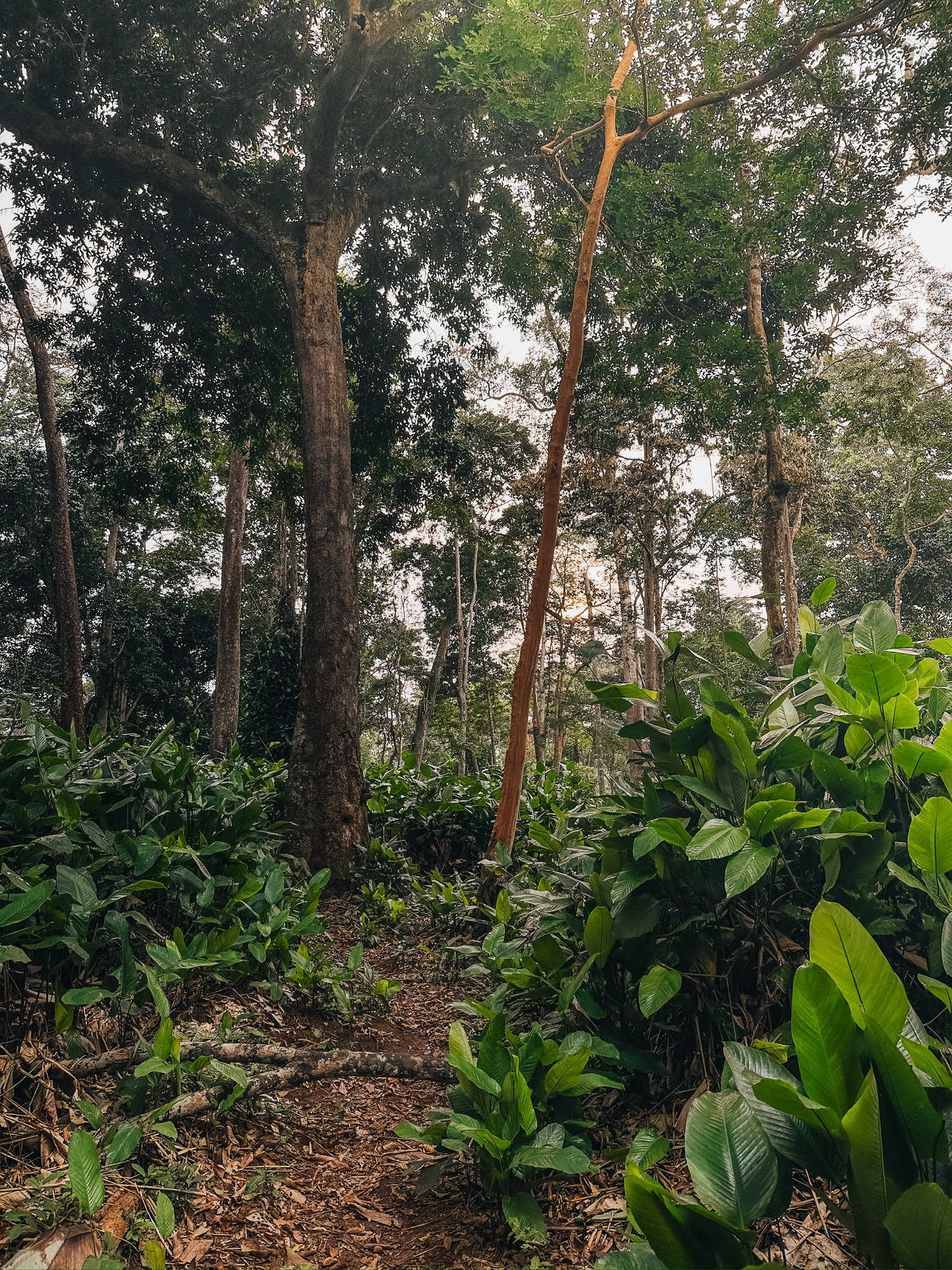
The landscape is not just dense rainforest. There are rivers, swamps, savannah, marshes and natural forest clearings known as bais.
These bais are one of the reasons wildlife viewing here can be so interesting.
In a forest this dense, visibility is normally terrible.
A bai creates an opening.
And animals use these openings.
Odzala is home to western lowland gorillas, forest elephants, forest buffaloes, bongos, duikers, chimpanzees and hundreds of bird species. African Parks currently lists nearly 450 bird species in the park.
Explore more African destinations on Wayfarer Footprints
This Is Not a Trip for the Faint-Hearted
I would rather be very honest about this than romanticize it.
This is not an easy trip.
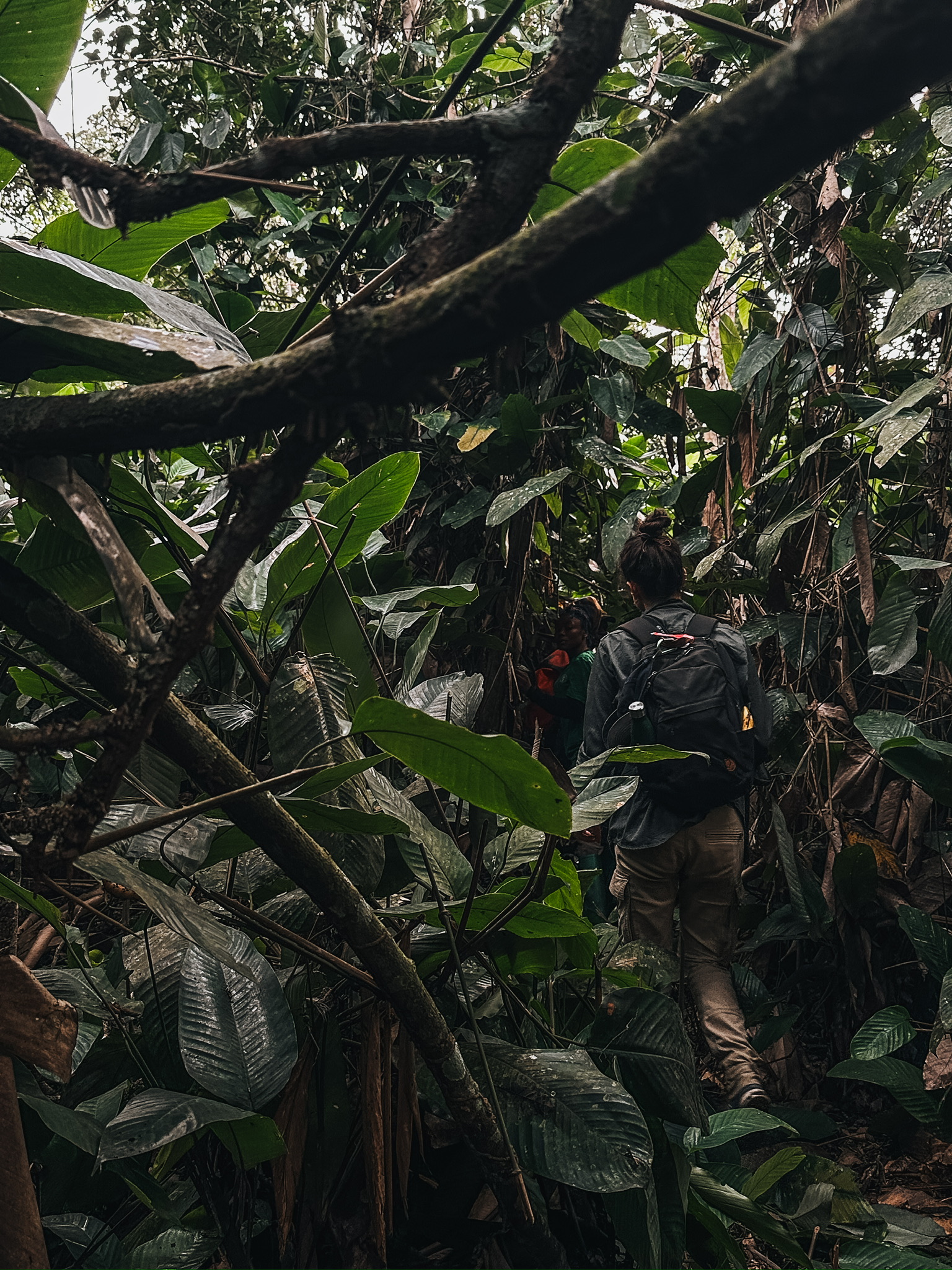
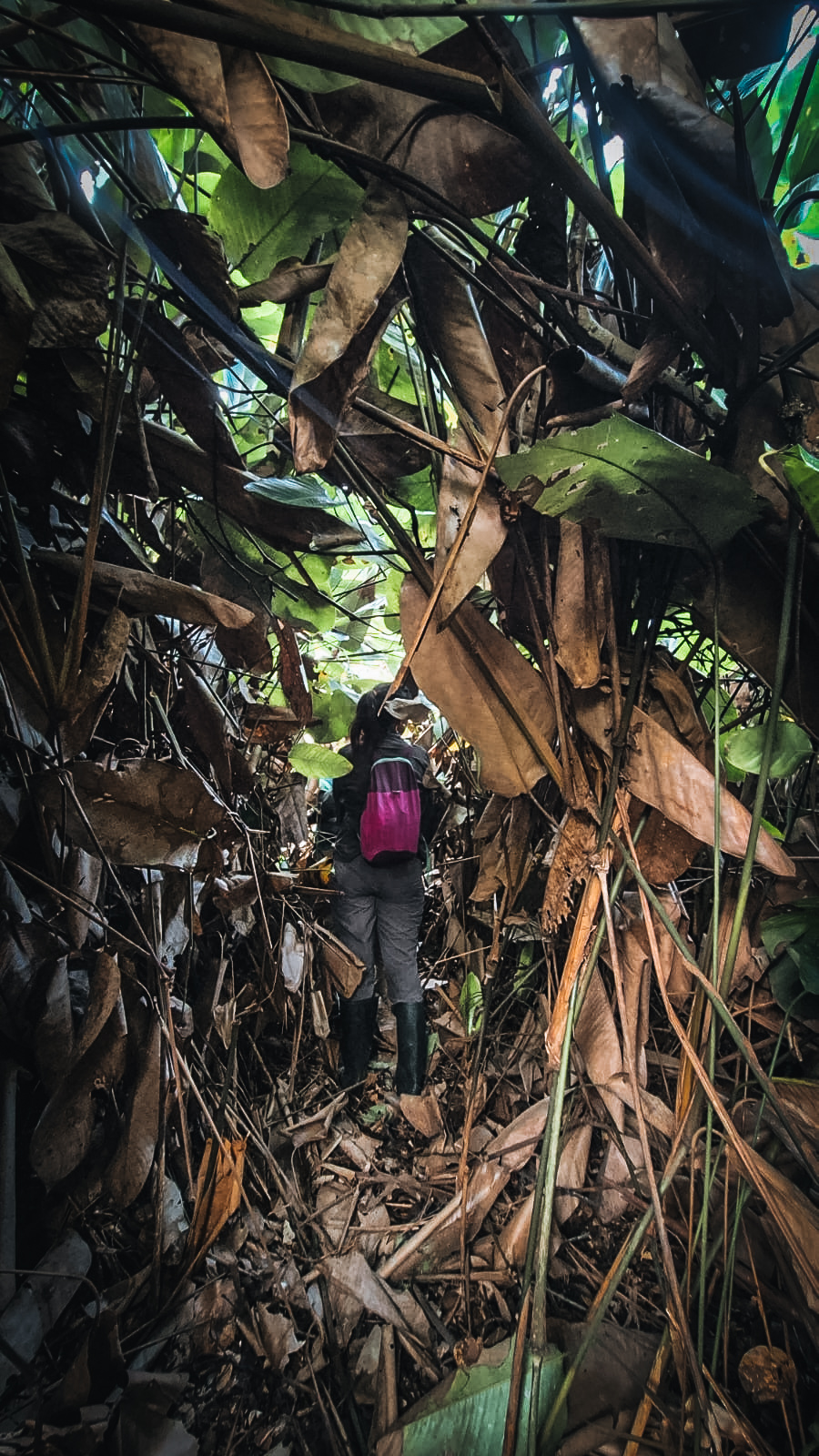
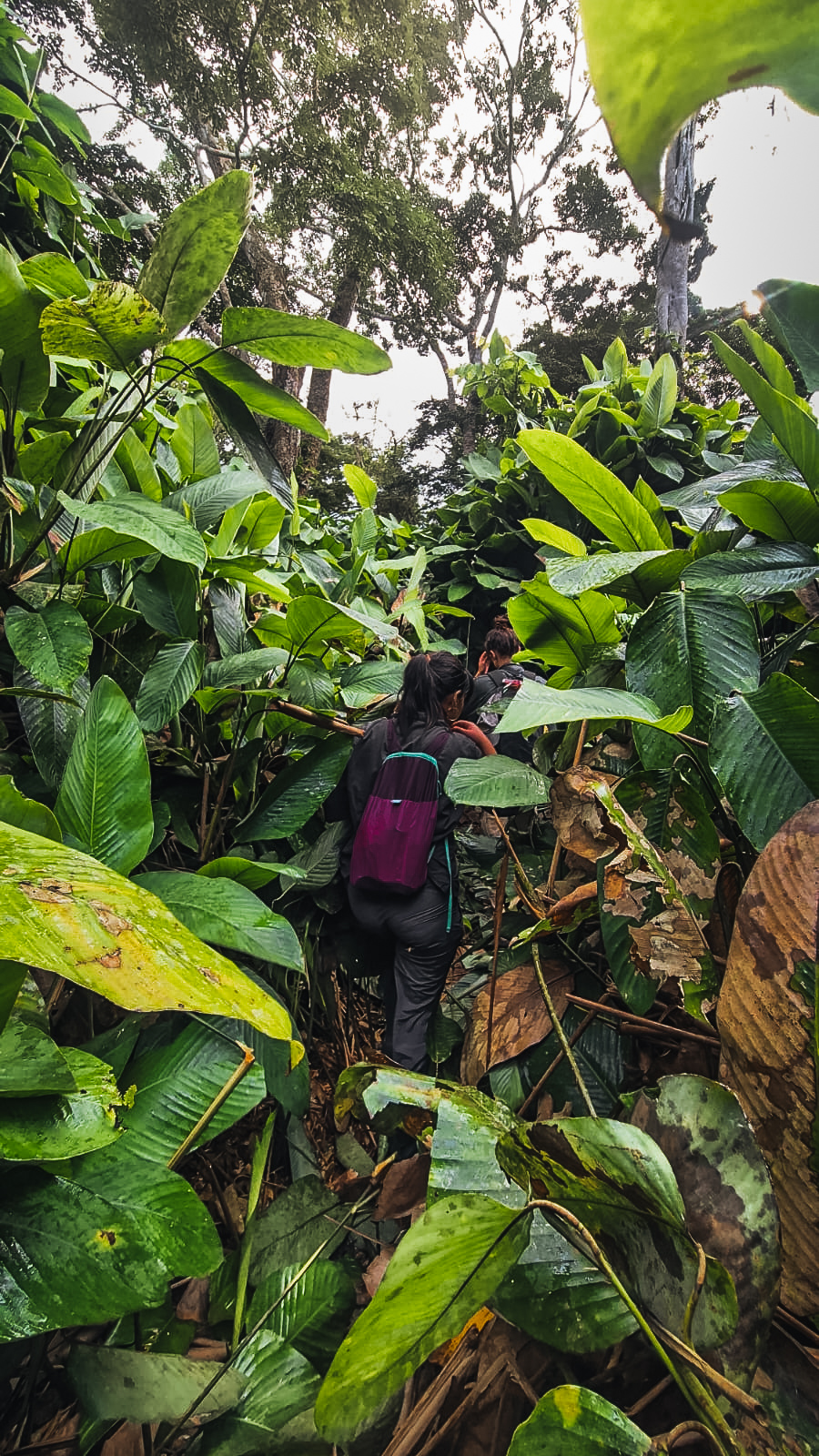
The forest is rough.
The terrain is uneven.
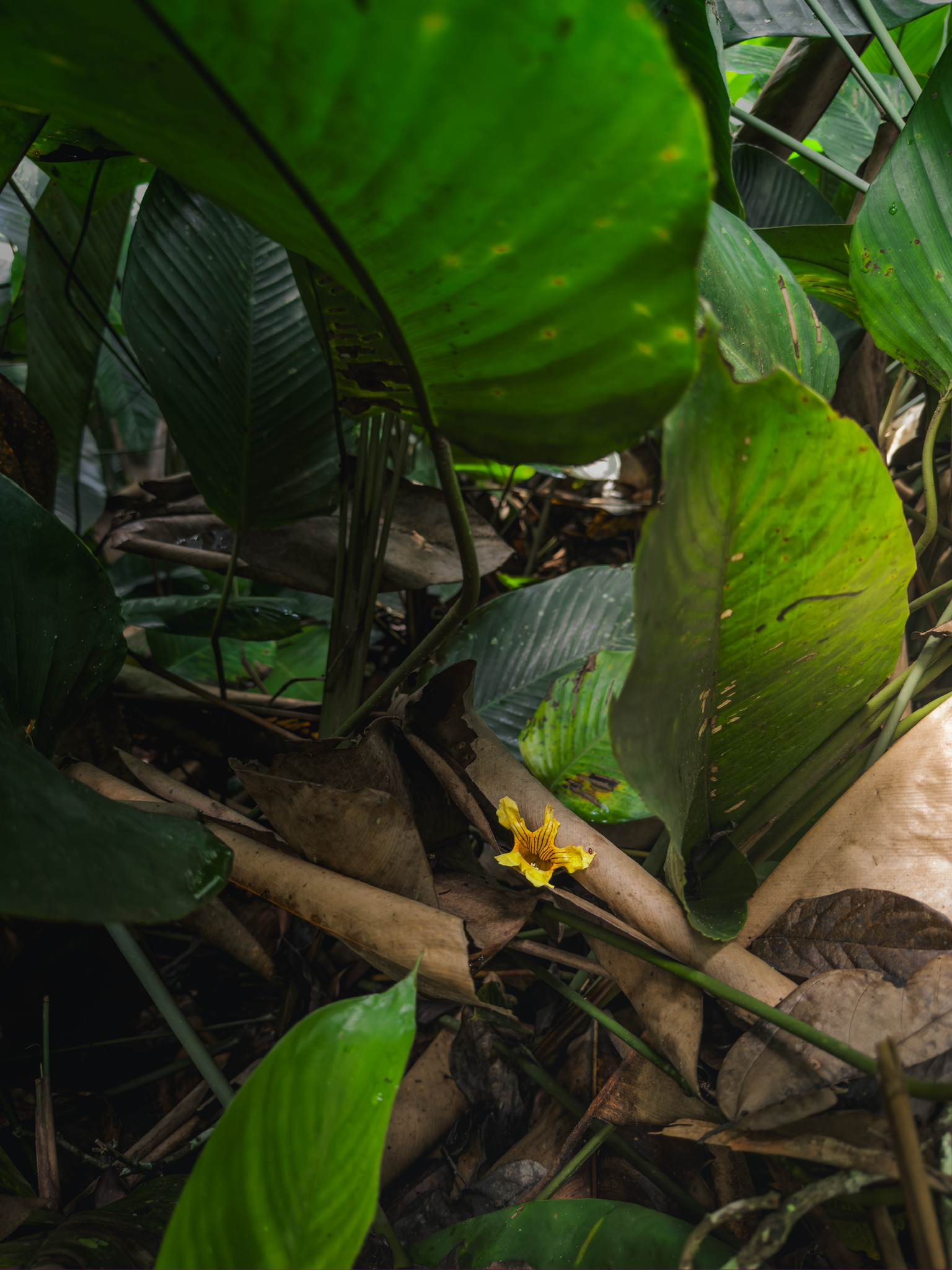
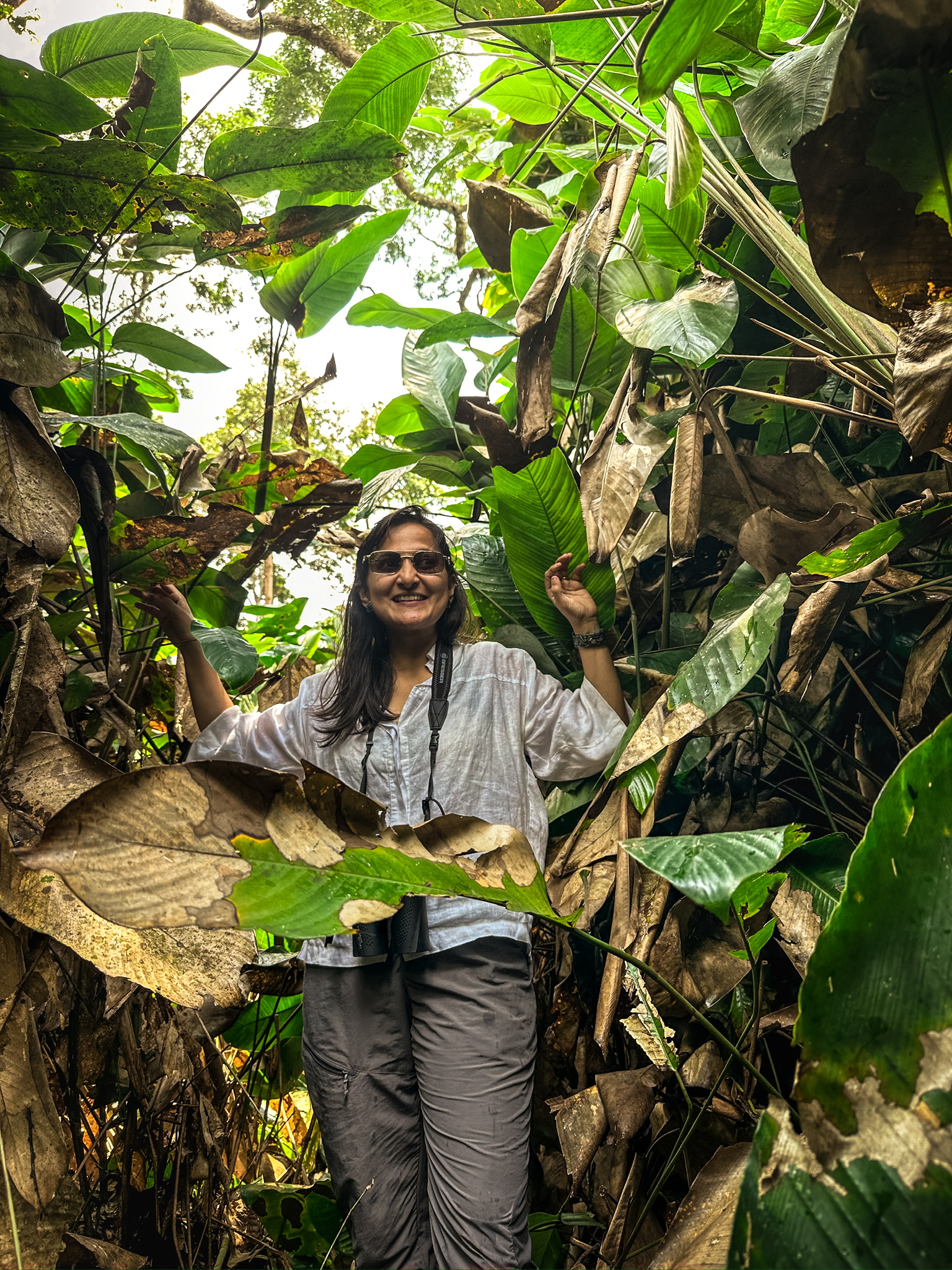
The vegetation can be incredibly dense.
You will sweat.
You will get dirty.
You will walk.
And sometimes you will walk a lot without seeing anything.
If you are imagining a beautifully maintained safari track where you get out of the vehicle, stroll for 45 minutes and find a gorilla waiting behind a tree, forget that image.
That is not what this is.
The gorilla tracking involves going deep into the forest with experienced trackers who are following the animals and their movements.
African Parks says trackers can spend hours moving through dense forest to locate the gorilla group, with the animals changing nesting locations from day to day.
There were moments when I was very aware of how far away I was from anything remotely resembling a city.
And honestly?
I loved that.
But you need to know what you are signing up for.
This is not a luxury wildlife experience where everything is effortless.
It is a forest expedition with a conservation component.
And you need to be comfortable with that.
Gorilla Habituation vs. Gorilla Trekking
This is probably the most important thing to understand before planning a trip here.
The gorilla experience at Camp Imbalanga is fundamentally different from a conventional gorilla trekking permit.
You are not purchasing a guaranteed viewing session.
The gorillas are part of a habituation program.
Habituation is the long process of gradually getting wild gorillas accustomed to the presence of humans while monitoring their behavior and movements.
The work can take years.
African Parks explains that habituation has value beyond tourism: it allows researchers to study gorilla behavior and spatial use while helping conservation teams monitor and protect the animals. Tourism can then provide an additional economic reason to protect the park and create employment for surrounding communities.
The Imbalanga group was identified in 2022 near the park’s eastern headquarters and has been the focus of an ongoing habituation effort. The team includes primatologists and trackers who spend extensive time following and observing the group.
So when you go into the forest, you are entering that process.
You may see the gorillas.
You may spend hours tracking them and not see them.
You may see them briefly.
There is no responsible way to guarantee the outcome.
And I actually think that makes the experience better.
Because the gorillas aren’t performing a scheduled appearance.
They are wild animals.
My Third Gorilla Experience — and My First Gorilla in a Tree
I had already seen gorillas in Uganda.
I had seen them in the Democratic Republic of Congo.
So I wasn’t expecting my third gorilla experience to feel quite as emotional as the first.
It did.
Just in a different way.
The first hike into the forest with the trackers didn’t result in the sighting I wanted.
Neither did the second.
Then came the third.
We went deeper into the forest again, following the trackers and the signs they were reading.
And eventually, we found them.
Gorillas.
But this time there was something I had never seen before.
One was in a tree.
It was the first time I had ever seen a gorilla climbing and sitting in a tree in the wild.
I remember being slightly stunned by how excited I was by something that sounds so simple.
I have seen gorillas before.
But I had never seen that.
And that is the funny thing about wildlife travel.
You can see the same species several times and still have absolutely no idea what the next encounter is going to give you.
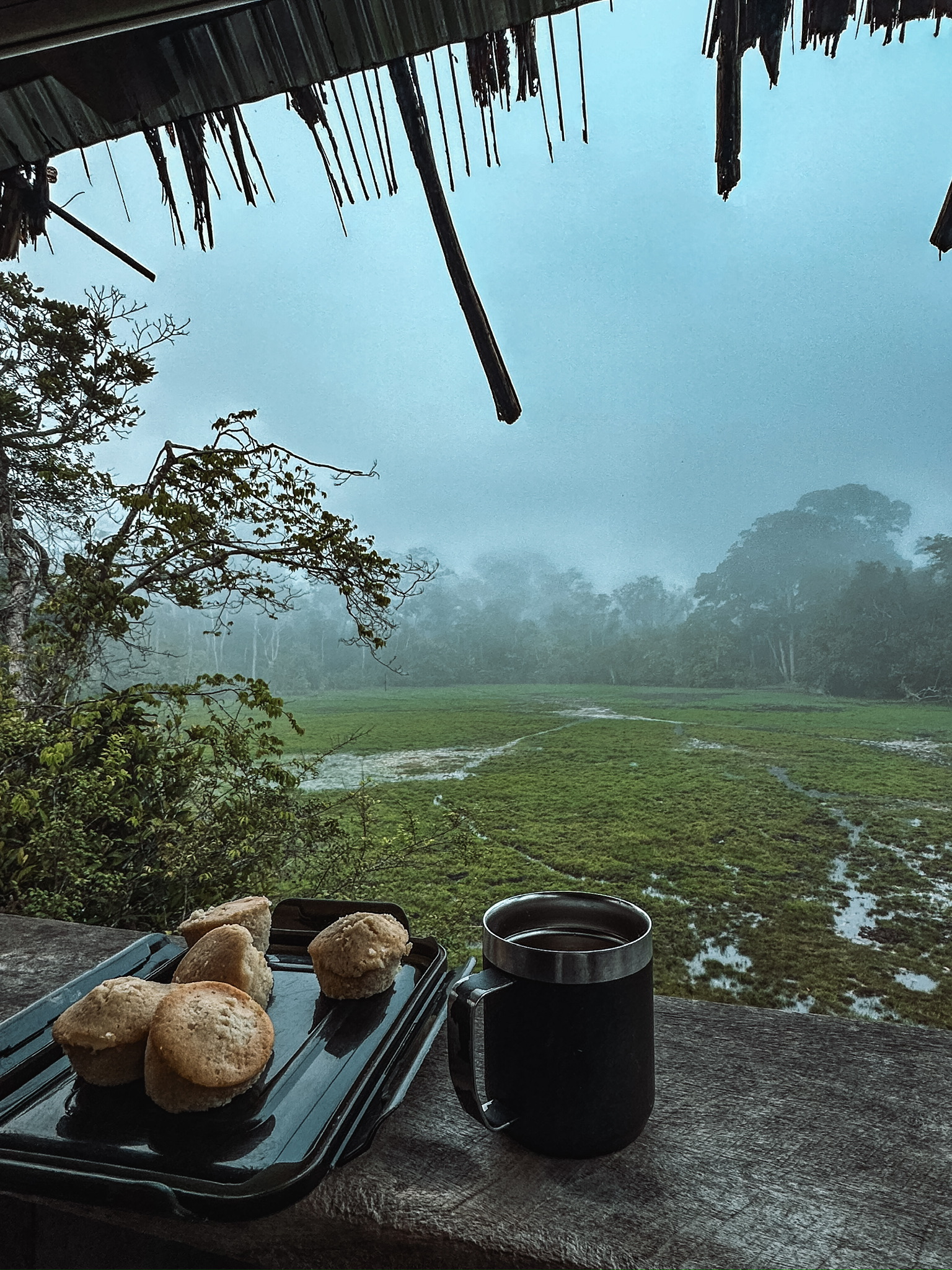
This one took three hikes.
There was no guarantee.
Which made finally seeing them feel even more special.
Camp Imbalanga
Camp Imbalanga is African Parks’ tourism camp in the eastern sector of Odzala-Kokoua National Park.
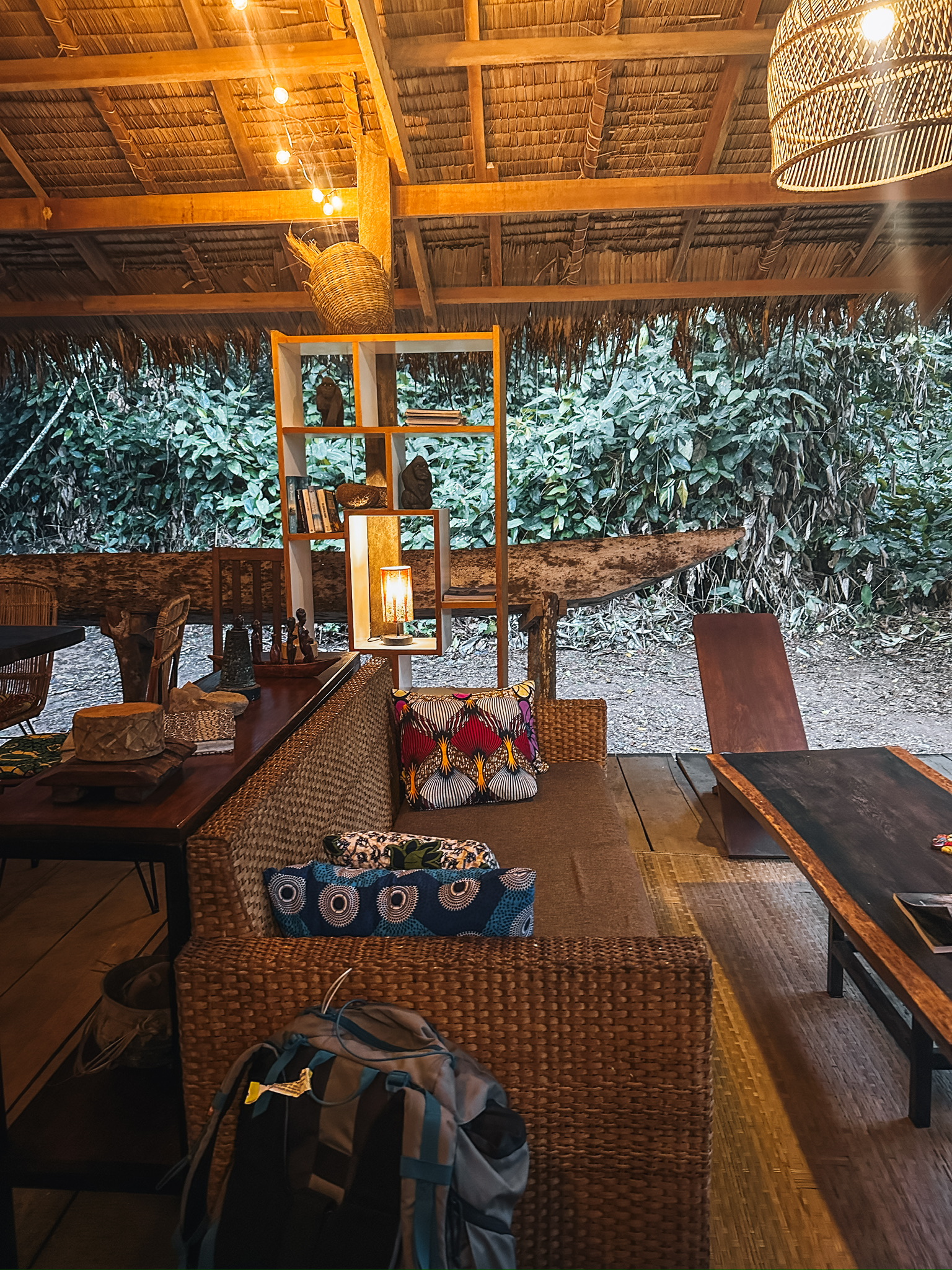
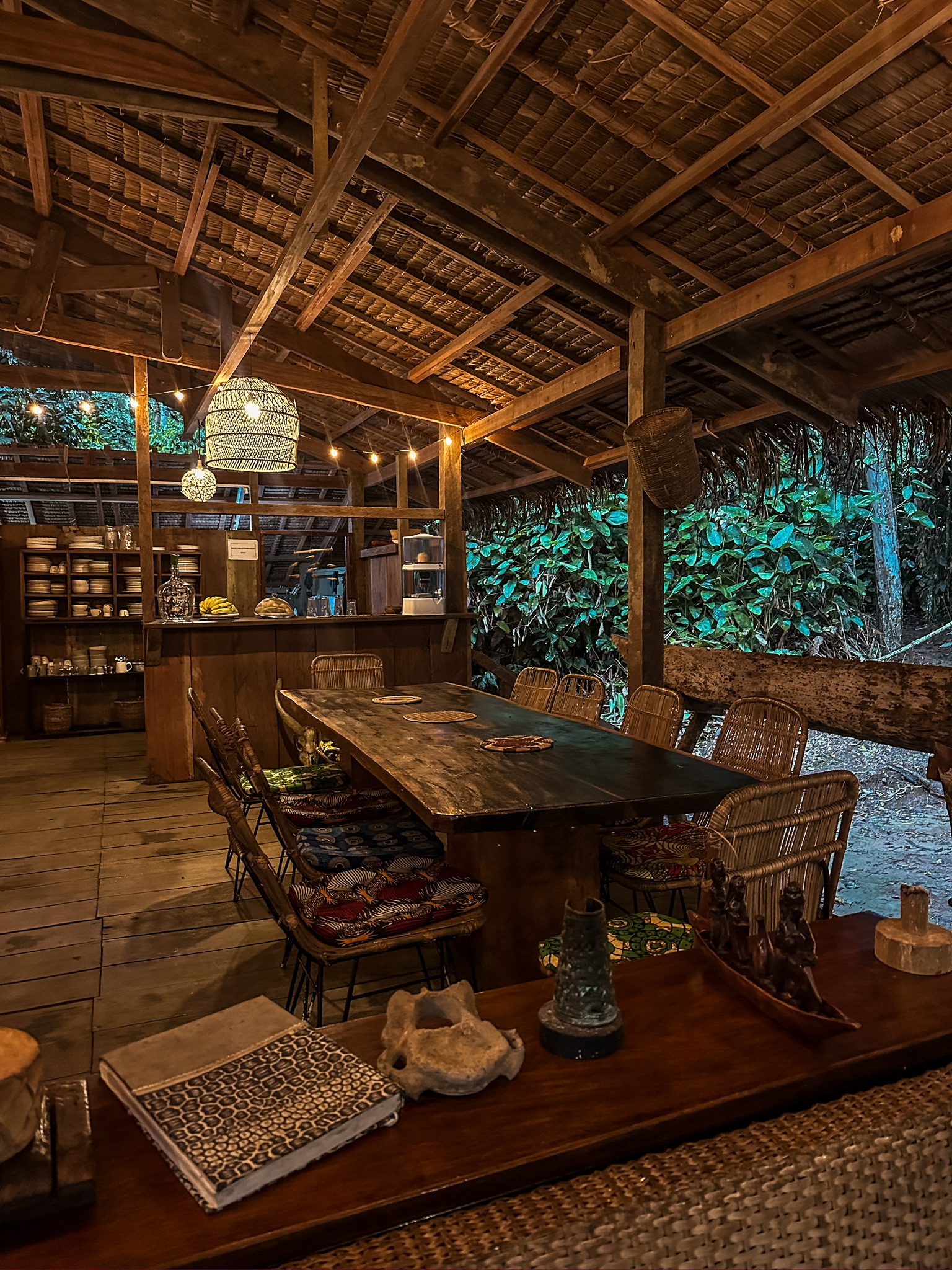
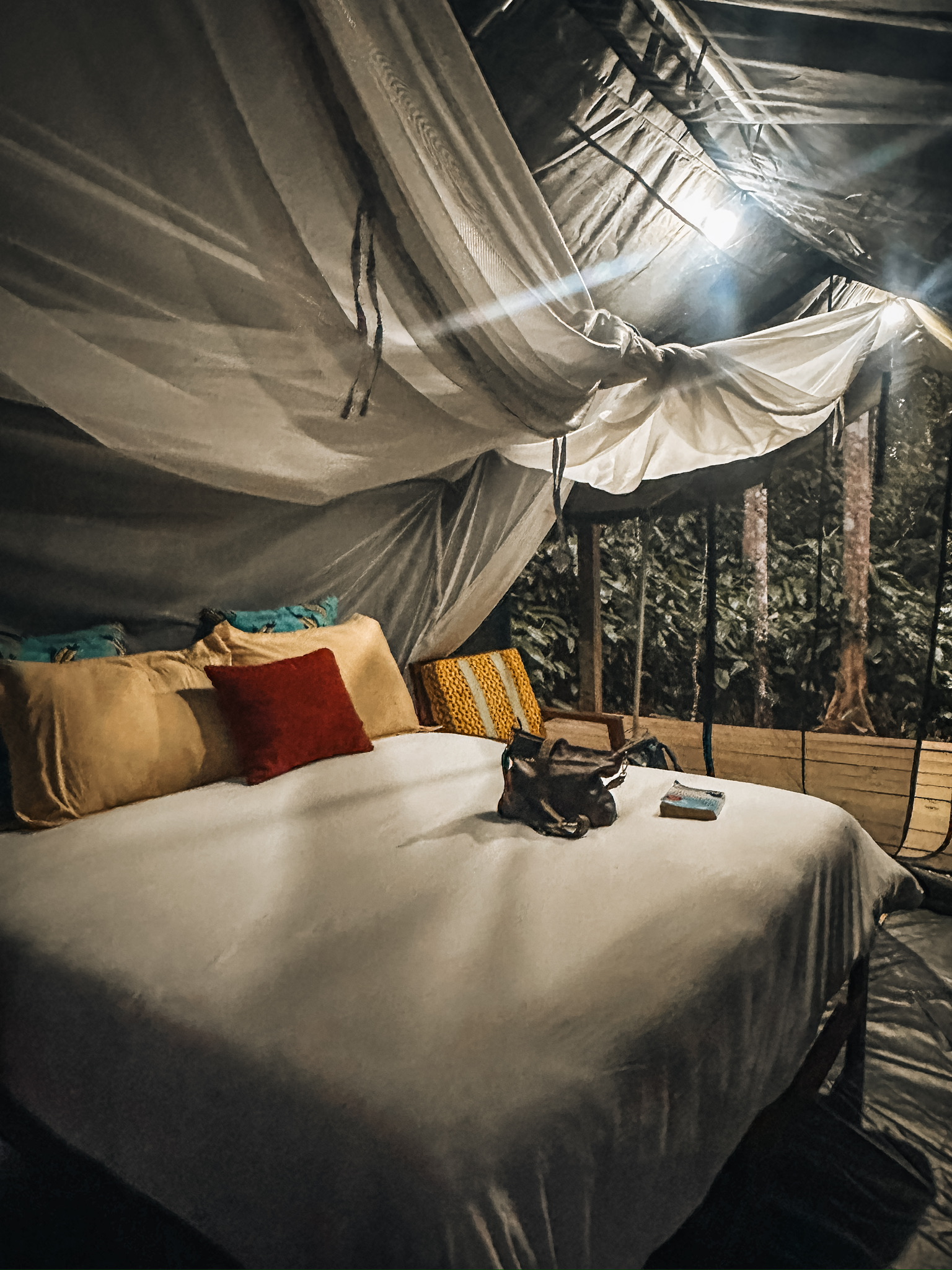
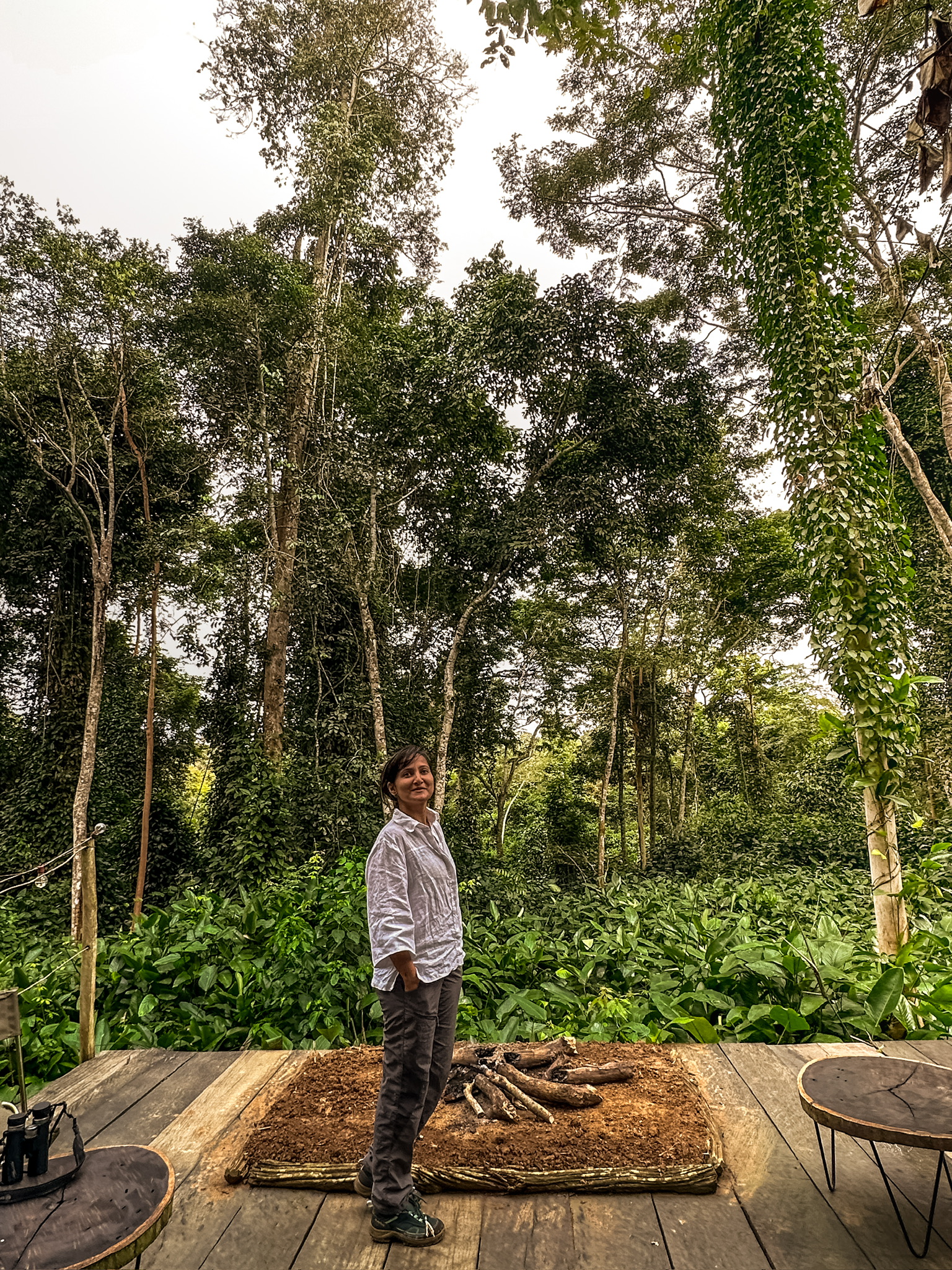
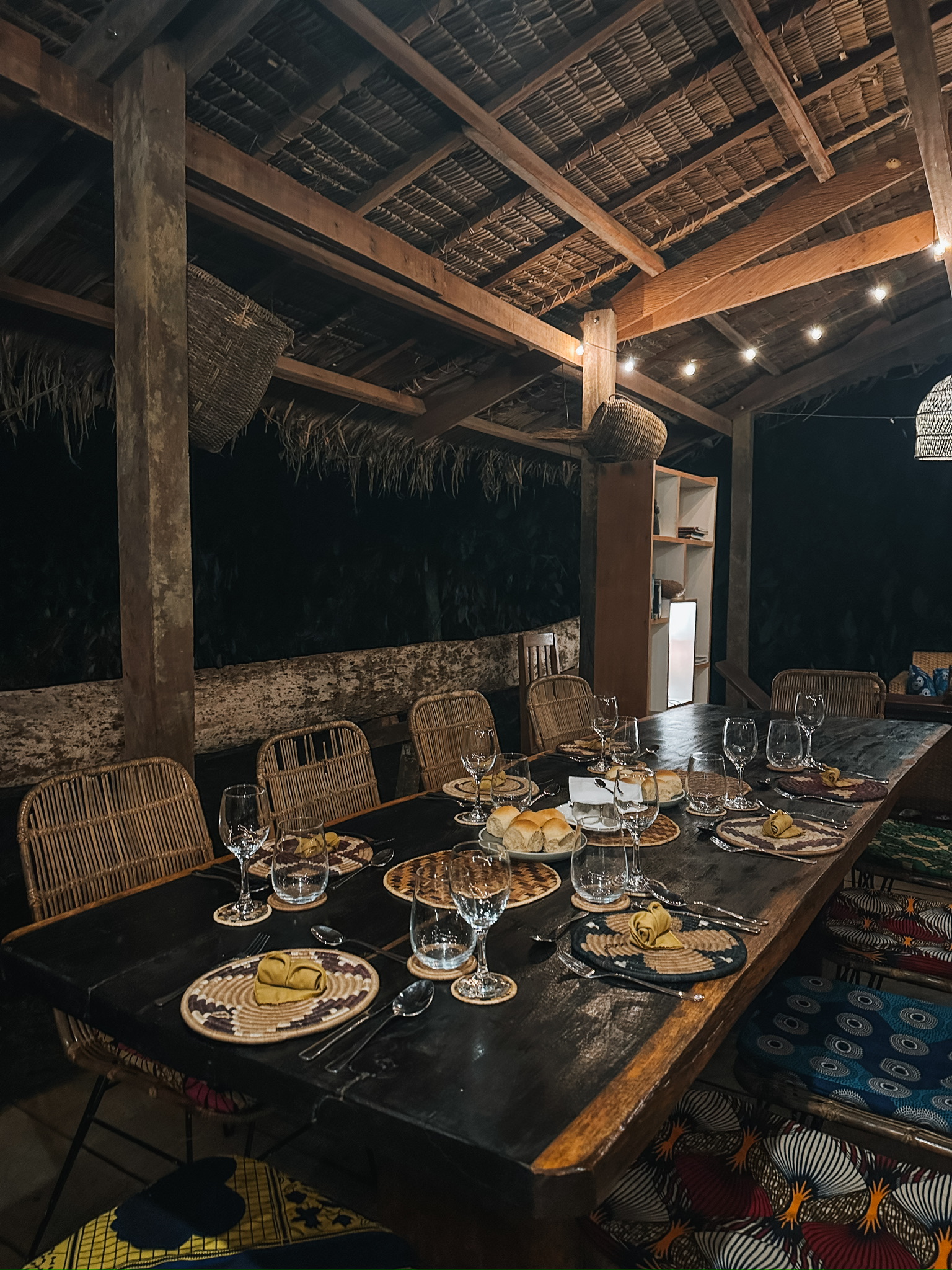
It is small and deliberately immersed in the forest.
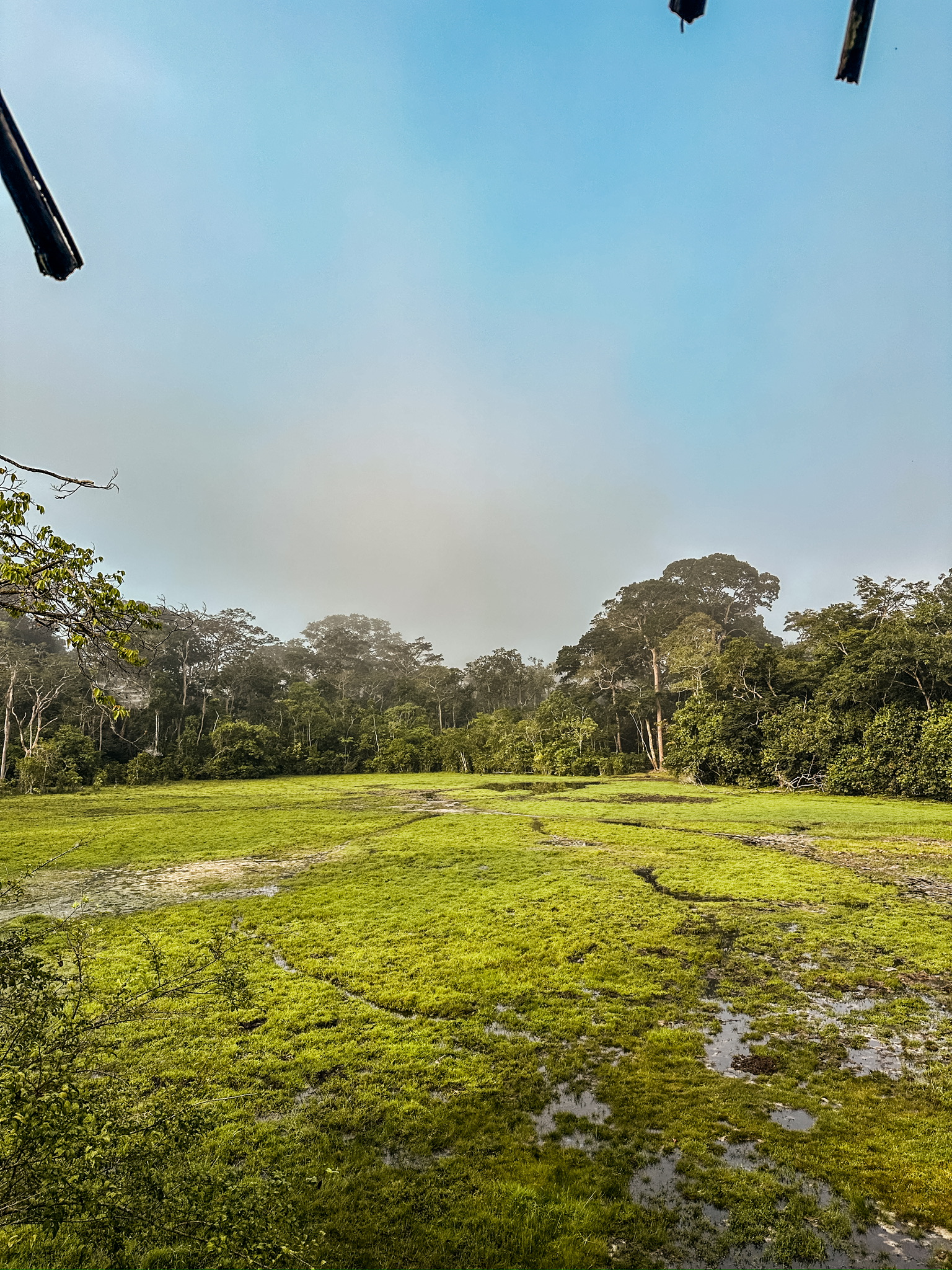
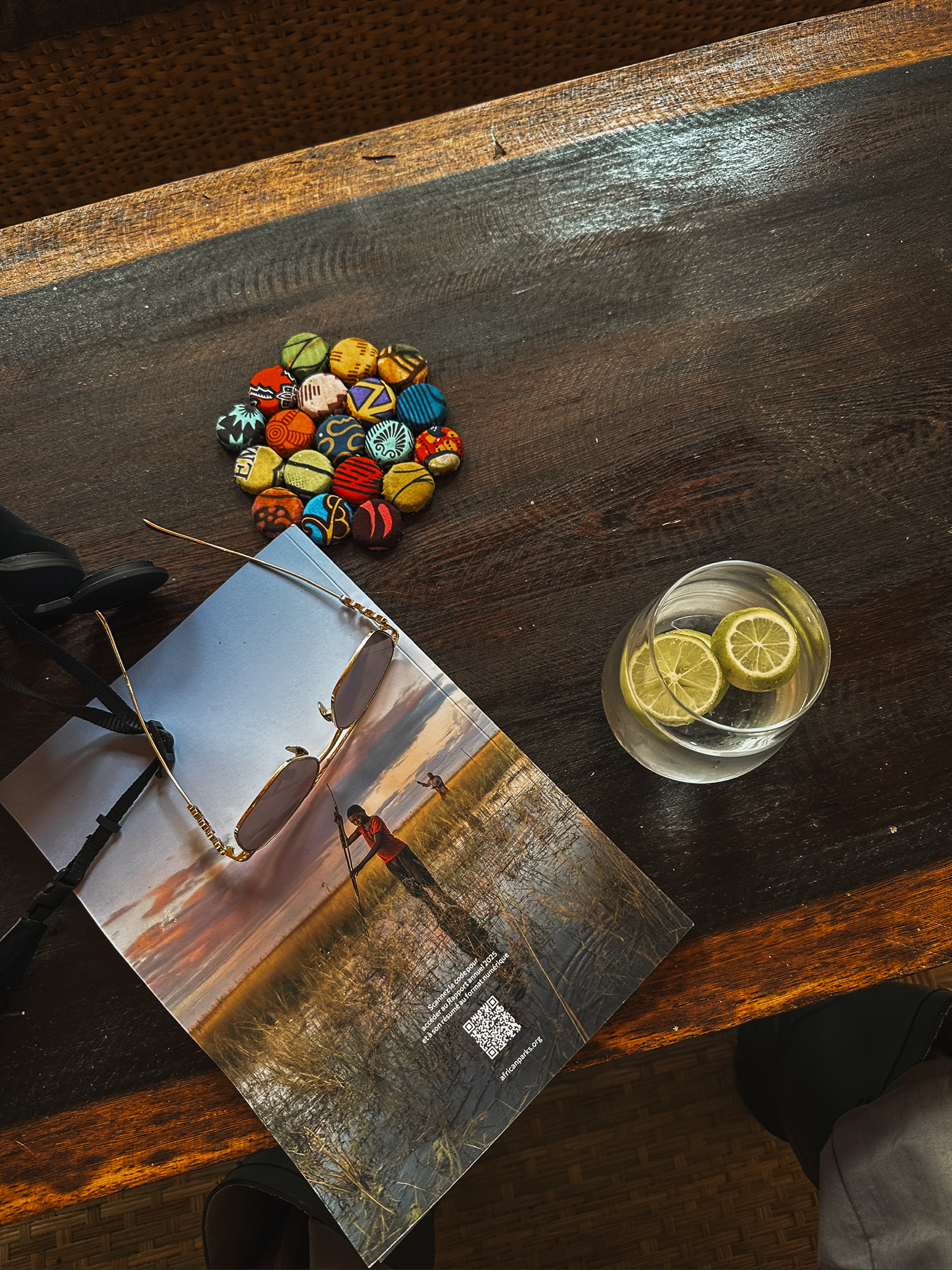
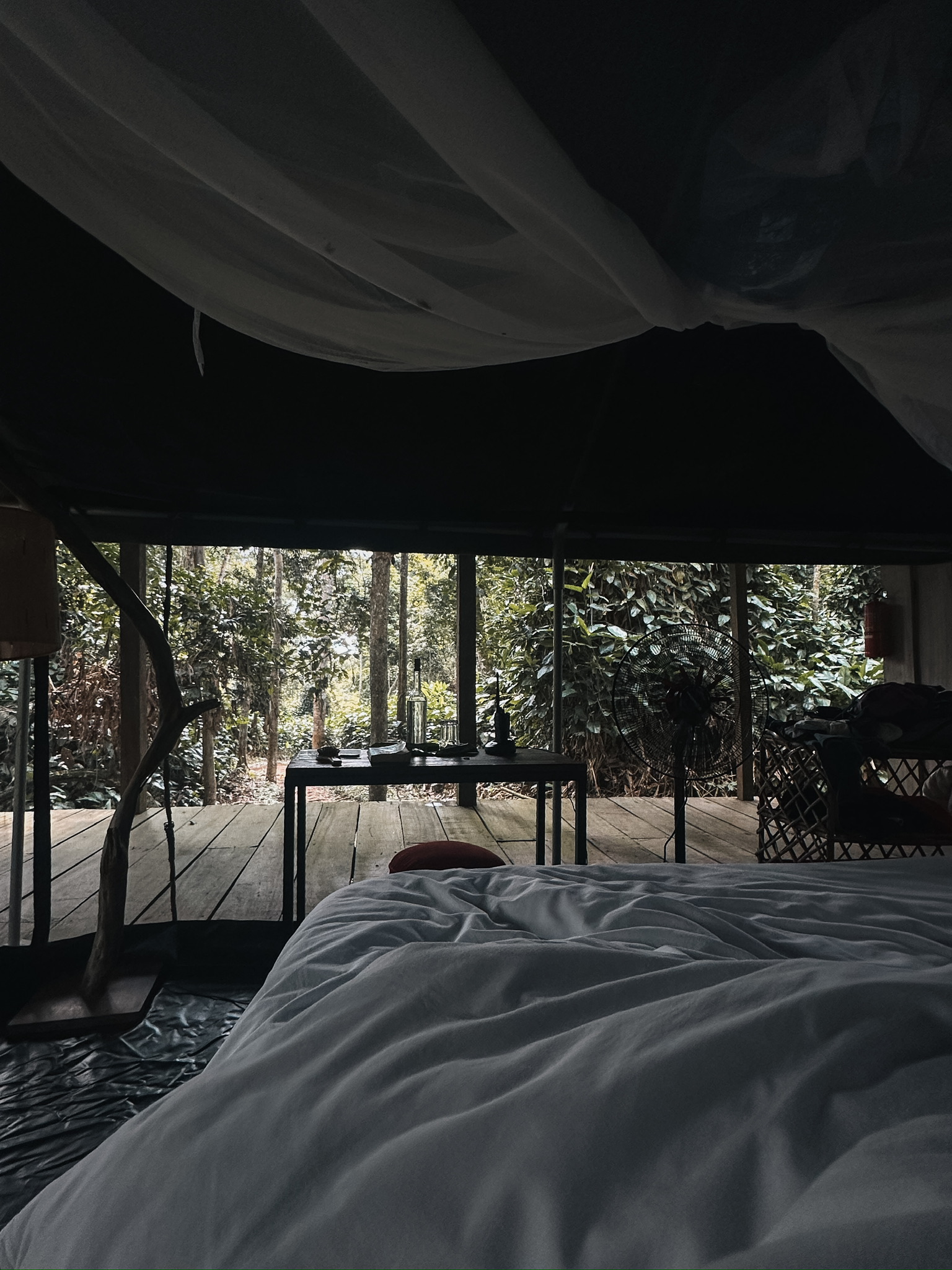
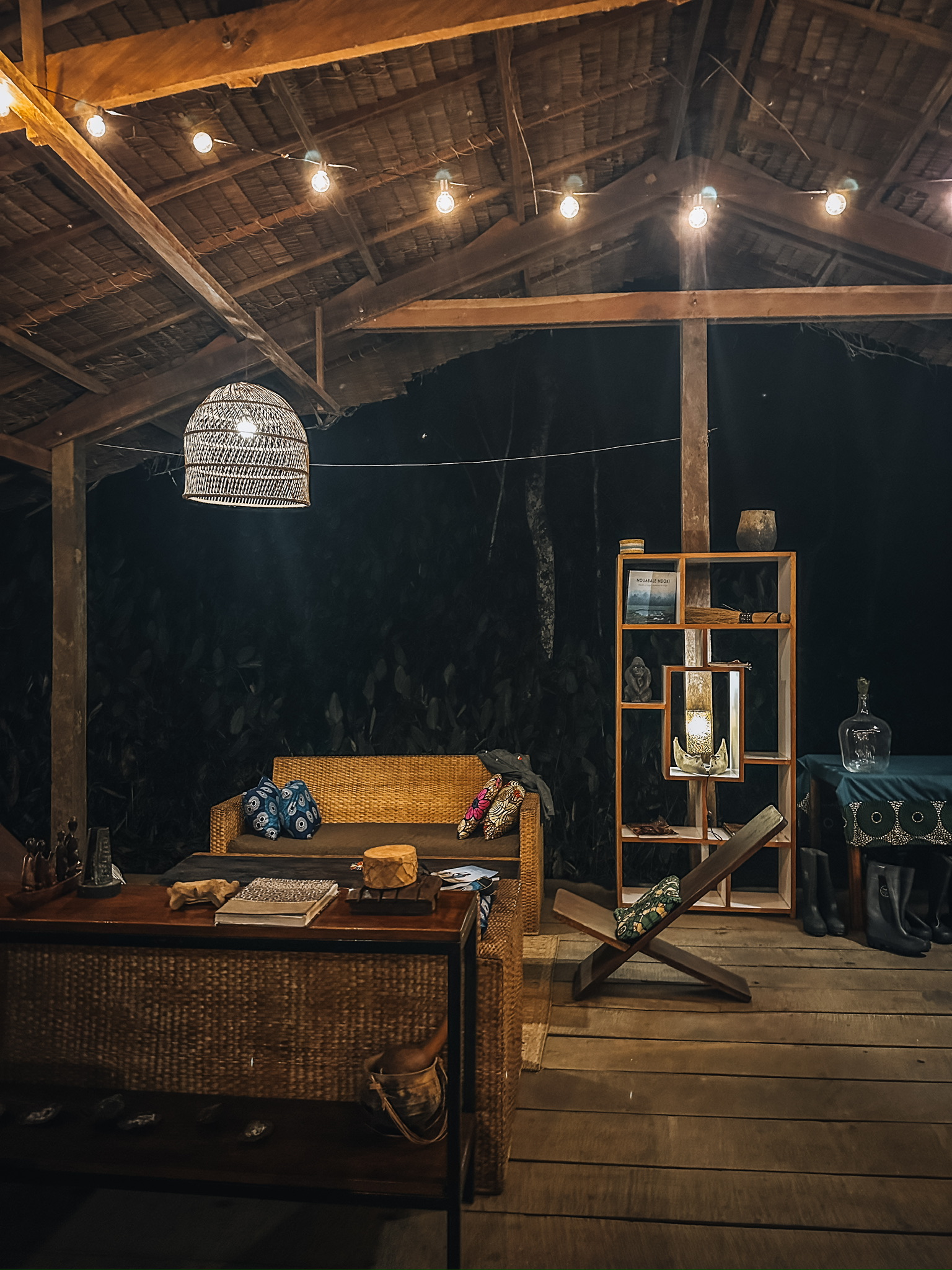
The camp has canvas accommodation on raised wooden platforms, with a central area for meals and relaxation.
It doesn’t feel like a conventional safari lodge.
And I think that is exactly right for this place.
The forest should be the main character.
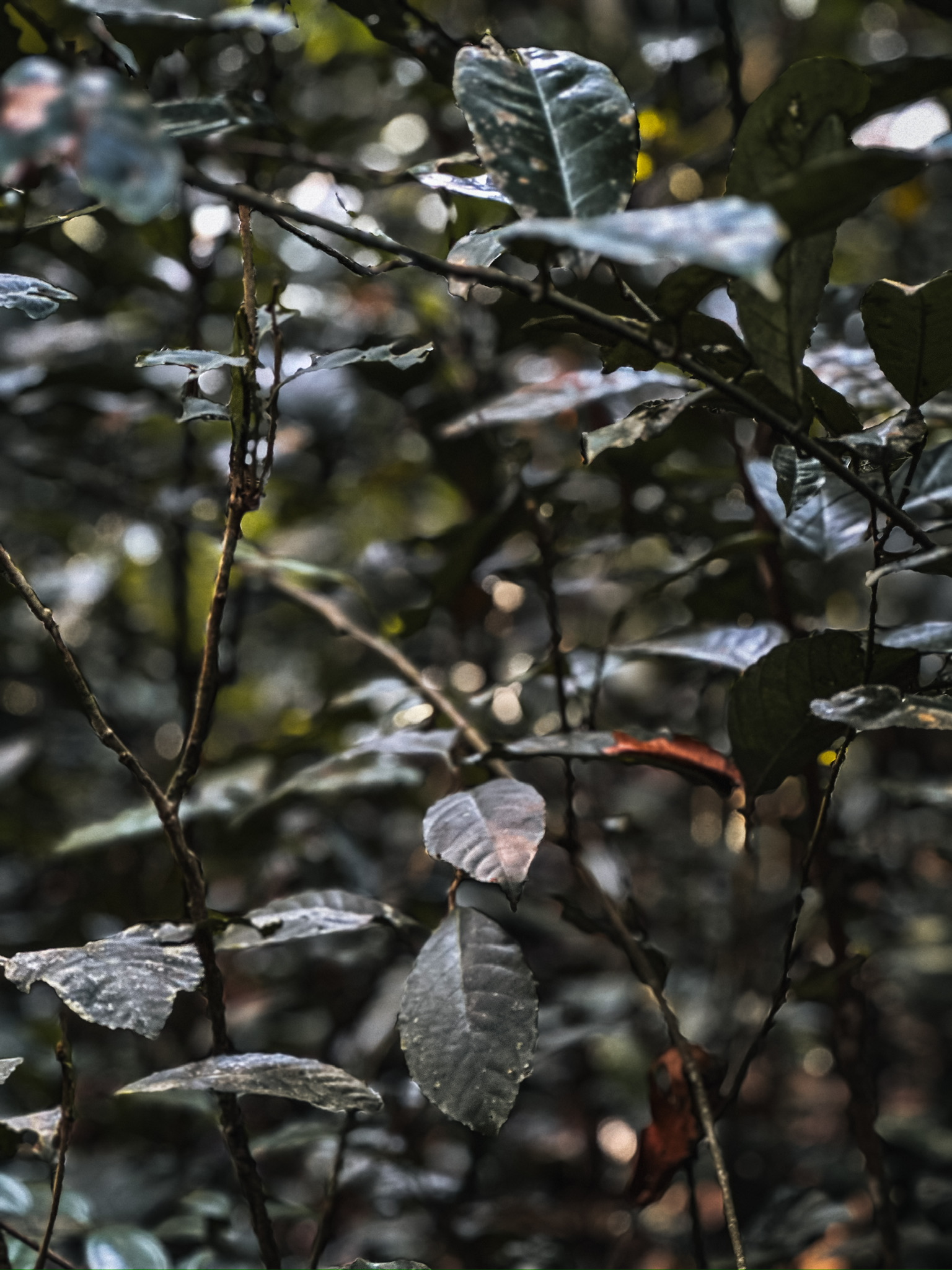
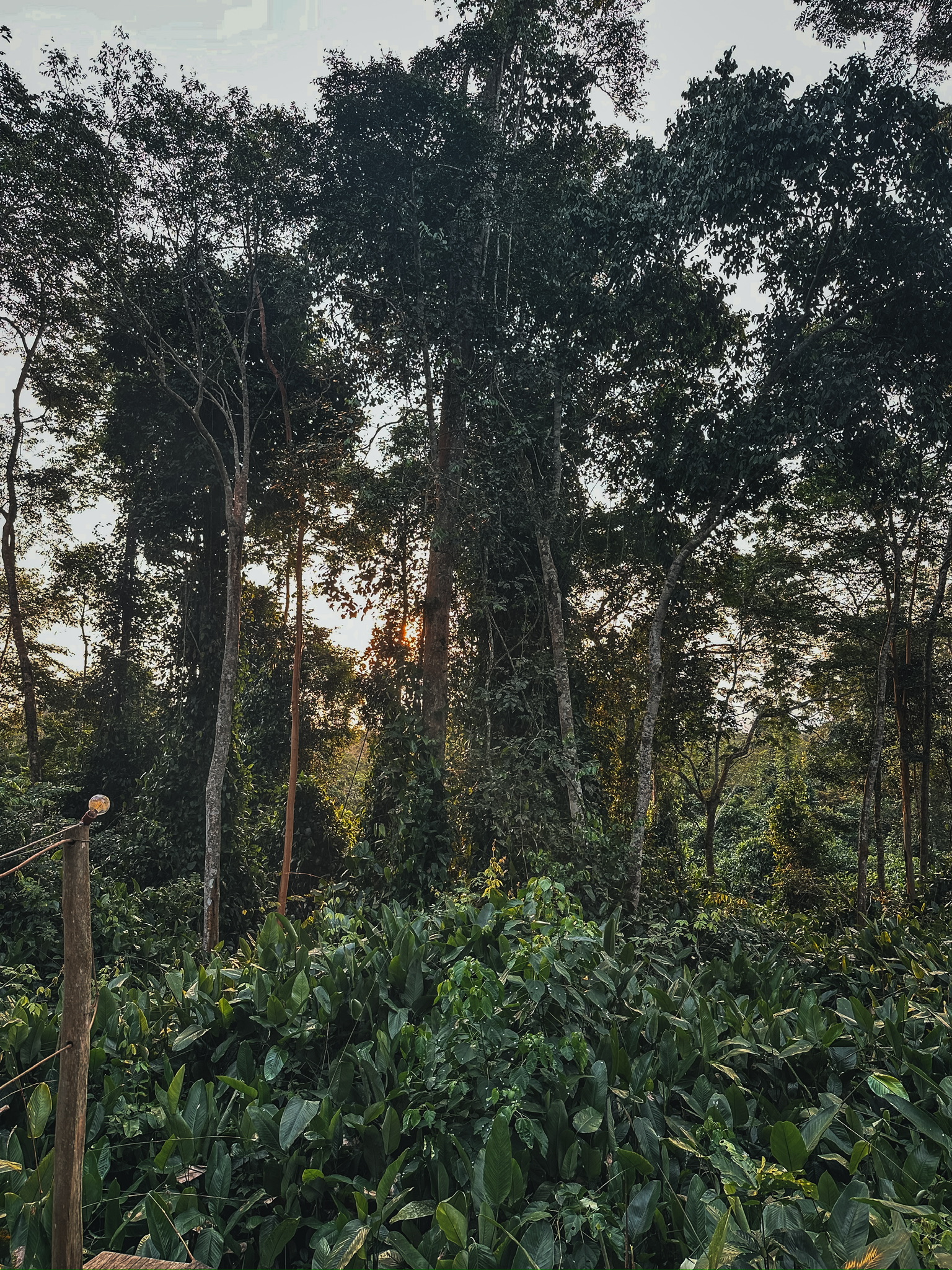
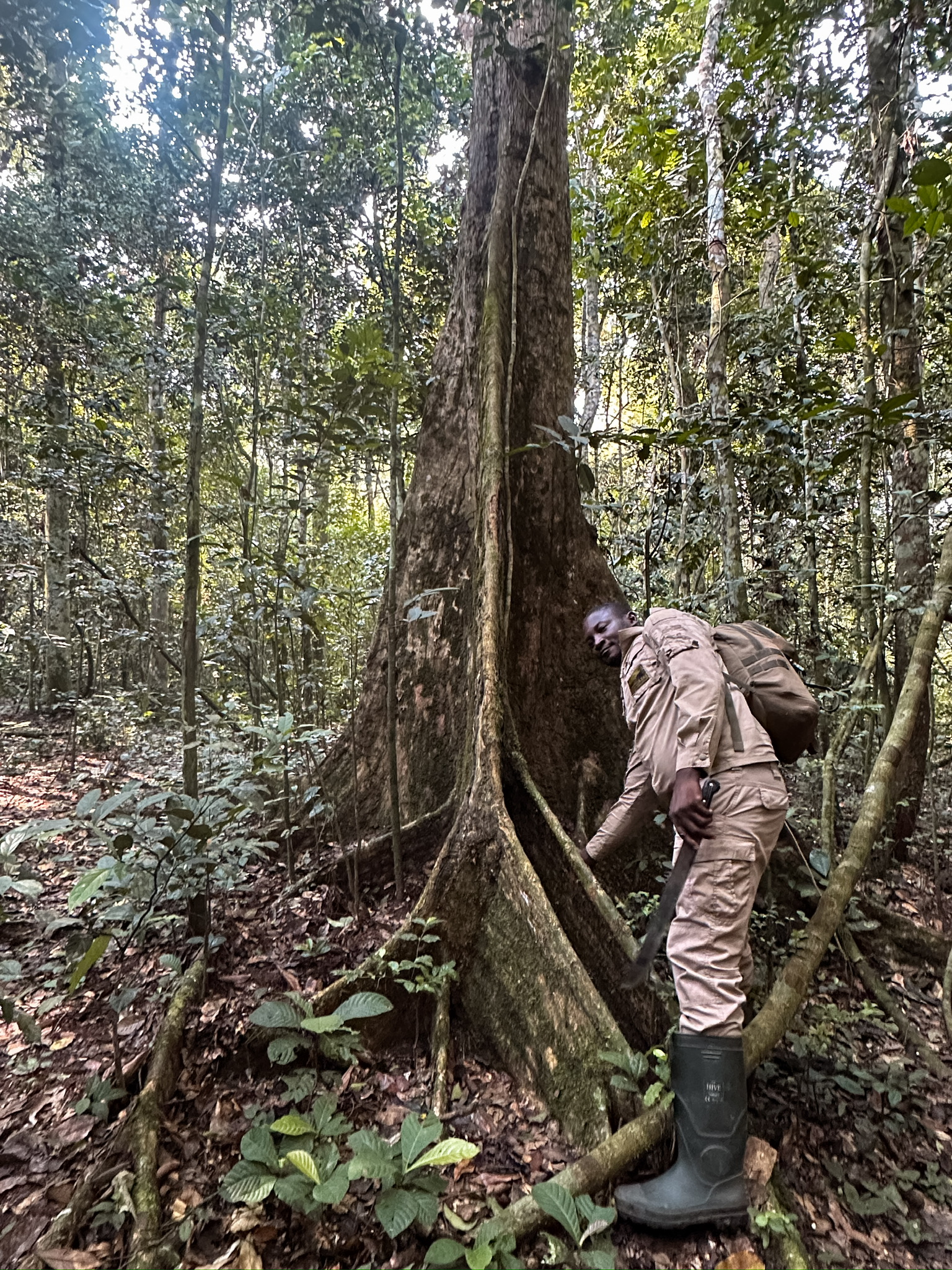
You wake up surrounded by trees.
You walk through the forest to get places.
You hear things moving around you.
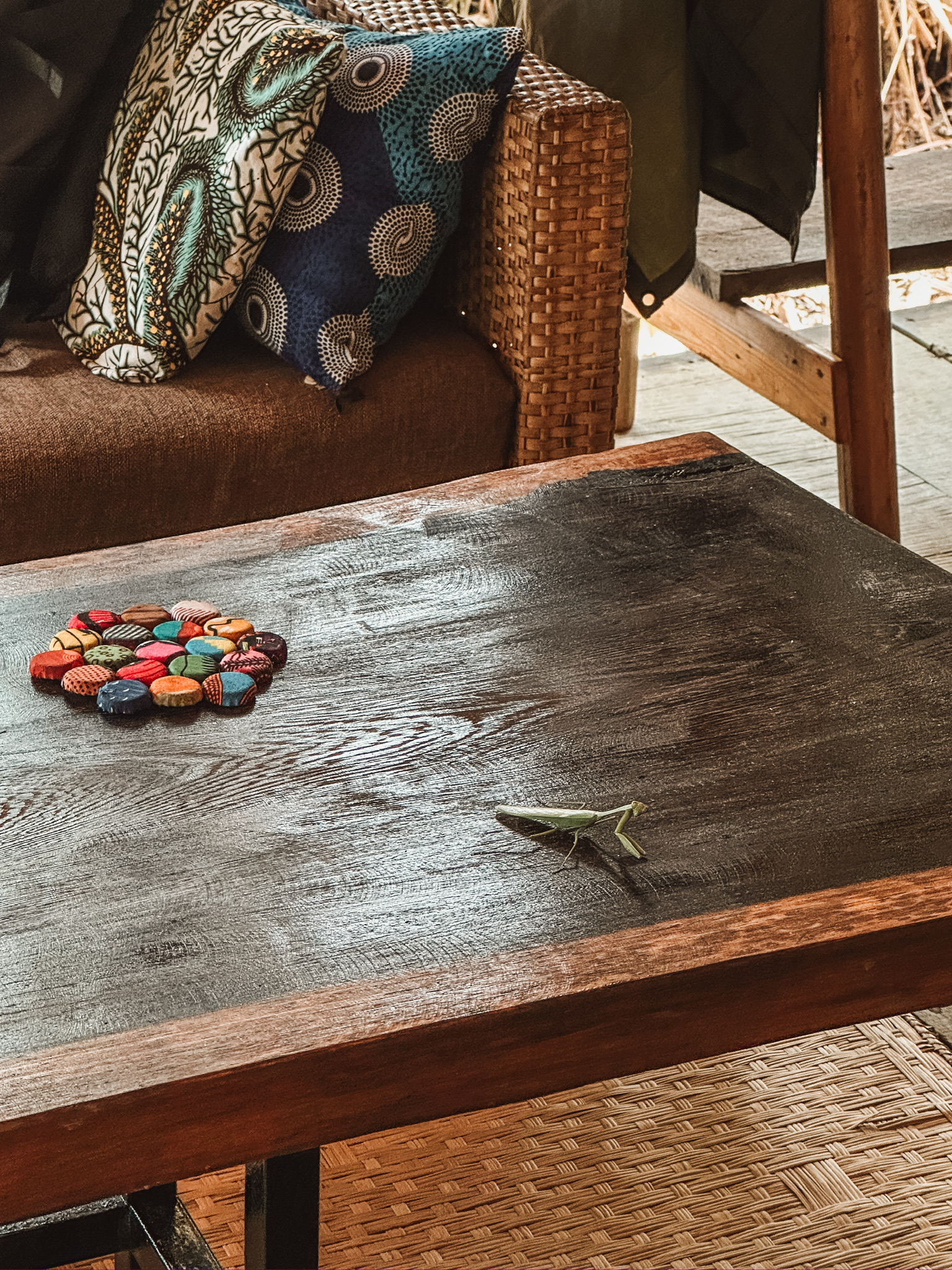
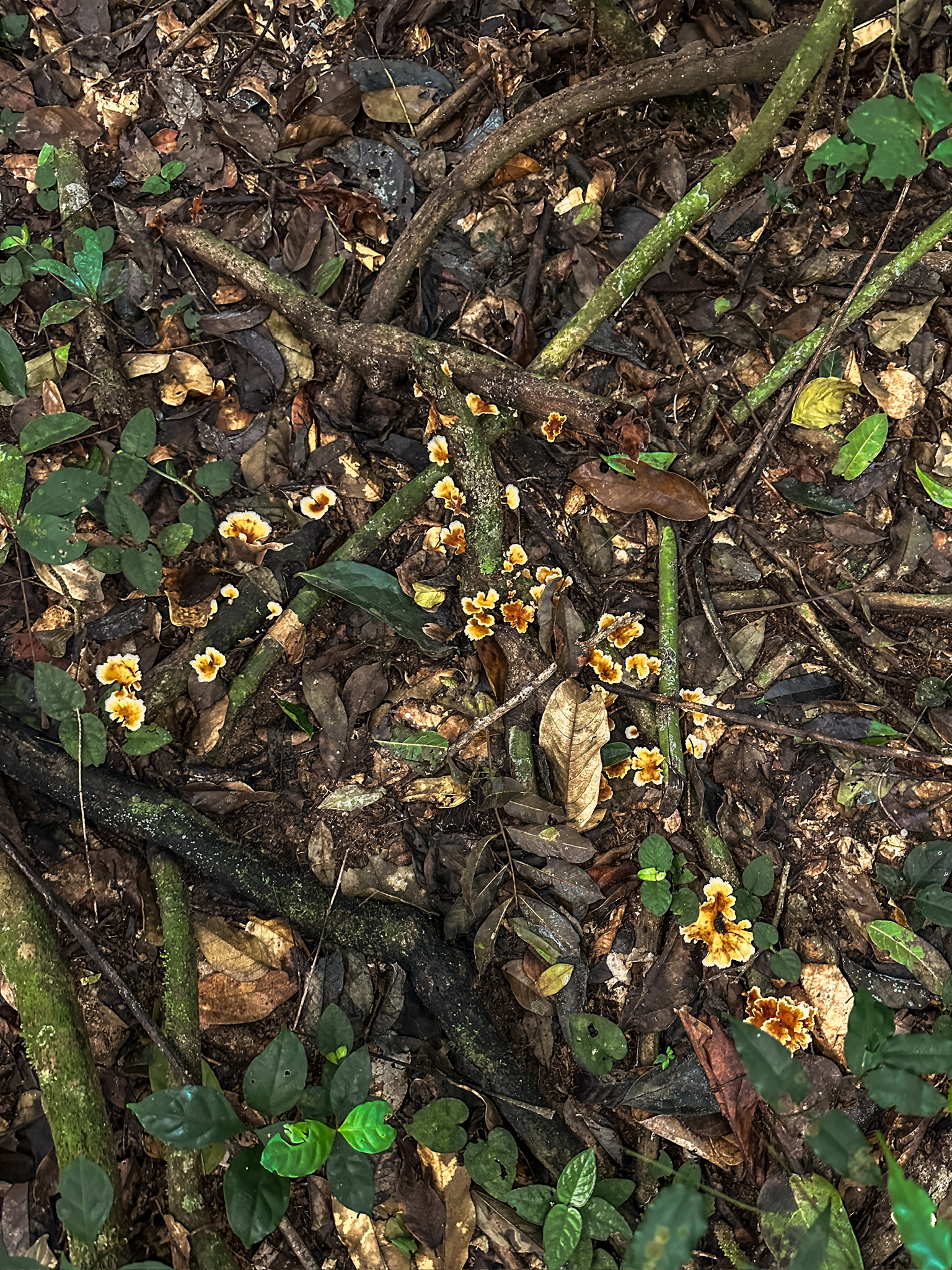
You notice insects.
Birds.
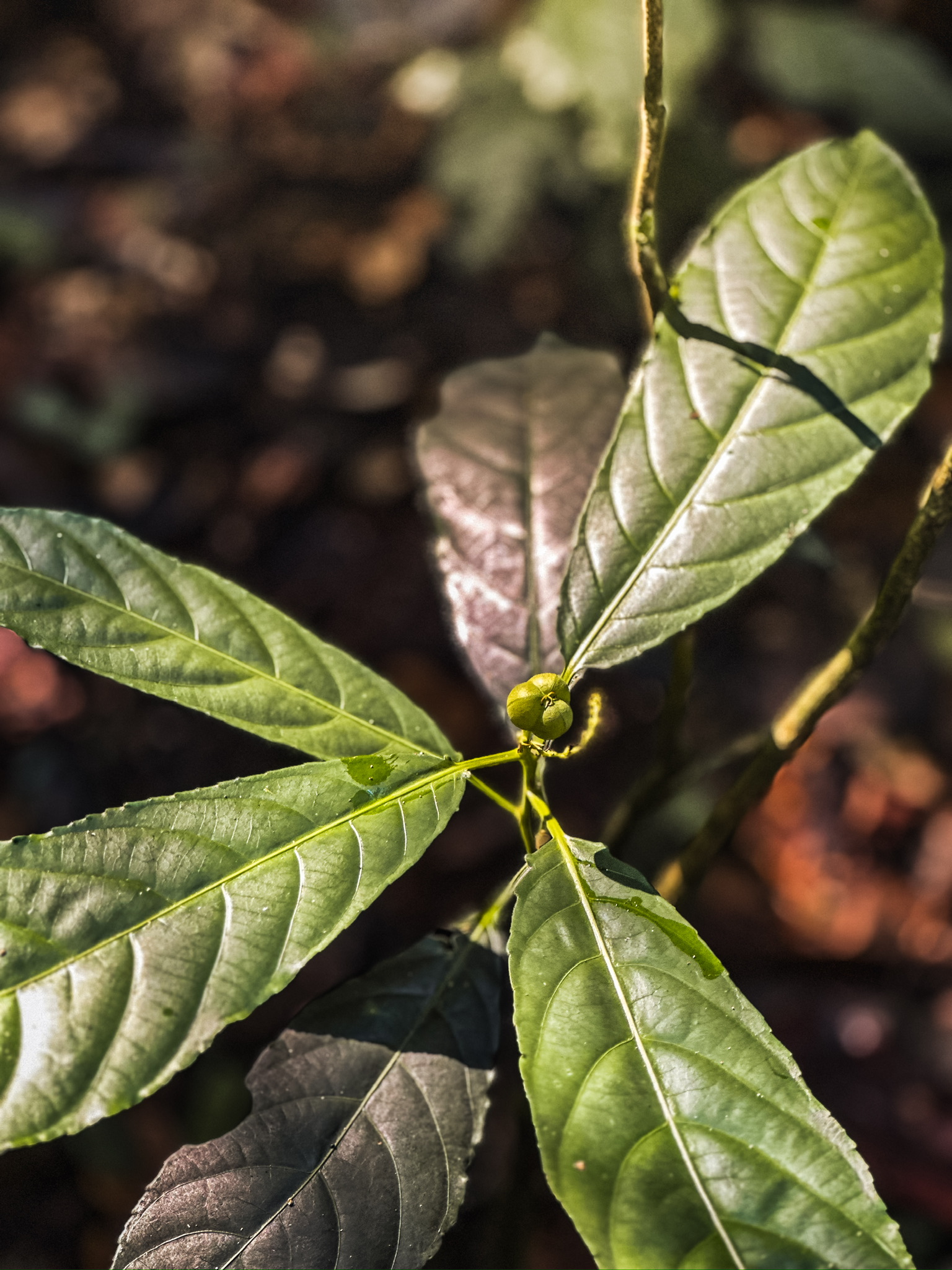
Leaves.
Light.
Rain.
And then, occasionally, something much larger.
The camp is also within walking distance of the Imbalanga Bai, which is one of its biggest advantages.
Plan a stay at Camp Imbalanga with Ukuri Travel
The Bais: The Highlight of Camp Imbalanga
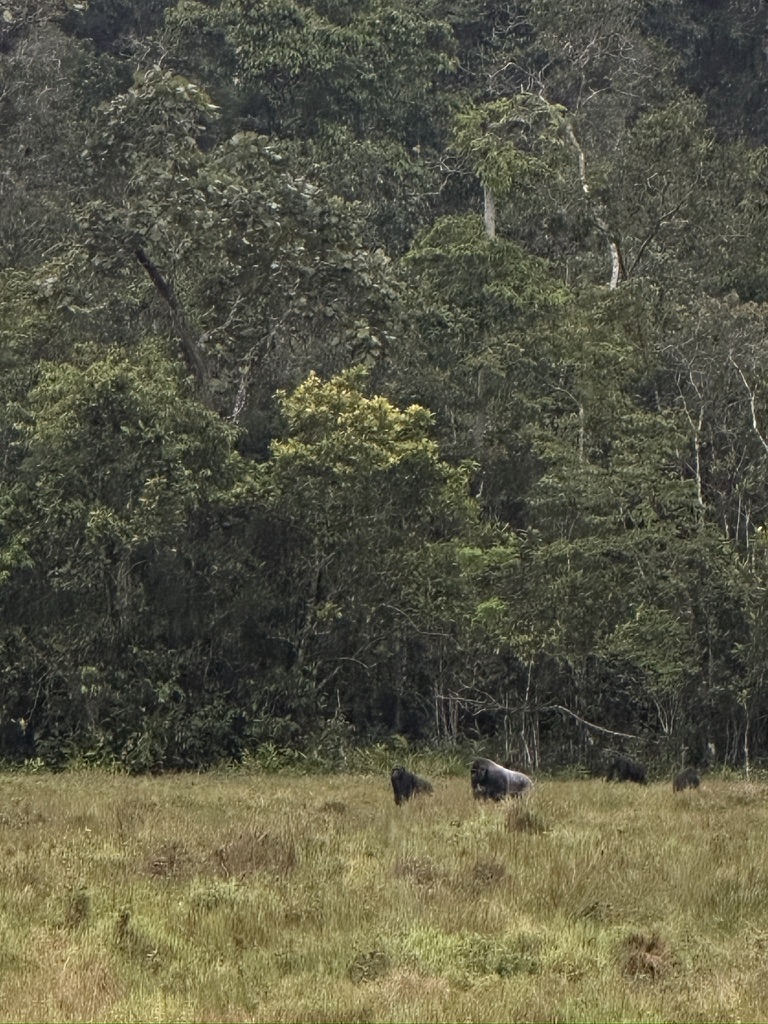
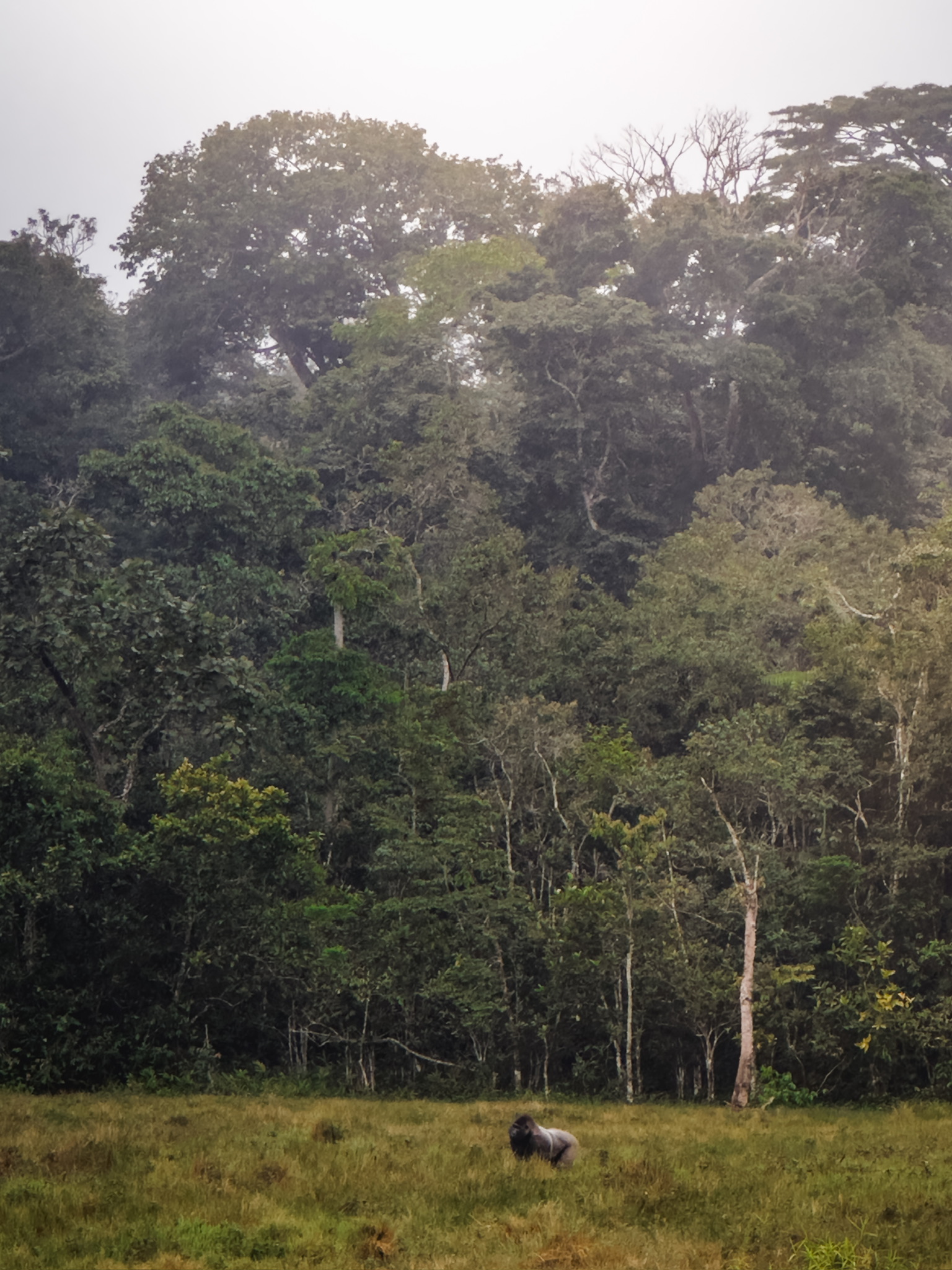
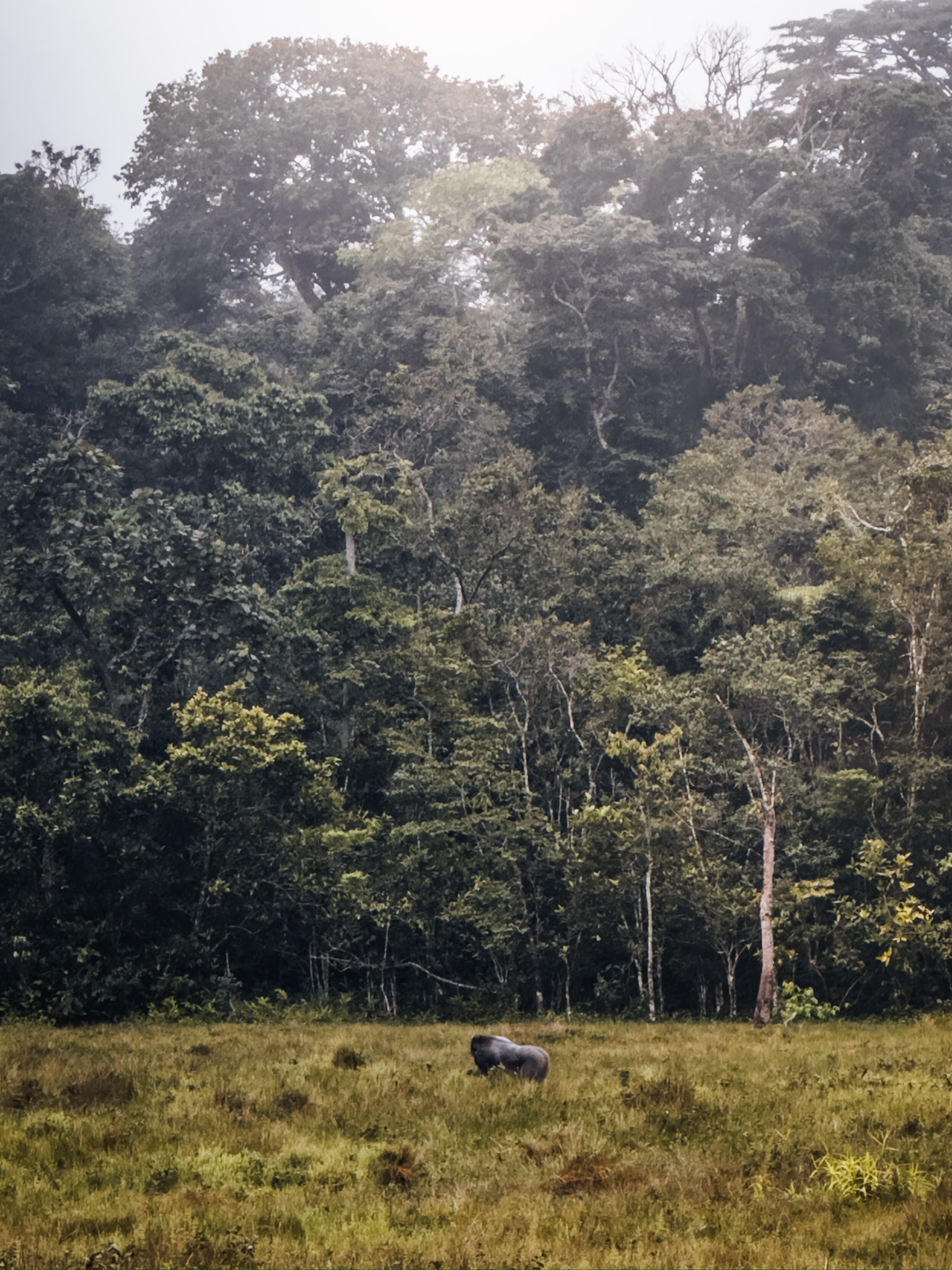
If I had to pick one thing that makes Camp Imbalanga particularly special, it would be the bai.
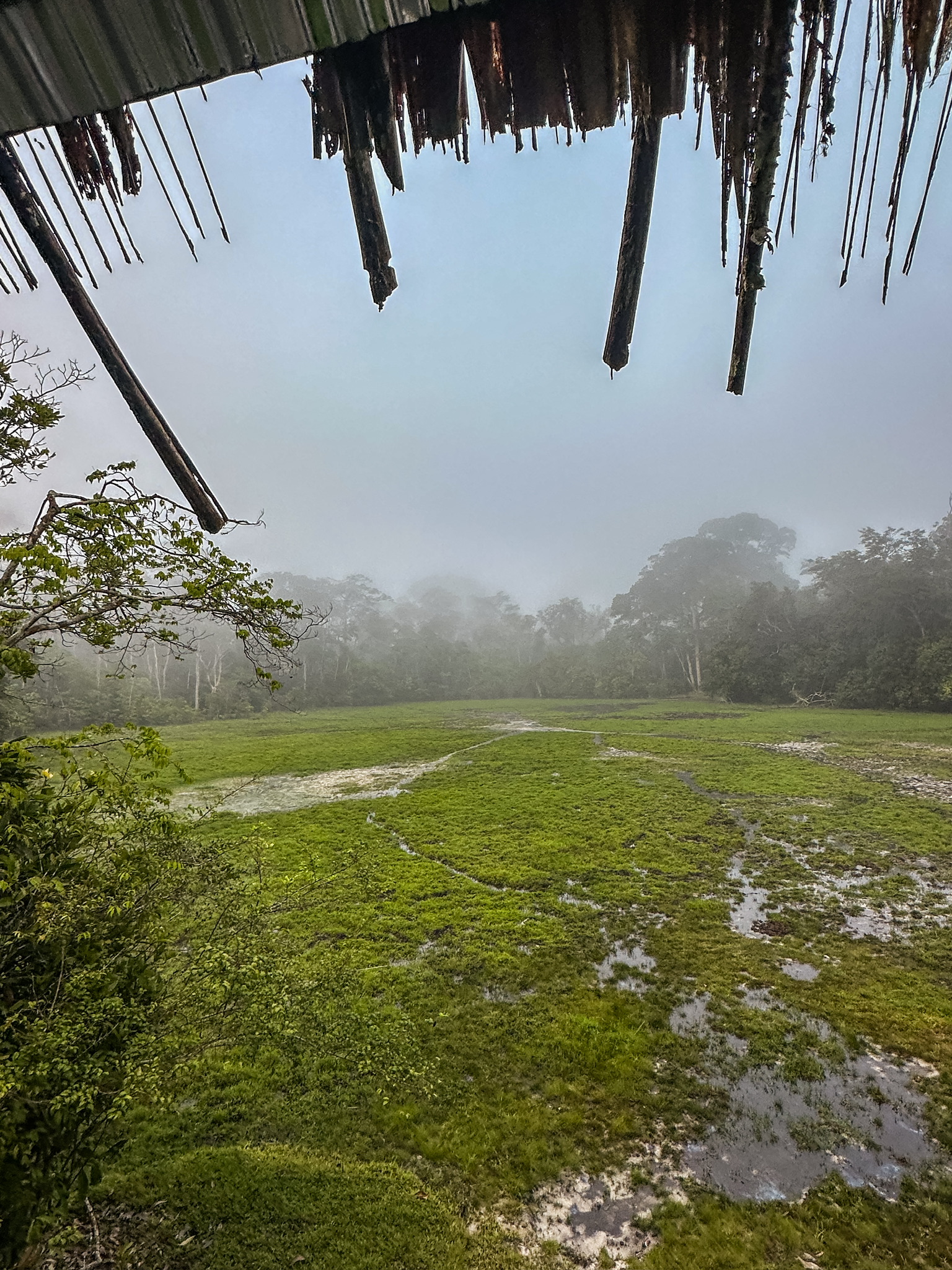
A bai is a natural forest clearing, often wet or swampy, where wildlife comes to feed, drink and obtain minerals.
In a rainforest, these spaces are incredibly useful for wildlife viewing.
Instead of trying to see through kilometres of vegetation, you have a natural clearing where animals come into view.
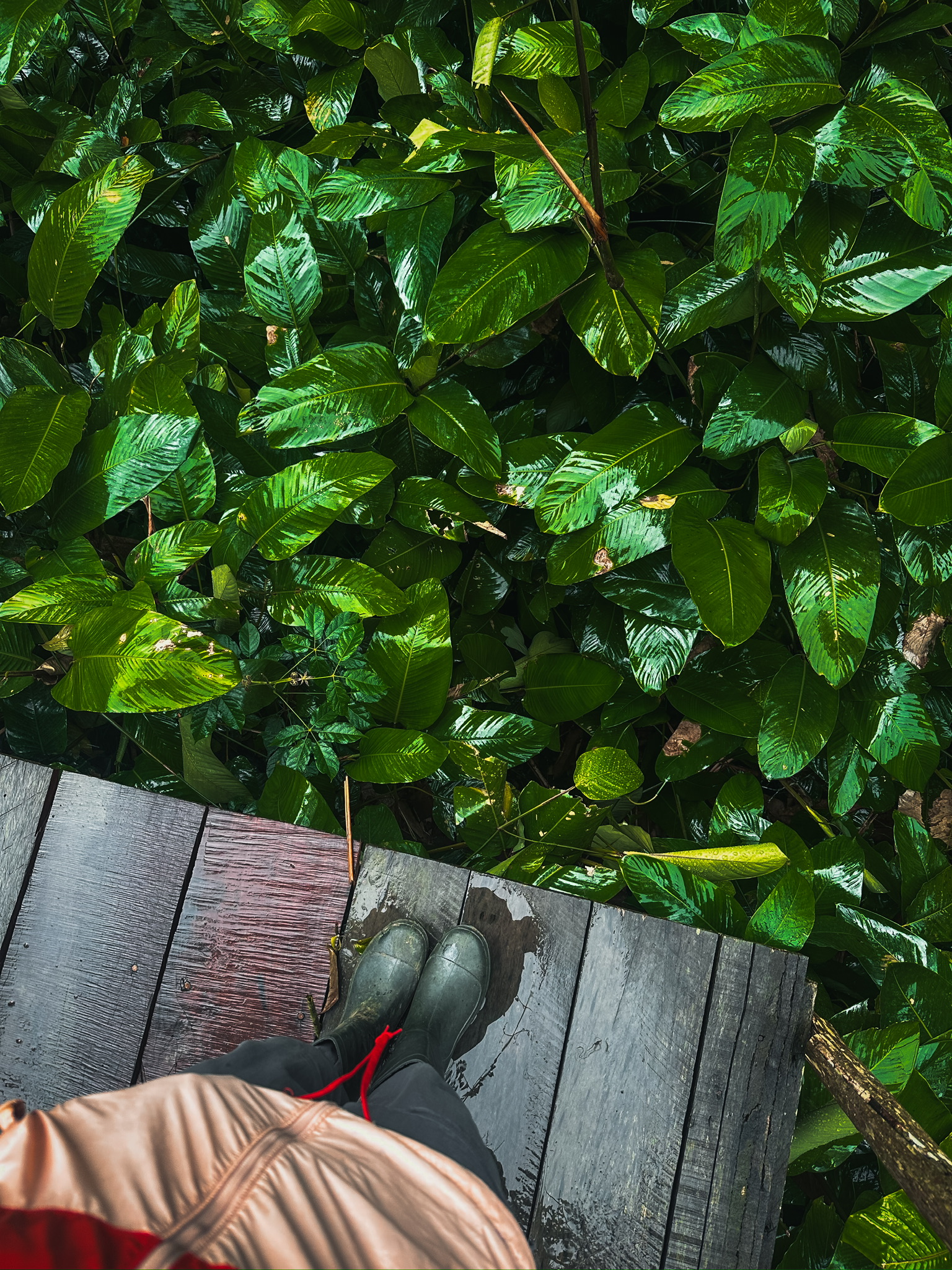
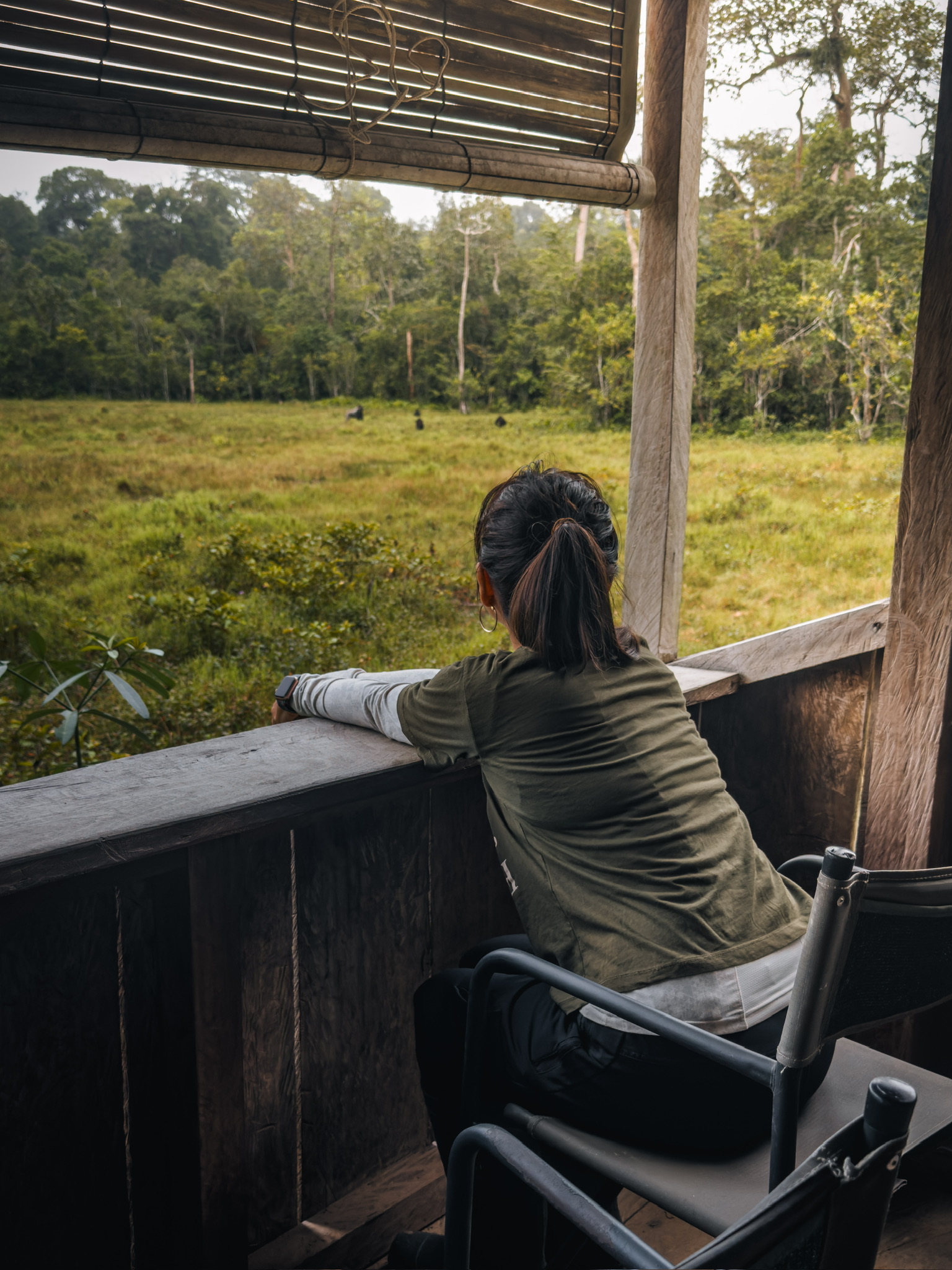
At Imbalanga, the bai is accessible from camp via a forest path and wooden walkway, leading to an elevated observation area.
And this is where the experience becomes completely different.
You can sit there.
For hours.
You don’t have to keep walking.
You don’t have to keep searching.
You just watch.
A bird moves across the clearing.
A duiker appears.
Something rustles at the edge of the vegetation.
A bongo emerges.
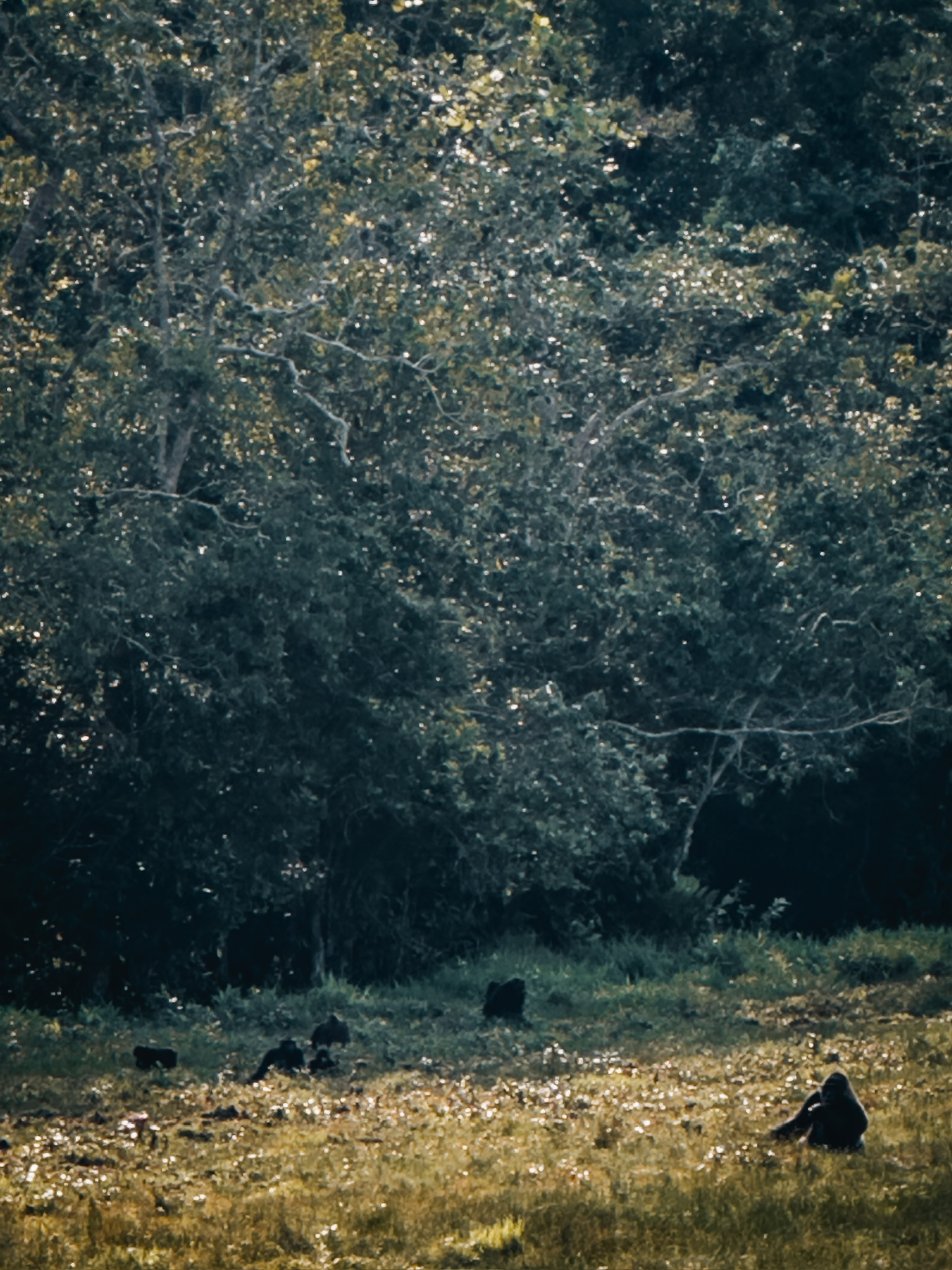
And, if you are lucky, gorillas come into view.
That possibility is what makes the bai so fascinating.
Watching Gorillas at the Bai
The bai gives you something the forest tracking doesn’t: time.
During the hikes, you are following the animals.
At the bai, you can let the animals come to you.
That difference is enormous.
You can sit in the observation treehouse and watch the clearing change throughout the day.
And the gorillas don’t need to do anything dramatic.
They can simply be there.
Moving through the vegetation.
Eating. Resting. Climbing. Interacting. Leaving. Coming back. That is enough.
For me, this was one of the most beautiful parts of the experience because there was no pressure to turn every sighting into an event.
You could simply watch, and because the bai is so close to camp, you can spend meaningful amounts of time there rather than treating it as a quick stop between other activities.
This is also why I think Camp Imbalanga is interesting for travelers who may not be able to manage a long, strenuous gorilla hike.
The bai creates another way to potentially observe these animals.
But again: potentially.
There is no guarantee that gorillas will appear. That’s the whole point.
What You Can See Around the Bai
Gorillas are obviously the headline.
But they aren’t the only reason to sit there.
Bongo
Seeing a bongo in a rainforest is a special experience.
These large forest antelopes are beautifully marked and notoriously elusive.
In dense forests, they can disappear almost completely.
The bai gives you a much better chance of actually seeing one when it comes out into the open.
Duiker
The duikers are smaller and much easier to overlook.
But when you spend enough time sitting quietly in a forest clearing, you start noticing them.
A small movement at the edge of the vegetation.
A flash of an animal crossing the clearing.
Something you would probably miss if you were busy waiting for a gorilla.
And that is what I loved about the bai.
It rewards attention.
Birds
Odzala is also excellent for birdlife.
African Parks lists nearly 450 bird species in the park.
I’m not someone who travels specifically to tick birds off a checklist, but I love being somewhere where birdlife is such an integral part of the ecosystem.
The forest is constantly making noise.
Sometimes you know what you are hearing.
Often you don’t.
You see flashes of movement through the canopy.
And occasionally you get a proper look.
It adds another entire layer to the experience.
The Forest Was Almost as Exciting as the Gorillas
I have always loved forests.
Give me wilderness, wildlife, national parks and places where you can’t see another tourist for miles and I’m generally happy.
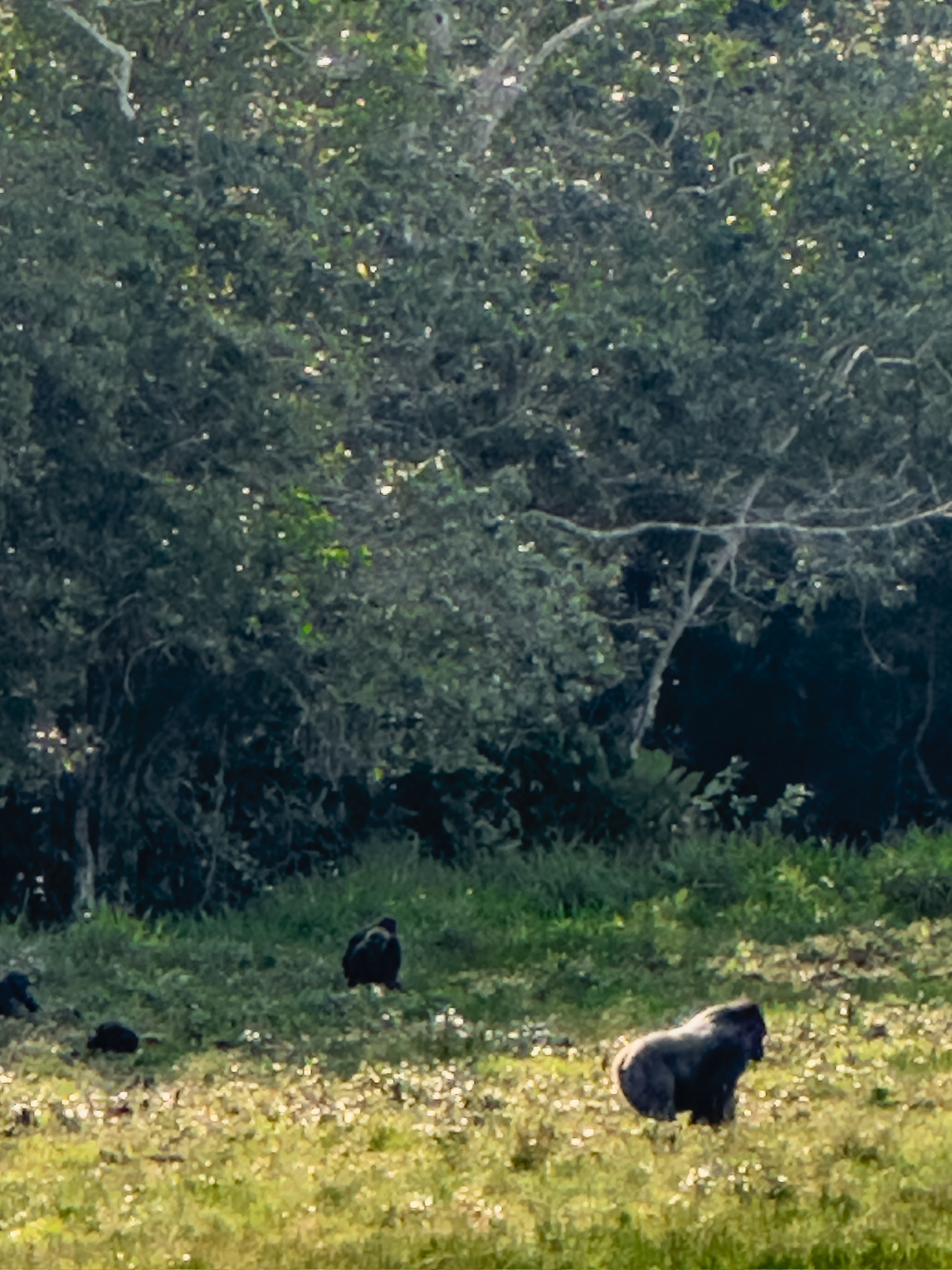
So perhaps it was inevitable that the forest itself would become one of my favorite parts of Odzala.
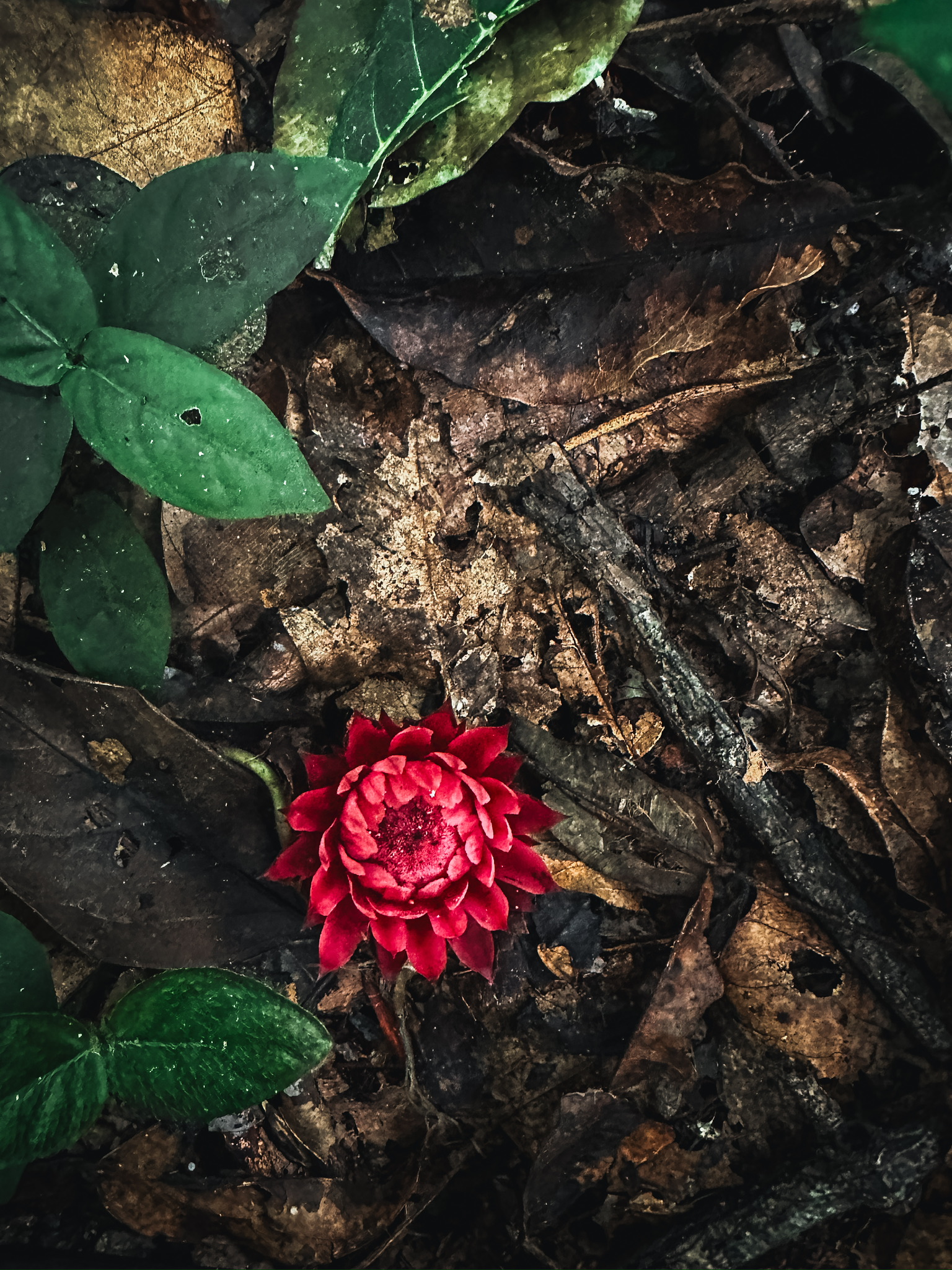
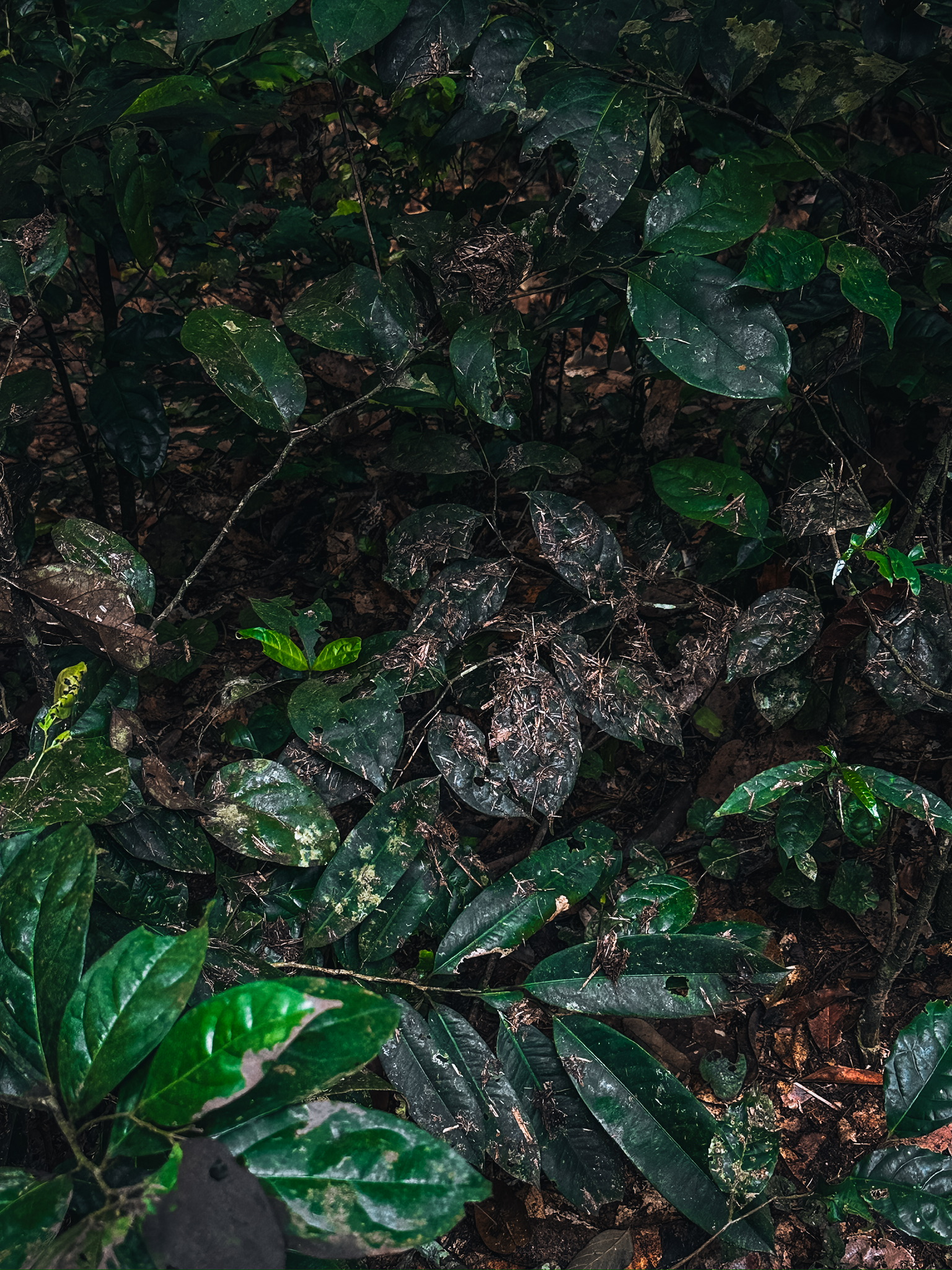
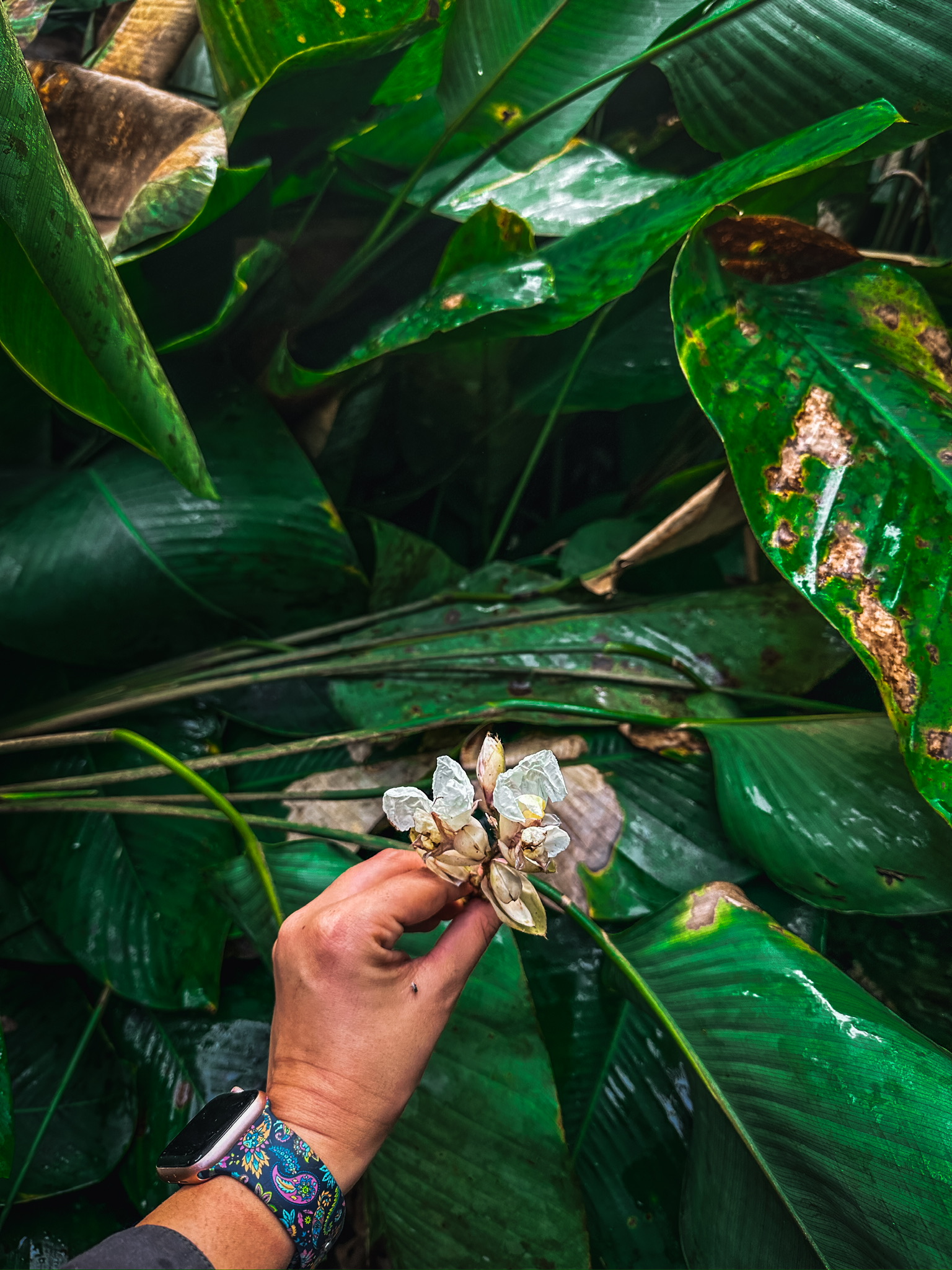
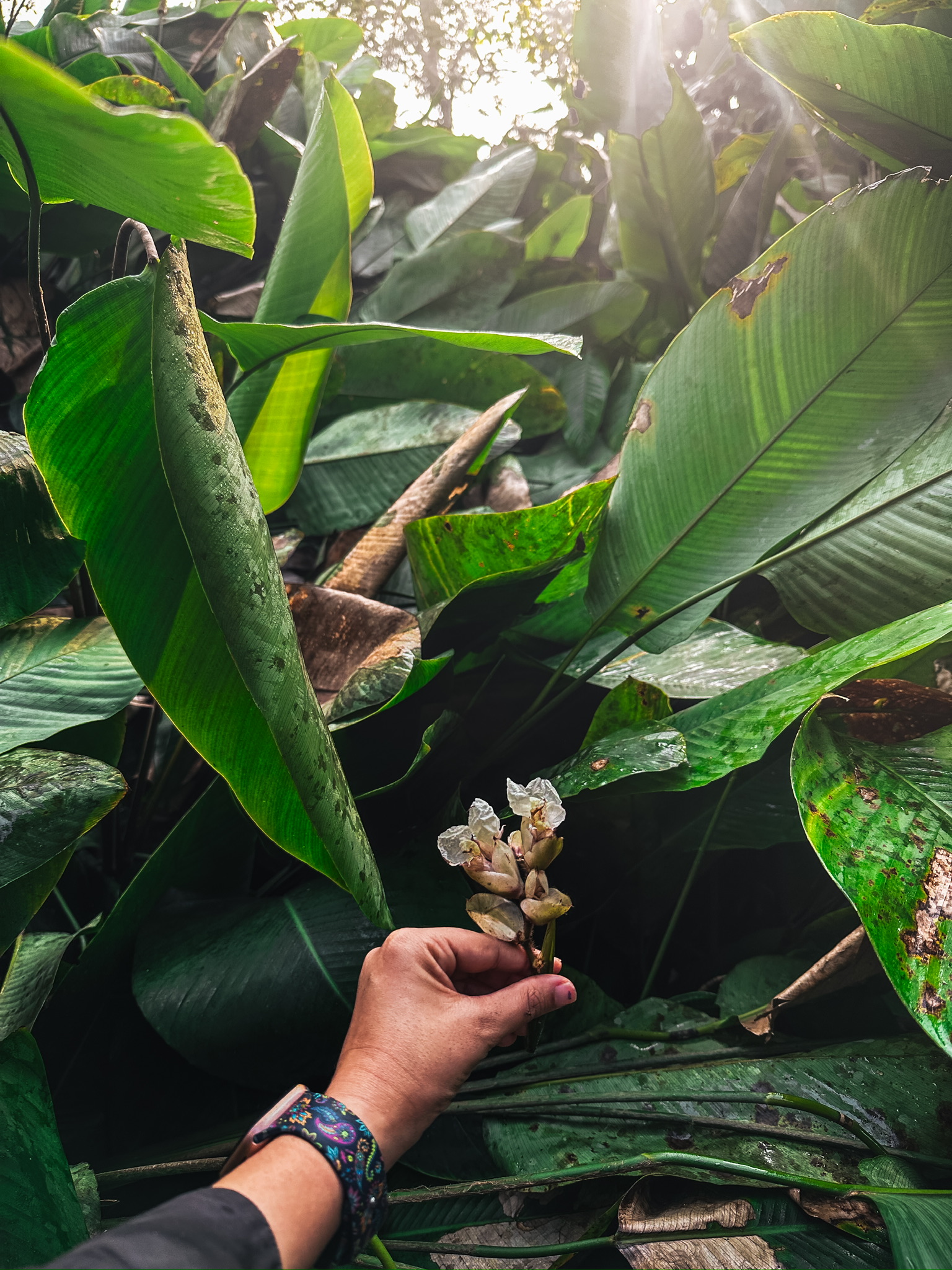
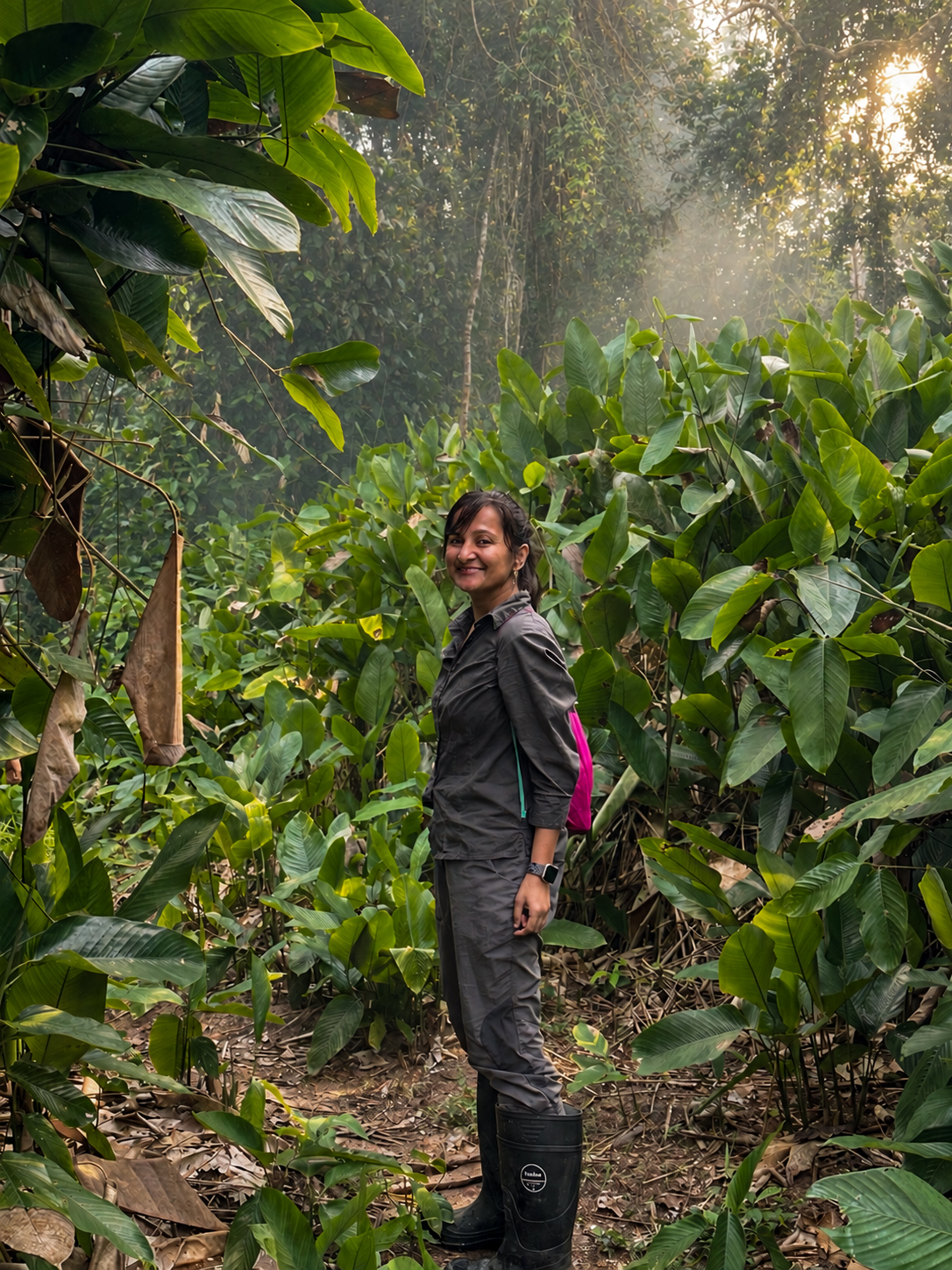
There are plants everywhere.
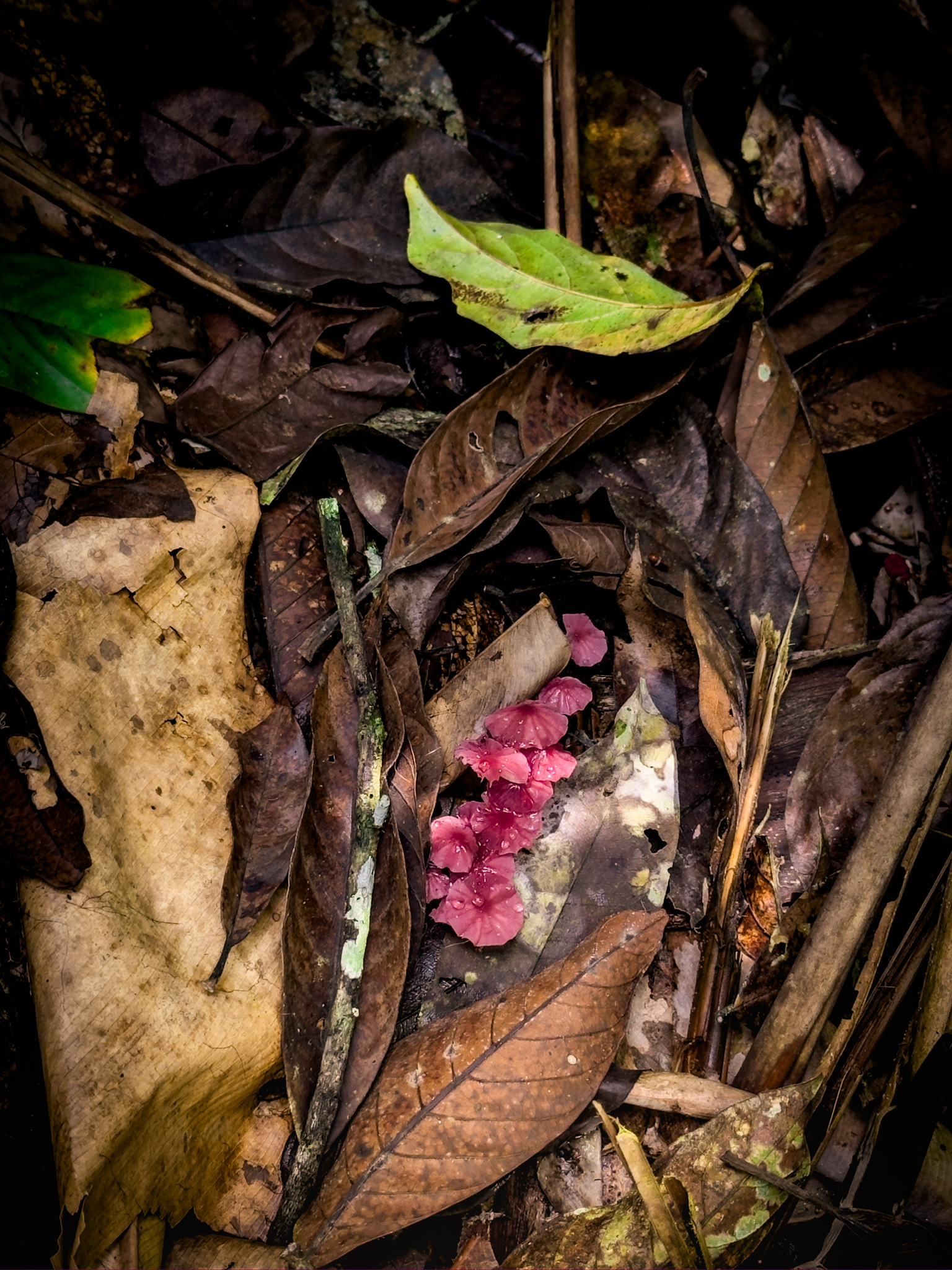
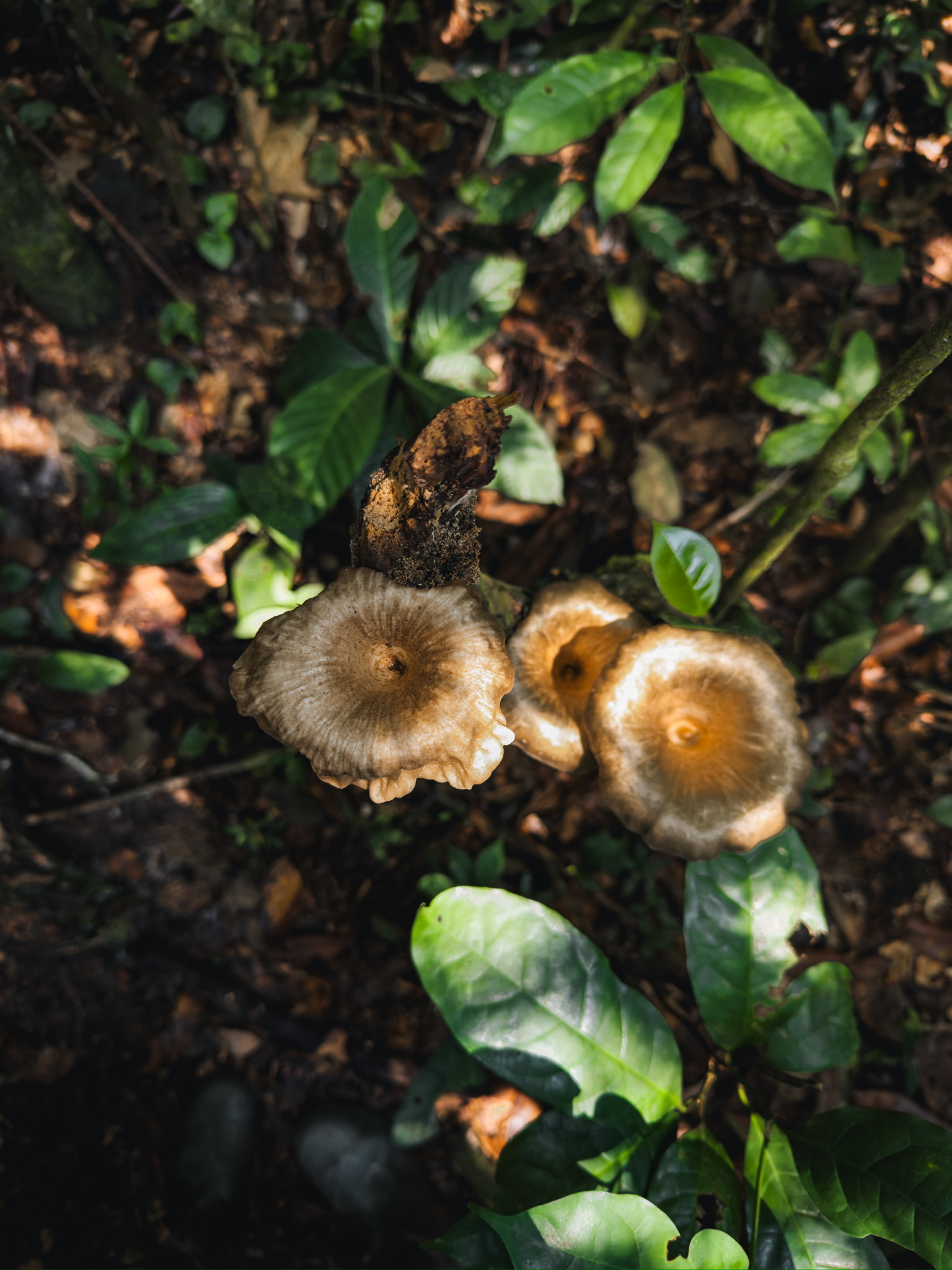
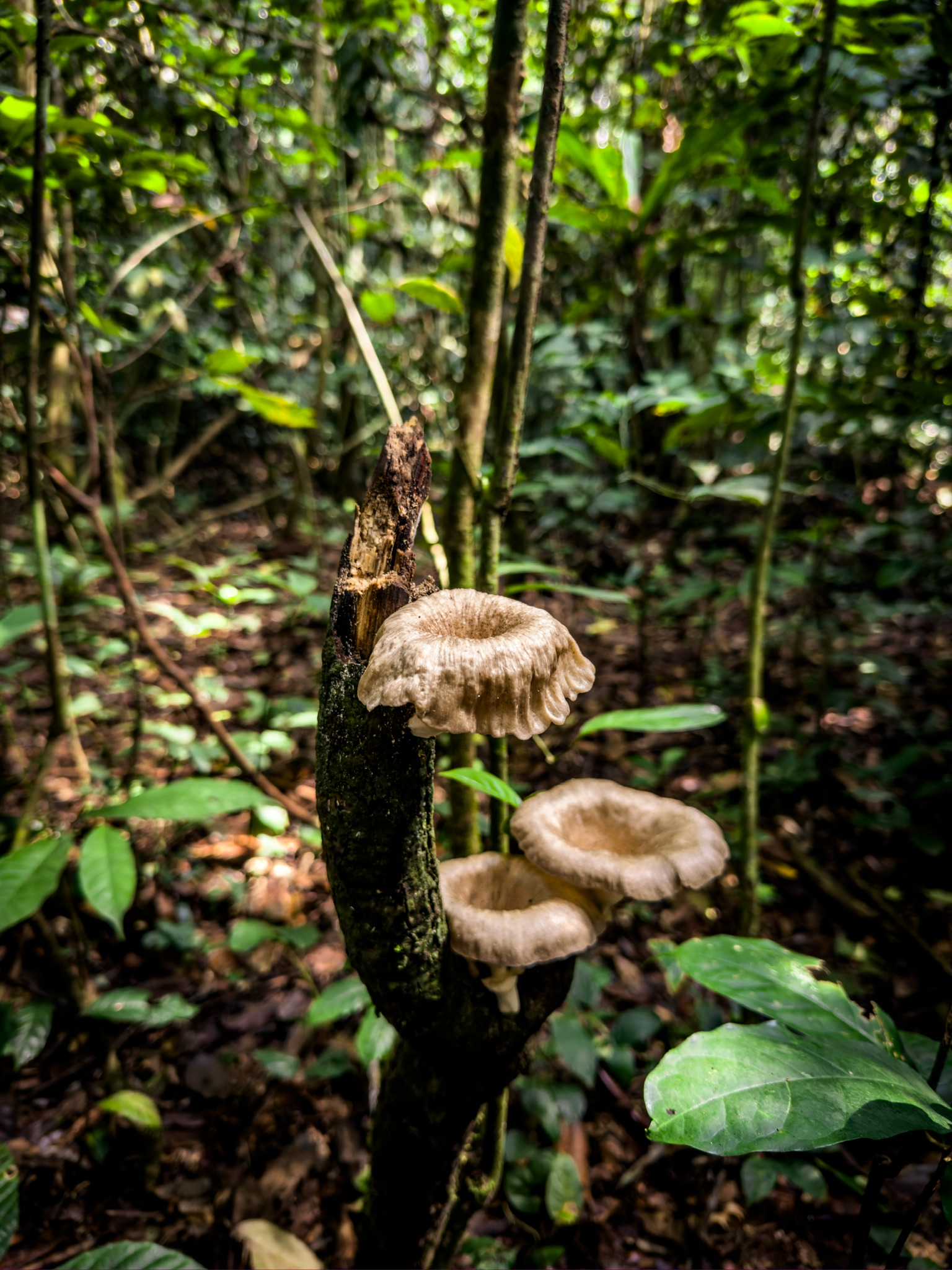
Mushrooms growing from fallen wood.
Millipedes moving across the forest floor.
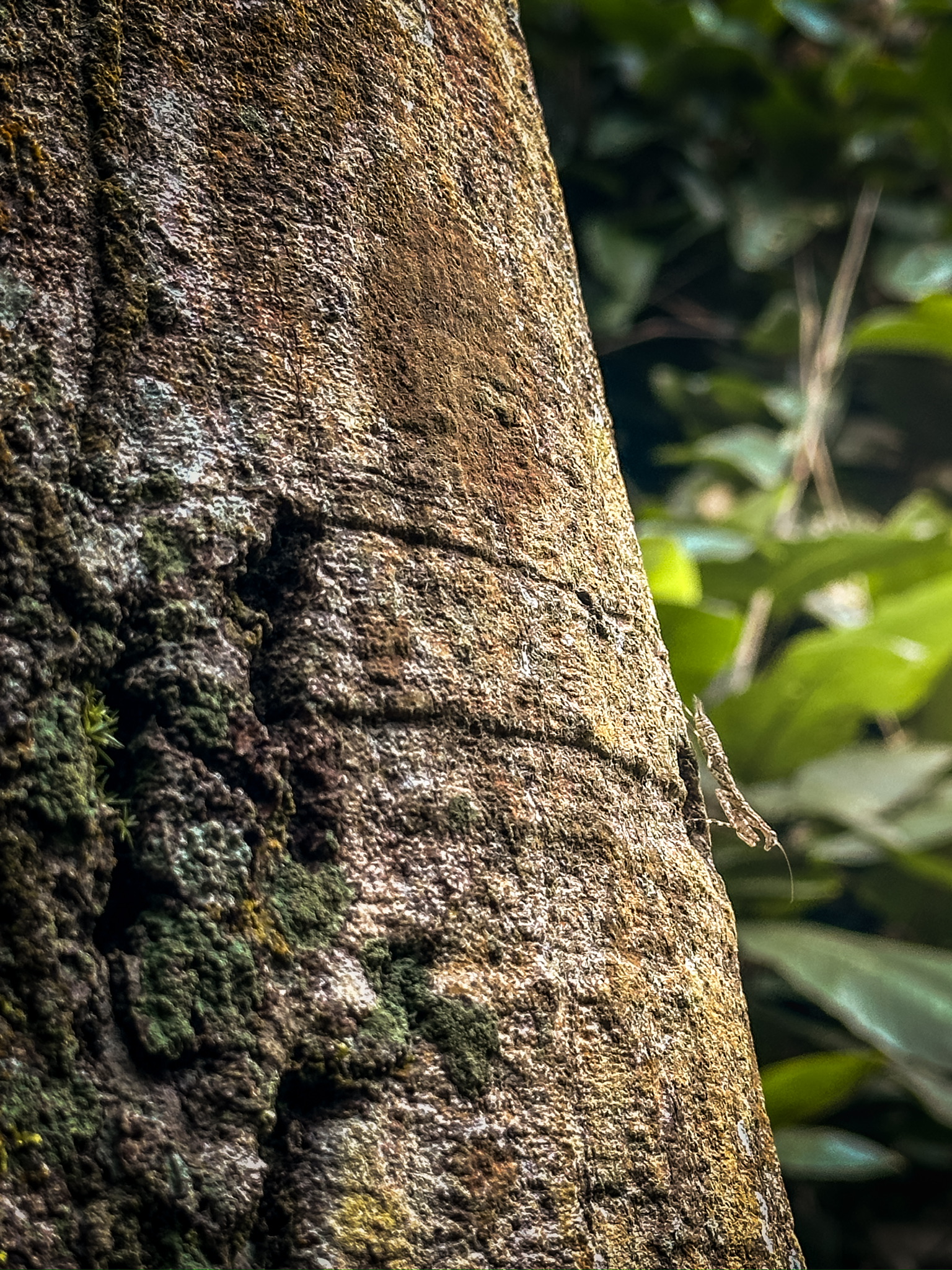
Insects you have probably never seen before.
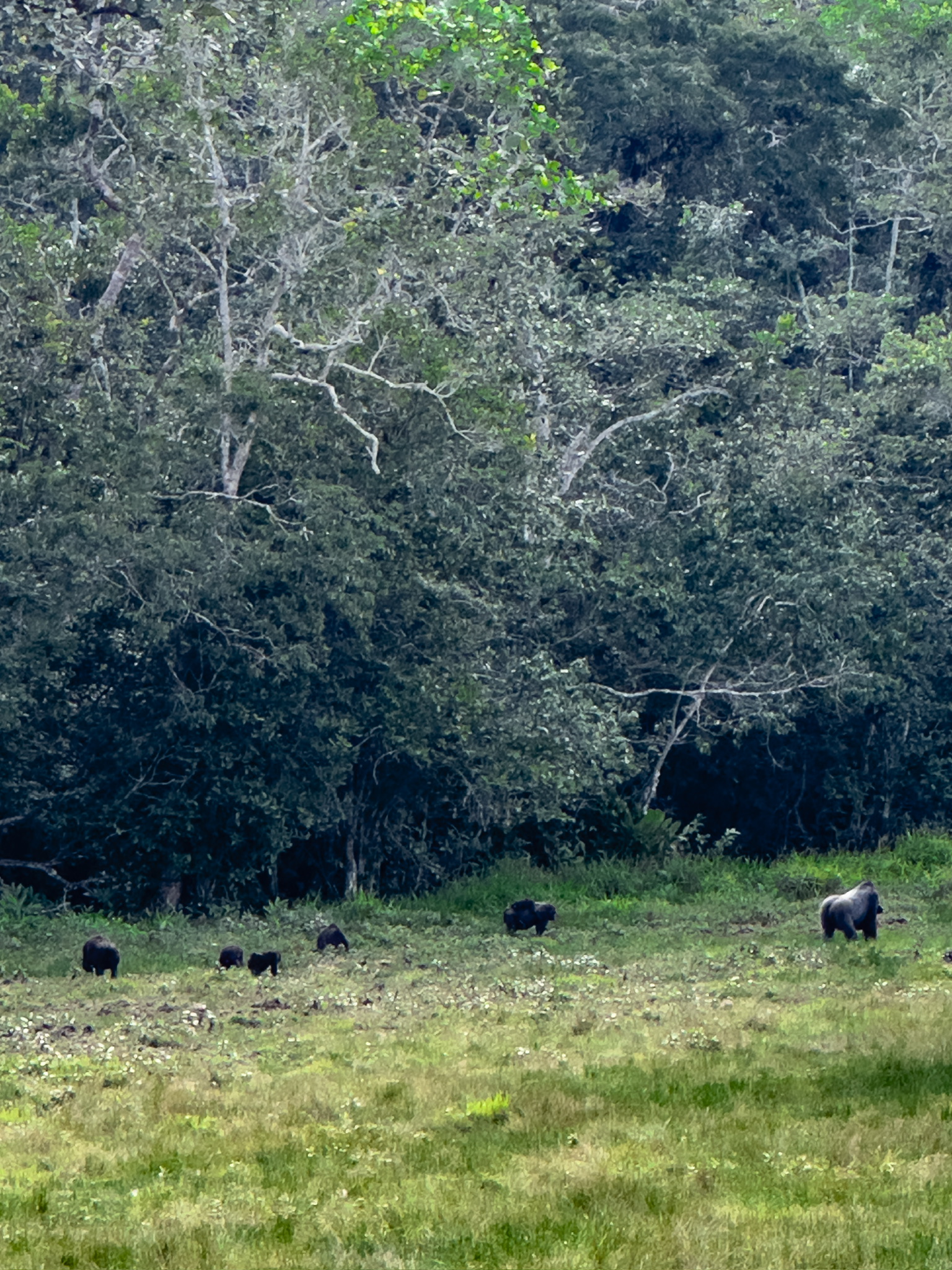
Leaves decomposing into the soil.
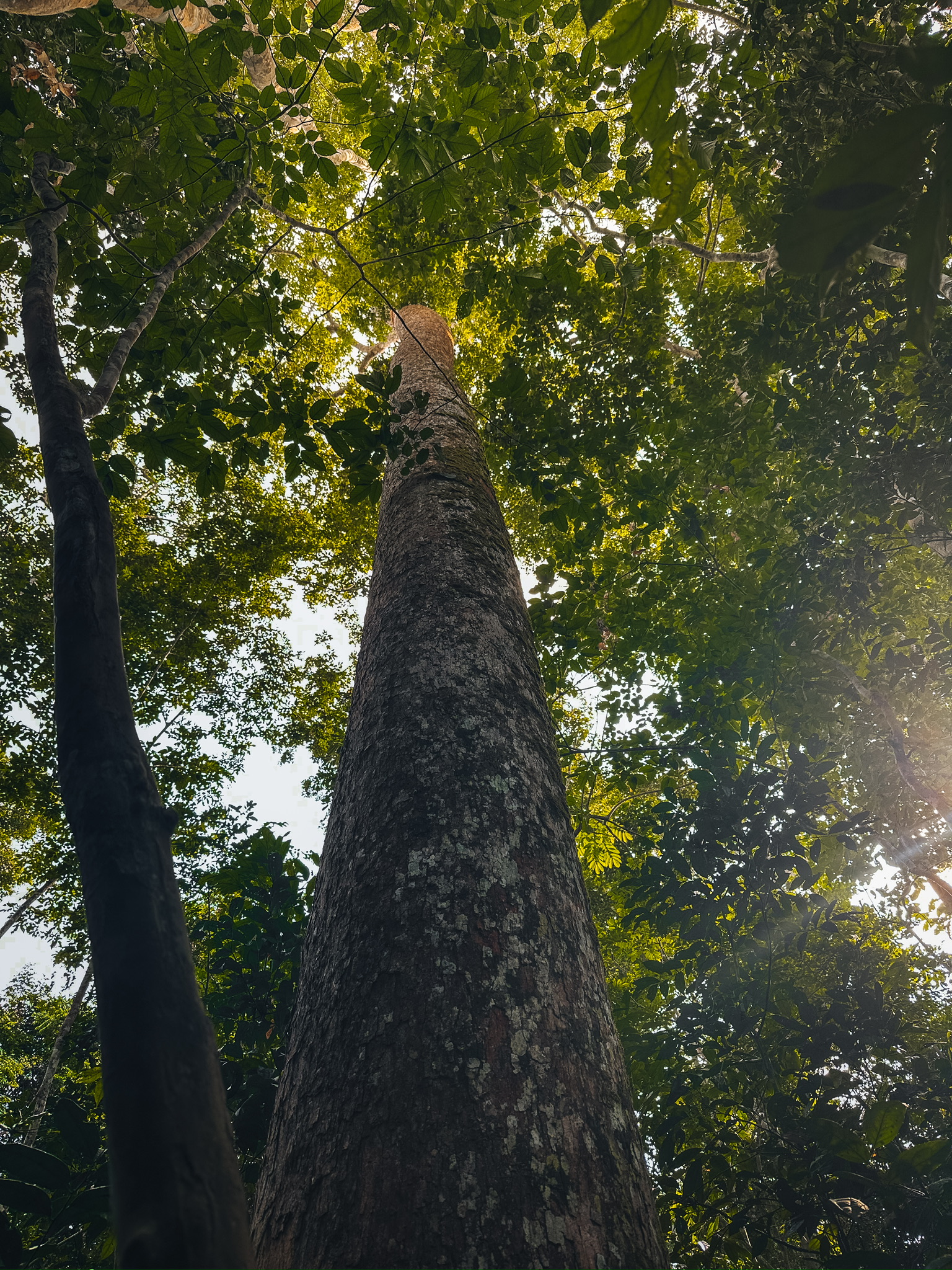
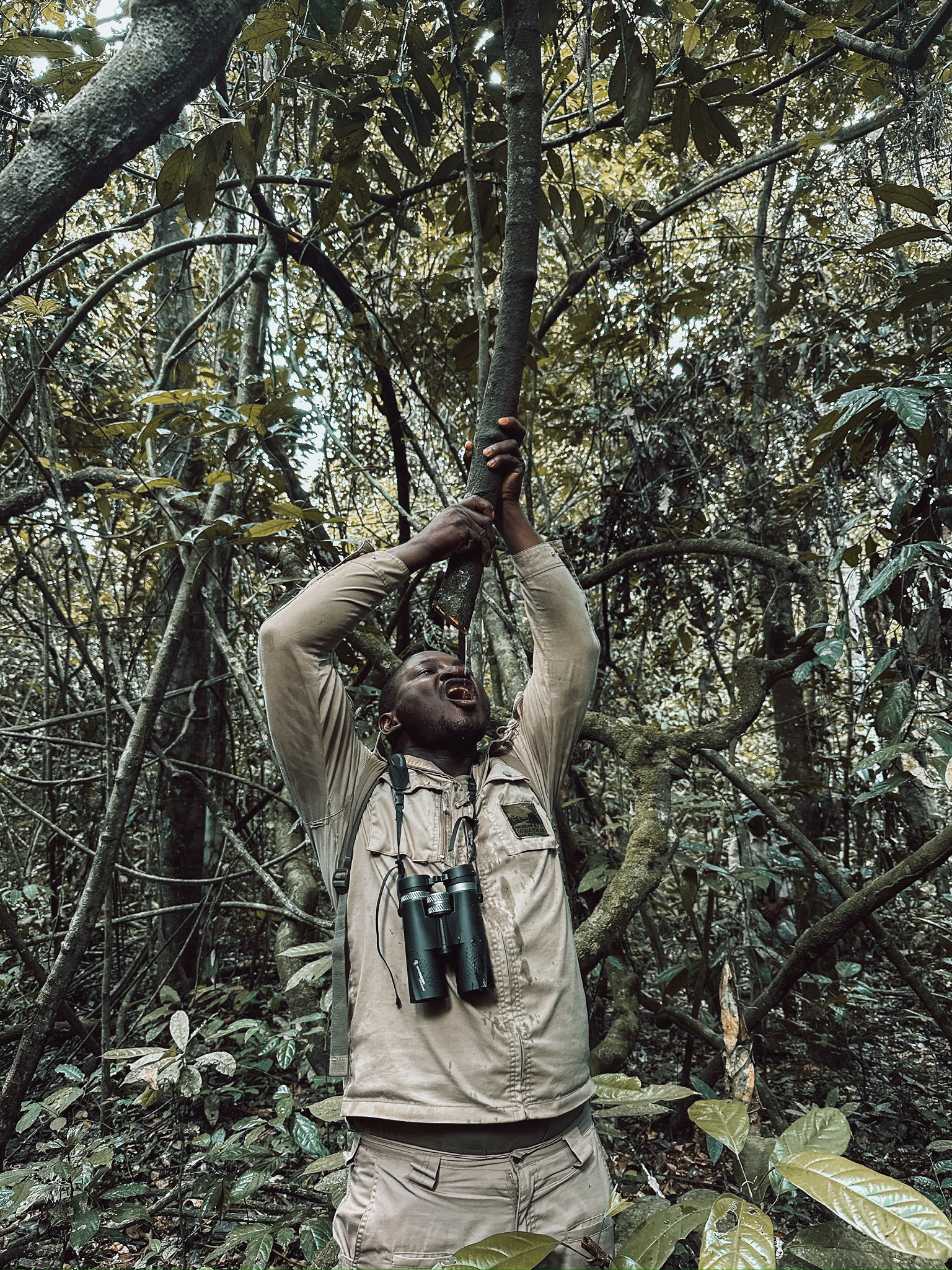
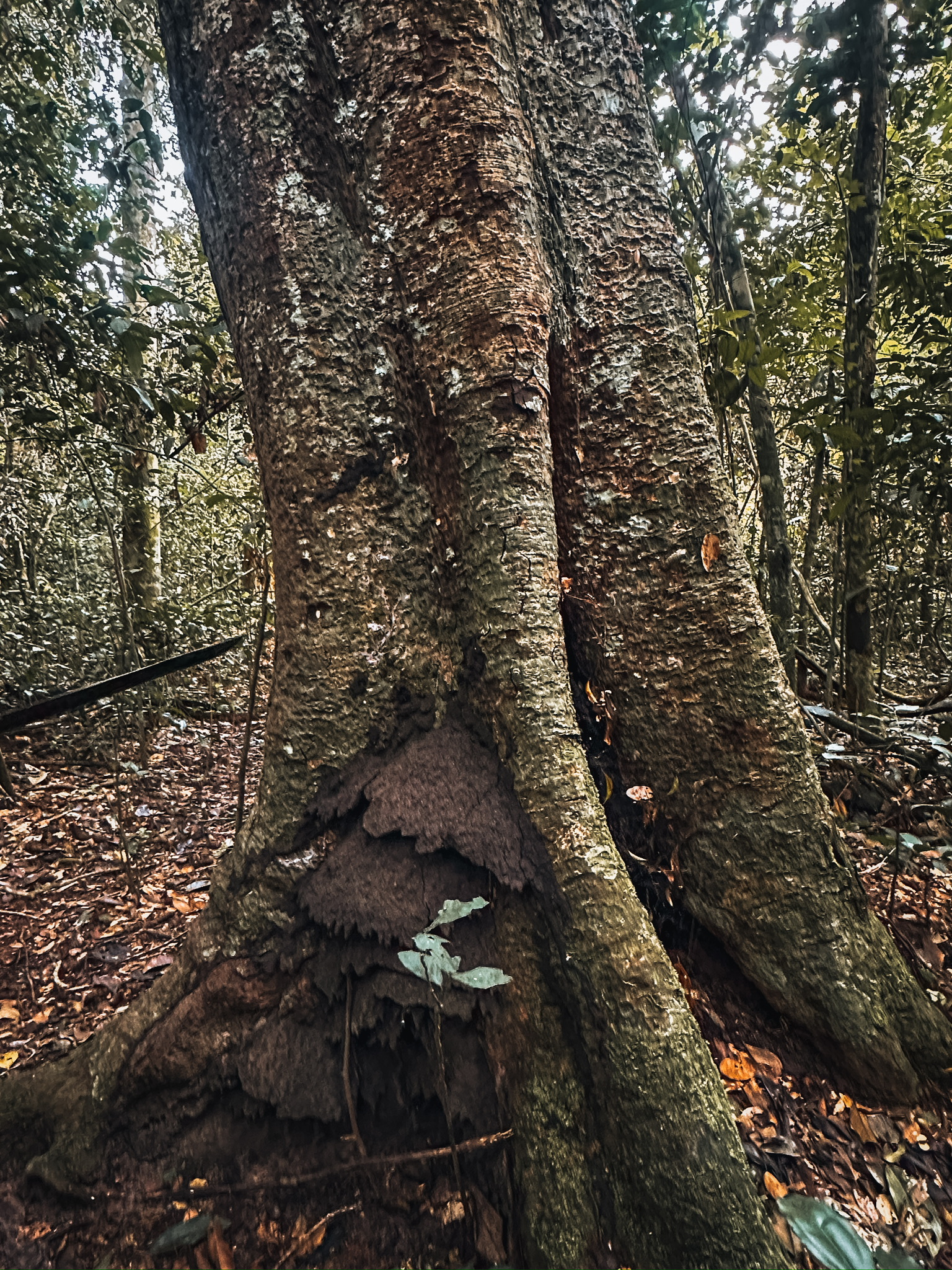
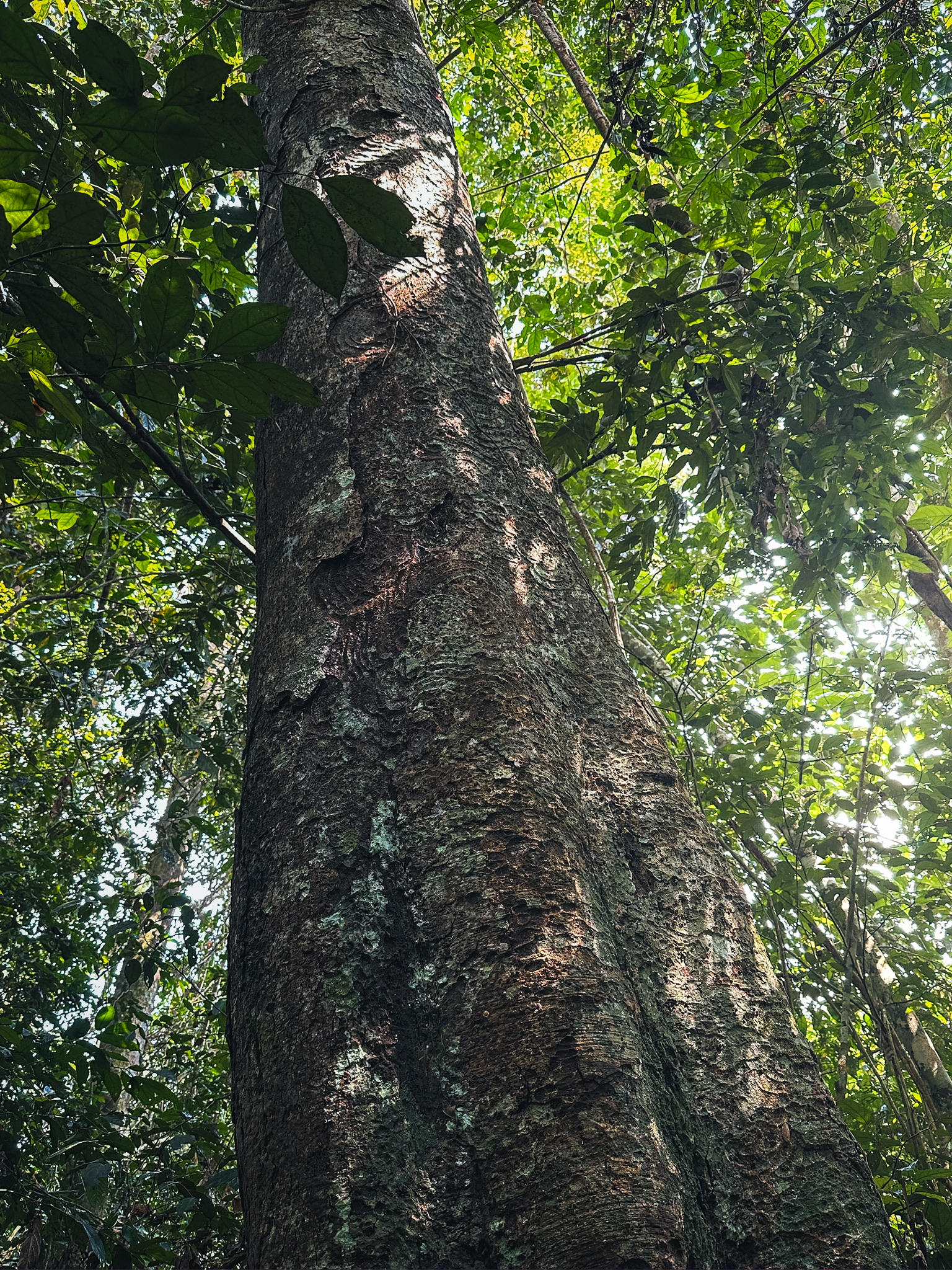
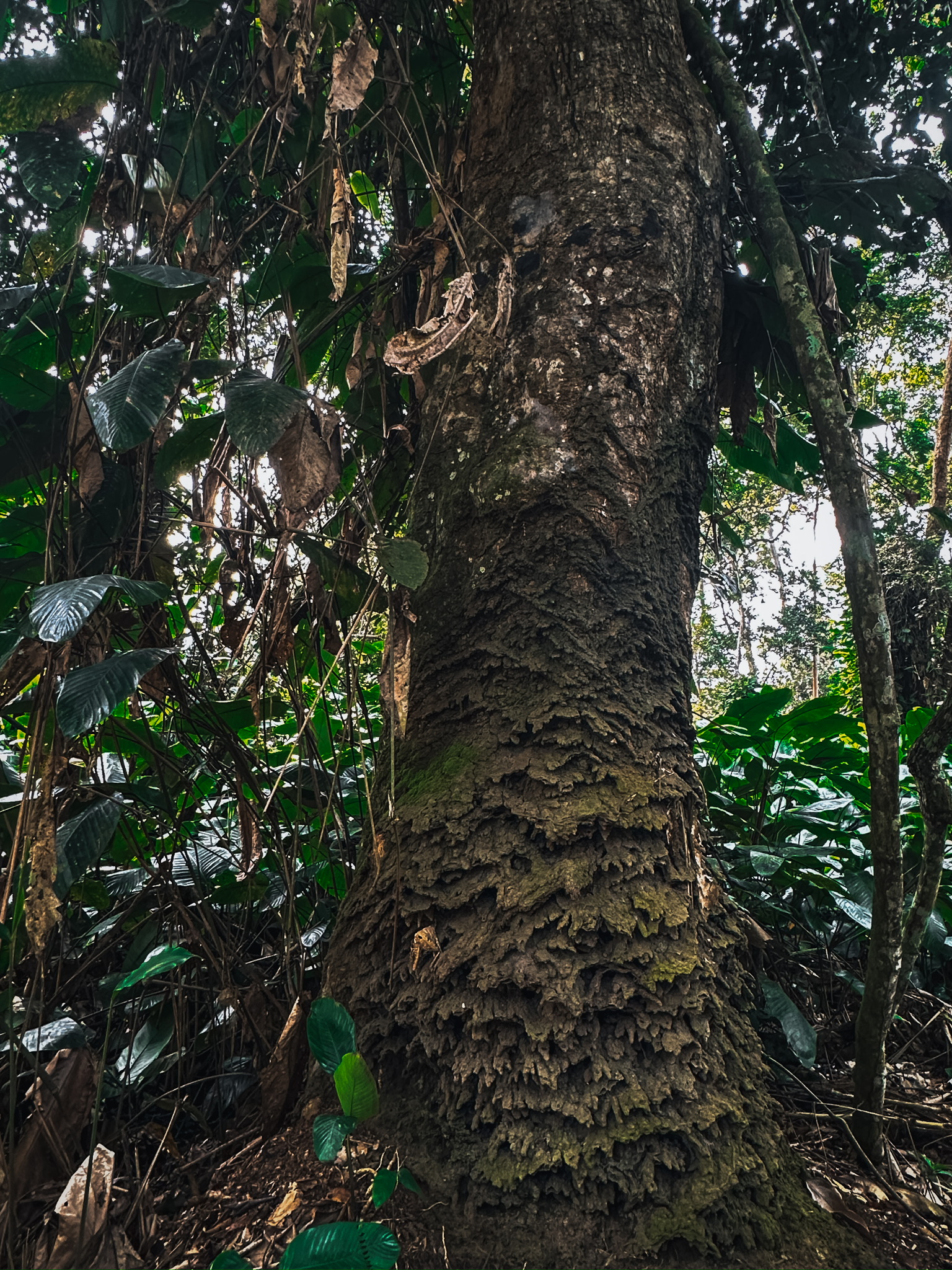
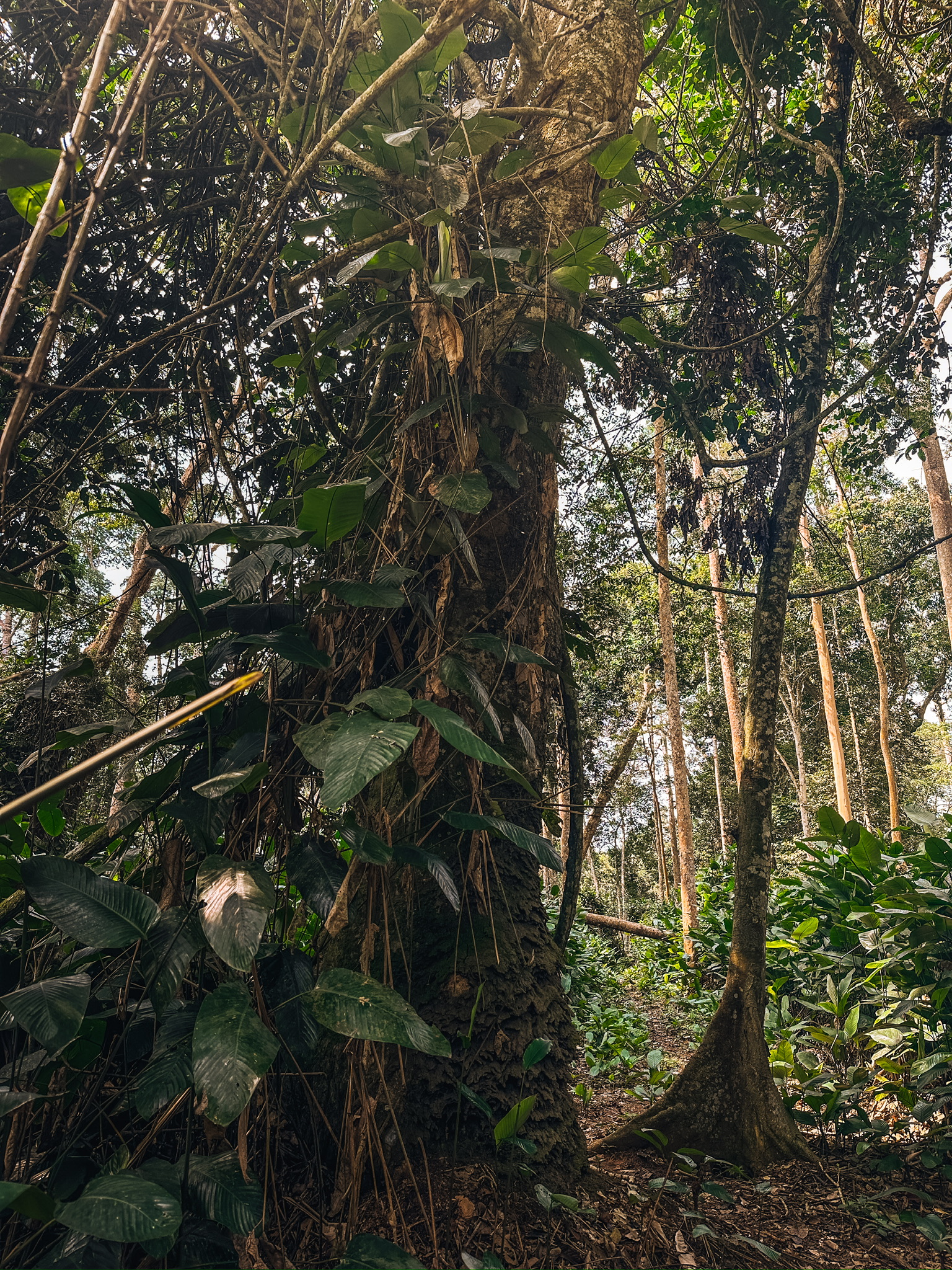
Vines twisting around trees.
Tiny things moving beneath bigger things.
And the light.
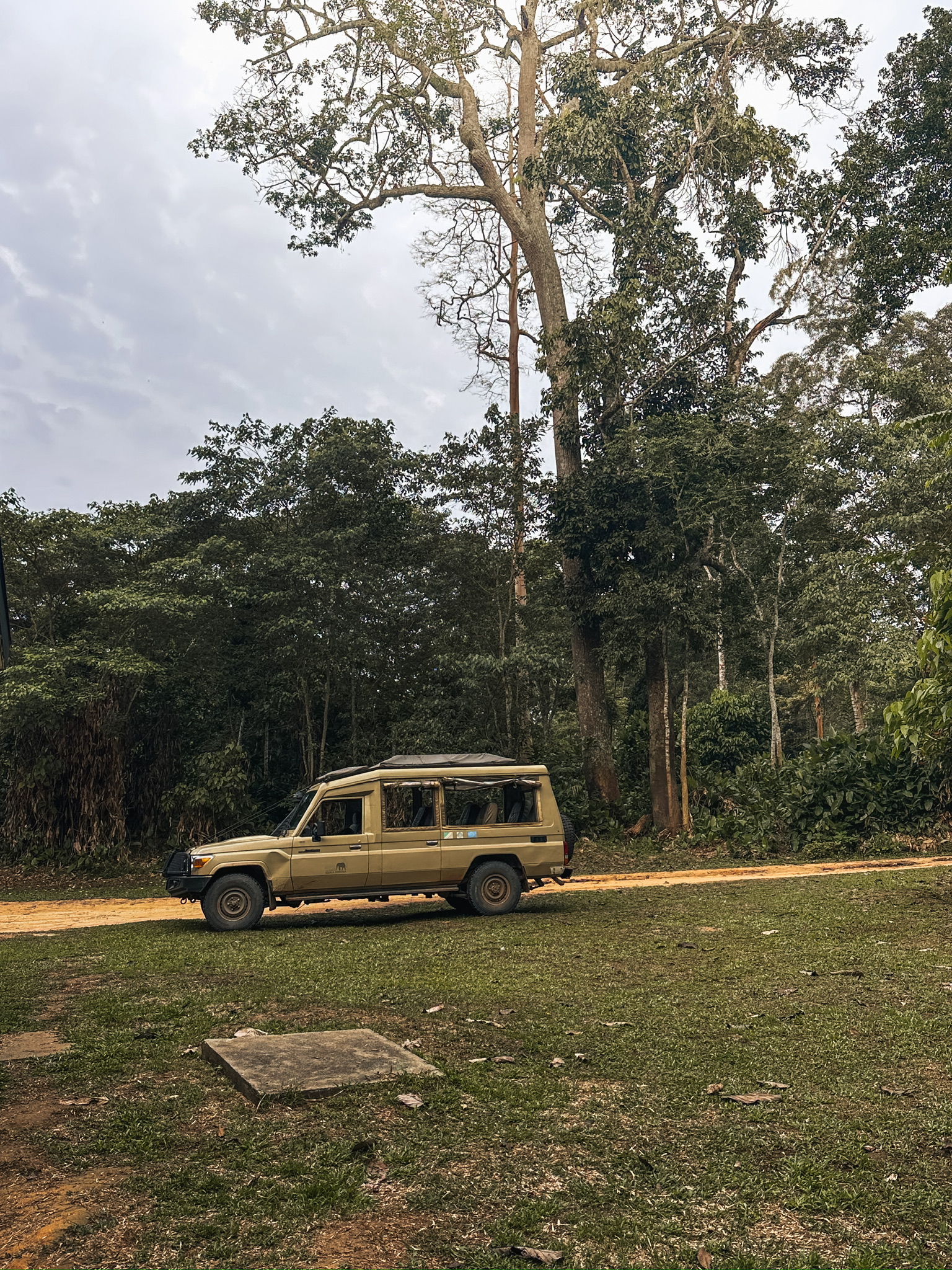
The light changes constantly.
Sometimes the forest feels bright and alive.
Sometimes it becomes almost completely green and dark.
Then the rain comes.
And everything smells different.
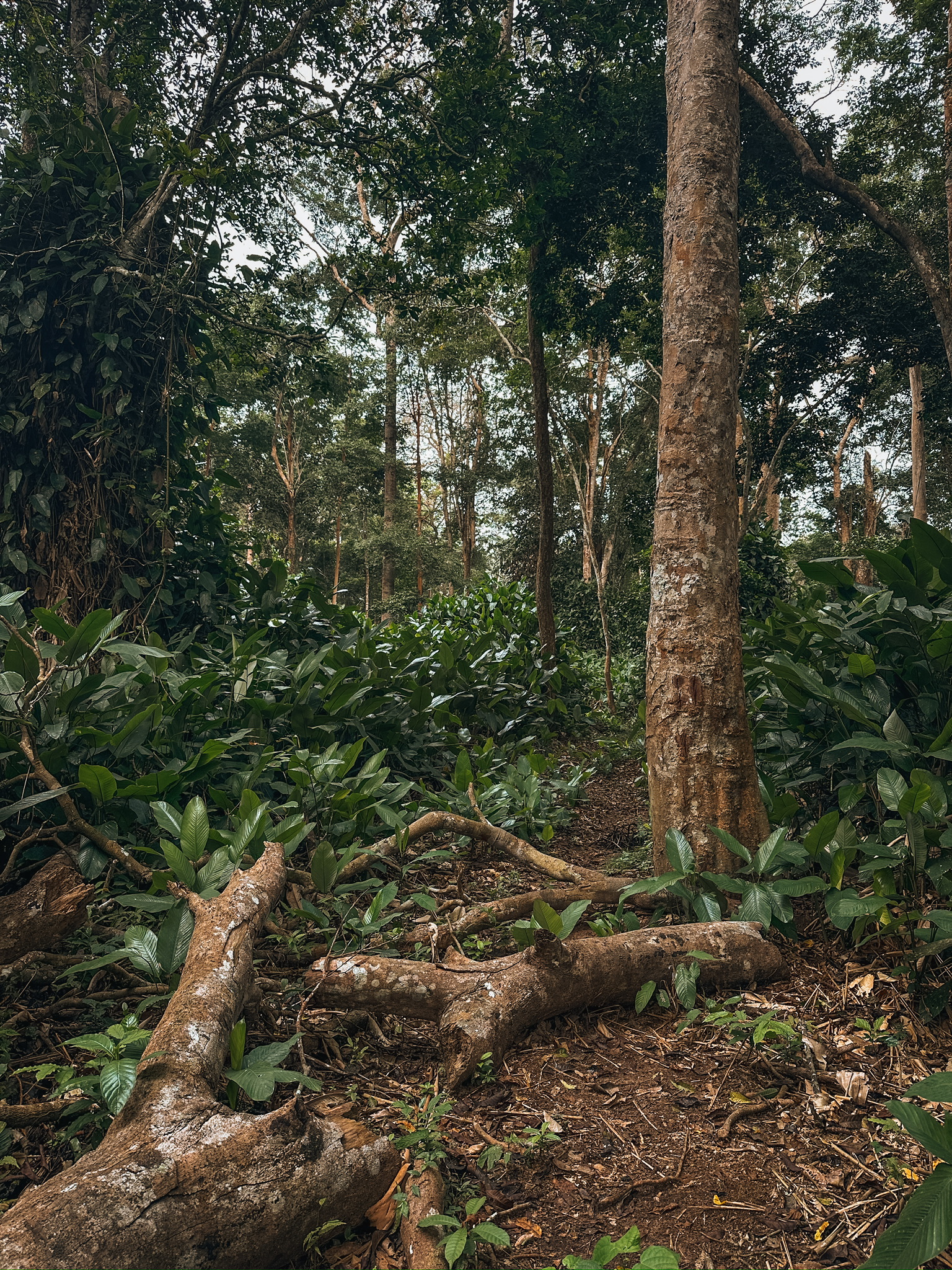
This is why I think it is a mistake to come to a place like Odzala only looking for the big animals.
The gorillas are extraordinary.
But the ecosystem that supports them is the real story.
You are standing in one of the great rainforests of the world.
It deserves your attention too.
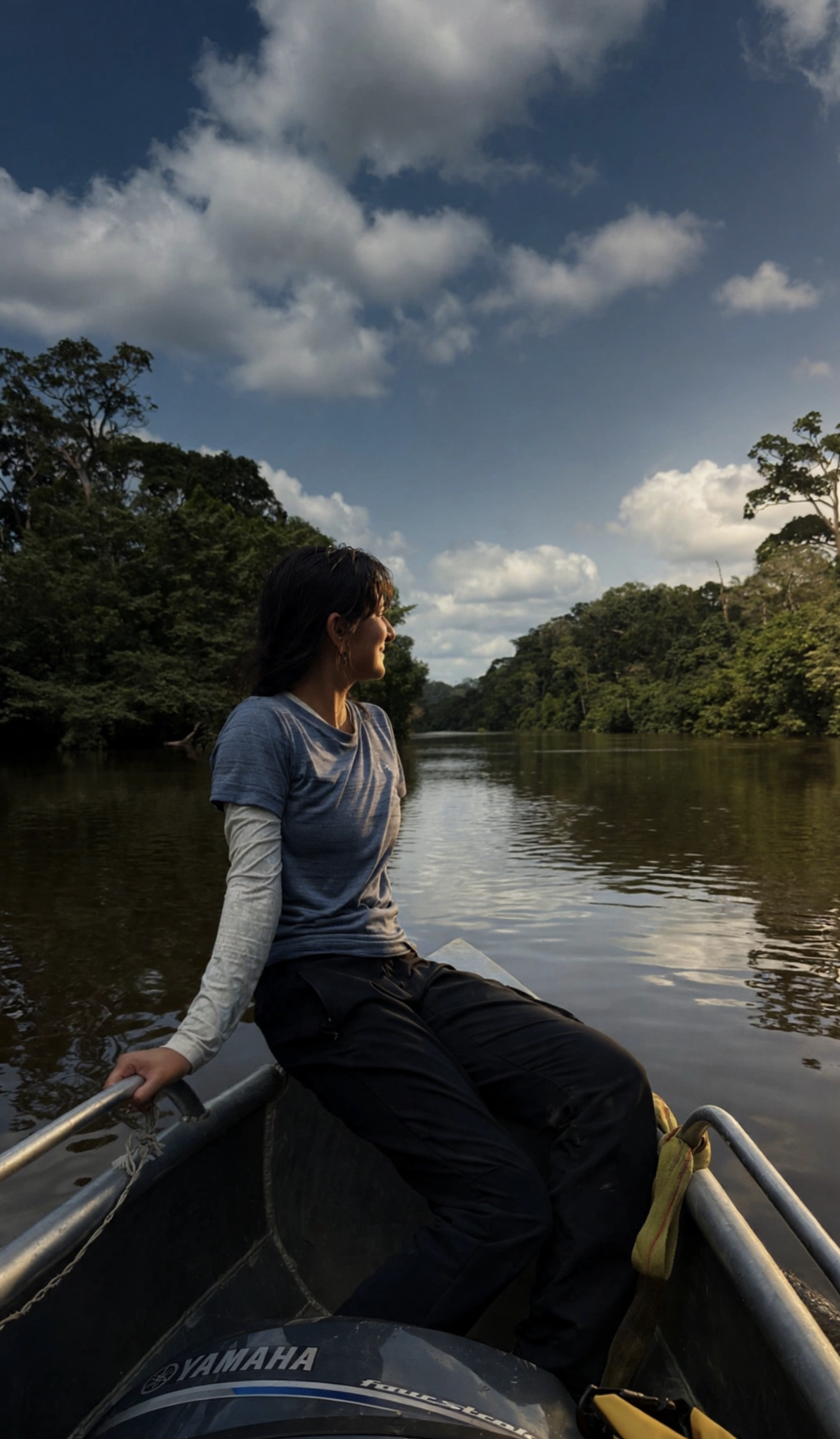
The Journey from Brazzaville to Camp Imbalanga
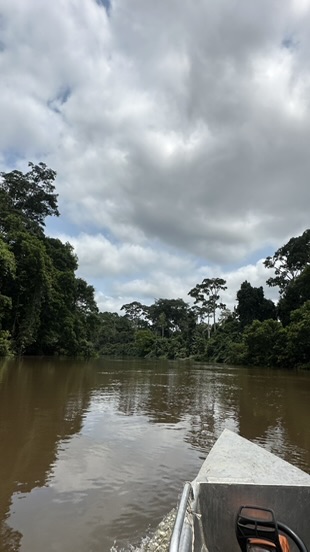
I flew to the Republic of Congo from Dubai and started the trip in Brazzaville.
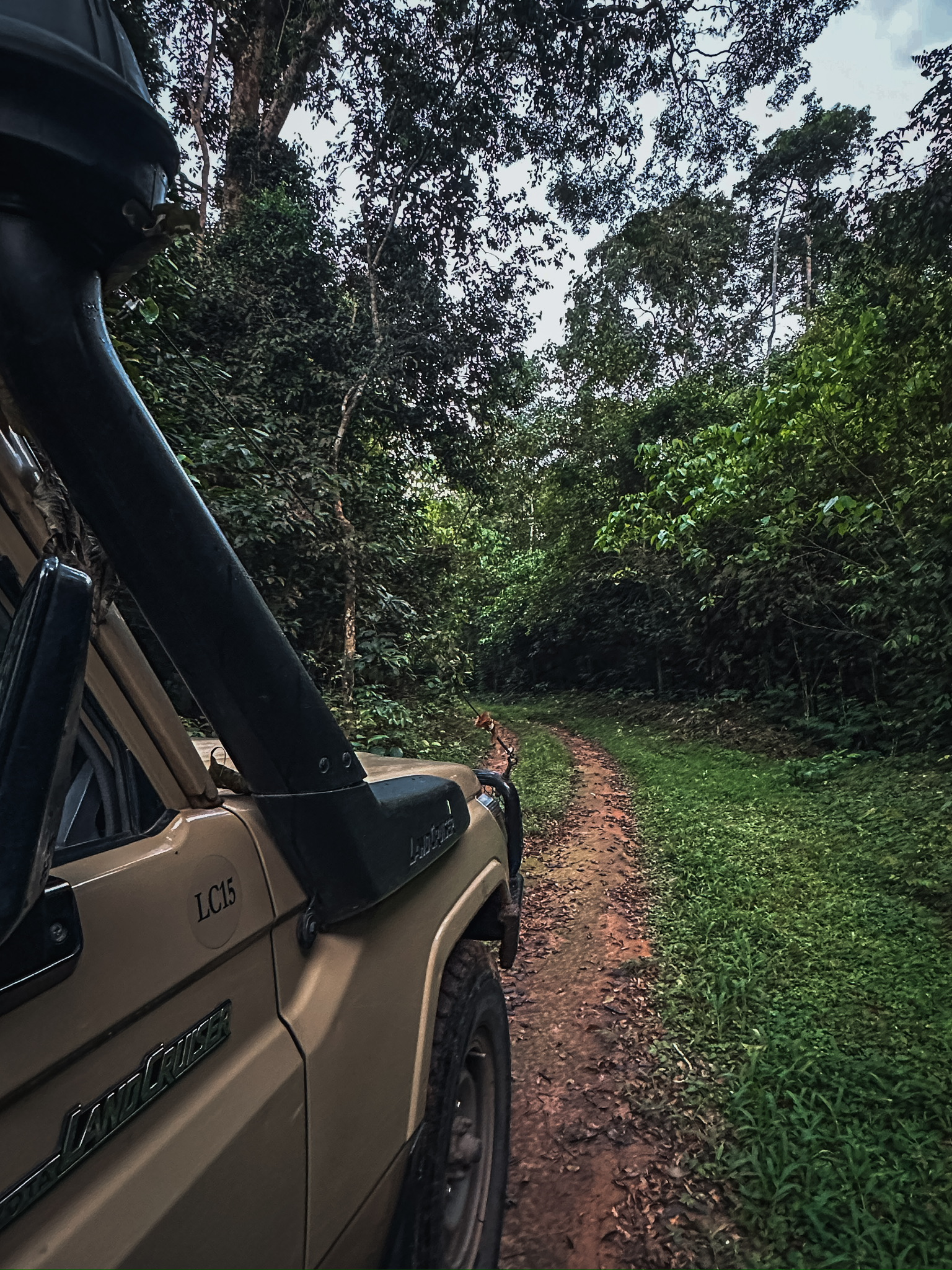
From Brazzaville, the journey to Camp Imbalanga is approximately 9–10 hours by road.
Yes, that is a long drive, but the roads were much better than I expected.
The journey is long, but it is not the rough, punishing road trip you might imagine when someone tells you that you are driving into a remote rainforest.
It is mostly on good roads, with a stop along the way.
And gradually, the landscape changes.
The city disappears. The roads become quieter. The forest takes over.
By the time you reach Camp Imbalanga, you know you have gone somewhere.
That is one of the things I liked about the experience. You don’t simply fly into a lodge and wake up in a rainforest. You travel into it.
Republic of Congo Visa for Indian Travelers
I traveled from Dubai, not India, but I traveled on an Indian passport, so this information may be particularly useful if you are planning the same journey.
For my trip, Indian travelers needed an invitation letter from the camp as well as a special letter from the Immigration Office.
The costs I paid were:
Special Immigration Office letter: US$150
Visa stamp on arrival at Immigration in Brazzaville: US$50
Total: US$200
The visa was handled by Ukuri travel prior to my arrival in Brazzaville.
These were the fees and requirements for my trip in September 2026. Immigration procedures and costs can change, so I strongly recommend confirming the current requirements with Ukuri Travel before booking flights.
I would also make the documentation one of the first things you organize.
This isn’t a destination where I would book flights and then start figuring out the paperwork.
Contact Ukuri Travel to plan your Republic of Congo trip
Where to Stay in Brazzaville
I stayed at the Radisson in Brazzaville before heading to the forest and had a great experience.
It was exactly the kind of hotel I wanted before a long journey into the bush: comfortable, straightforward and easy.
After the flight and before the 9–10 hour road journey to Camp Imbalanga, having a proper night’s rest makes sense.
I would build the Brazzaville overnight into the itinerary rather than trying to make the city-to-camp transfer immediately after arriving internationally.
My 9-Day Republic of Congo Itinerary
This was my overall structure.
Day 1 — Arrive in Brazzaville
Fly into Brazzaville from Dubai.
Stay at the Radisson and rest before the journey into Odzala.
Day 2 — Brazzaville to Camp Imbalanga
Set off for the long road journey to the camp.
Approximately 9–10 hours on the road.
Arrive at Camp Imbalanga and settle into the forest.
Day 3 — Forest and Bai
Explore the area around camp and spend time at the bai.
This is when the rhythm of the place starts to make sense.
There is no rush.
You watch.
You wait.
You see what appears.
Day 4 — Gorilla Tracking
Head deep into the forest with the trackers.
The terrain is rough and the vegetation dense.
No guaranteed sighting.
This is part of the habituation experience.
Day 5 — Wildlife and Forest
Another day of exploring the forest and spending time around the bai.
Birds, insects, plants and the possibility of larger wildlife.
Day 6 — Gorilla Tracking
Another hike into the forest with the trackers.
Still no guarantee of finding the gorillas.
This is where patience becomes very real.
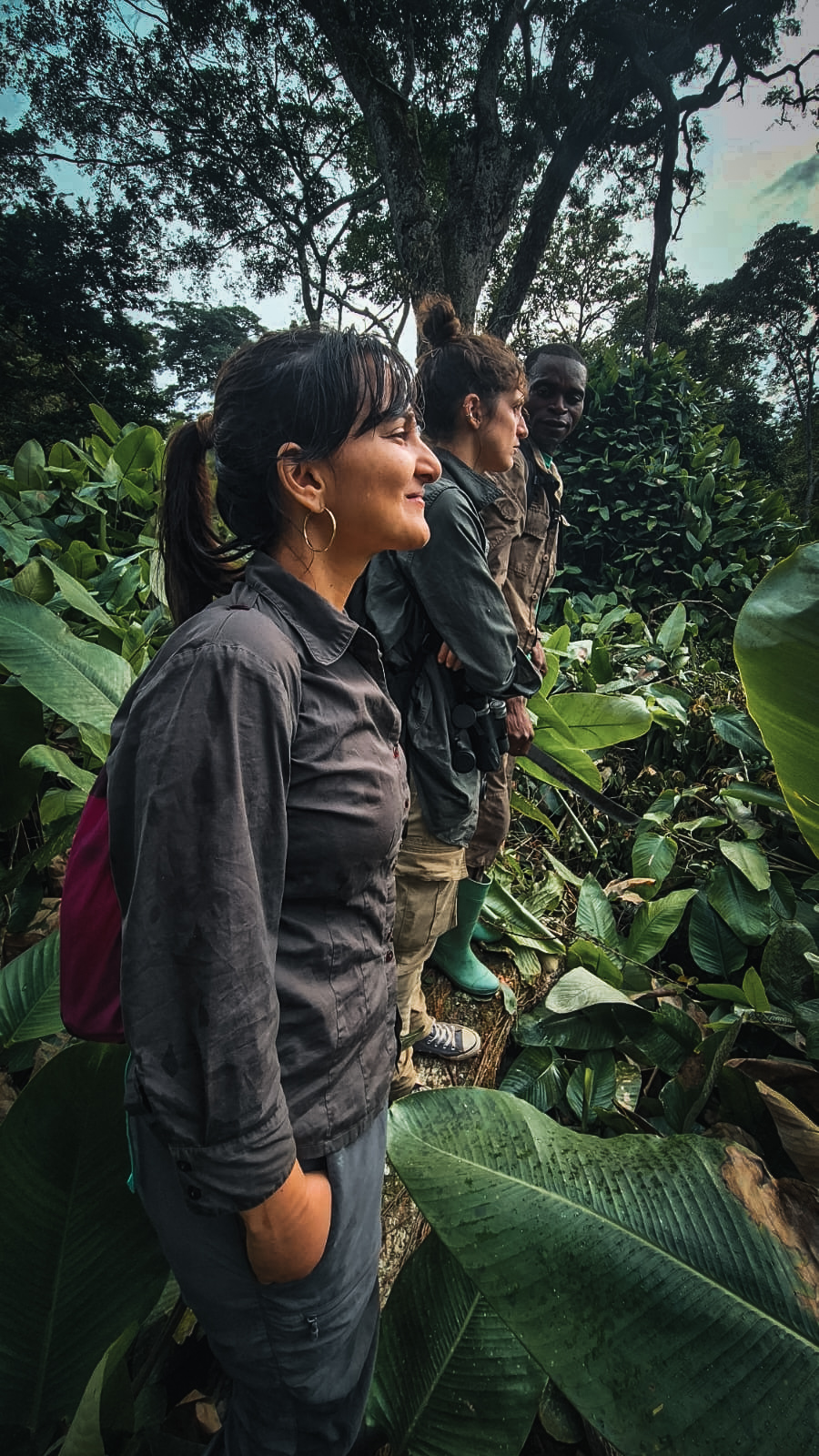
Day 7 — The Gorillas
Third hike deep into the forest.
And finally: gorillas.
Including the first gorilla I had ever seen in a tree.
Day 8 — Return to Brazzaville
Long road journey back towards Brazzaville.
Overnight in the city.
Day 9 — Departure
Depart Brazzaville.
And start wondering when you can get back into a rainforest again.
Conservation and the Gorilla Habituation Program
This part of the trip deserves more attention than it usually gets in a wildlife article.
Because the gorilla experience isn’t simply tourism.
African Parks has been working on gorilla habituation in Odzala since 2015. The process allows researchers to study gorilla behavior and movement while also helping conservation teams monitor the animals and protect them.
The current Imbalanga group is supported by a dedicated team of Congolese primatologists and trackers.
African Parks’ account of the team is particularly interesting because it shows just how much work goes into this. Trackers can spend up to eight hours a day moving through dense forest to locate the gorillas and record observations.
That changes how I think about the visitor experience.
You aren’t just going into the forest to look at gorillas.
You are seeing a small part of a much longer conservation process.
And the fact that you might not see them is actually a useful reminder of that.
The gorillas are not there for us.
We are visitors in their forest.
What to Pack for Camp Imbalanga
This is not the trip to bring your nicest safari wardrobe.
You need clothes you can actually move in.
I would pack:
- Lightweight long-sleeved shirts
- Long hiking trousers
- Good hiking shoes with proper grip
- Lightweight rain jacket
- Comfortable hiking socks
- Insect repellent
- Sunscreen
- Binoculars
- Small daypack
- Reusable water bottle
- Dry bags for electronics
- Camera equipment you are comfortable carrying
- Headlamp
- Basic personal medication
- Clothes you don’t mind getting dirty
Pack patience. You will need that more than another outfit.
Who Should Go to Camp Imbalanga?
I think this is a wonderful trip for a very specific kind of traveler.
Someone who loves wildlife but doesn’t need wildlife to perform.
Someone who likes forests.
Someone who is happy sitting quietly for a few hours.
Someone who doesn’t mind getting sweaty and muddy.
Someone who finds the idea of following animal tracks more exciting than sitting in a luxury vehicle.
Someone who is interested in conservation and wants to understand what goes into creating responsible wildlife tourism.
And someone who understands that seeing the animal is not the entire point of being in its habitat.
If you need a guaranteed gorilla sighting, I would look at a different kind of gorilla tourism experience.
If you want to participate in something much more unpredictable and conservation-focused, Camp Imbalanga is worth considering.
How to Plan a Trip to Camp Imbalanga
I traveled with Ukuri Travel, which specializes in African camps and responsible travel.
For this particular trip, I would recommend contacting Ukuri directly rather than trying to arrange everything independently.
There are too many moving parts: the camp, transfers, immigration documentation, the forest activities and the timing of the gorilla experience.
Ukuri can help plan the itinerary and arrange the Camp Imbalanga experience.
You can reach them here:
Ukuri Travel — Camp Imbalanga and African wilderness trips
I would also allow enough nights at the camp.
The more time you have, the more opportunity you have to experience the forest on its own terms.
And remember: you are not buying a gorilla sighting.
You are buying the opportunity to enter the forest and participate in an experience that may include one.
There is a difference.
Final Thoughts: The Gorilla Was the Reason I Went. The Forest Was Why I Loved It.
I went to the Republic of Congo because I wanted to see western lowland gorillas.
I left thinking about mushrooms.
And millipedes.
And birds.
And the strange sounds of the rainforest.
And the bais.
And that feeling of sitting in a treehouse with no idea what would appear next.
Of course, I will remember the gorillas.
Especially the third hike.
Especially seeing one in a tree for the first time.
But I think what made that sighting so special was everything that came before it.
The walking.
The waiting.
The uncertainty.
The fact that I could have gone home without seeing them.
After Uganda and the DRC, I didn’t need another gorilla sighting just for the sake of having another gorilla sighting.
I wanted a different experience.
Odzala gave me one.
It reminded me why I love the less obvious parts of Africa.
The places that require effort.
The places where the internet can’t quite prepare you for what it feels like to actually be there.
The places where wildlife isn’t guaranteed.
And where sometimes the most memorable part of the trip is not the animal you came to see.
It is everything around it.
For me, that is what the Republic of Congo was.
The gorillas were extraordinary. The forest was unforgettable.
Republic of Congo Travel Facts
Country: Republic of Congo / Congo-Brazzaville
National park: Odzala-Kokoua National Park
Camp: Camp Imbalanga
Trip length: 9 days
My starting point: Dubai
Passport: Indian
Brazzaville hotel: Radisson
Brazzaville → Camp Imbalanga: approximately 9–10 hours by road
Main wildlife: Western lowland gorillas, bongo, duiker, forest elephants, forest buffalo, birds and other rainforest wildlife
Signature experience: Bai wildlife viewing and gorilla habituation/tracking
Gorilla sightings: Not guaranteed
Trip difficulty: Moderate to challenging, particularly during forest tracking
Trip planner: Ukuri Travel
Conservation partner: African Parks
Useful Republic of Congo Resources
**Plan your Camp Imbalanga trip:
**Ukuri Travel
**Learn about Odzala-Kokoua National Park:
**African Parks — Odzala-Kokoua
**Learn about the gorilla habituation program:
**African Parks — Gorilla Habituation in Odzala-Kokoua
**Explore the official Odzala destination information:
**Visit Odzala-Kokoua
More from Wayfarer Footprints
If you are planning an unconventional trip through Africa, you may also enjoy my other Africa travel guides:
Explore all my Africa travel guides on Wayfarer Footprints
Read more offbeat travel stories from Wayfarer Footprints
Explore my travel guides from 100+ countries
About the Author
Ankitha Rajendaran is the author and creator behind Wayfarer Footprints. A full-time marketing professional and traveler, she has explored 100+ countries across seven continents, with a particular obsession with offbeat destinations, remote wilderness, wildlife and places that don’t come with an obvious tourist script.
Through Wayfarer Footprints, she shares detailed travel guides, visa information, personal travel stories and the realities of traveling to less conventional destinations with an Indian passport and a full-time job.
Read more about Ankitha and Wayfarer Footprints
Disclosure: My trip to the Republic of Congo was organized with Ukuri Travel at a cost. This article is based on my personal experience and observations during the trip. As always, opinions and recommendations are my own.
Cheers,
Anki
More from this region
← Browse all Africa guides