West Africa Overland: A Solo Journey Through Senegal, The Gambia, Guinea-Bissau and Guinea
Published on September 27, 2026
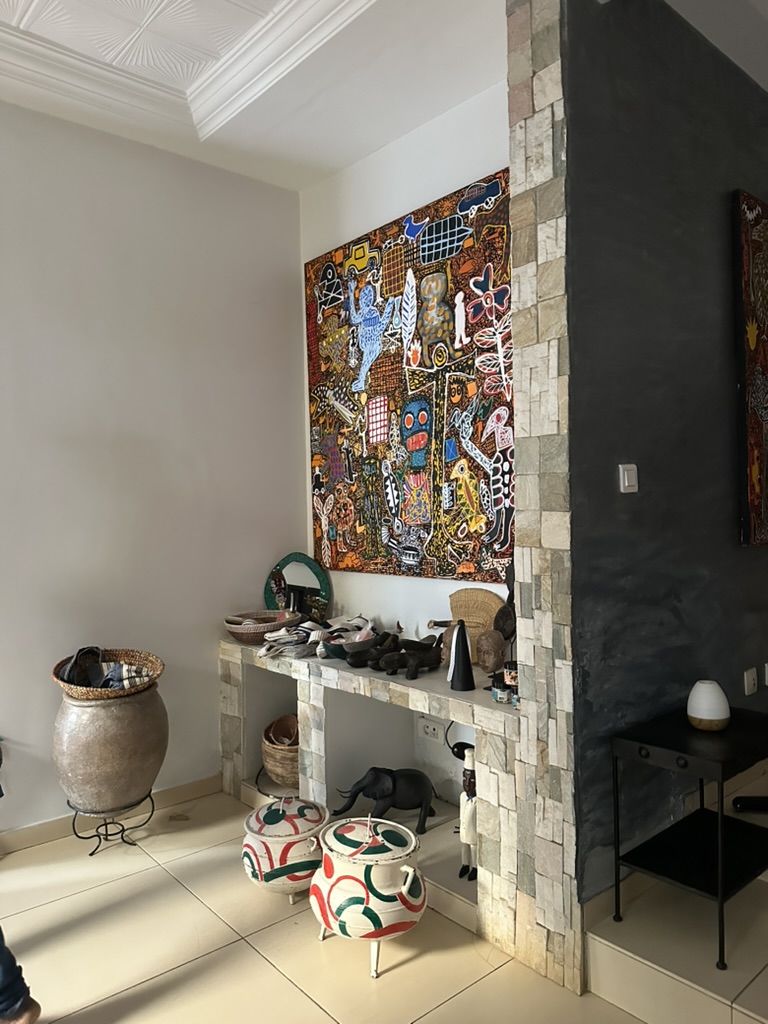
A practical West Africa travel guide for an overland journey through Senegal, The Gambia, Guinea-Bissau and Guinea
There are trips where the biggest decision you have to make is whether to book the hotel with the pool or the one with the better view.
And then there are trips where you spend a surprising amount of time figuring out which piece of paper is required at the next border.
My June 2026 trip through Senegal, The Gambia, Guinea-Bissau and Guinea was very much the second kind.
I traveled solo from Dubai, crossing four West African countries mostly by road. Guinea was the main reason for the trip, but getting there meant crossing three other countries first.
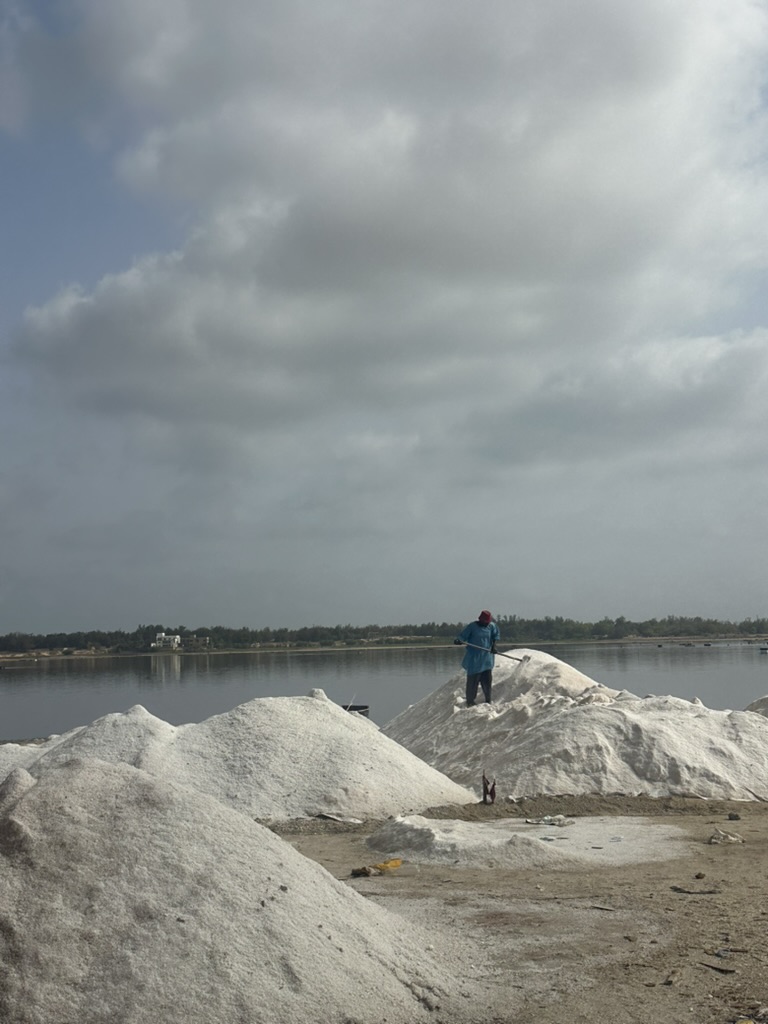
On a map, it looks wonderfully straightforward:
Senegal → The Gambia → Guinea-Bissau → Guinea
On the ground, it was a different story.
There were long drives, border crossings, unexpected paperwork, limited tourist infrastructure, unreliable internet, very little vegetarian food in parts of the journey and a few moments when I was extremely grateful that someone local knew exactly what needed to happen next.
And that is probably the most important thing I can tell you about traveling this route.
The destination is only half the trip. The logistics are the other half.
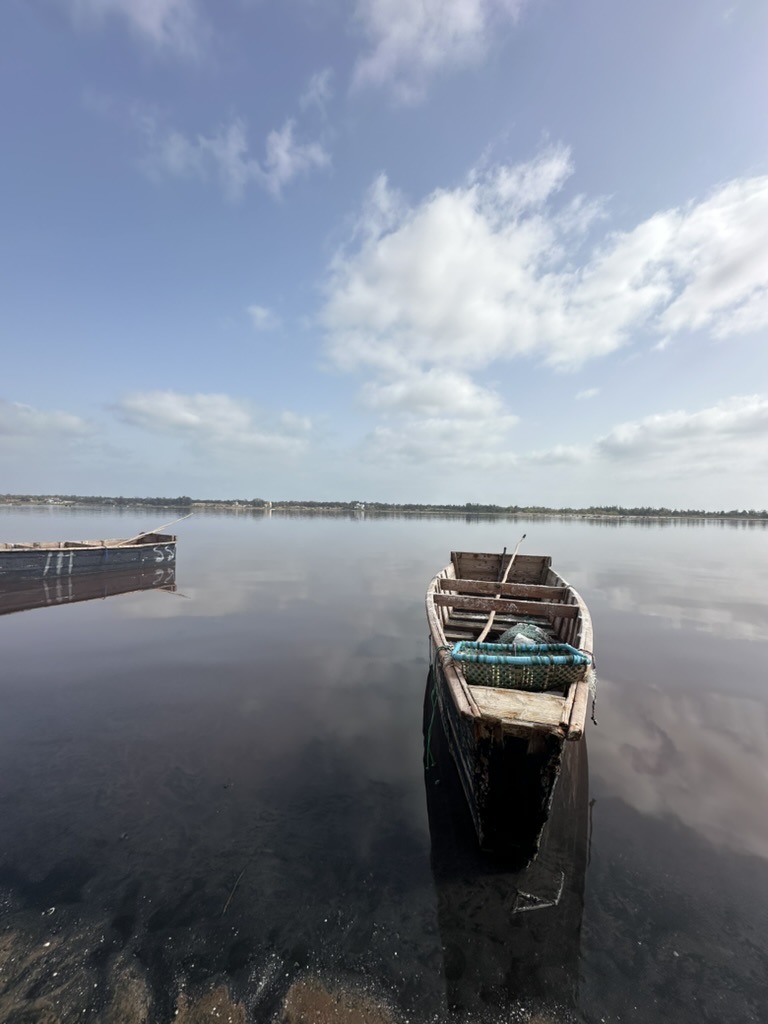
I did the route in nine days. If you are planning it yourself, though, I would build in closer to two weeks so you have some breathing room and more time in Guinea.
This is how I did it.
Why I wanted to travel through West Africa
I have now traveled to 134 countries, including 41 countries across Africa, and Africa remains one of the parts of the world I keep coming back to.
But I don’t travel through Africa because I am trying to collect the most luxurious safari experiences or find the next destination that everyone is suddenly talking about.
I like the places that make me curious.
Guinea had been on my list for a while.
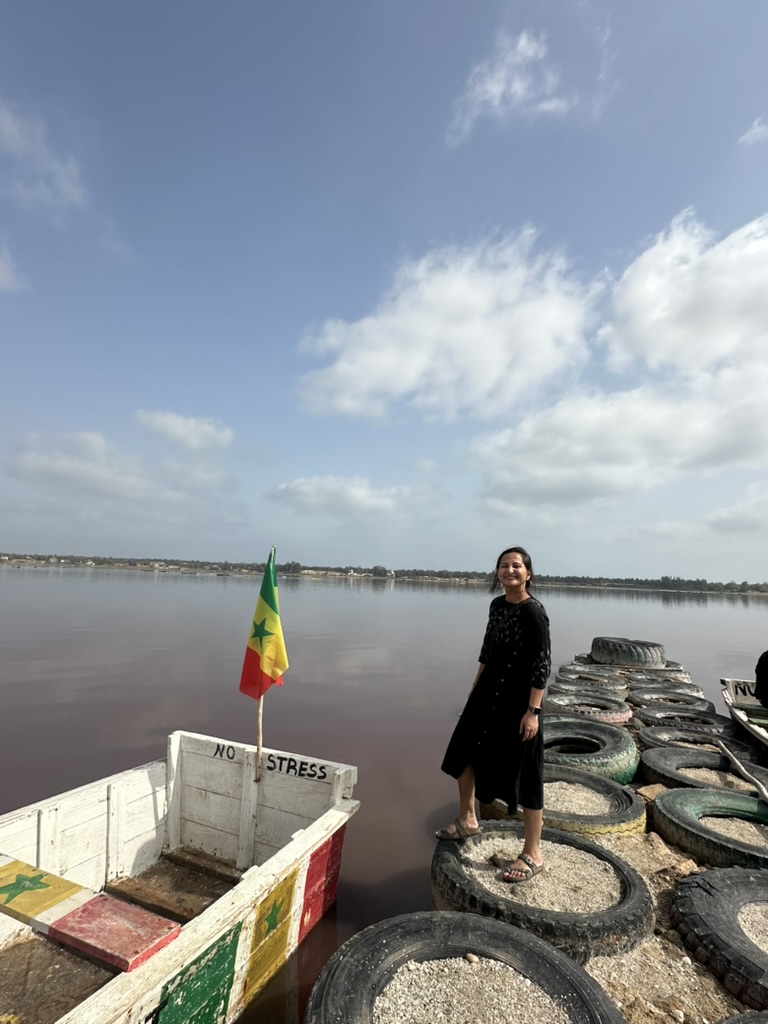
It was the main reason I planned this trip.
But getting to Guinea is not quite as simple as booking a flight, checking into a hotel in Conakry and following a standard tourist itinerary.
There is limited tourist infrastructure outside the main centers, overland journeys can be long, and the logistics can be complicated.
So instead of treating Senegal, The Gambia and Guinea-Bissau as separate trips, I decided to make them part of the journey into Guinea.
That meant traveling overland through four countries.
And it meant seeing a lot more of West Africa than I would have from an airport window.
My West Africa route
My actual trip took nine days, but I would recommend using the following as a rough two-week framework rather than trying to replicate my exact pace.
The beauty of this route is that you can add nights where you want them.
**Days 1–3: Dakar, Senegal
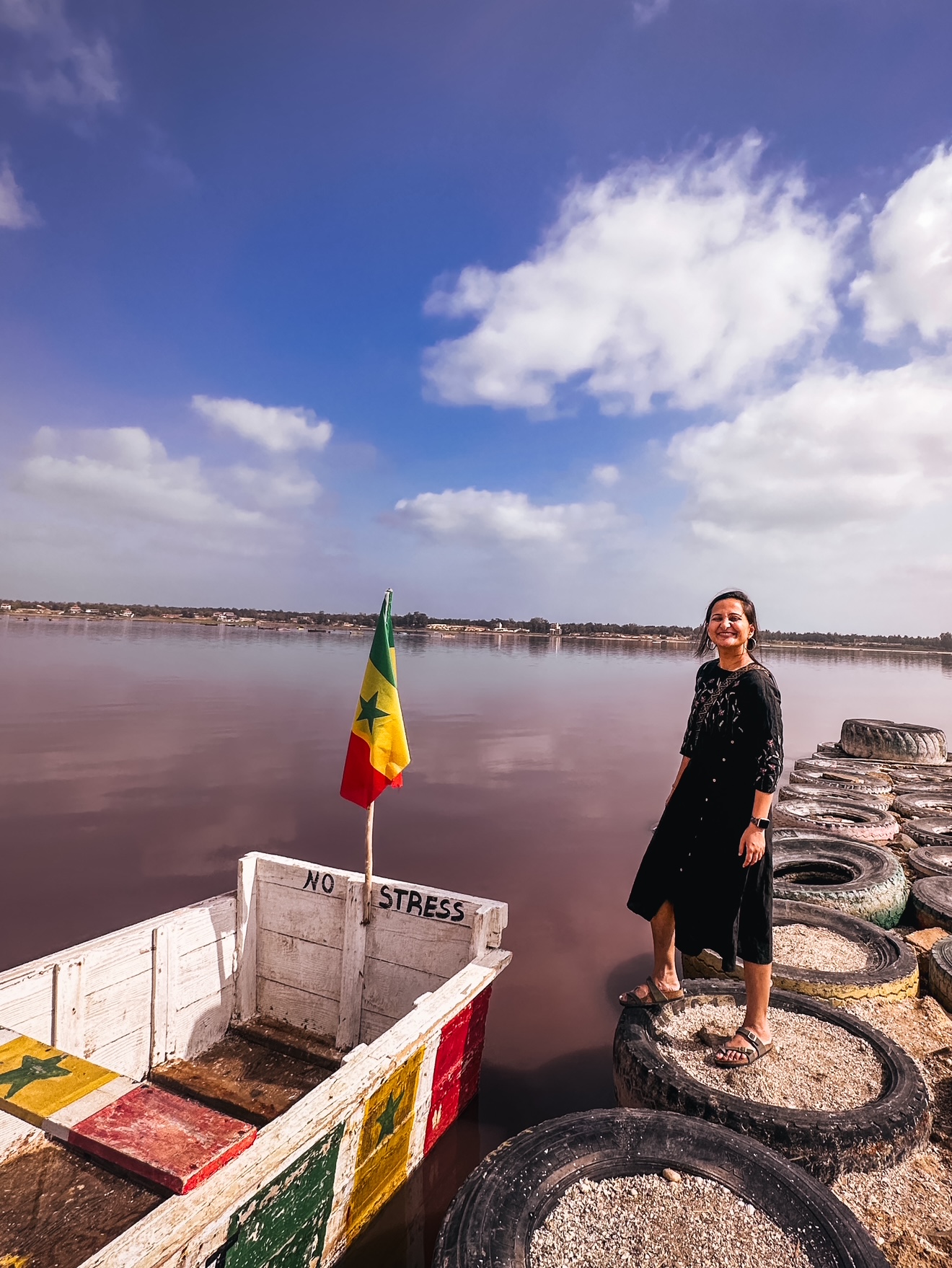
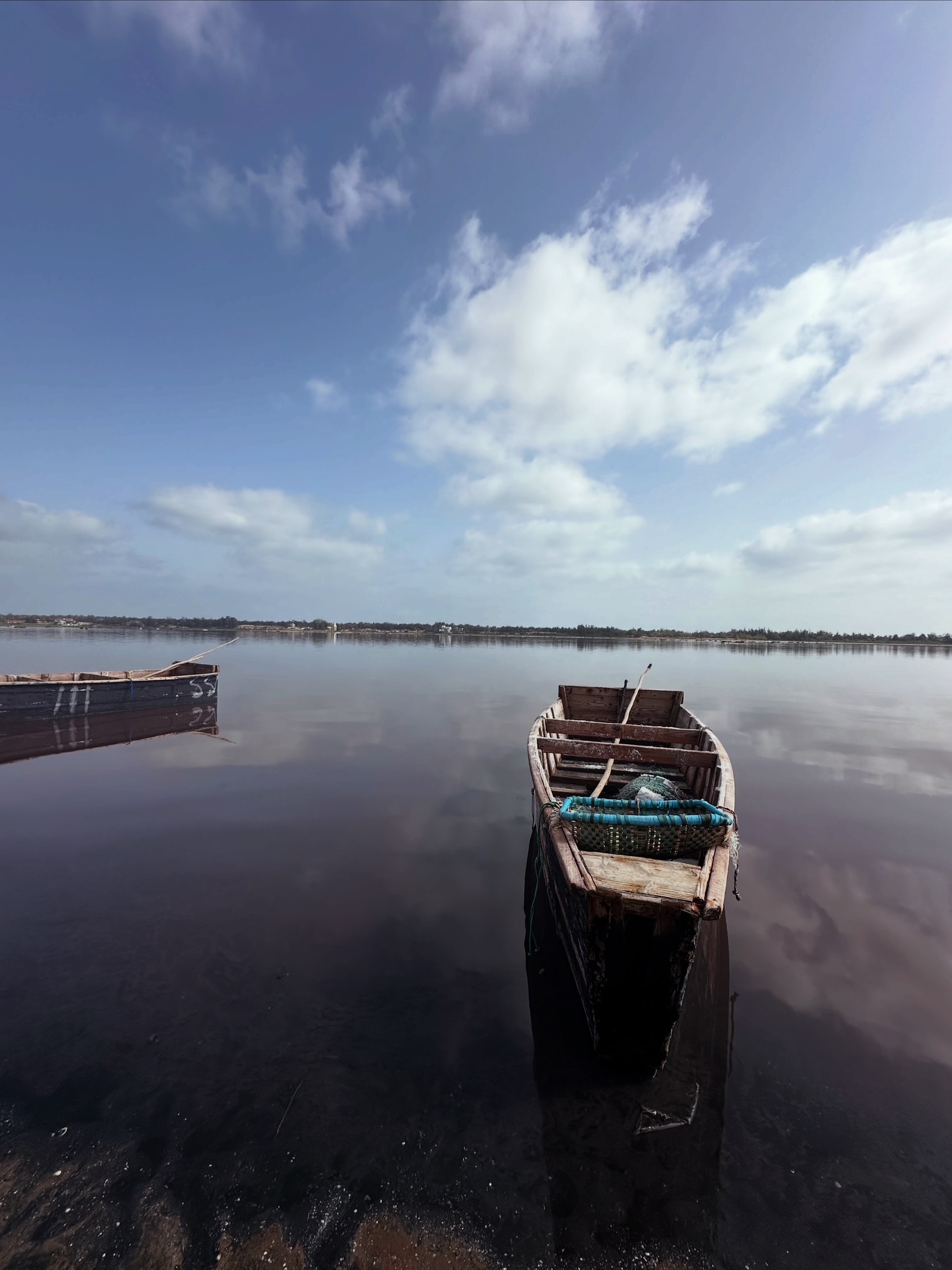
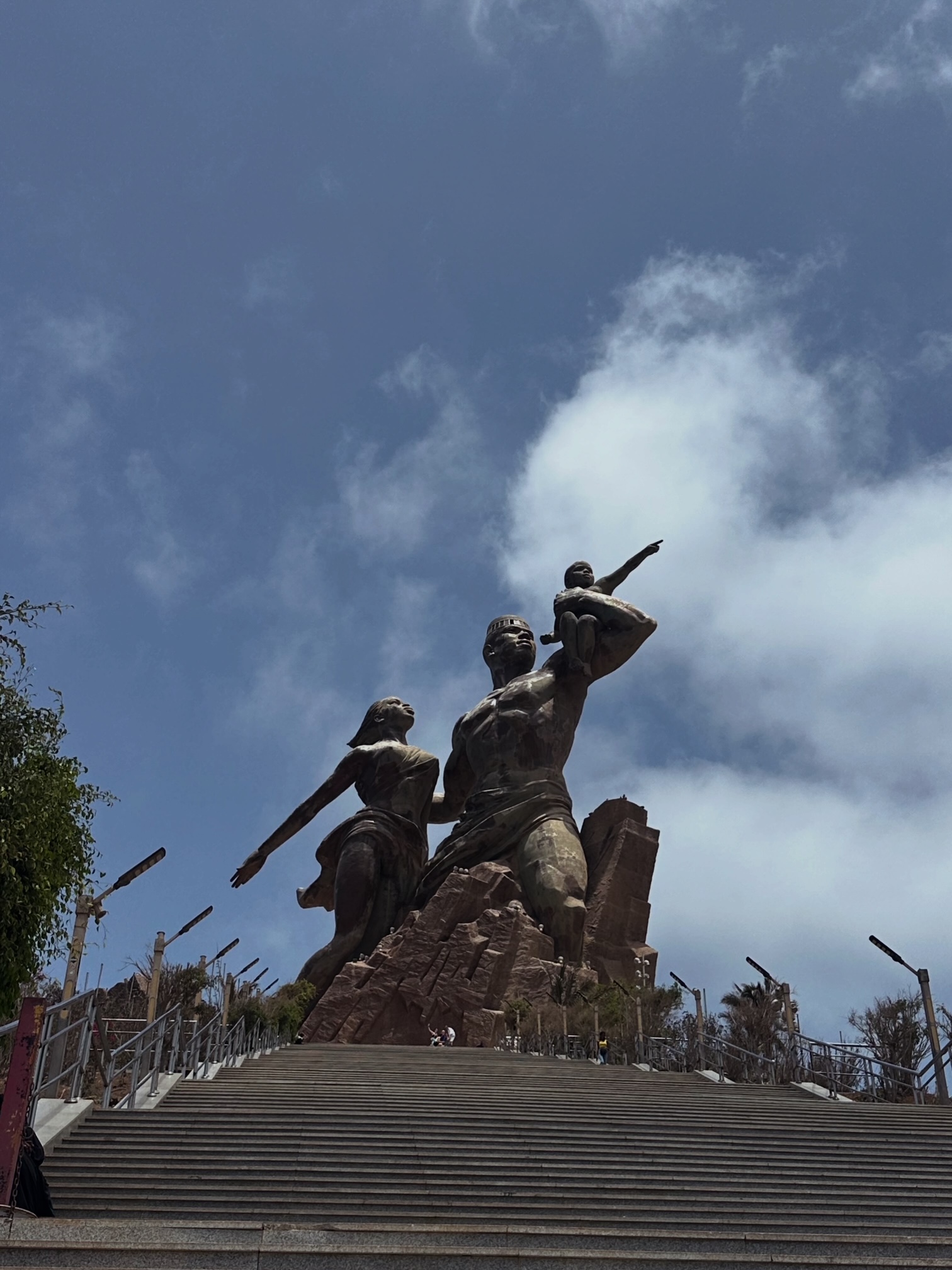
**Arrive in Dakar, explore the city, visit the African Renaissance Monument, markets and Lac Rose, and give yourself some time to settle in.
**Days 4–5: The Gambia
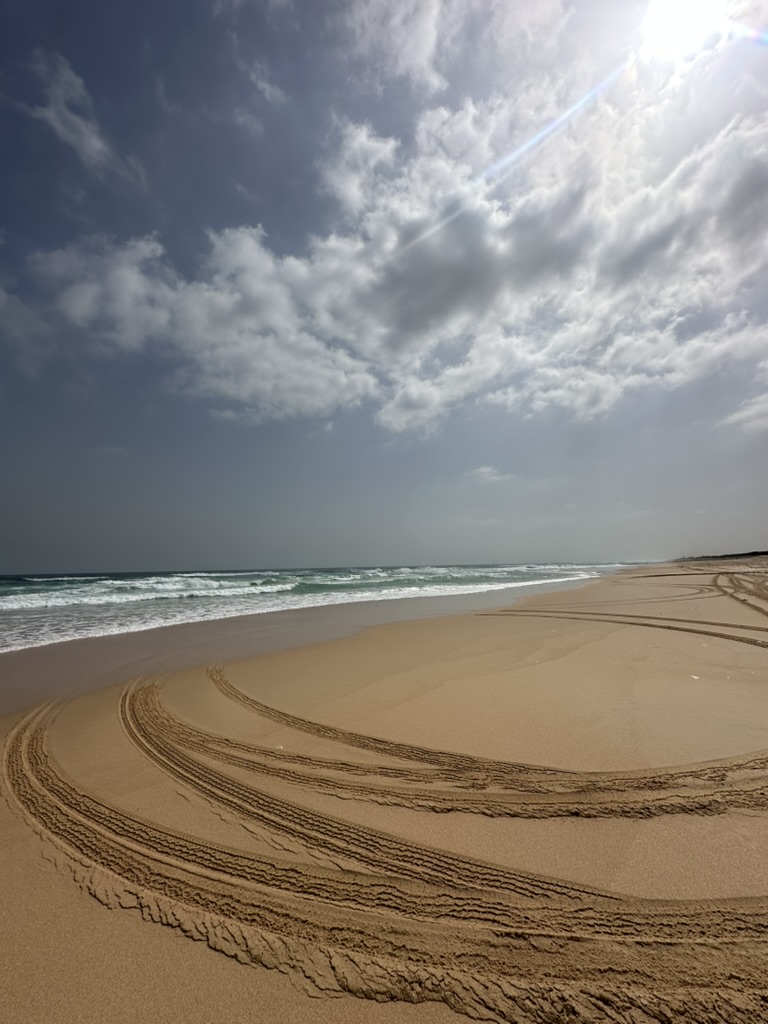
**Travel south from Senegal across the border into The Gambia and spend time around Banjul and the Atlantic coast.
**Days 6–7: Guinea-Bissau
**Continue overland into Guinea-Bissau, explore Bissau and then travel east toward Gabu.
**Days 8–12: Guinea
**Cross into Guinea and continue through Koundara, Labé and the Fouta Djallon Highlands.
**Days 13–14: Kindia and Conakry
**Travel toward Kindia, visit Bridal Veil Falls and then continue to Conakry for a short city visit before departure.
That is the version I would recommend to someone who has the flexibility.
My own trip was faster because I had a very specific objective and limited time.
If you have two weeks, use them.
There is absolutely no prize for making this trip harder than it already is.
Senegal: where the journey begins
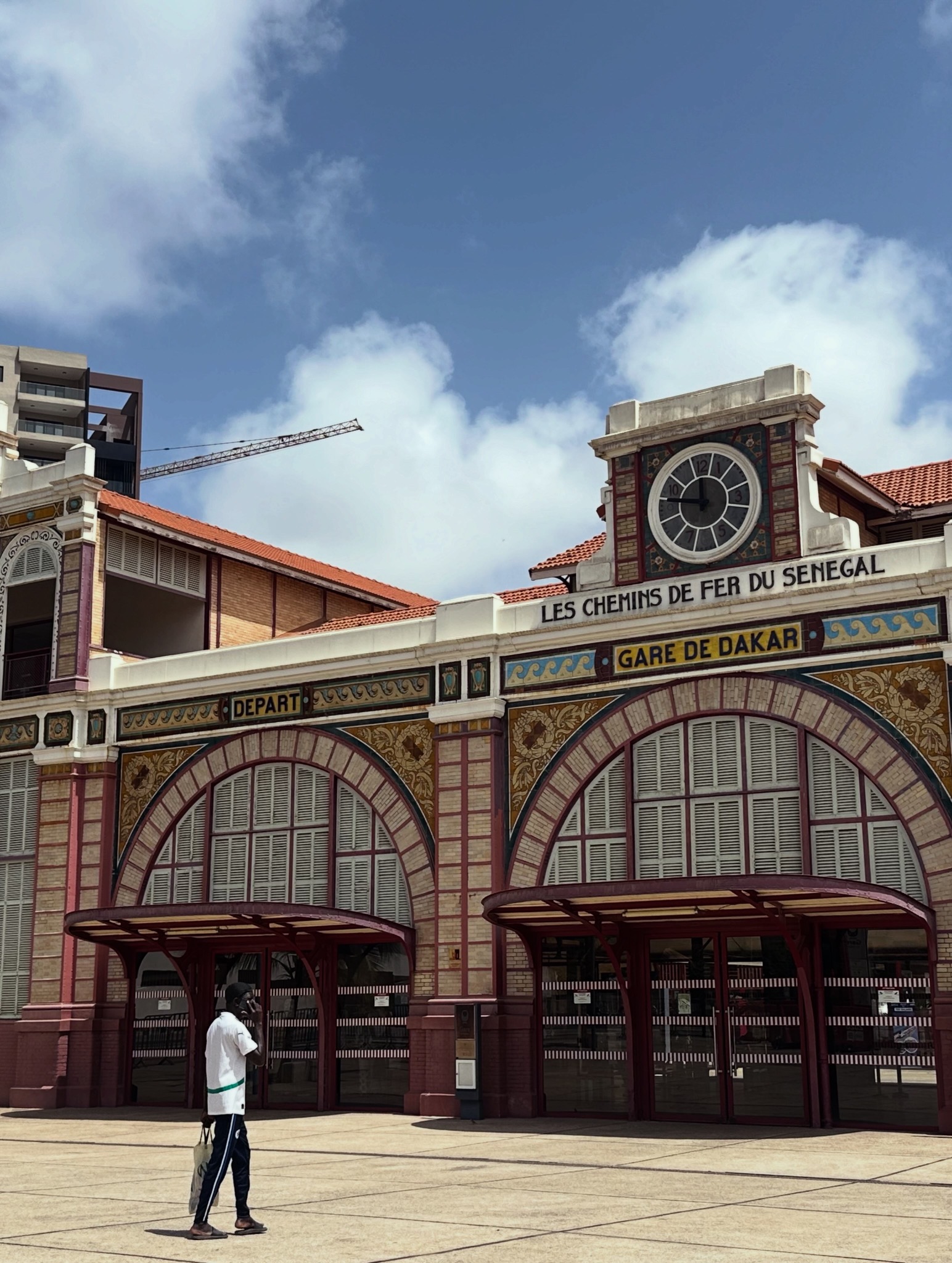
I started in Dakar.
After traveling through some of Africa’s more complicated destinations, Dakar felt relatively straightforward.
It was a good place to begin the journey because there was enough infrastructure to ease into the trip before the road crossings started.
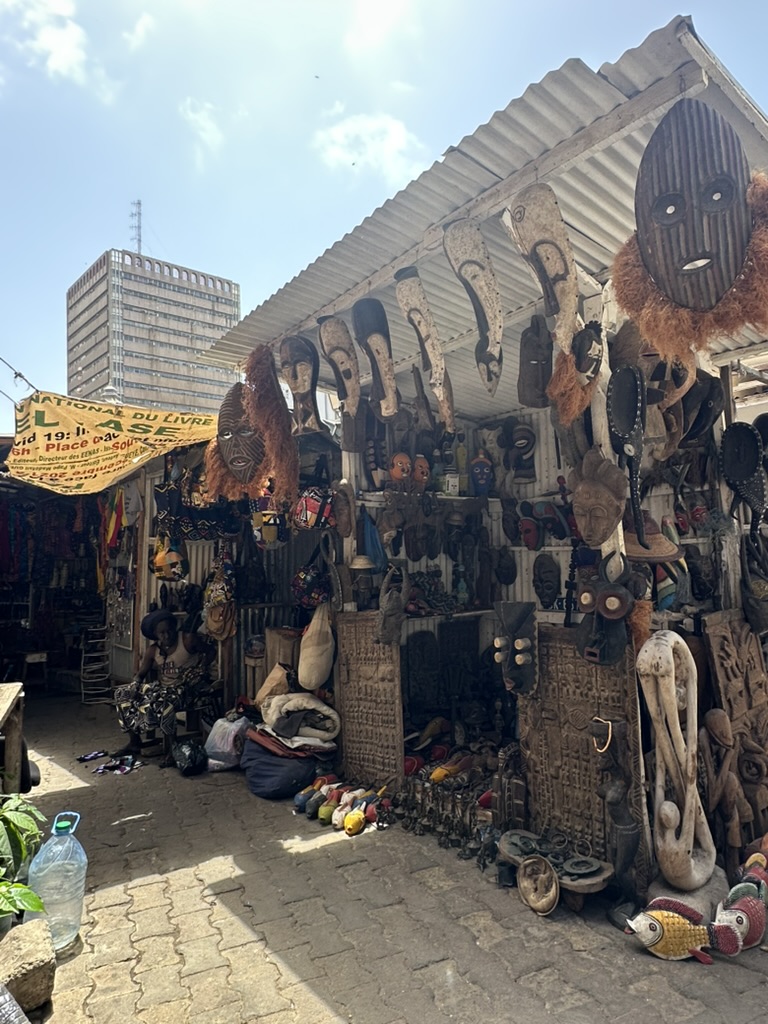
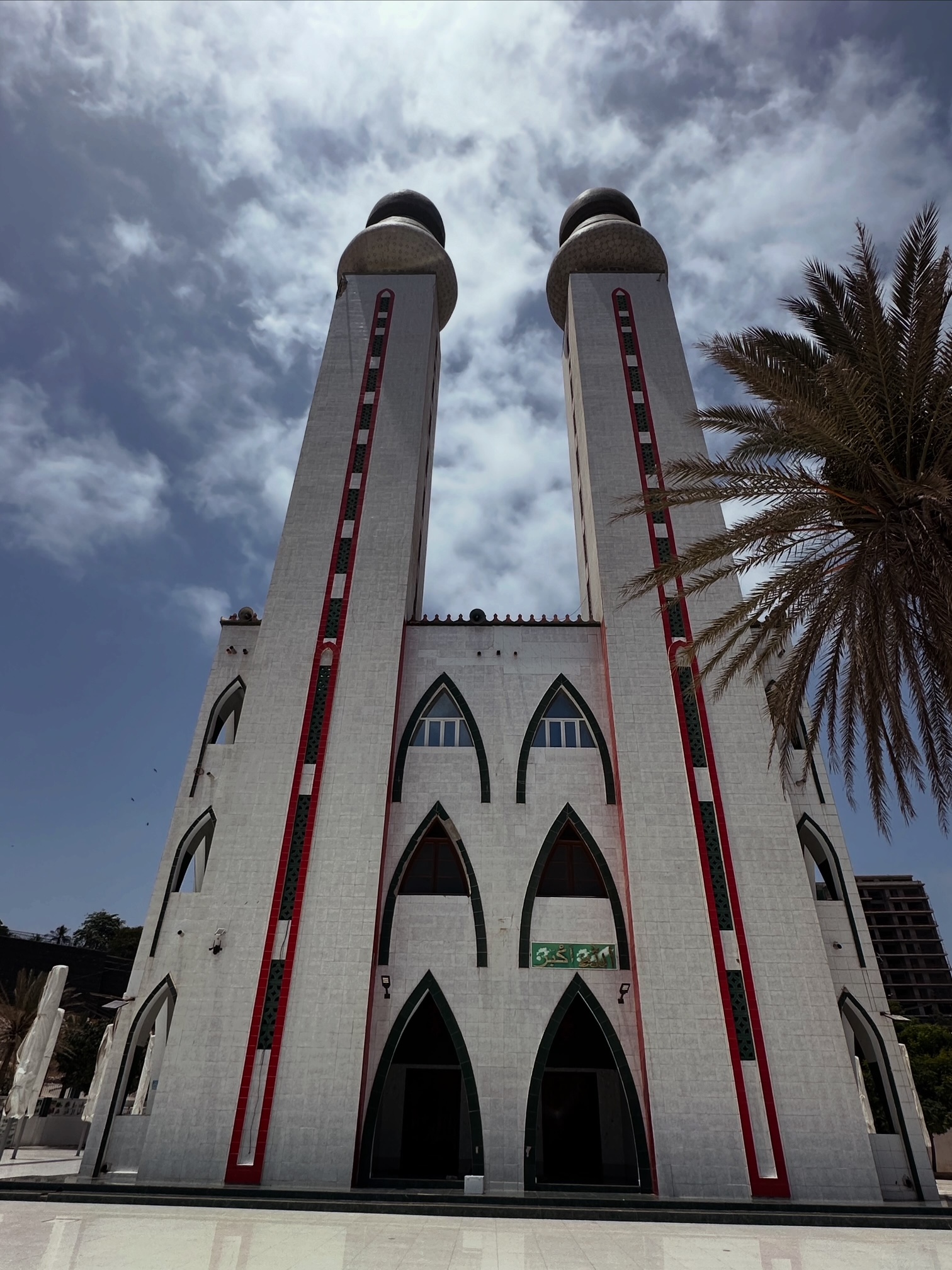
I visited Independence Square, saw the Presidential Palace from the outside, visited the African Renaissance Monument, explored local markets and craft areas, and then headed out to Lac Rose.
Dakar also gave me a chance to settle into the rhythm of West Africa before we started moving between countries.
For Indian travelers, it is worth checking Senegal’s current entry requirements directly before departure. As of my September 2026 update, Senegal’s official information and India’s Ministry of External Affairs list Indian ordinary passport holders as visa-exempt for stays of up to 90 days.
Entry rules change, and West Africa is absolutely not the region where I would rely on a three-year-old blog post for visa information.
Crossing from Senegal into The Gambia
The next stage was the road south from Dakar toward The Gambia.
This was when the trip started to feel less like a conventional vacation and more like an actual overland journey.
The Gambia is geographically unusual. It is almost completely surrounded by Senegal, with the Gambia River running through the country.
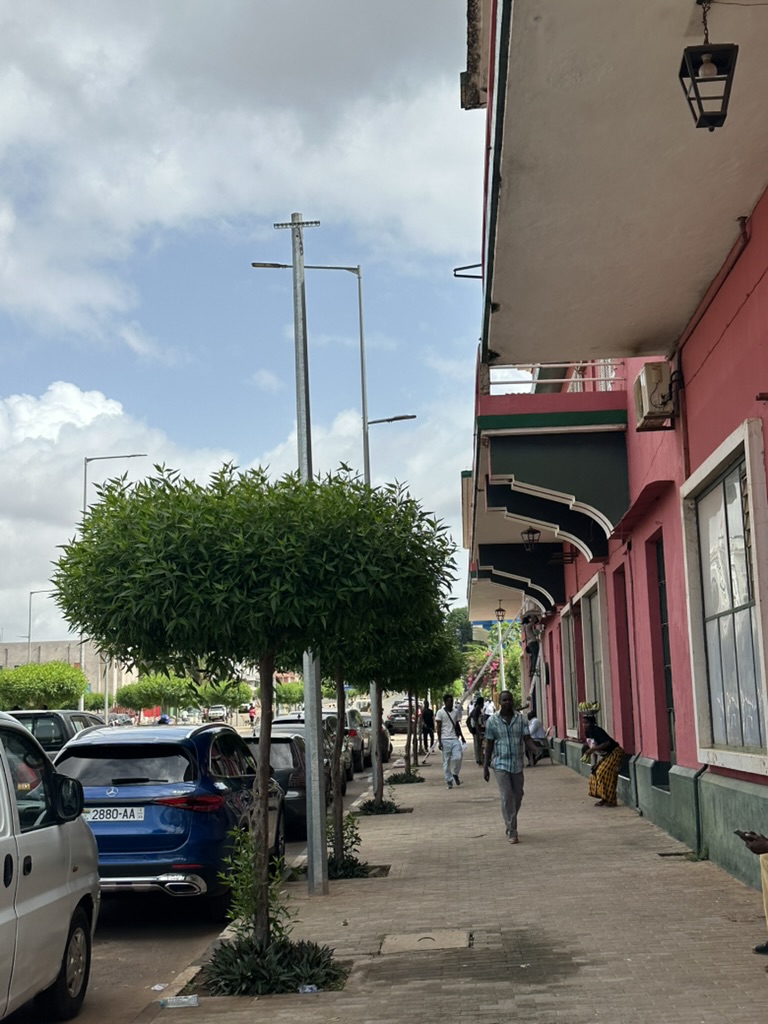
We crossed the Senegal–Gambia border and continued toward Banjul.
In Banjul, I visited Arch 22, Albert Market and the National Museum, with some time along the Atlantic coast.
The Gambia was not the primary reason I had planned the trip, but I am glad I traveled through it rather than simply flying over it.
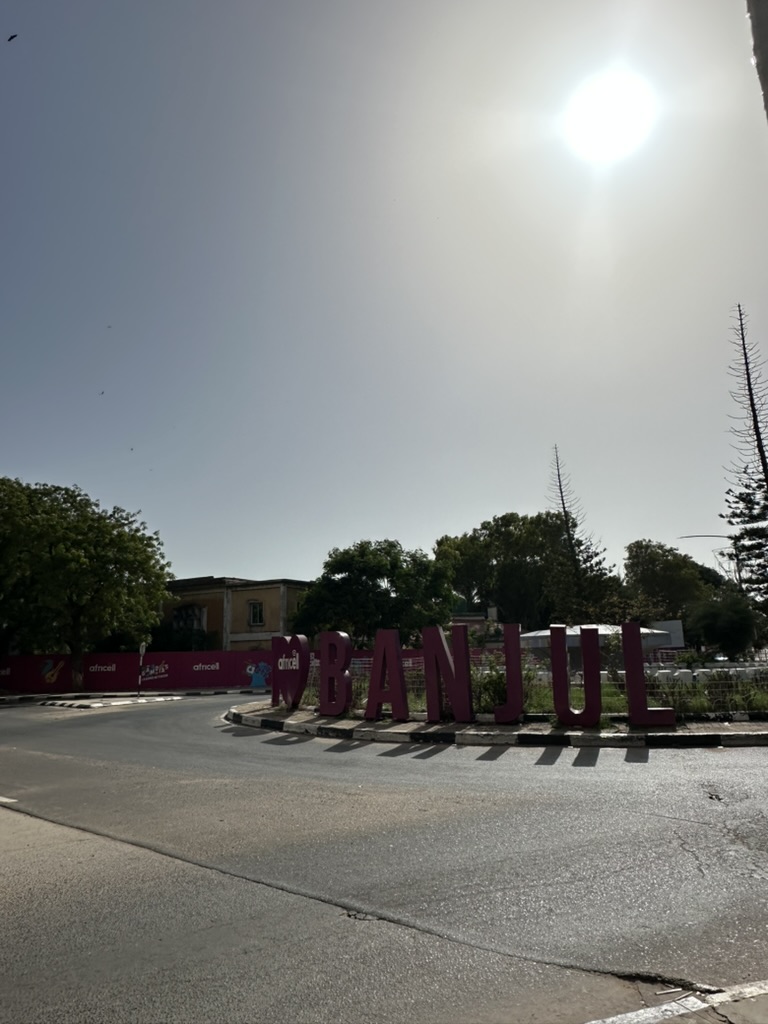
One of the things I like about overland travel is that countries stop feeling like isolated dots on a map.
You see the transition.
You see the road.
You see the villages and markets between the places that make it onto an itinerary.
Guinea-Bissau: the road becomes part of the trip
From The Gambia, we continued toward Guinea-Bissau.
Bissau felt very different from Dakar.
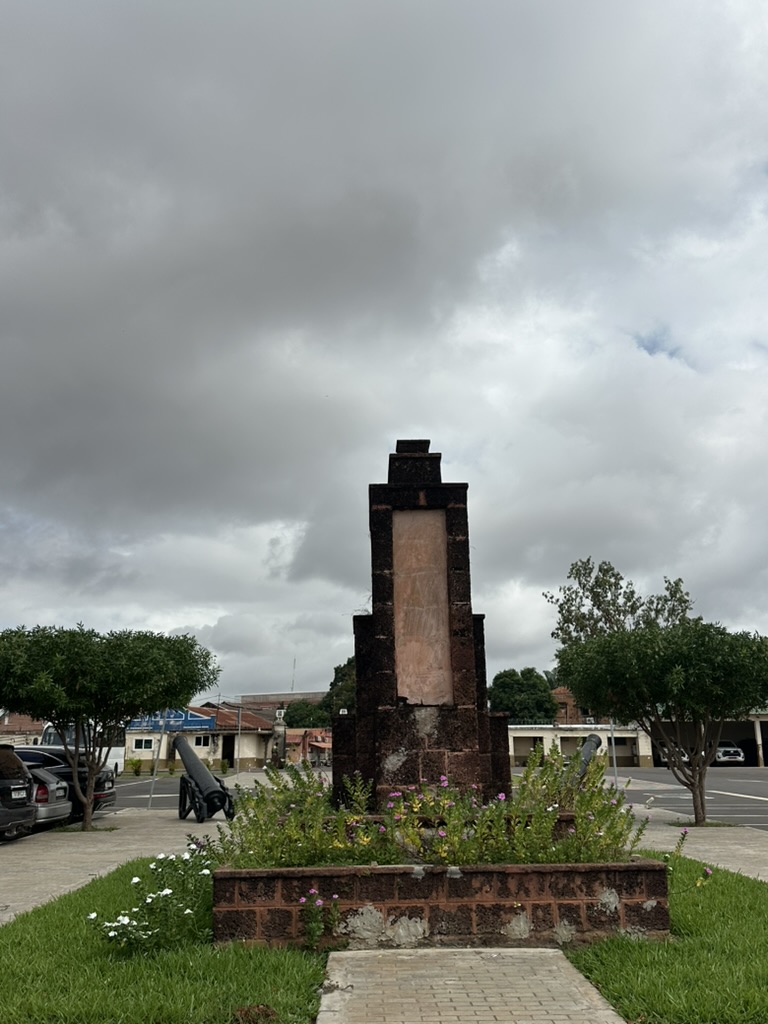
We explored the old town, saw the Presidential Palace and Fortaleza d’Amura, visited local markets and spent time around the city.
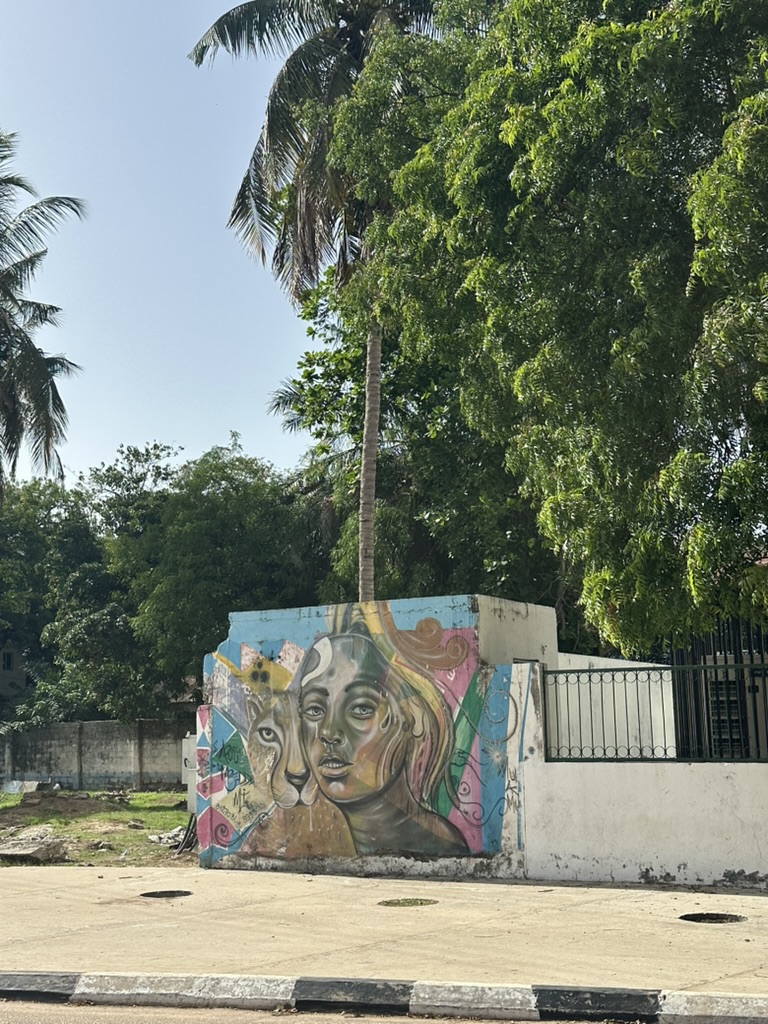
Then we headed east toward Gabu.
This was where the overland nature of the trip really became the experience.
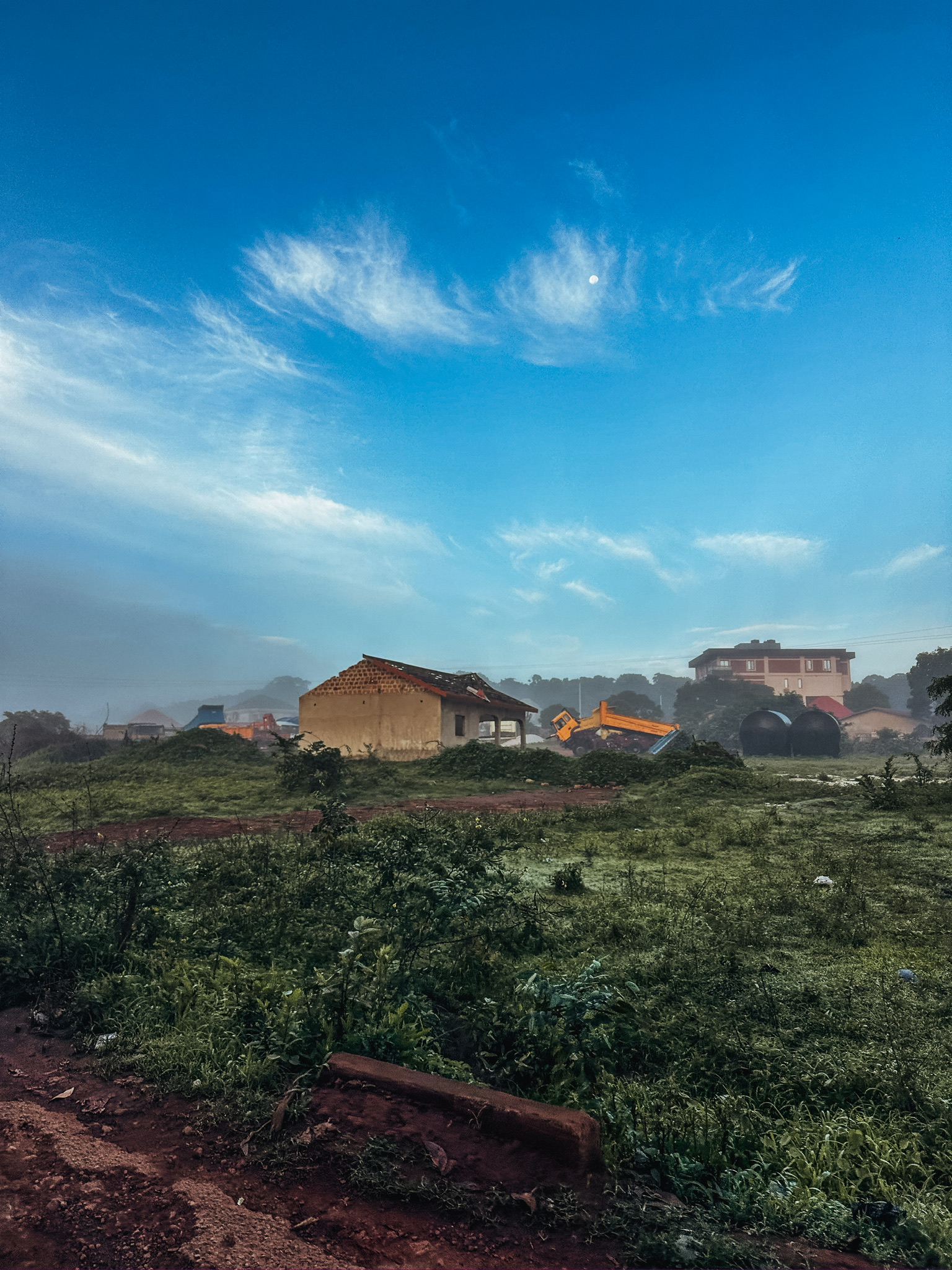
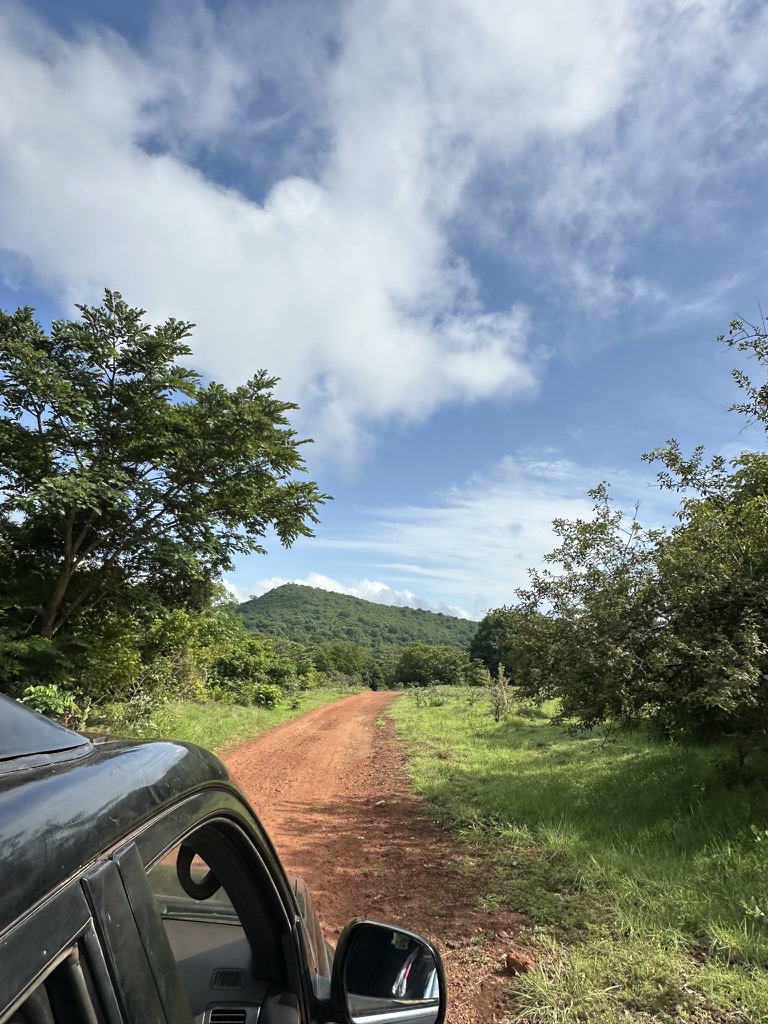
The landscape became increasingly rural.
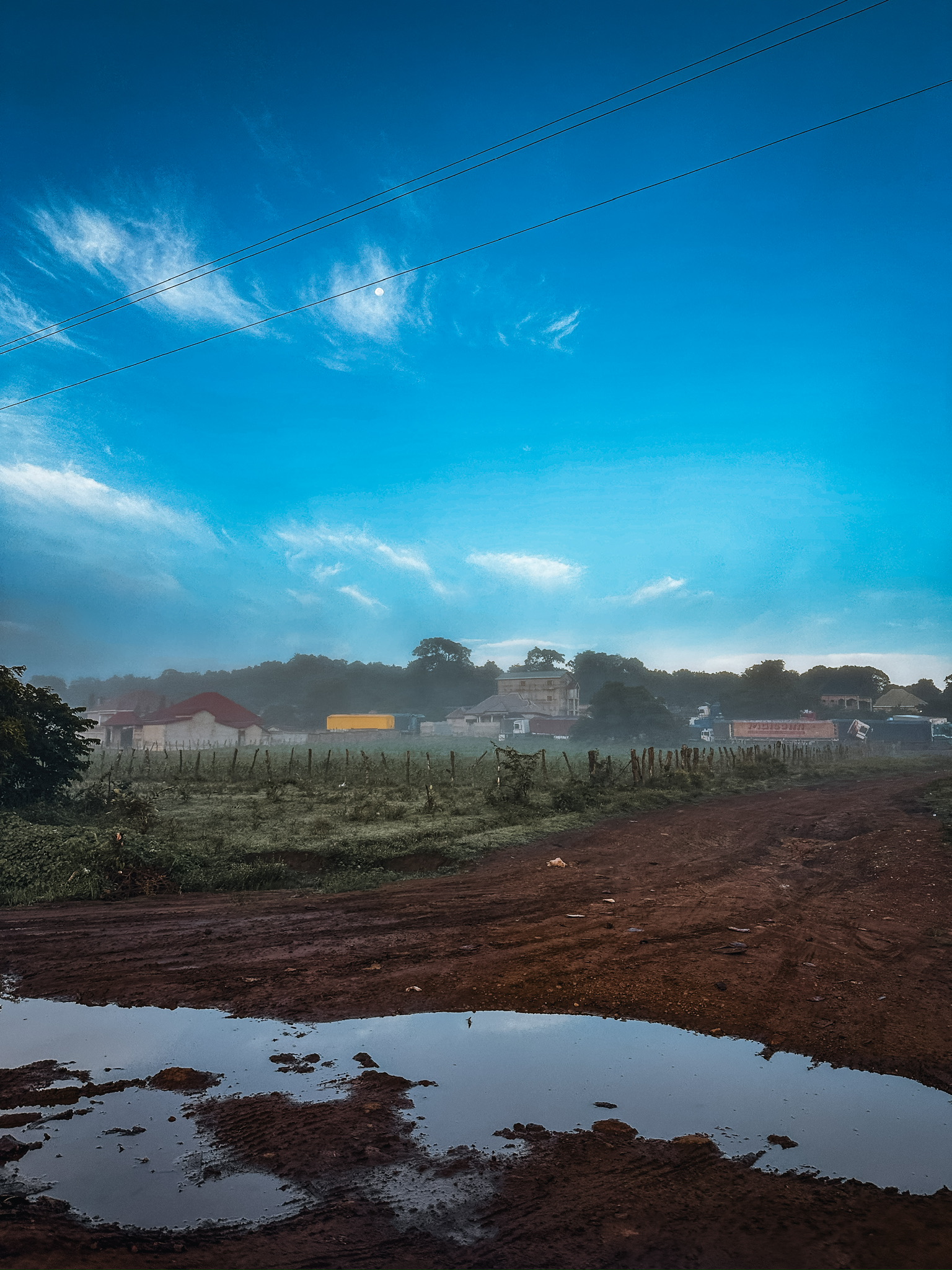
There were long stretches of road, villages, roadside markets and ordinary life happening outside the car.
This is the part of travel that is difficult to put into a list of attractions.
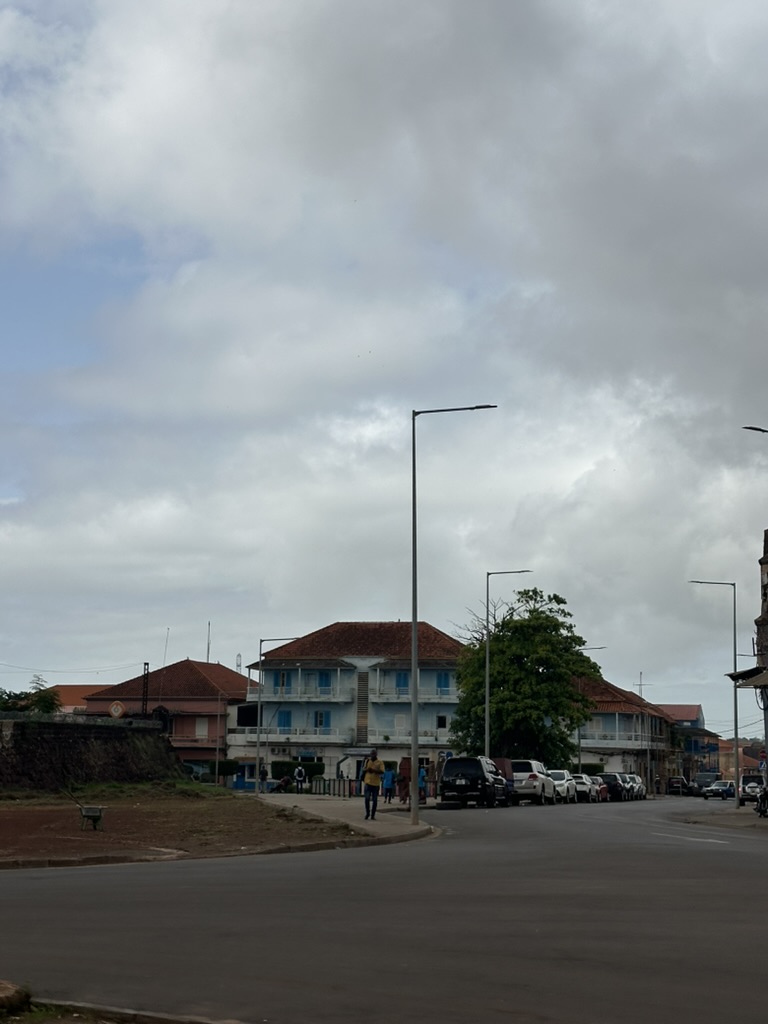
Nothing is necessarily happening.
And yet you are seeing a country in a way you simply don’t when you fly from one capital to another.
For me, that is often the point.
Crossing into Guinea
Guinea was the main reason I had planned this trip.
We traveled from Gabu toward Buruntuma and crossed the border into Guinea before continuing to Koundara.
This was also the point where I was particularly grateful for the local guide who organized the journey.
I cannot emphasize this enough:
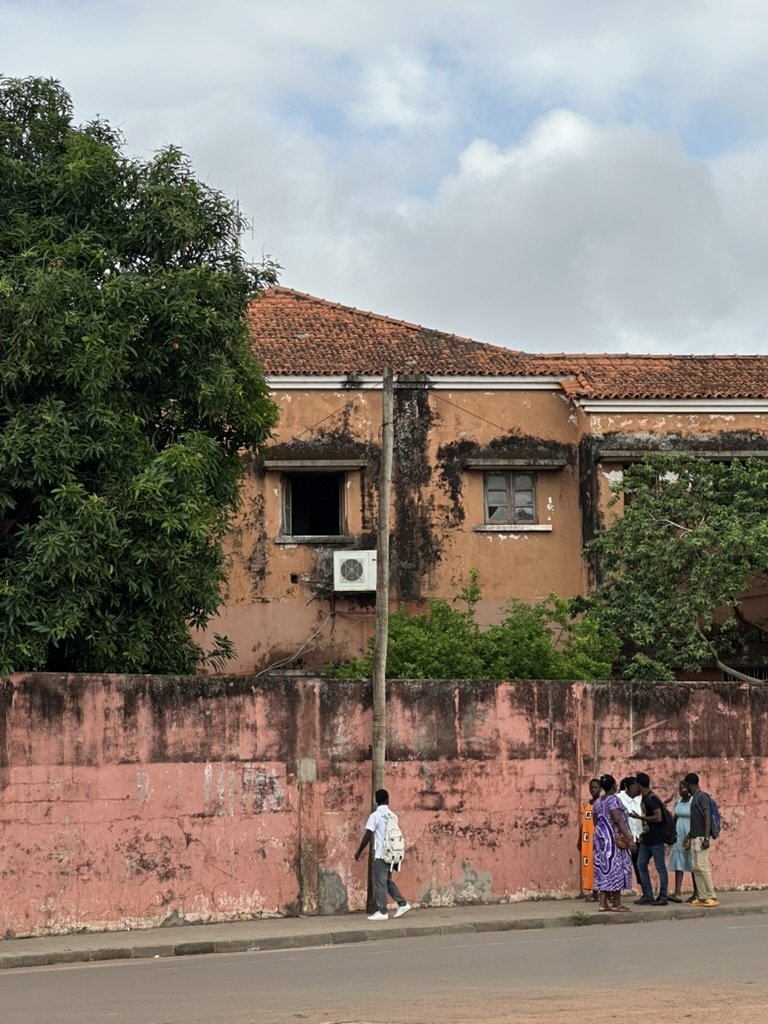
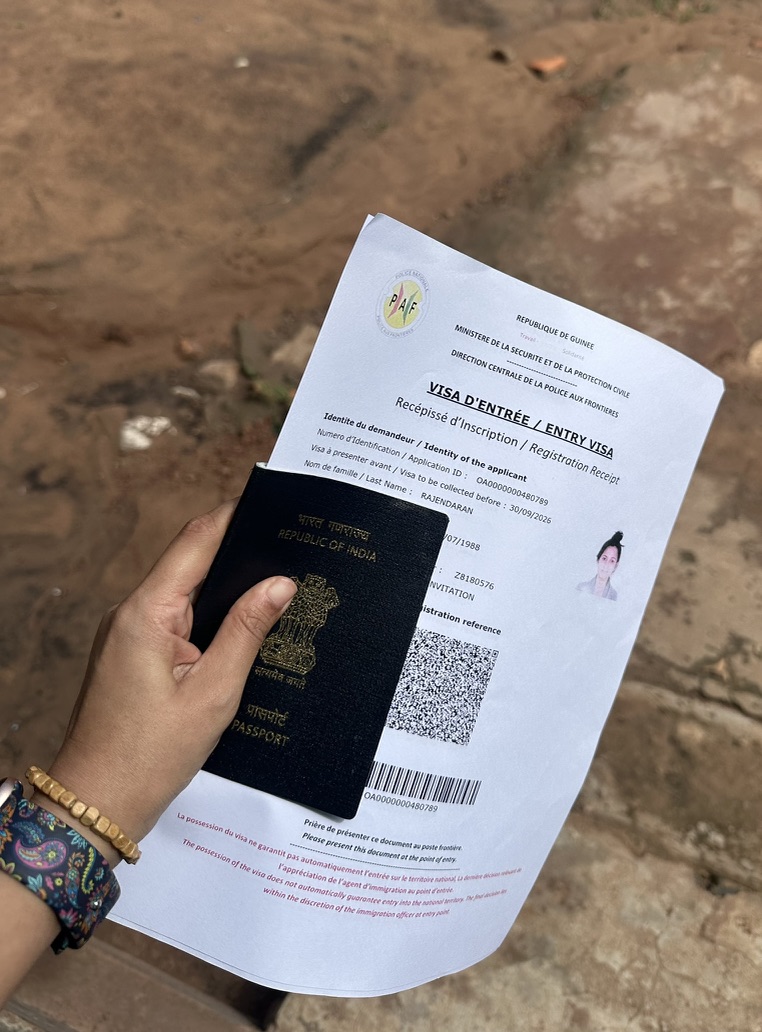
The bureaucracy on this route is real.
There were clearance requirements, immigration formalities and paperwork that had to be dealt with along the way.
Some requirements were known in advance.
Others felt considerably less predictable.
There were also instances where unofficial payment requests were made during the journey.
I am mentioning this because I think travelers deserve the practical version of what a trip can actually look like.
I am not interested in turning bureaucracy or unofficial payments into some romantic “this is Africa” travel story.
It can be frustrating.
And it is one of the reasons I would not recommend trying to arrange this particular route entirely on your own.
A reliable local guide who knows the current border procedures can make an enormous difference.
I can share the contact details of the guide I used with anyone who is seriously planning this trip. Just get in touch with me directly.
Guinea is beautiful. It is also rough.
This is probably the section I most wanted to write before publishing this trip.
Because photographs can make almost anywhere look easy.
Guinea is beautiful.
But the conditions are rough in many places.
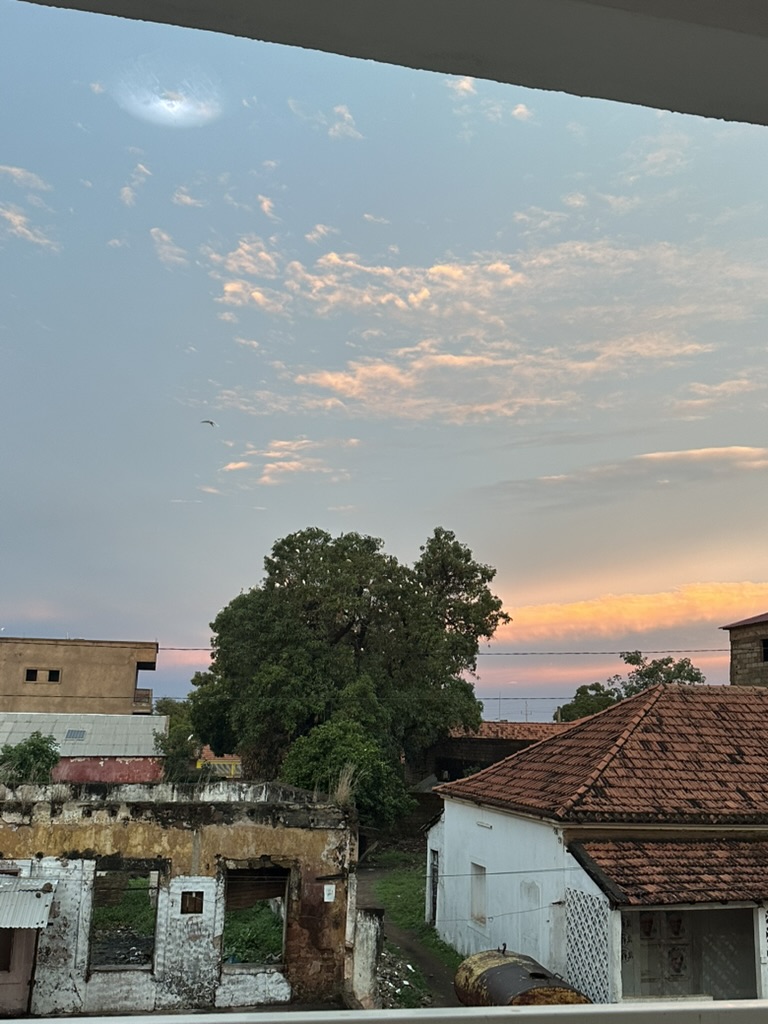
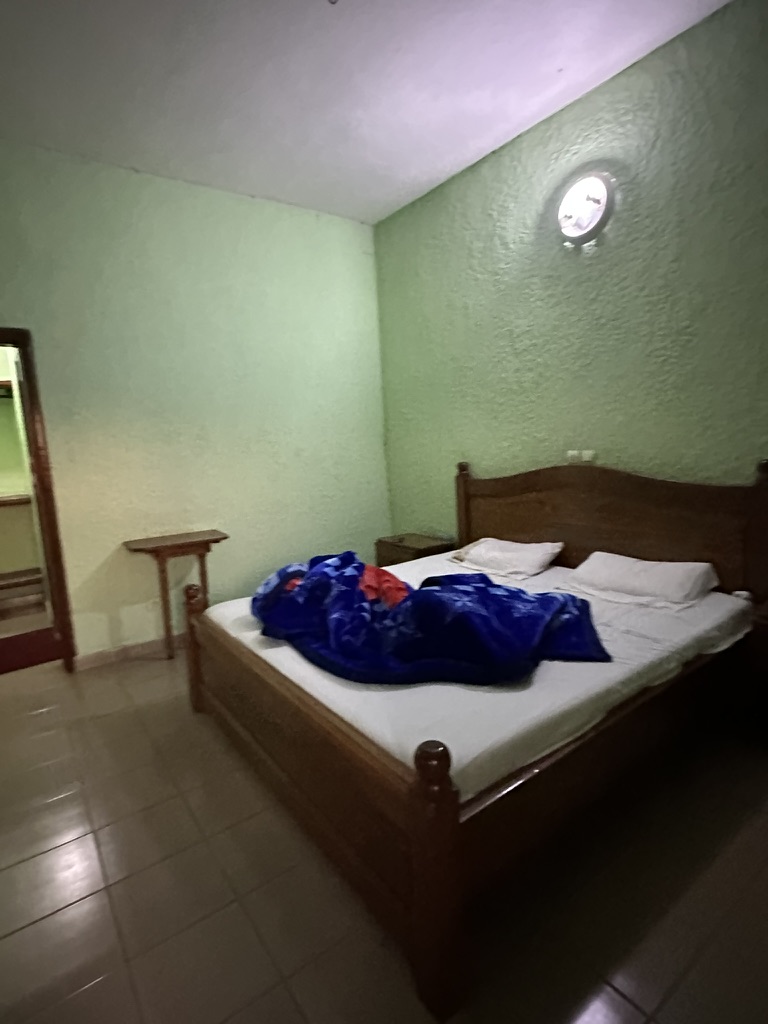
There is very little tourist infrastructure outside the main centers. Roads can be challenging. Journeys are long. Accommodation can be basic. Internet can disappear. Plans can take longer than expected.
This is not a destination where I would tell you to arrive with a rigid itinerary and an expectation that everything will run on schedule.
You need patience.
And a little flexibility.
Actually, a lot of flexibility.
The upside is that you get to experience a part of West Africa that has not been packaged and polished for mass tourism.
There is something very compelling about that.
But I would rather tell you what the trip is really like than make it sound effortlessly exotic.
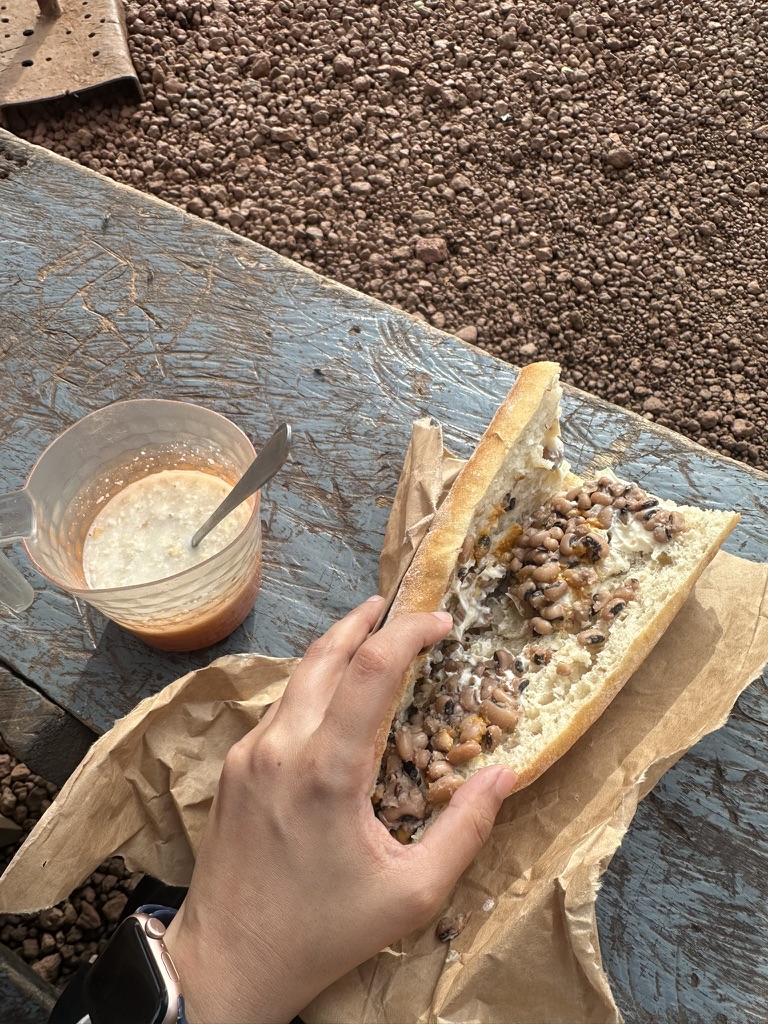
Vegetarian travel in Guinea
If you are vegetarian, please take this seriously.
Senegal was relatively manageable.
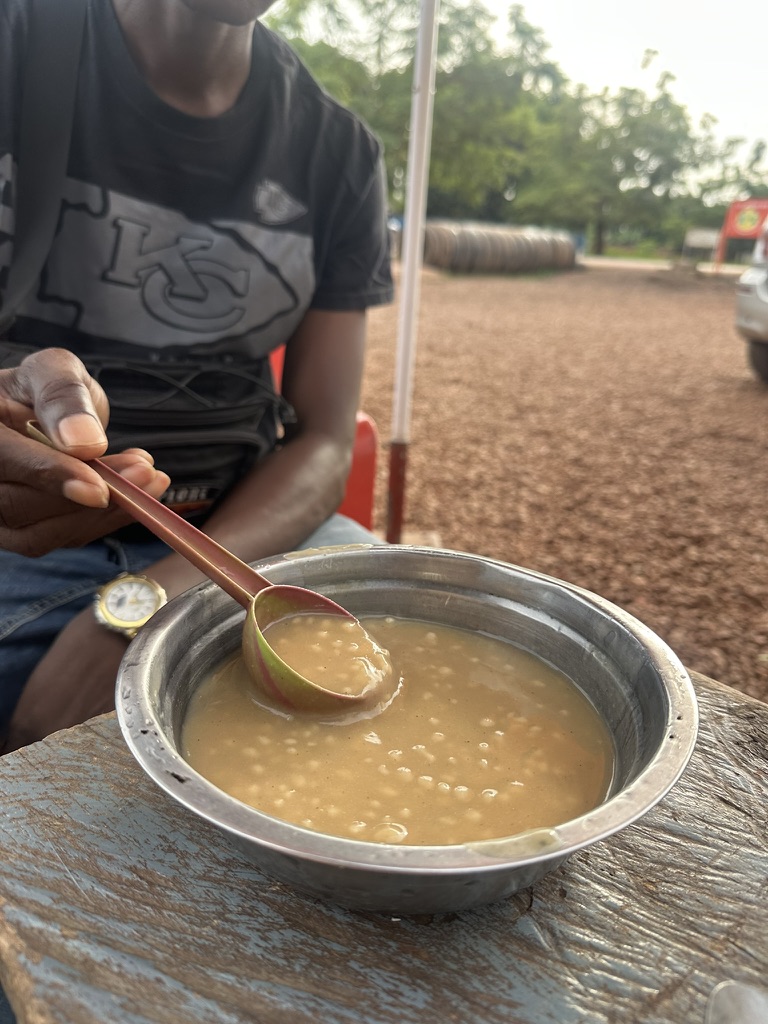
As we moved deeper into the trip, particularly in Guinea, vegetarian food became much harder to find.
There were stretches where I would not have wanted to depend on finding a proper vegetarian meal.
So I carried my own food.
And I recommend that you do the same.
Bring snacks.
Bring backup meals.
Bring things you can actually eat when you have been in a car for hours and the only available options are meat, rice or something you cannot quite identify.
I am not saying you cannot travel as a vegetarian.
You absolutely can.
I am saying that this is not the place to test how adaptable you are to food.
Pack accordingly.
Fouta Djallon: one of the highlights of Guinea
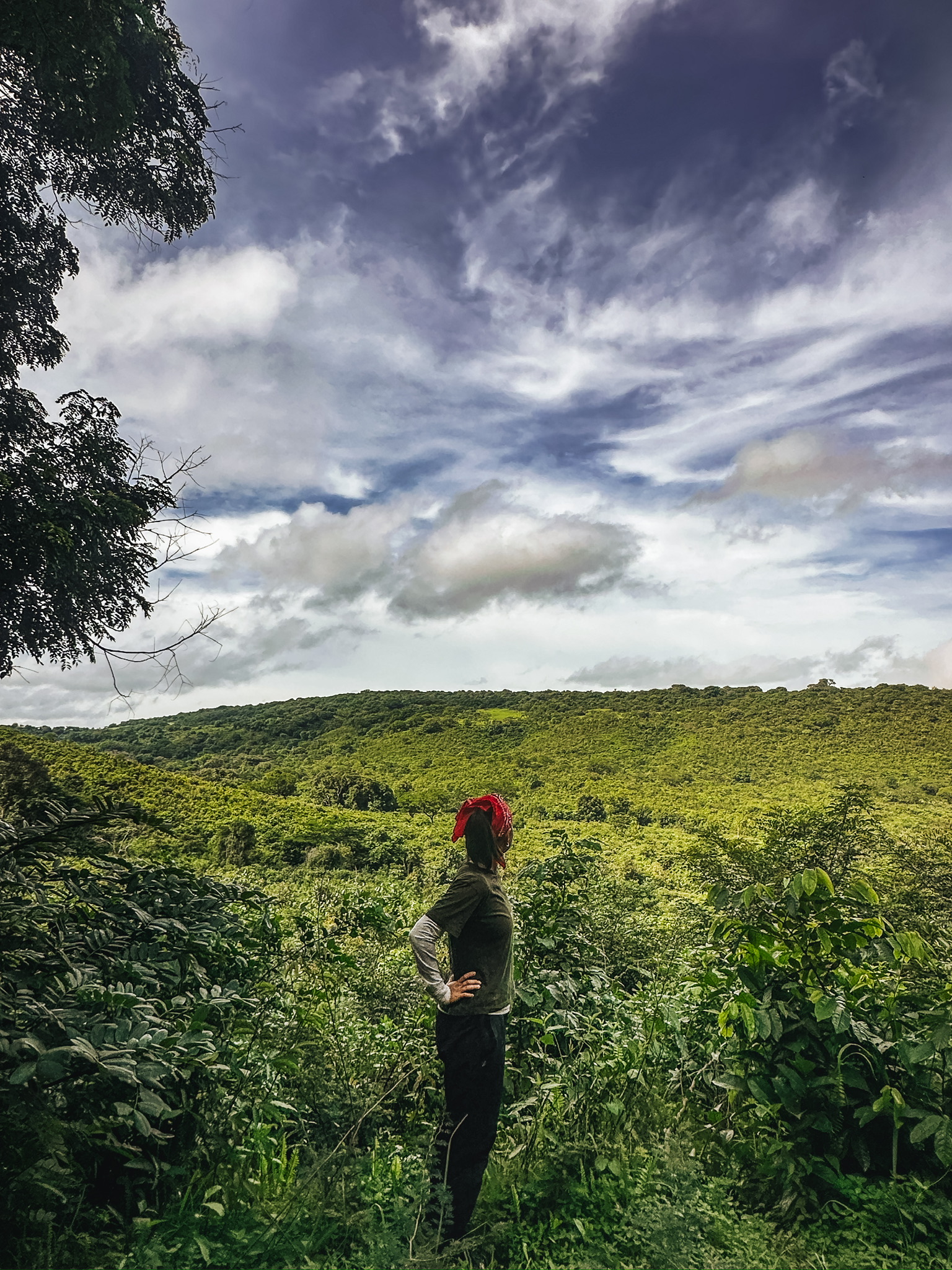
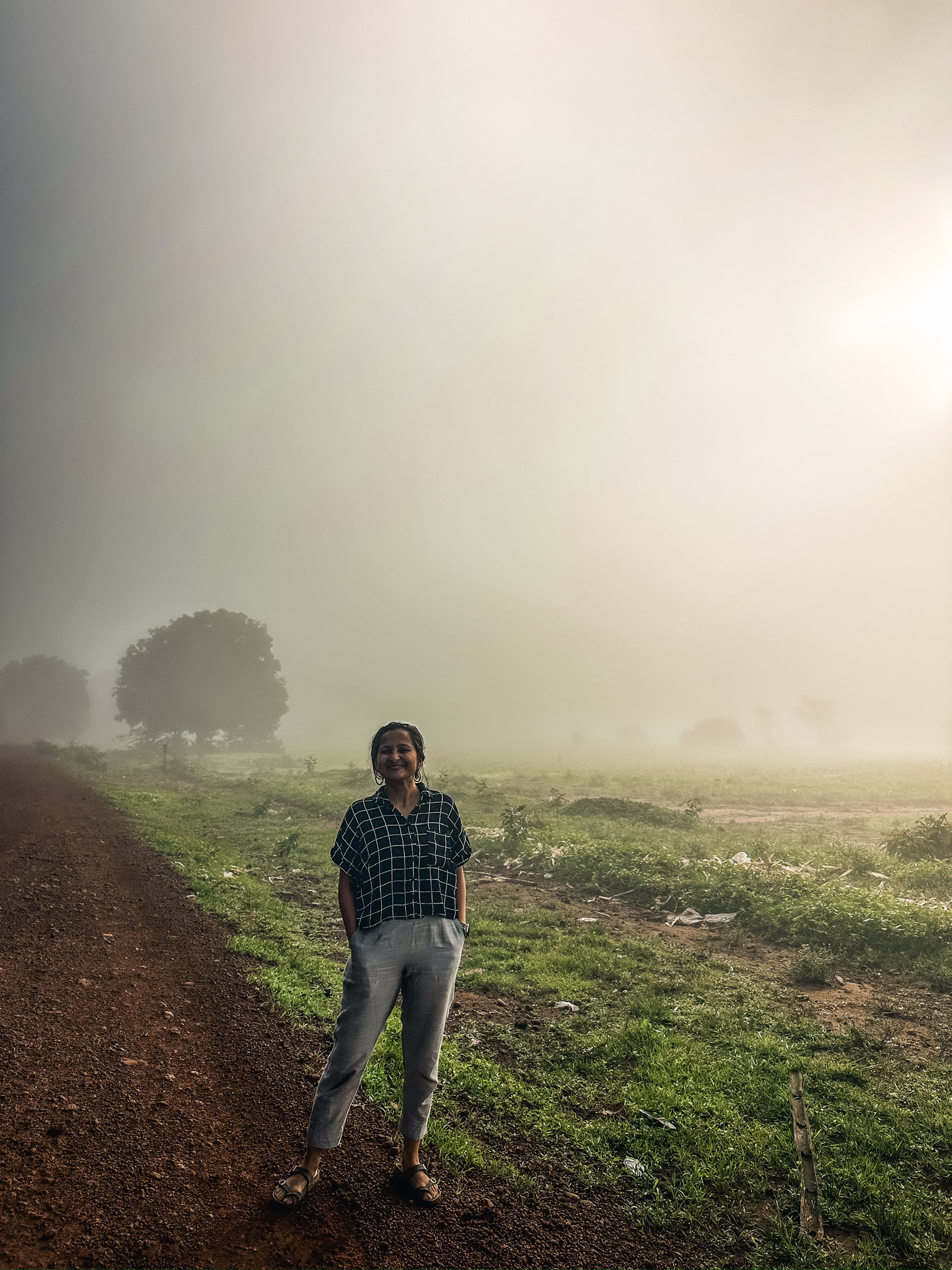
Once we reached Labé, the landscape changed.
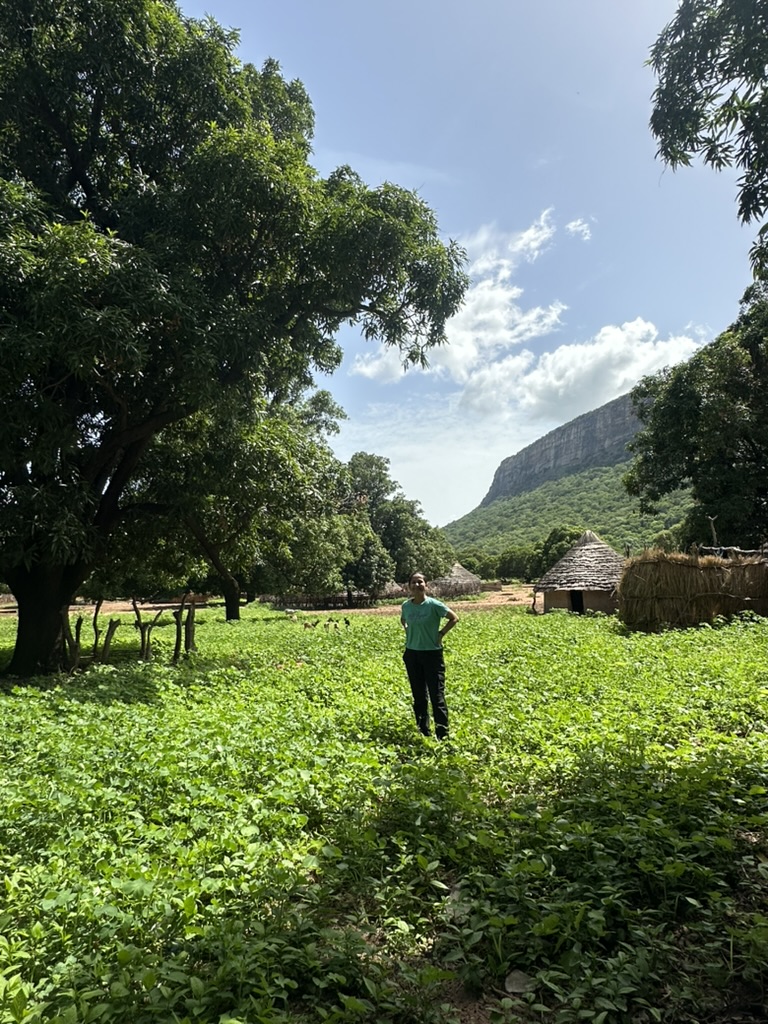
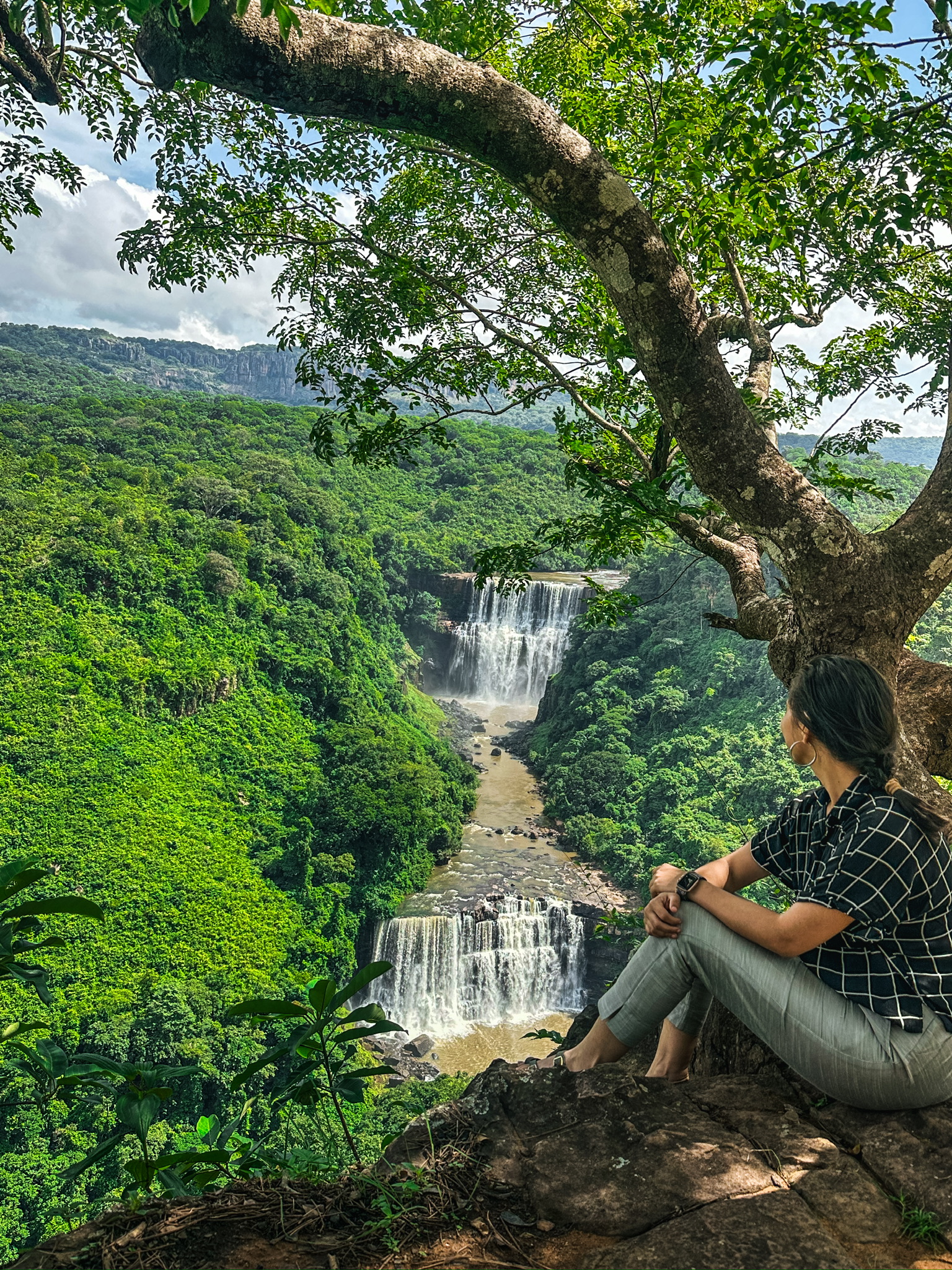
The Fouta Djallon Highlands were one of my favorite parts of the trip.
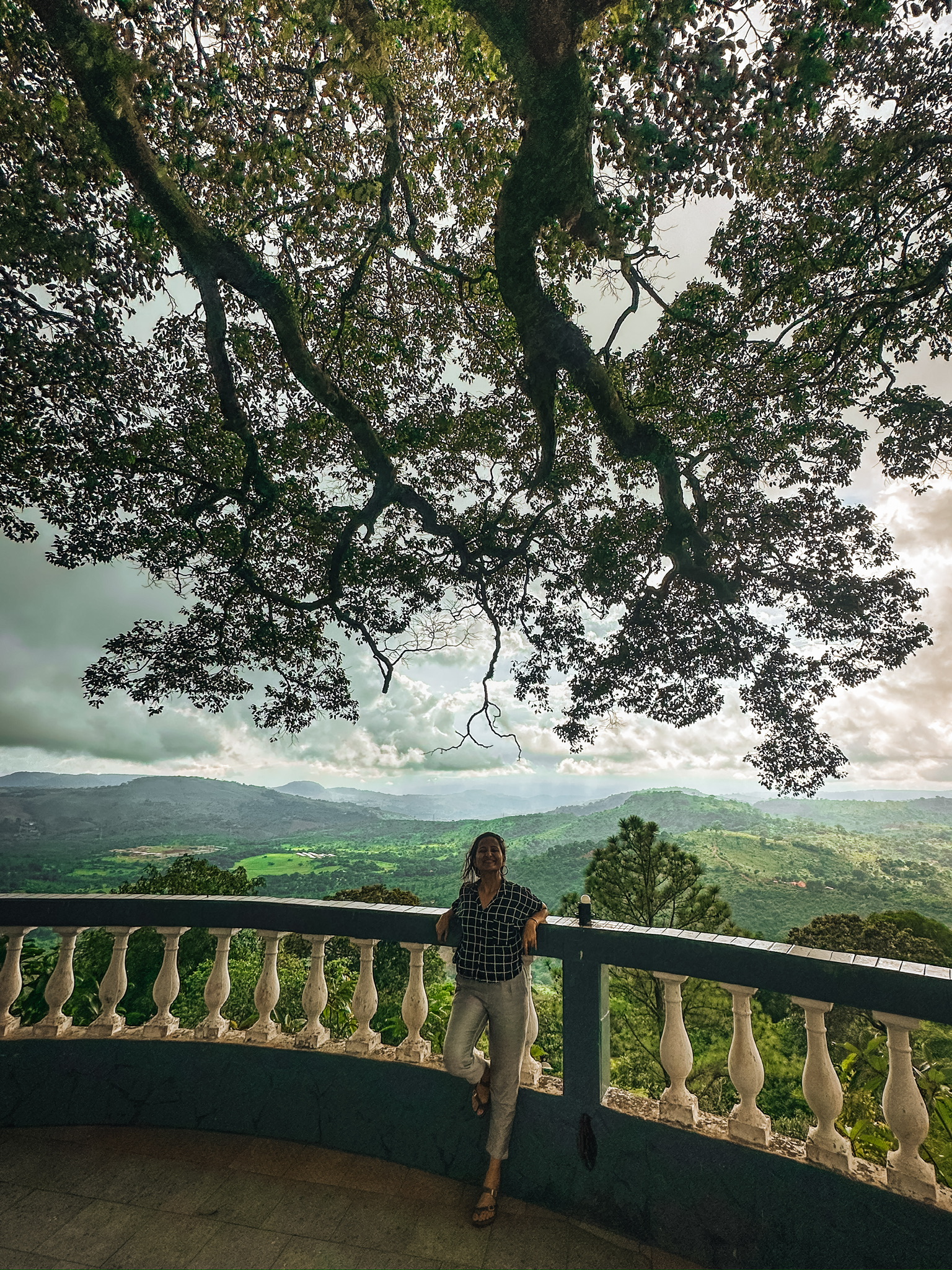
Guinea is often described as a country of mountains, waterfalls, forests and dramatic landscapes, and this was the part of the journey where that description really came alive.
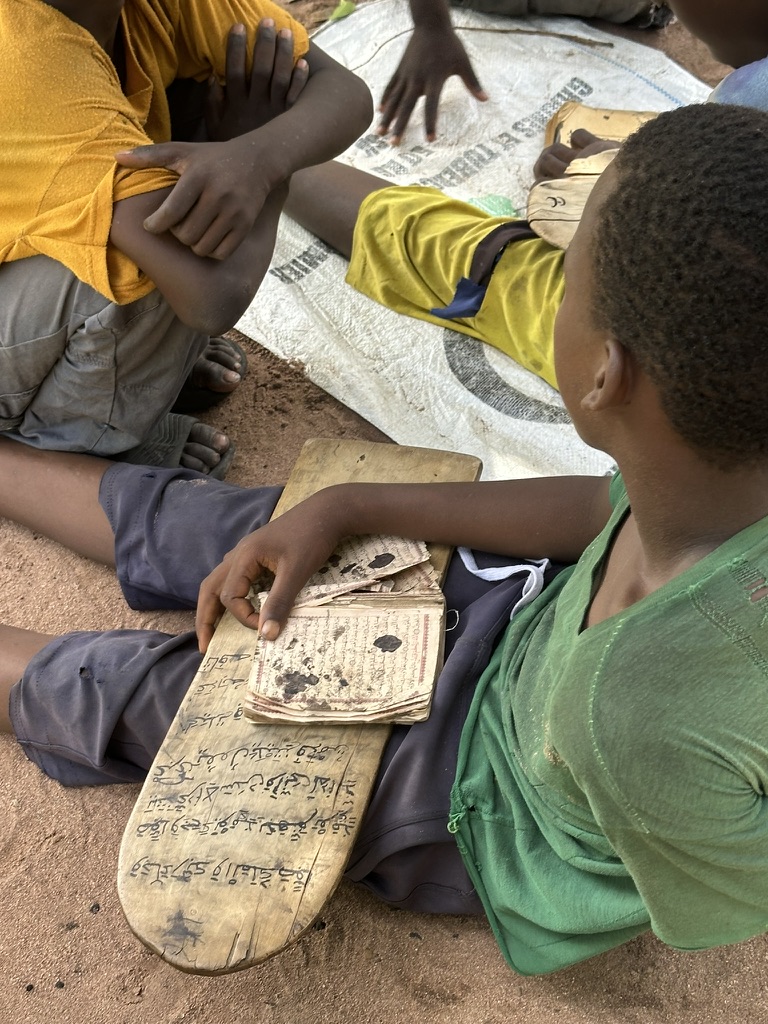
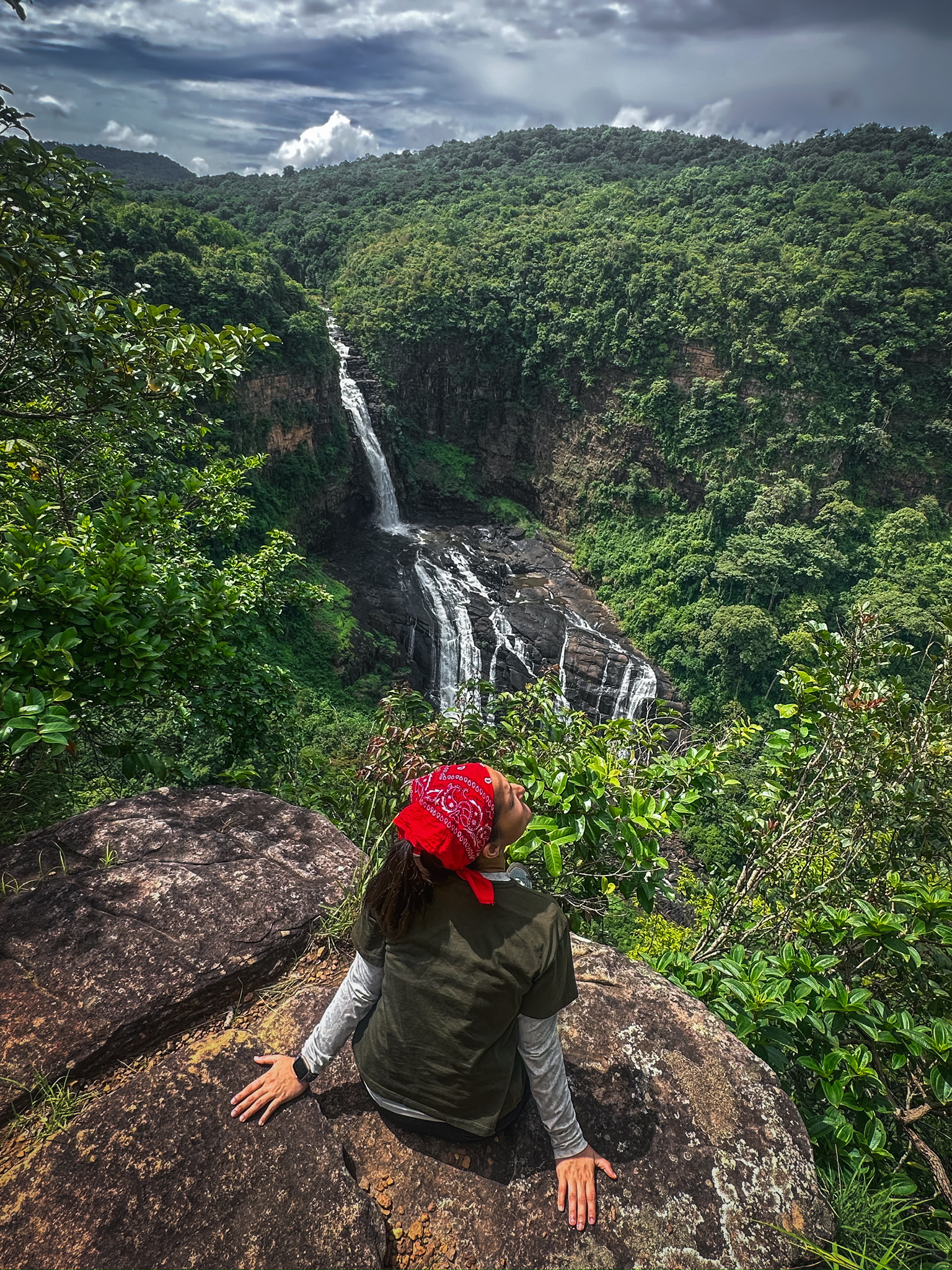
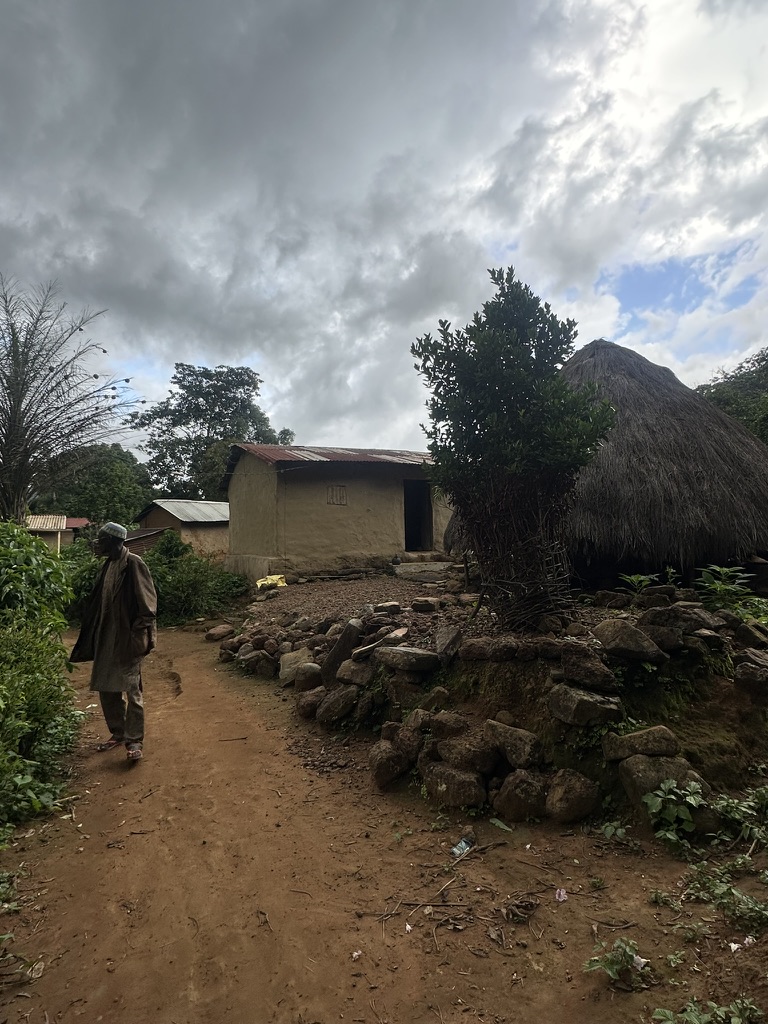
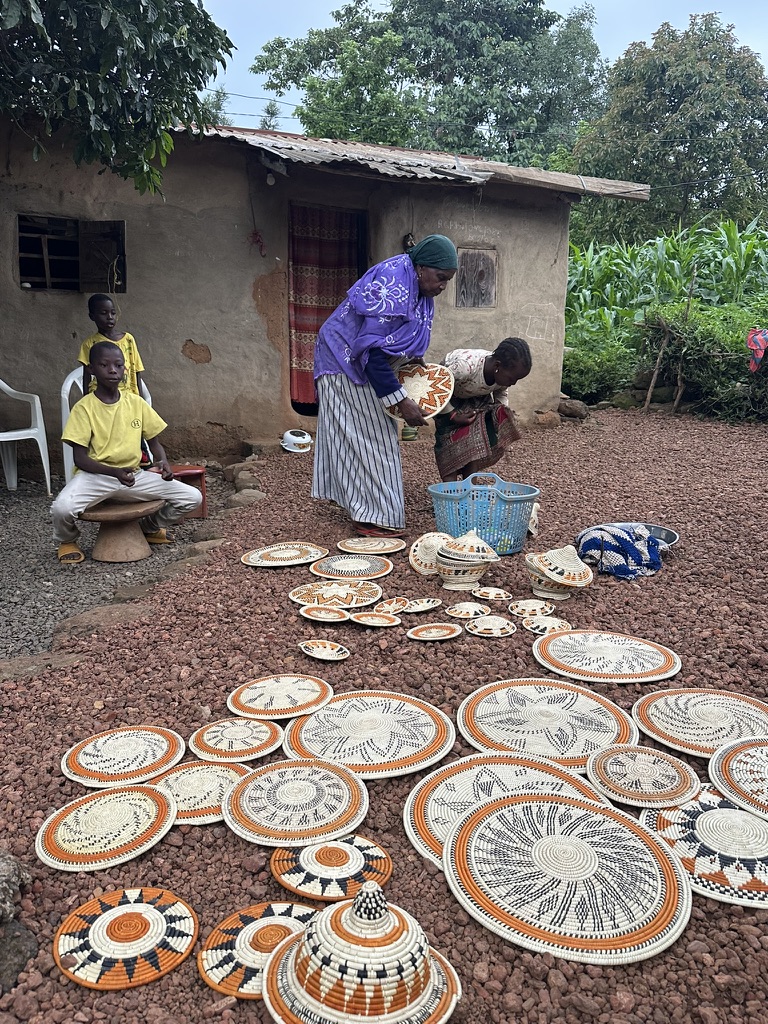
We spent time around Kinkon Falls, visited traditional Fulani villages and drove through the highlands, stopping at viewpoints and places where the landscape simply demanded a pause.
The roads were part of the experience.
The villages were part of the experience.
The people we met were part of the experience.
And there was something very satisfying about being somewhere that hadn’t already been reduced to a list of ten “must-see” things.
Kinkon Falls and the Fouta Djallon region
Kinkon Falls is one of the natural highlights of the Fouta Djallon region.
But I would not plan this area purely around checking off waterfalls.
Give yourself time to drive.
Stop.
Look around.
Talk to people when appropriate.
Watch the landscape change.
The Fouta Djallon region is much more interesting as a broader experience than as a single attraction.
If you are extending my nine-day itinerary to two weeks, this is one of the places where I would add an extra night or two.
Labé to Kindia
From Labé, we continued toward Kindia.
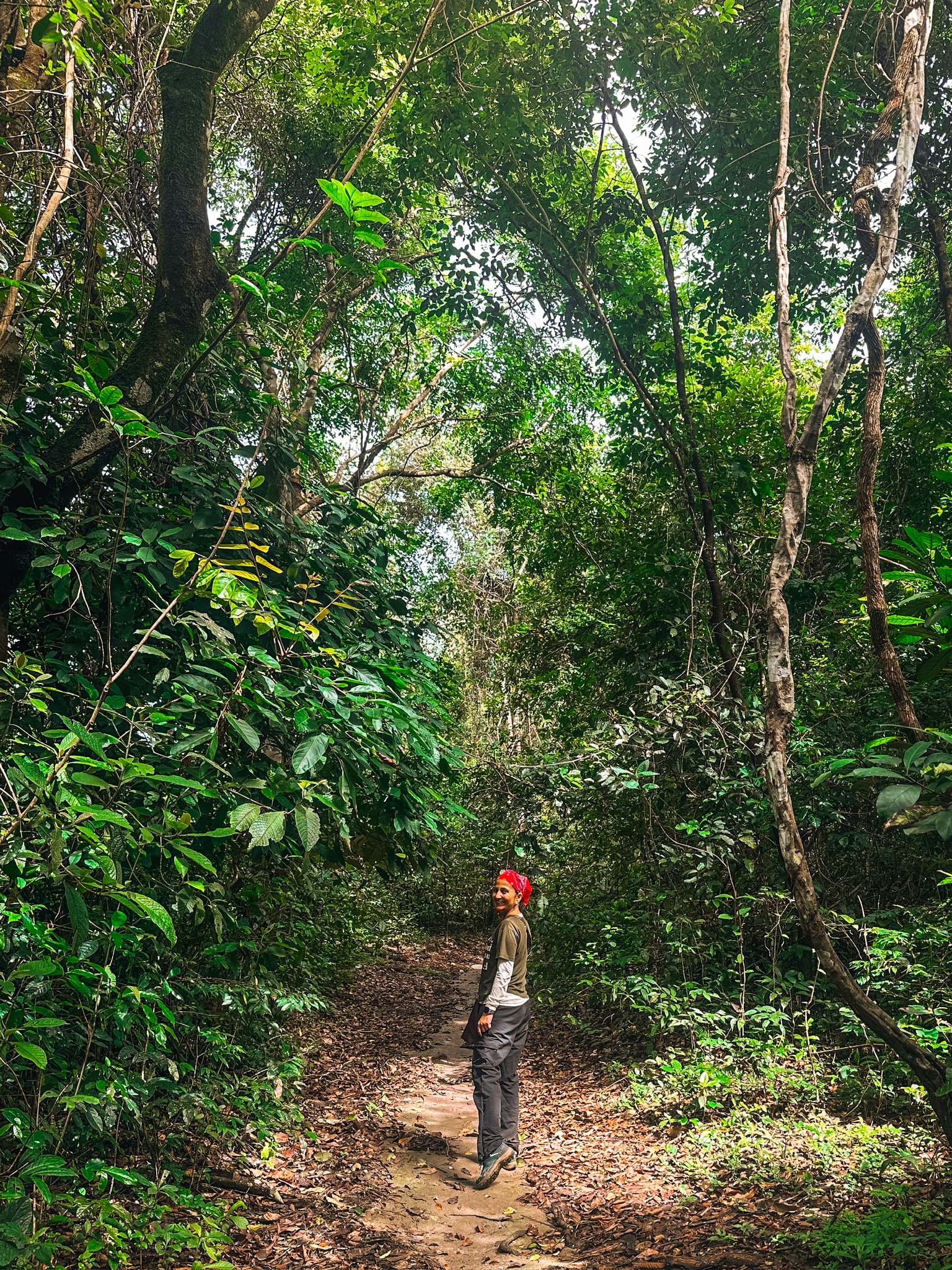
The scenery changed again as we moved through Guinea’s highlands and forested areas.
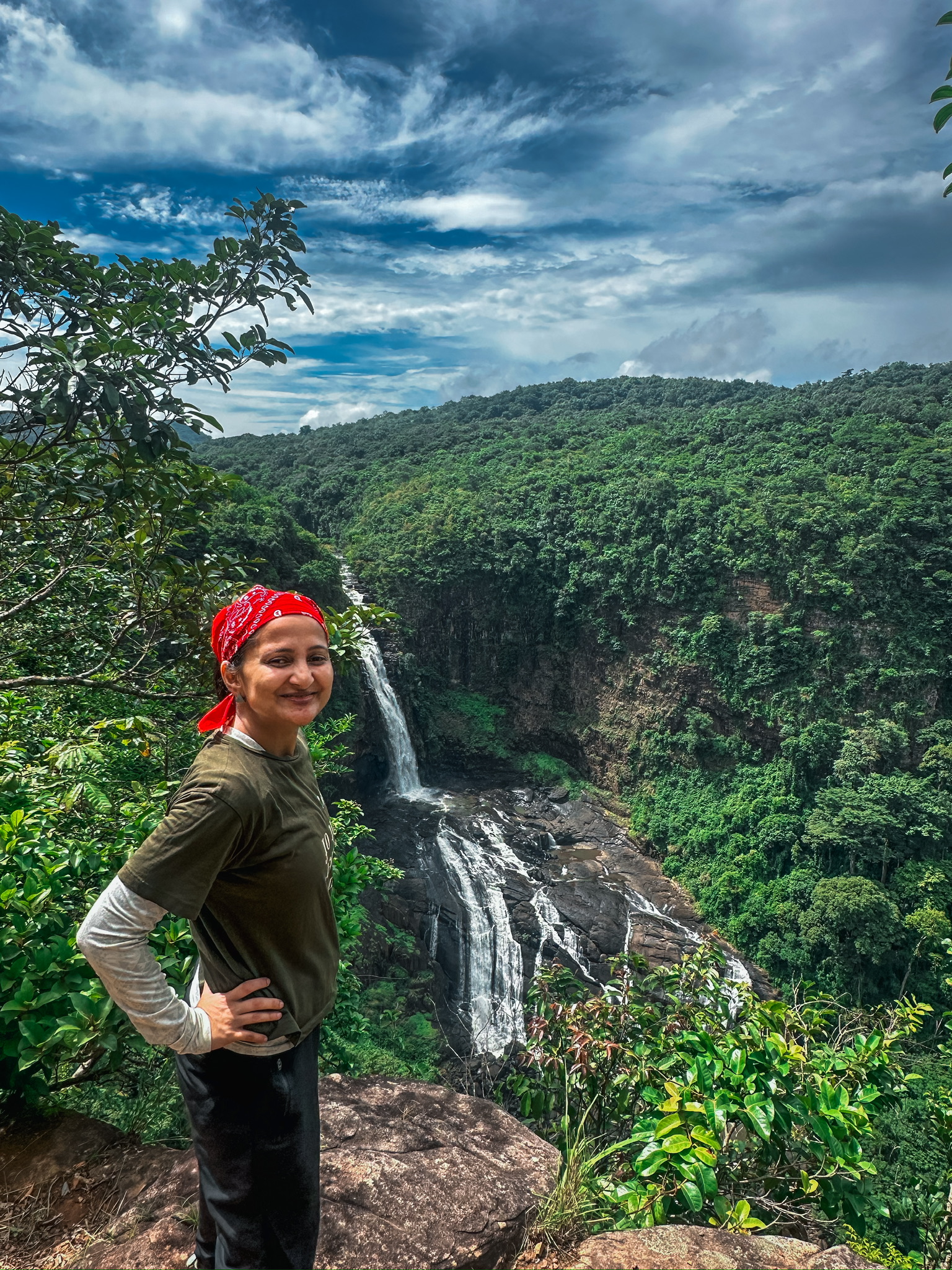
In Kindia, we visited Bridal Veil Falls, or La Voile de la Mariée, as well as fruit plantations and local markets.
Kindia was our final stop before Conakry.
By this point, I had spent several days watching Guinea change from the road.
That was one of the unexpected pleasures of the trip.
The country felt much bigger than it looked on a map.
Conakry
We arrived in Conakry toward the end of the trip.
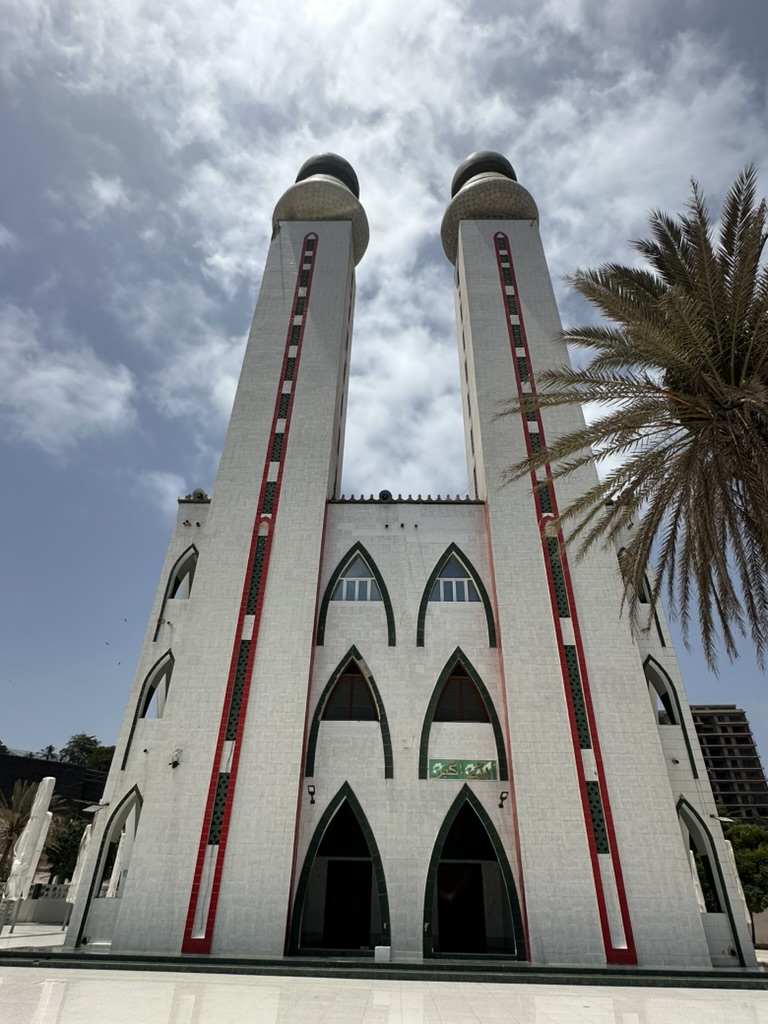
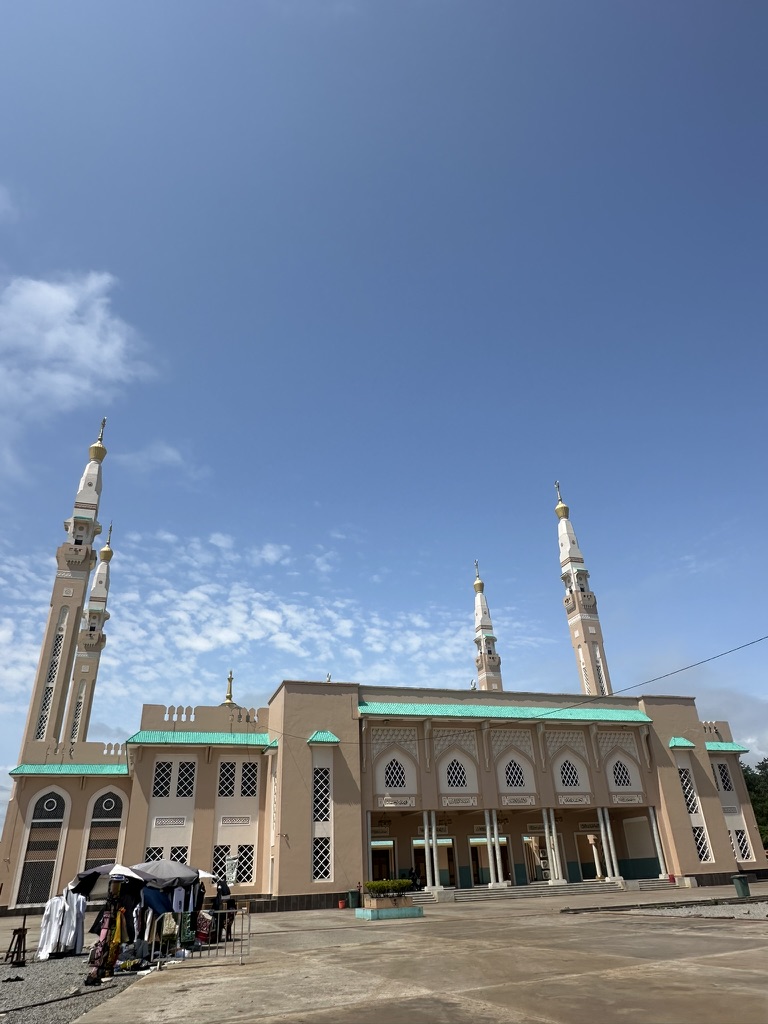
Our time was short, so we focused on a few of the city’s major sights, including the Grand Mosque, National Museum, Kaloum District and Artisan Center.
If you have two weeks, I would give Conakry more time than I did.
My trip was primarily about getting into Guinea and experiencing the country beyond the capital.
Conakry deserves its own visit.
The biggest lesson from this trip: solo does not have to mean unsupported
I traveled solo.
But I did not travel independently.
That distinction matters.
I had a local guide managing the overland logistics, paperwork and border crossings.
That allowed me to have the experience of traveling alone without making every bureaucratic problem my personal problem.
And on this route, that was important.
There were enough moments where I needed someone who knew exactly who to speak to, what document was required and what the next step was.
If you are planning this route, I would strongly recommend having a reliable local person on the ground.
I can share the contact information for the guide I used directly. You can get in touch with me if you want it.
The paperwork you should be prepared for
This deserves its own section because it is one of the least glamorous parts of planning West Africa.
Depending on your nationality and the exact route, you may encounter:
- Visa or entry requirements
- Immigration forms
- Clearance certificates
- Border-specific paperwork
- Vehicle or transport documentation
- Additional letters or approvals
- Requests for documents you were not expecting
The exact requirements can change.
That is why I would not copy a random traveler’s paperwork checklist from the internet and assume you are covered.
Your nationality matters.
Your route matters.
The border you use matters.
And the requirements can change.
This is another reason a local guide is particularly valuable here.
Internet and connectivity
Get an eSIM before you go.
There were plenty of places on this journey where internet access was poor or nonexistent.
Do not assume that because you had perfect connectivity in Dakar, you will have it in rural Guinea.
Download your maps offline.
Save your accommodation details.
Keep copies of important documents on your phone.
Have important information available without an internet connection.
And tell people at home that there may be periods when you simply disappear from WhatsApp.
This is one of those trips where being offline is not a philosophical choice.
Sometimes there is just no signal.
Money and practical travel logistics
I would approach this trip with the assumption that card payments and ATMs will not always be convenient.
Carry enough cash for the journey, while taking normal precautions about how you store and access it.
Keep some money separately from your main wallet.
Make sure you have backup access to important documents.
And don’t assume that every stop will have the facilities you are used to finding in more developed tourist destinations.
The more remote the route becomes, the more self-sufficient you need to be.
What to pack for this West Africa road trip
This is not the trip where I would try to pack like a minimalist travel influencer.
I would pack practically.
Food: vegetarian snacks and backup meals that can survive long road journeys.
Connectivity: an eSIM, offline maps and downloaded copies of important information.
Documents: printed and digital copies of your passport, itinerary, accommodation information and relevant paperwork.
Cash: enough for situations where cards or ATMs aren’t reliable.
Clothing: lightweight, breathable clothing suitable for heat and humidity.
Shoes: comfortable walking shoes rather than anything chosen purely for photographs.
Rain protection: especially if traveling during the wetter months.
Basic medication: bring your own essentials rather than assuming you will find exactly what you need along the route.
And one final thing:
Patience.
Pack plenty of it.
When is the best time to visit West Africa?
I traveled this route in June 2026.
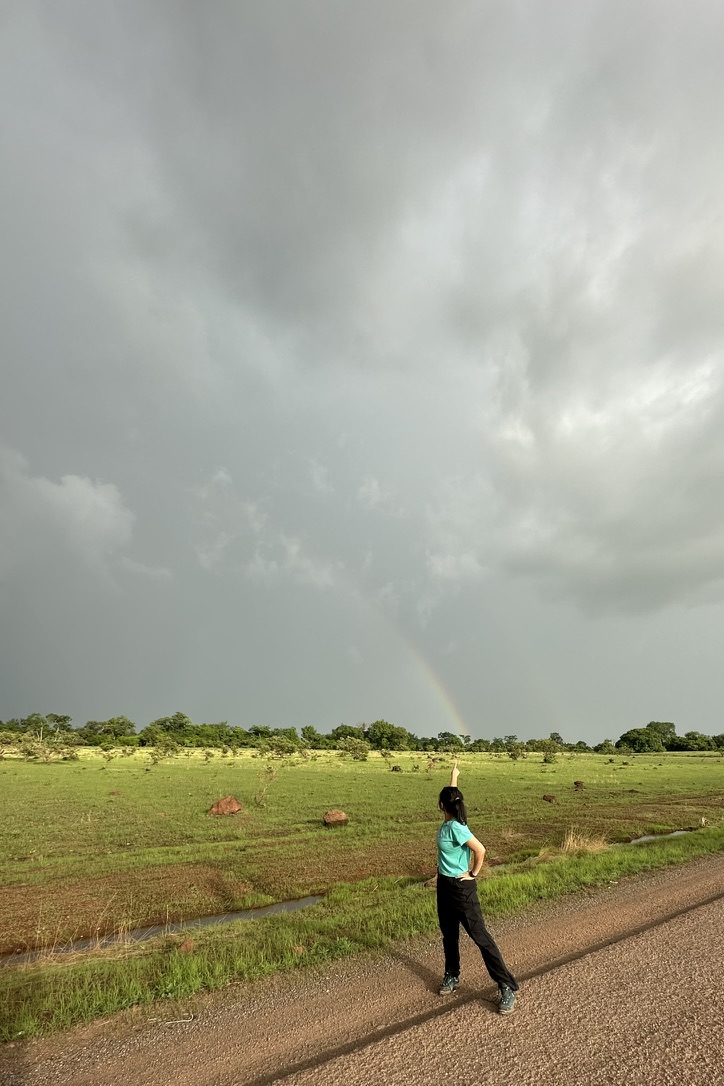
June falls within the wetter season across much of this part of West Africa, so you should expect heat, humidity and the possibility of rain.
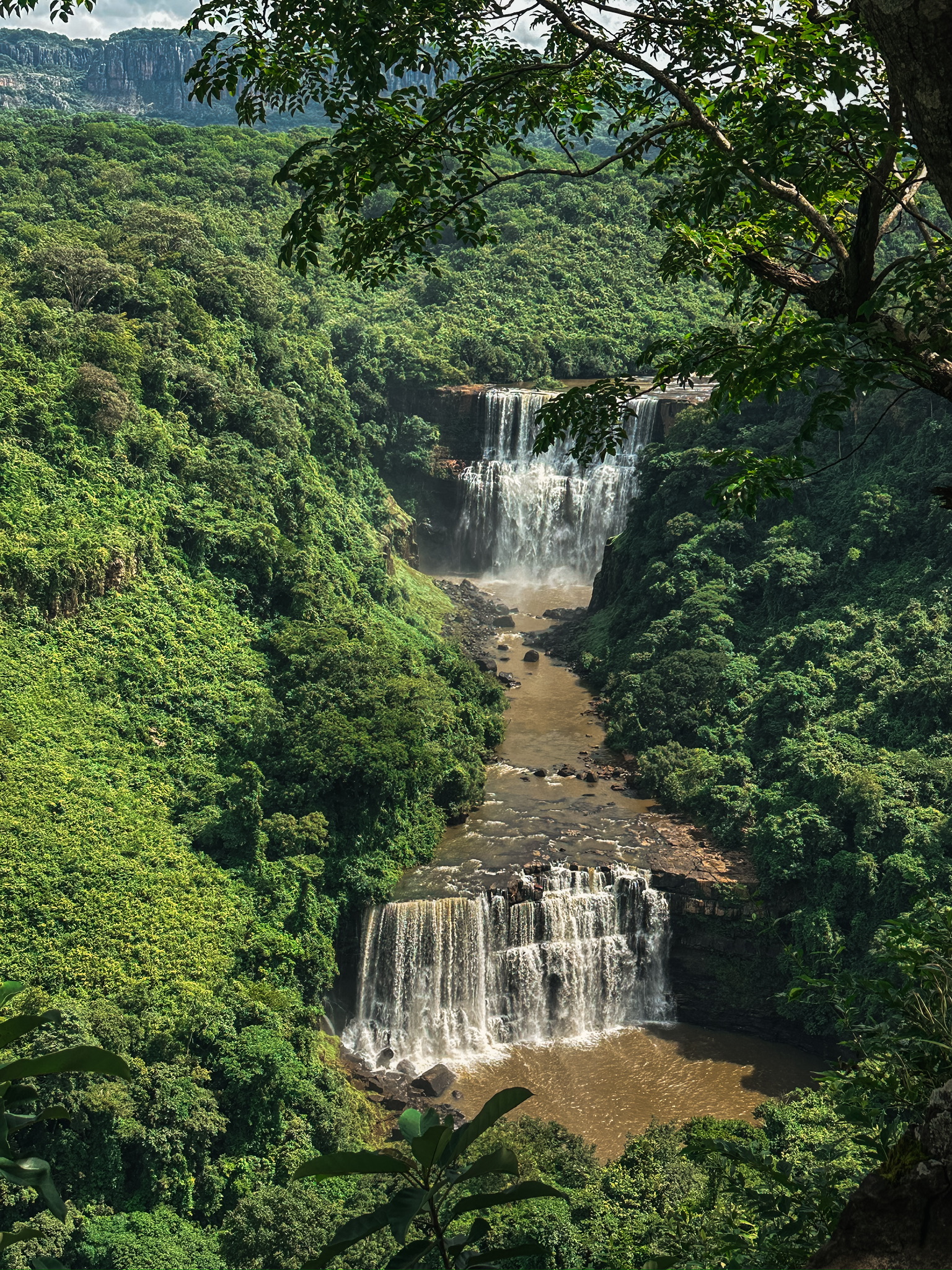
The upside is that the landscapes can be incredibly green.
The downside is that rain can affect road conditions and travel times.
There is no single “best time to visit West Africa” because the region is enormous and conditions vary considerably between countries and regions.
Choose your dates based on the exact route you want to take.
And if your itinerary involves long overland journeys, give yourself some flexibility.
How long should you spend on this West Africa itinerary?
I did it in nine days.
I would not necessarily recommend doing it in nine days.
I had a specific goal: travel overland from Senegal into Guinea and experience the Fouta Djallon region within a limited amount of time.
If you are planning this as a proper holiday, I would give yourself around two weeks.
That allows you to:
- Spend more time in Dakar
- Explore The Gambia without rushing
- Give Bissau more time
- Break up the long road journeys
- Spend additional time around Fouta Djallon
- Allow for border delays
- Add time in Kindia
- Give Conakry more than a few hours
And perhaps most importantly, it means one delayed border crossing does not immediately destroy your entire itinerary.
Is this a good trip for first-time Africa travelers?
That depends on what you mean by “first-time Africa.”
If you mean your first trip to Africa, I would probably choose a different introduction.
Not because West Africa is less rewarding.
Because this particular route requires a level of logistical flexibility that can be overwhelming if you have never traveled in the region before.
If you already have some experience with independent travel, long road journeys and destinations where things do not always work exactly as planned, you will probably understand the rhythm of the trip much more quickly.
Either way, I would use a reliable local guide.
Is this West Africa road trip safe?
Safety is not a simple yes-or-no question for a four-country overland journey.
Conditions vary by country, region and border area, and travel advisories can change.
Before traveling, check the current government travel advice for your nationality and the exact regions you plan to visit.
I also would not treat a local guide as optional on the more complicated parts of this route.
Having someone who understands the area, the roads, border procedures and local conditions is an important part of the trip.
Would I do this trip again?
I would.
But I would probably give myself more time.
That is perhaps the clearest lesson from the trip.
The nine-day version worked because I was determined to make the route happen.
The two-week version would have allowed me to enjoy it more.
And I don’t think every trip needs to be optimized to fit as much as humanly possible into the available days.
Sometimes the better itinerary is simply the one where you have enough time for something to go wrong without ruining your day.
Especially in West Africa.
Four countries, one road trip
There is a particular satisfaction in looking at a map after a trip like this and realizing how much of it happened on the road.
Dakar.
Banjul.
Bissau.
Gabu.
Buruntuma.
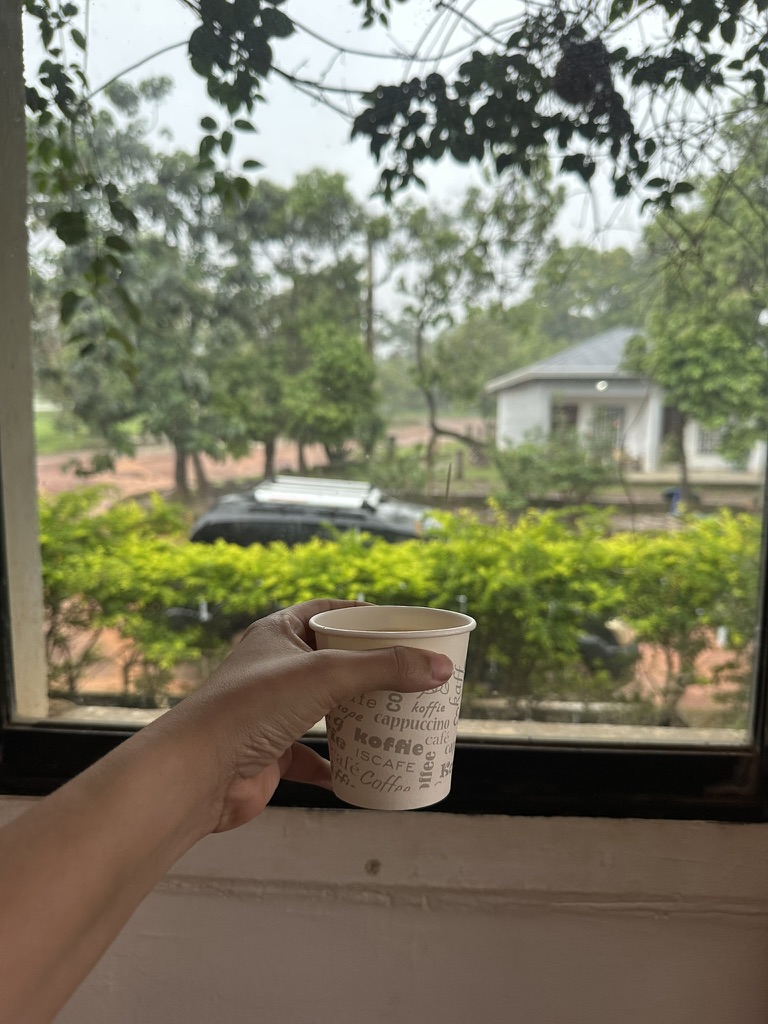
Koundara.
Labé.
Fouta Djallon.
Kindia.
Conakry.
The countries were the obvious achievement.
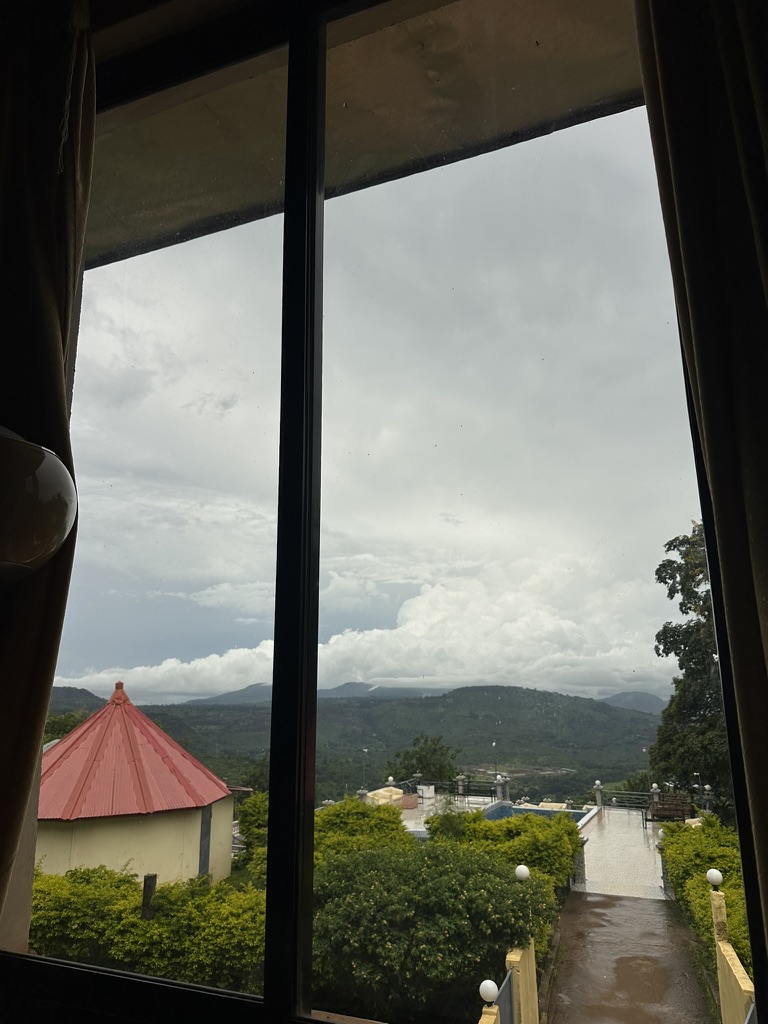
But the spaces between them were what made the trip interesting.
The roads.
The villages.
The border crossings.
The markets.
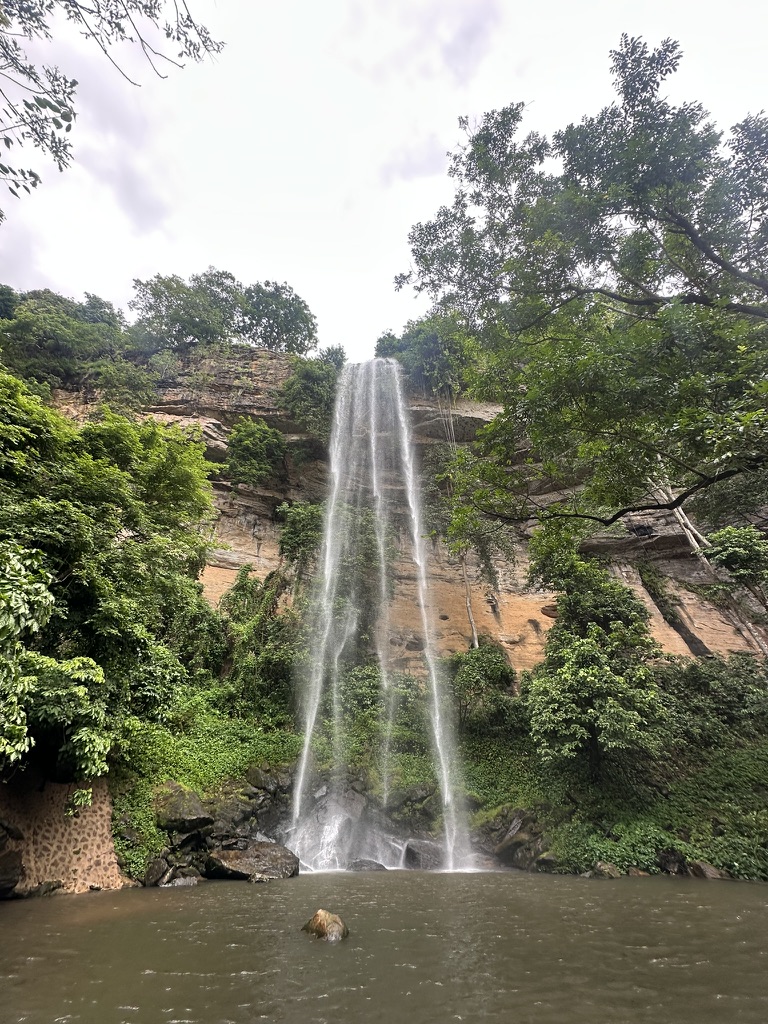
The landscapes.
The moments where the itinerary changed slightly because reality had other plans.
After 134 countries, I still find myself most interested in the trips that don’t come with a perfectly polished template.
And that is probably what I liked most about this one.
West Africa did not make itself particularly easy for me.
It did not need to.
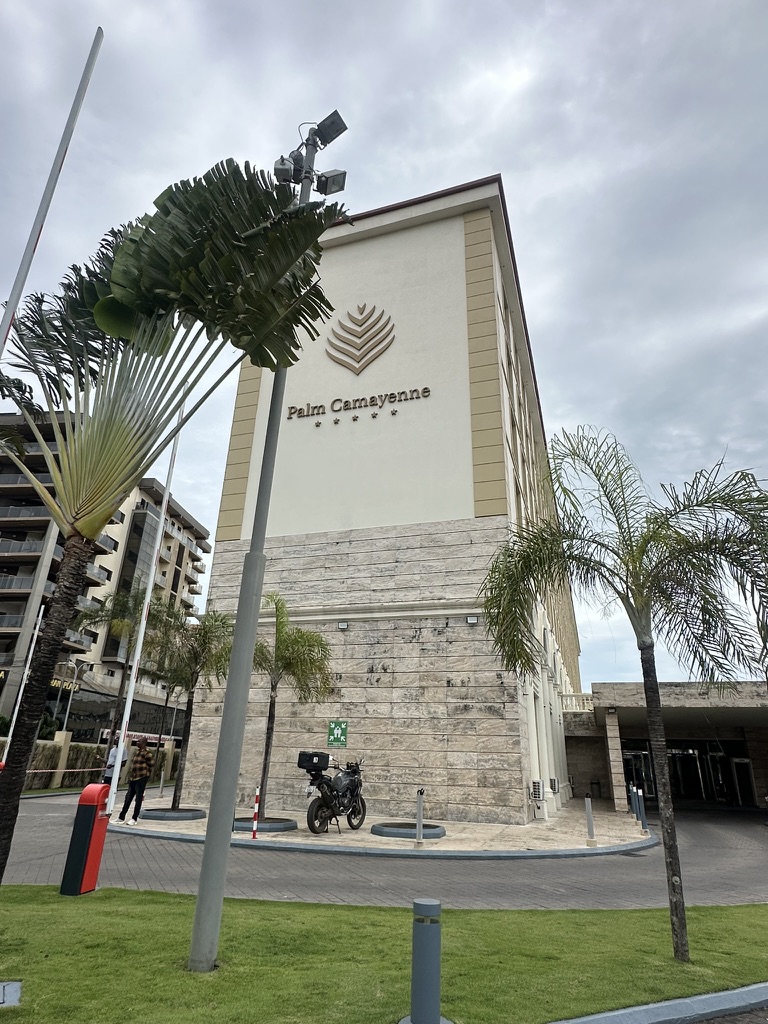
It was interesting anyway.
West Africa Overland Itinerary: A Flexible Two-Week Route
Here is the version I would recommend using as a starting point if you want to plan this journey yourself.
Days 1–3: Dakar, Senegal
Arrive in Dakar and explore the city.
Visit Independence Square, the Presidential Palace from the outside, the African Renaissance Monument, local markets and craft areas.
Take a day trip to Lac Rose.
Allow enough time to recover from your international flight before beginning the overland journey.
Days 4–5: The Gambia
Drive south from Dakar toward the Senegal–Gambia border.
Complete border formalities and continue toward Banjul.
Explore Arch 22, Albert Market, the National Museum and the Atlantic coast.
If you have the time, add an extra day rather than immediately moving on.
Days 6–7: Guinea-Bissau
Continue overland into Guinea-Bissau.
Explore Bissau’s historic center, Fortaleza d’Amura, local markets and surrounding areas.
Continue east toward Gabu.
Spend time experiencing rural Guinea-Bissau rather than treating Gabu purely as a transit stop.
Days 8–12: Guinea
Cross into Guinea at the Buruntuma border and continue toward Koundara.
Travel onward to Labé.
Use Labé as a base for exploring the Fouta Djallon Highlands.
Visit Kinkon Falls, Fulani villages and mountain viewpoints.
This is where I would add extra time if your schedule allows.
Days 13–14: Kindia and Conakry
Continue from Labé toward Kindia.
Visit Bridal Veil Falls and explore the surrounding area.
Continue to Conakry.
Allow time for the Grand Mosque, National Museum, Kaloum District and Artisan Center before your departure.
If you have more than two weeks, I would use the additional time to slow down rather than add another country.
Frequently Asked Questions About Traveling Through Senegal, The Gambia, Guinea-Bissau and Guinea
Can Indian passport holders travel to Senegal without a visa?
Current official information lists Indian ordinary passport holders as visa-exempt for stays of up to 90 days. Always confirm the latest requirements before departure.
Is Guinea-Bissau visa-on-arrival for Indians?
India’s Ministry of External Affairs currently lists Guinea-Bissau as offering visa on arrival to Indian nationals, while also advising travelers to obtain authorization from the Ministry of Interior through their host or employer. Requirements can change, so confirm before departure.
Do Indian travelers need a visa for The Gambia?
The Gambia’s current immigration guidance lists India among nationalities requiring a visa and clearance. Confirm the current procedure before your trip.
Can I do this West Africa itinerary independently?
Technically, parts of it can be arranged independently.
For this particular overland route, however, I would strongly recommend a reliable local guide.
The issue is not simply transportation. It is the paperwork, border procedures, local knowledge and unexpected changes along the way.
How difficult is traveling through Guinea?
Guinea can be logistically challenging.
Expect limited tourist infrastructure, long journeys, basic facilities in some areas, unreliable internet and limited food options outside major centers.
Is Guinea suitable for vegetarians?
Yes, but you need to plan.
Carry your own food and snacks, particularly for long road journeys and time spent outside major cities.
Can I get an eSIM for West Africa?
Yes, but coverage varies by country and region. I recommend arranging your connectivity before departure and not relying exclusively on mobile data.
How many days do I need for Senegal, The Gambia, Guinea-Bissau and Guinea?
I completed the route in nine days.
For a more comfortable trip, I recommend using around two weeks as a starting point.
You can extend it further if you want more time in Guinea, particularly around the Fouta Djallon Highlands.
Is this a luxury trip?
No.
You can certainly build luxury elements into parts of the itinerary, particularly in the larger cities, but the overland journey itself is not a luxury experience.
The infrastructure simply isn’t there in many parts of the route.
That is part of what makes it interesting, but it is also something you should understand before booking.
Can I get the contact details for your local guide?
Yes.
If you are seriously planning this route, get in touch with me directly and I can share the contact information for the local guide I used.
For this particular journey, having someone who knows the route and can deal with the bureaucracy is one of the most useful things I can recommend.
Practical Information for Planning Your Trip
Trip duration: I traveled the route in 9 days; I recommend approximately 2 weeks.
Countries: Senegal, The Gambia, Guinea-Bissau, Guinea
Starting point: Dakar, Senegal
Ending point: Conakry, Guinea
Travel style: Overland with a local guide
Best for: Experienced travelers, Africa enthusiasts, travelers interested in less-developed tourist destinations and people comfortable with long road journeys.
Vegetarian travelers: Bring your own food and snacks.
Connectivity: Get an eSIM before traveling and download maps and documents for offline access.
Guide: Strongly recommended for this particular route, especially for border crossings and paperwork.
My trip: June 2026
More Africa Travel from Wayfarer Footprints
If you are planning an unconventional Africa trip, you can explore my other Africa travel guides on Wayfarer Footprints.
You can also read my Namibia travel guide and explore my other destination guides.
For more about my travels, books and the philosophy behind Wayfarer Footprints, visit Wayfarer Footprints.
About the Author
Ankitha Rajendaran is a travel creator, author and Africa specialist who has traveled to 134 countries, including 41 countries across Africa, while maintaining a career in marketing.
Through Wayfarer Footprints, she writes about unconventional destinations, solo travel, complicated passports, long road journeys and the realities of traveling beyond the standard tourist circuit.
Her approach to travel is simple: there is no single correct way to see the world.
Sometimes that means a luxury hotel.
Sometimes it means a terrible road for ten hours because there is somewhere you really want to go.
Both count.
Travel Disclosure
This article is based on my personal experience traveling through Senegal, The Gambia, Guinea-Bissau and Guinea in June 2026.
Entry requirements, border procedures, transportation, accommodation, road conditions and local conditions can change. Always verify current visa and entry requirements with the relevant government or embassy before traveling.
The information in this article reflects my experience on the route at the time of travel and is not a substitute for current official travel advice.
Some arrangements on my trip may have involved local tourism providers or partners. All opinions and experiences described here are my own.
More from this region
← Browse all Africa guides