Timor-Leste Travel Guide: A 5-Day Itinerary Through Dili, Ainaro & Balibo
Published on July 1, 2026
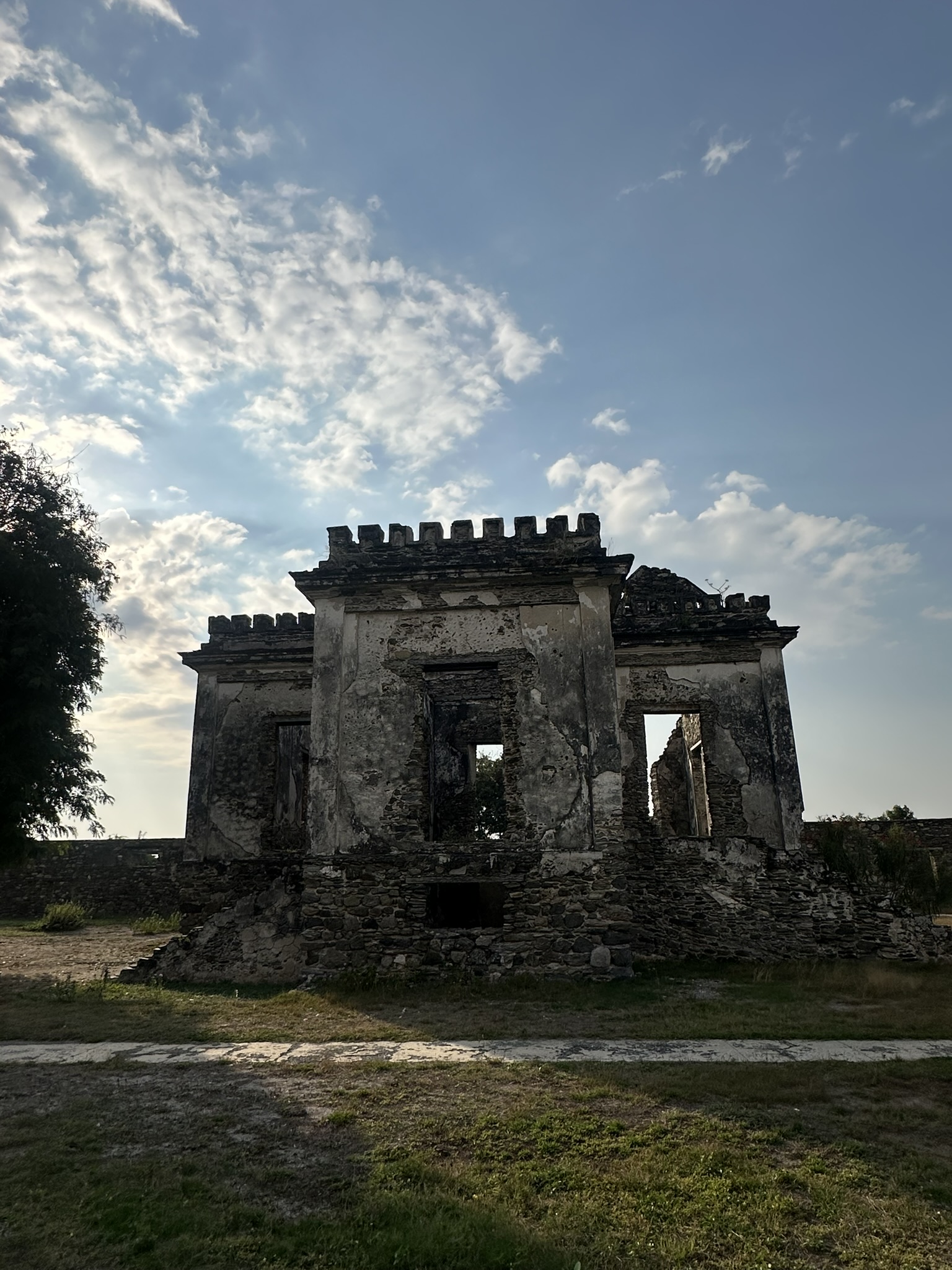
Exploring one of Southeast Asia’s least-visited countries on a birthday trip from Dubai
There are countries you visit because everyone tells you to go.
And then there are countries you visit because you realize you know almost nothing about them.
Timor-Leste was very firmly in the second category.
For my 38th birthday in July 2026, my husband and I decided to spend five days exploring Timor-Leste, one of the least-visited countries in Southeast Asia.
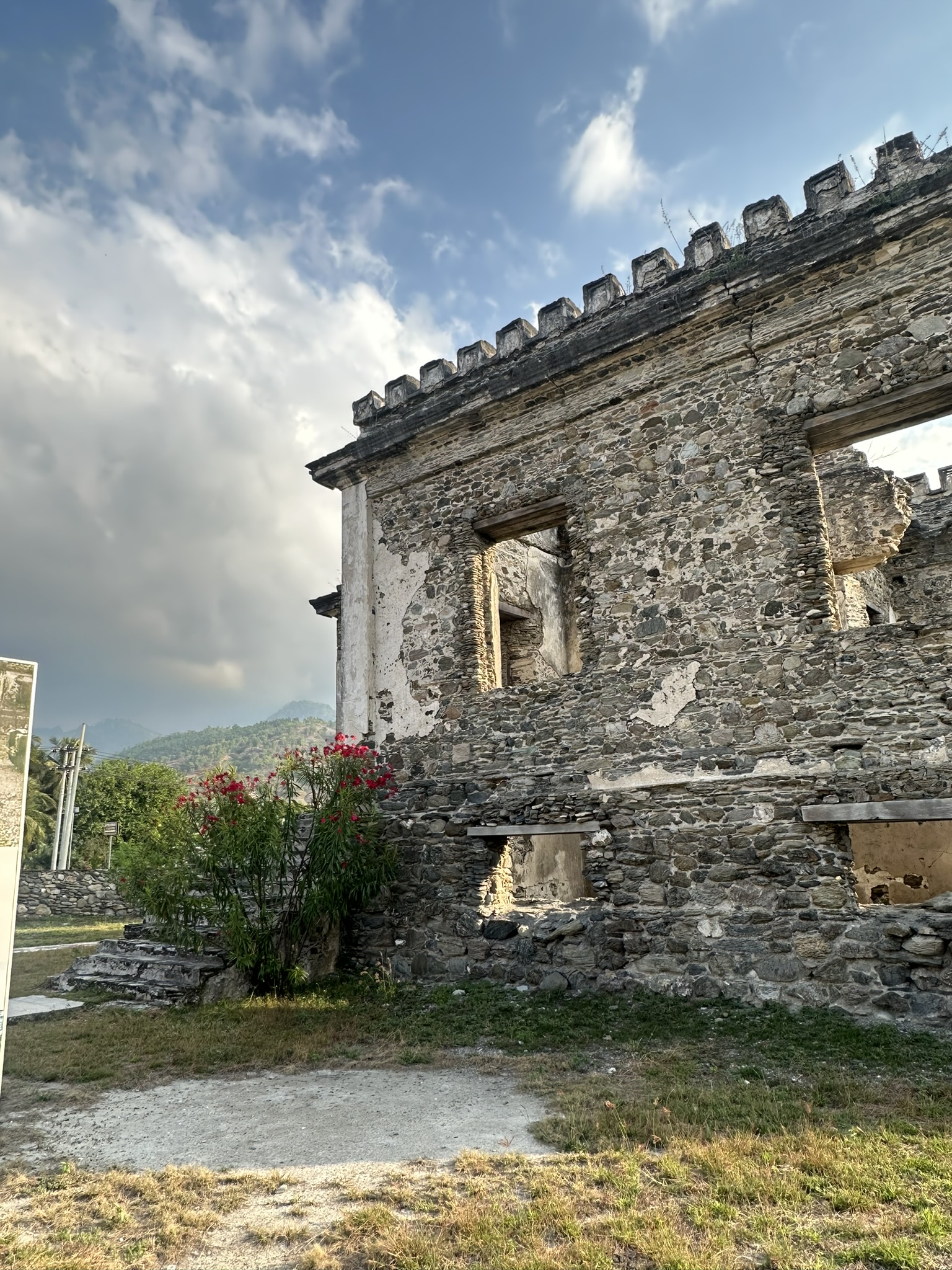
It wasn’t the obvious birthday choice. There were no overwater villas, famous beach clubs or long list of “must-see” attractions to work through.
Instead, there were mountain roads, waterfalls, historic towns, Portuguese-era architecture, complicated modern history, quiet beaches, an enormous statue overlooking the sea, and a country that still feels like it is figuring out how it wants to welcome travelers.
And honestly, that was exactly what I wanted.
Timor-Leste is not a destination I would recommend because it is polished or easy. It is interesting precisely because it isn’t.
The country sits where Southeast Asia meets the Coral Triangle, with dramatic mountains rising almost directly from the sea. The official tourism board describes it as a place of reefs, peaks and living culture, and that combination is probably the simplest way to understand why I found it so compelling.
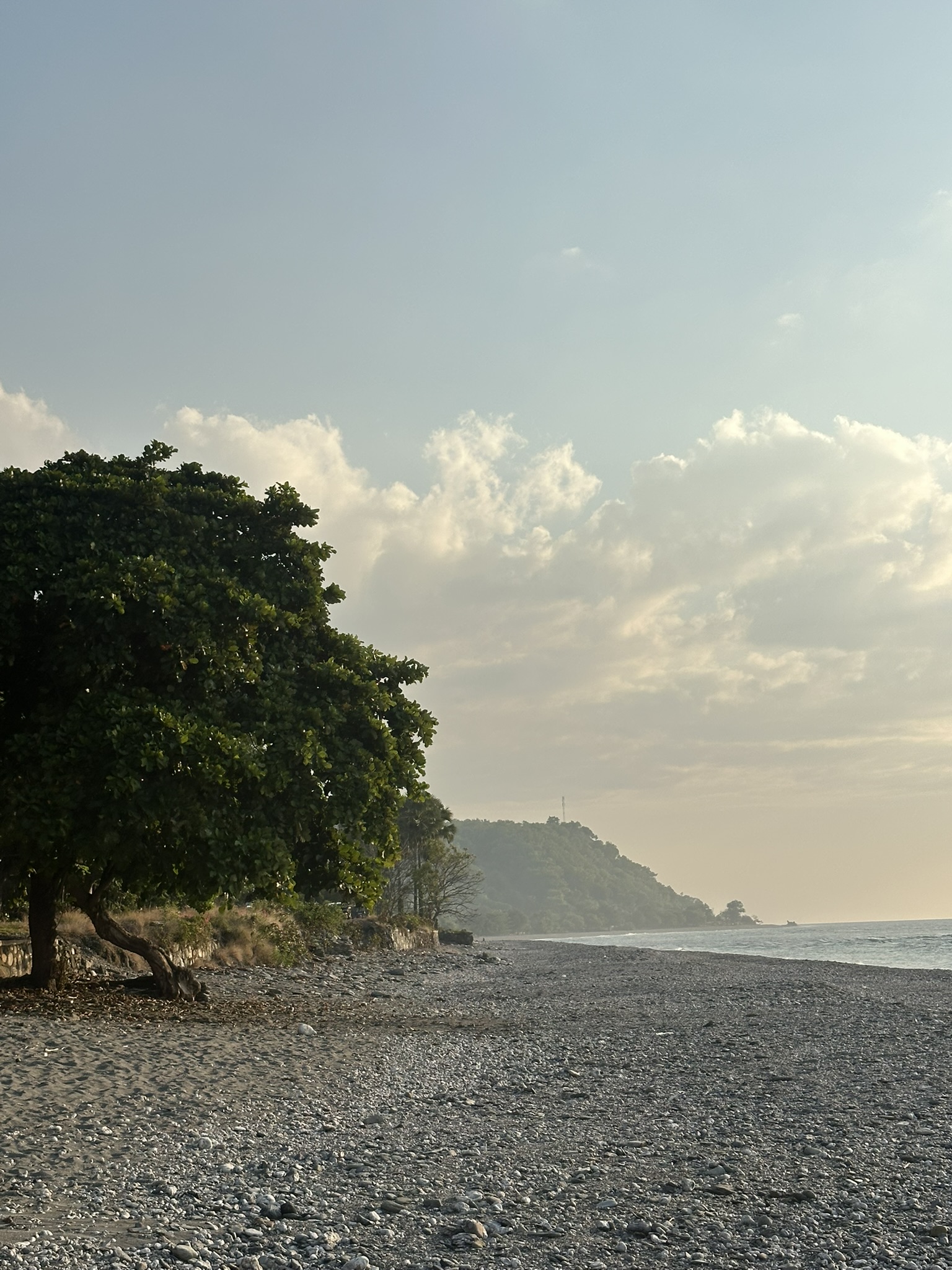
This was a short trip, but it gave us a taste of three very different sides of Timor-Leste: the mountains around Ainaro, the history of Balibo, and the coastal capital of Dili.
If you’re looking for an offbeat Southeast Asia itinerary that feels very different from the usual Thailand–Vietnam–Bali circuit, this is one to consider.
Quick facts about our Timor-Leste trip
Country: Timor-Leste, also known as East Timor
Trip length: 5 days
When we went: July 2026
Traveling with: My husband
Base: Dili
Regions explored: Dili, Ainaro, Maubisse/Rabilau area and Balibo
Travel style: Private road trip with a local guide
Best for: Nature, history, culture, road trips and travelers who like less-developed destinations
Ideal trip length: 5–10 days depending on how much of the country you want to cover
Capital: Dili
Currency: US dollar
Language: Tetum and Portuguese are the official languages; Indonesian and English are also used in different parts of the country
For official planning information, I recommend checking the Timor-Leste Tourism website before your trip, particularly for current entry requirements and transportation information.
Why Timor-Leste?
I’ll be honest: I wasn’t looking for another Southeast Asian beach holiday.
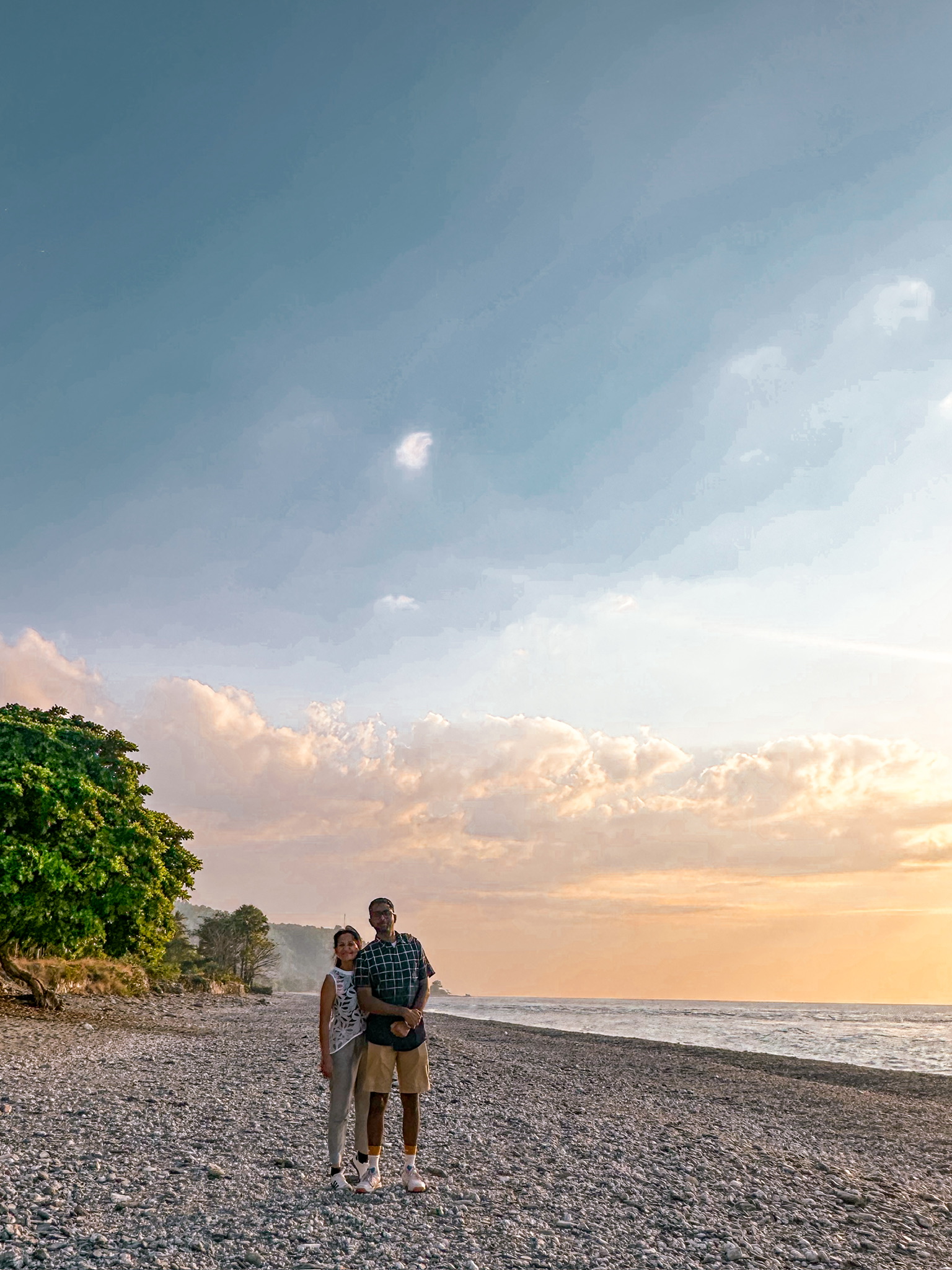
I’ve been to enough countries now to know that “beautiful beaches” isn’t, by itself, enough to get me on a plane.
What interested me about Timor-Leste was how little of the country seemed to have been packaged for international tourism.
This is still a place where you can drive for hours and feel like you’re seeing a country rather than a tourism product.
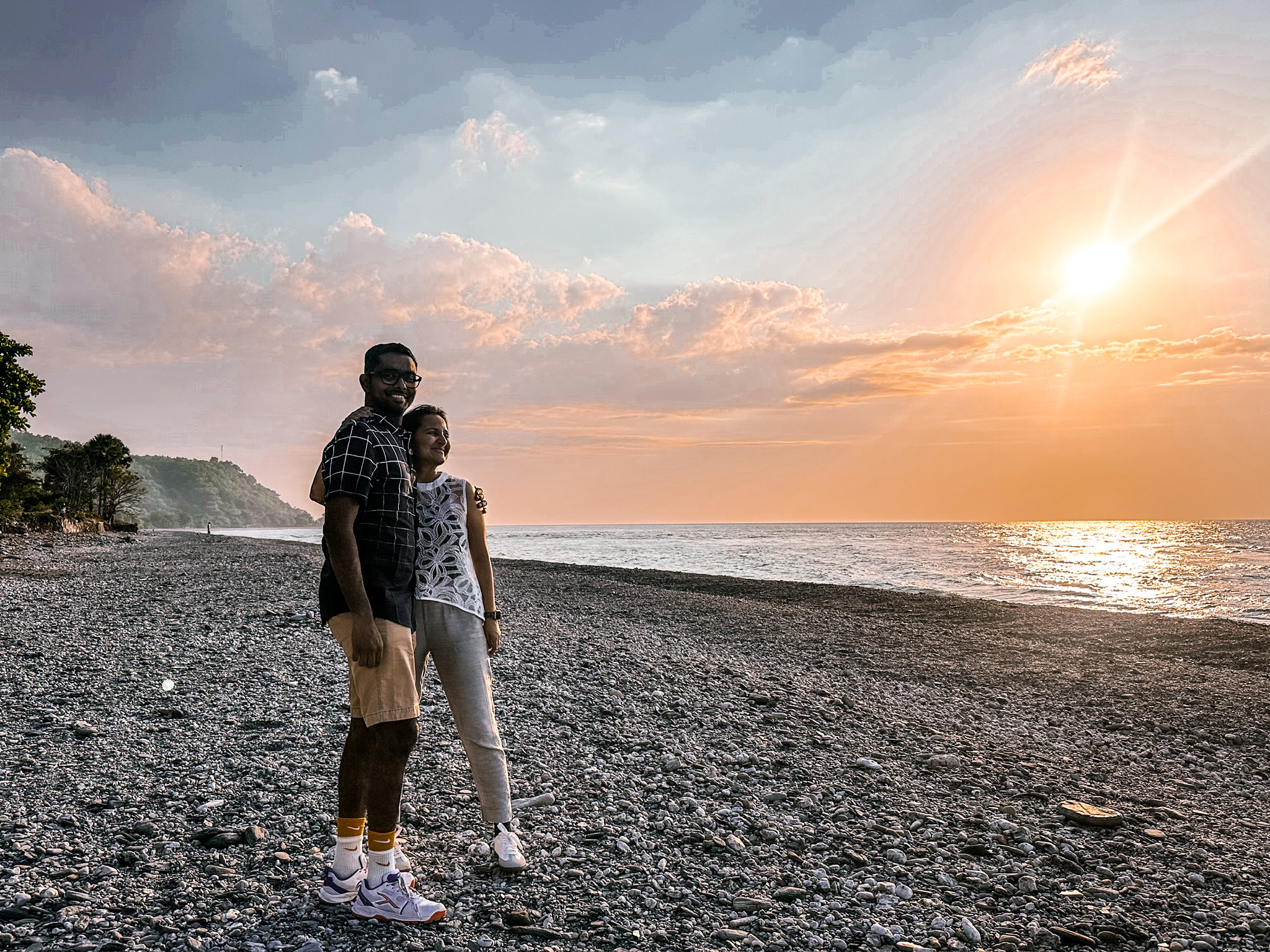
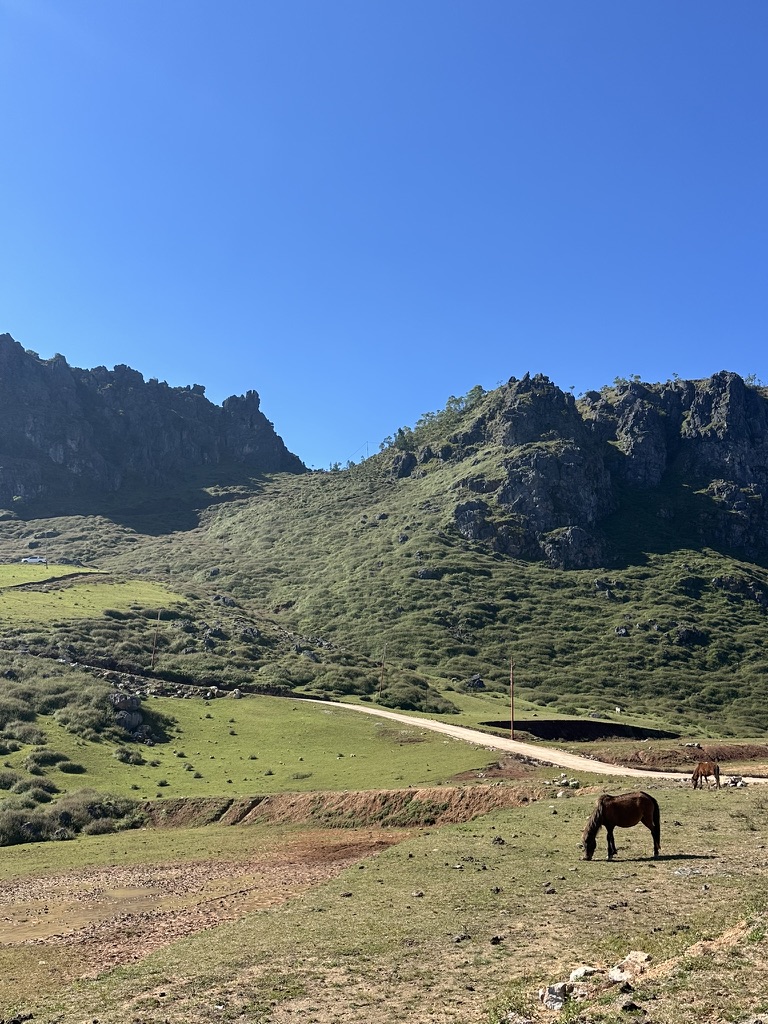
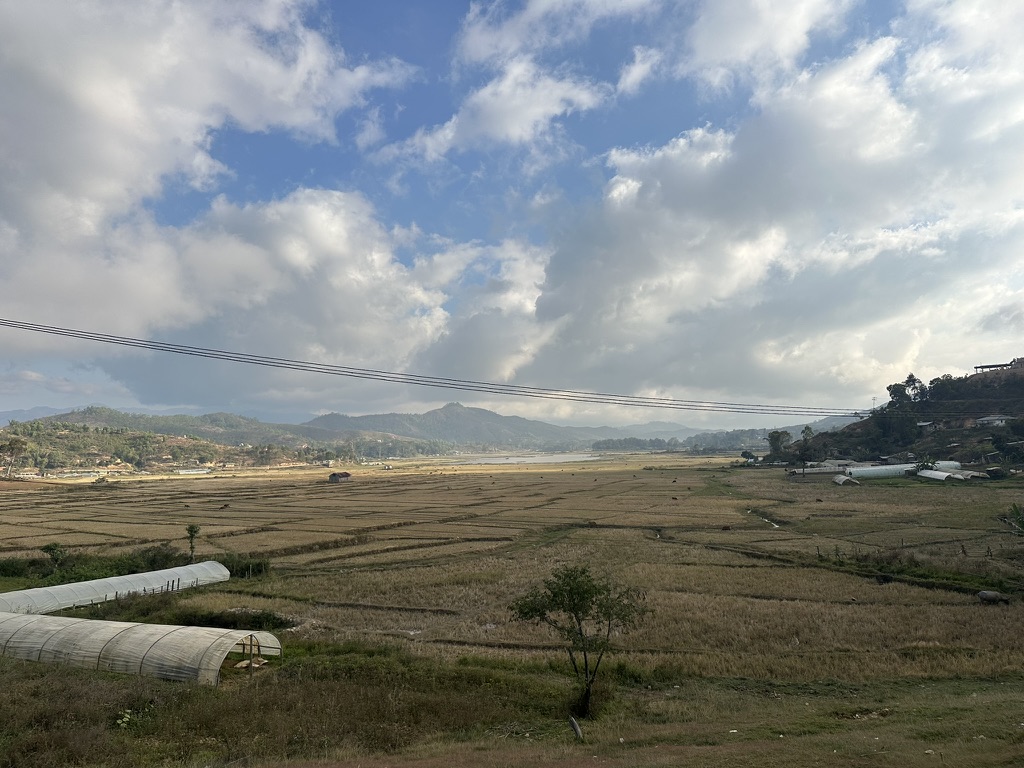
The landscape changes dramatically as you leave Dili. The dry, coastal environment gives way to cooler mountain air, steep green valleys and small communities. Ainaro and the surrounding highlands feel completely different from the capital.
Then there is the history.
Timor-Leste’s modern history is inseparable from Portuguese colonialism, Japanese occupation, Indonesian rule and the country’s long struggle for independence. You cannot really understand the country by looking only at its beaches and mountains.
And that combination of nature and history is what made the trip interesting for me.
Our 5-Day Timor-Leste Itinerary
Our trip was built around Dili, with day trips into the mountains and west toward Balibo.
If you’re planning your own trip, I would use this as a framework rather than a rigid schedule. Roads, weather and local conditions can make timings flexible.
Day 1 — Dili → Ainaro → Dokomali Waterfall → Maubisse/Rabilau → Dili
Day 2 — Dili → Balibo → History & Heritage → Dili
Day 3 — Dili → Cristo Rei Sunrise → Dili sightseeing
Day 4 — Dili + coastal and cultural exploration
Day 5 — Flexible day: Atauro, Baucau or additional Dili experiences
The first three days were the core of our experience. I’ve added Day 4 and Day 5 as practical extensions because, if you’re already making the effort to get to Timor-Leste, five days gives you enough room to see more than the capital and the two road trips we did.
Day 1: The Mountains of Ainaro
Our first proper day in Timor-Leste took us away from the coast and into the mountains.
We left Dili early and headed toward Ainaro.
This is where Timor-Leste started to feel completely different.
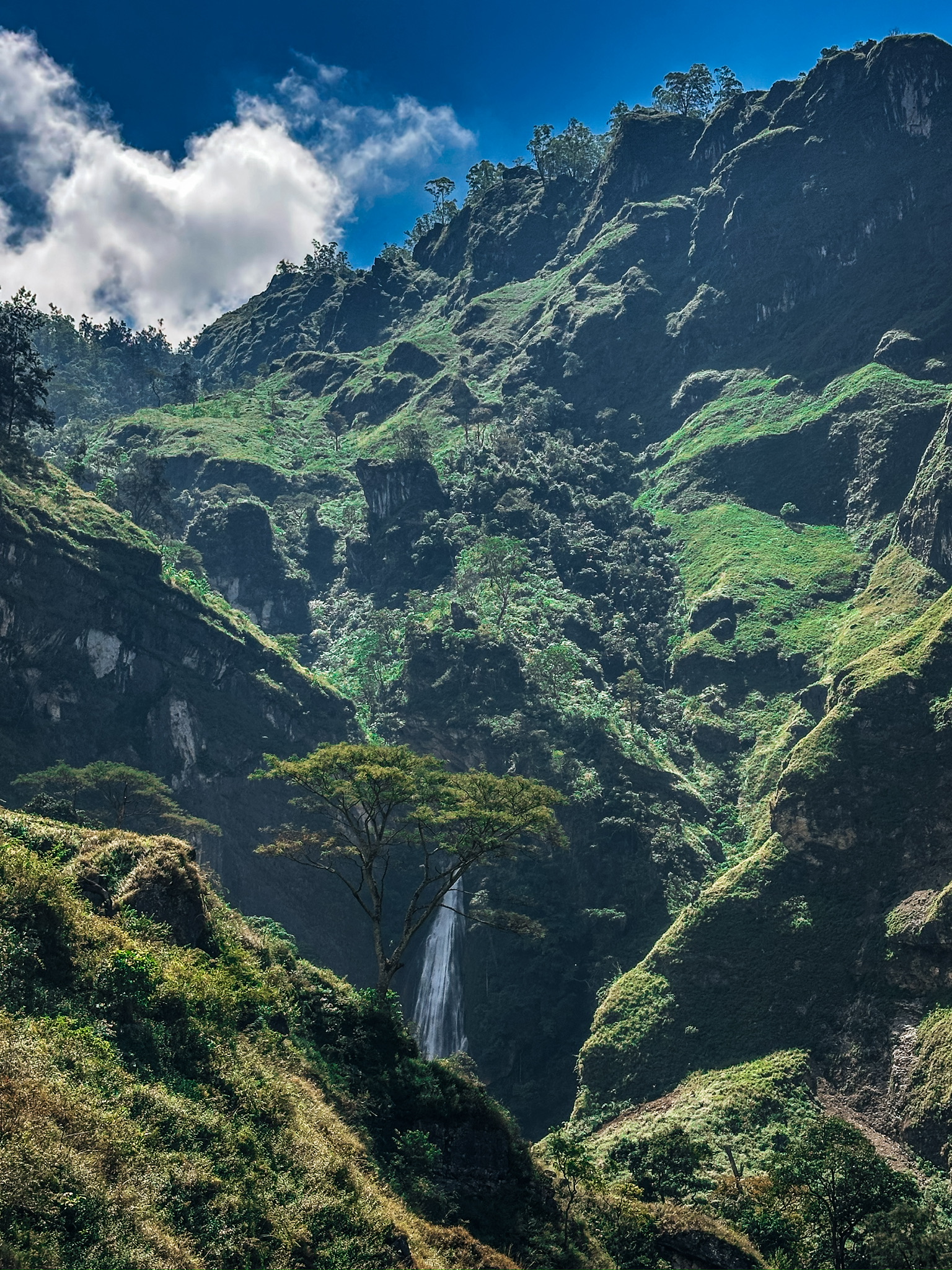
The roads wind through increasingly dramatic mountain scenery, and the journey itself becomes part of the experience. The highlands around Ainaro are home to some of the country’s most spectacular landscapes, including Mount Ramelau, Maubisse, Hato Builico and Dokomali Waterfall.
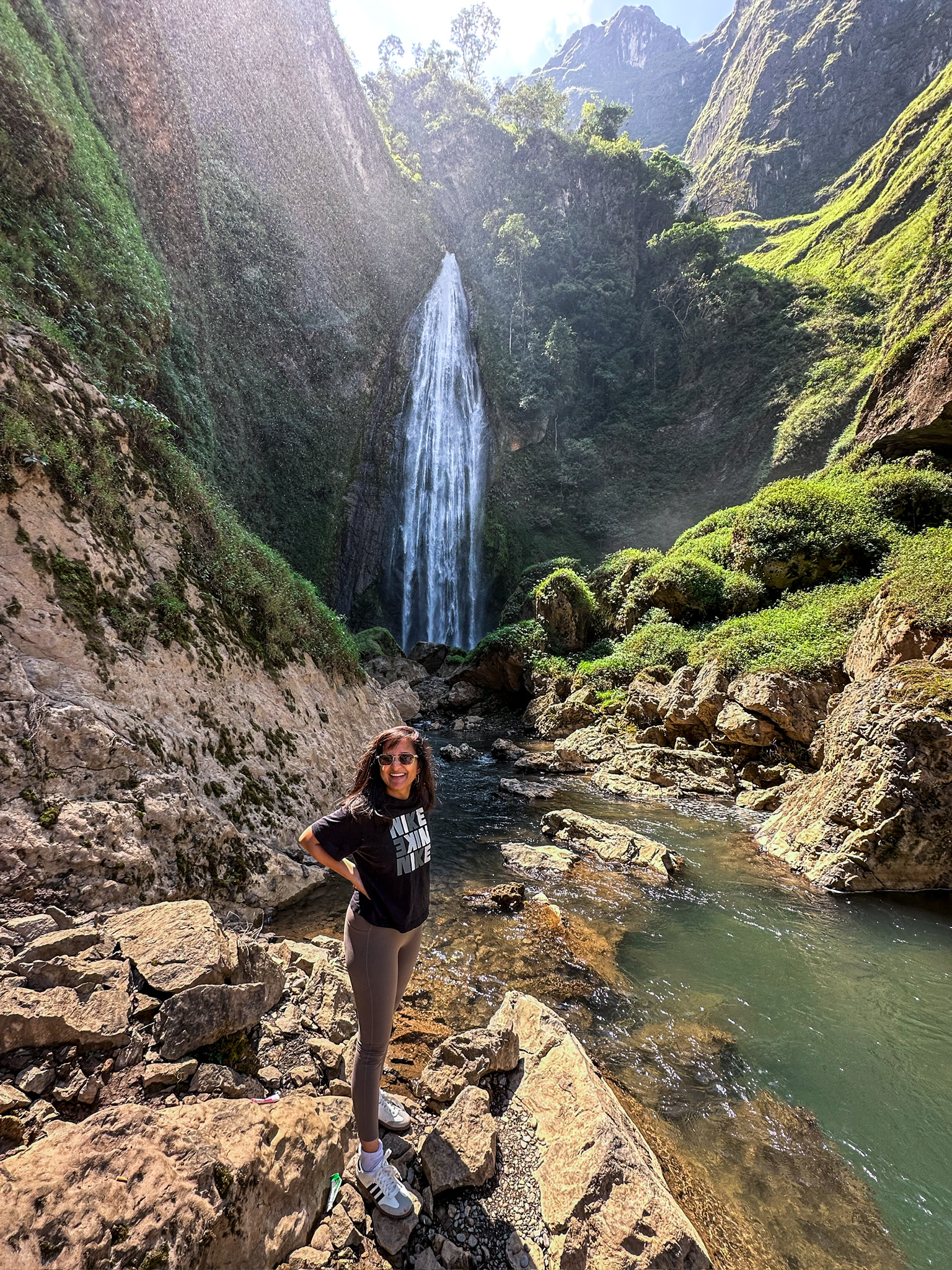
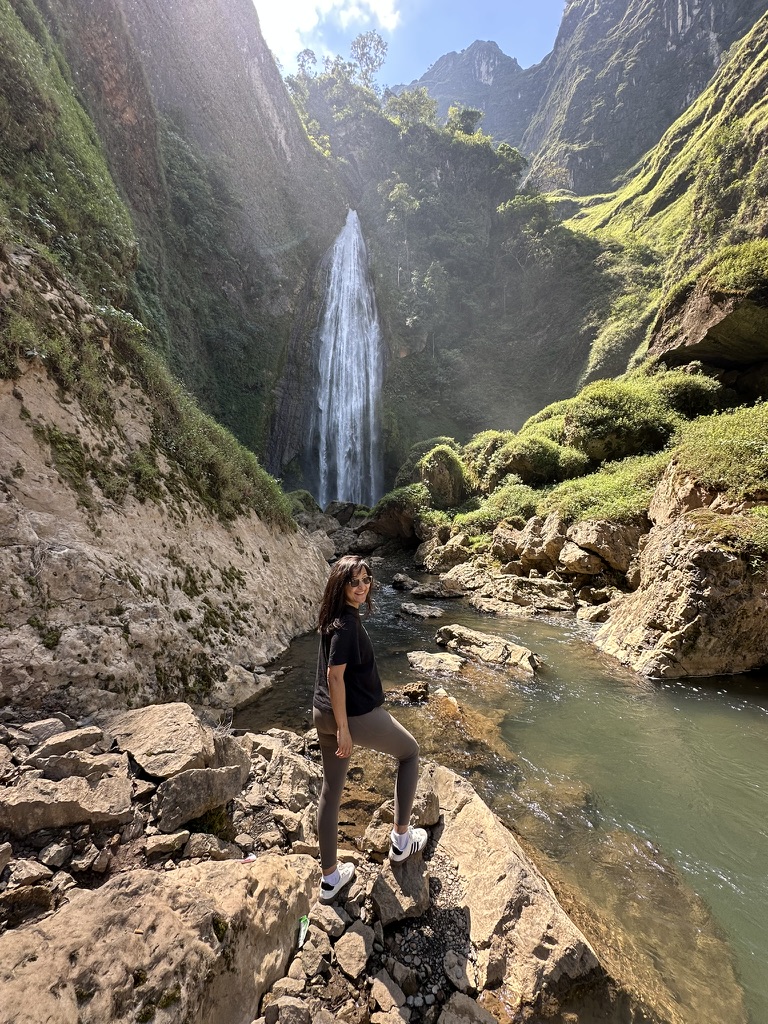
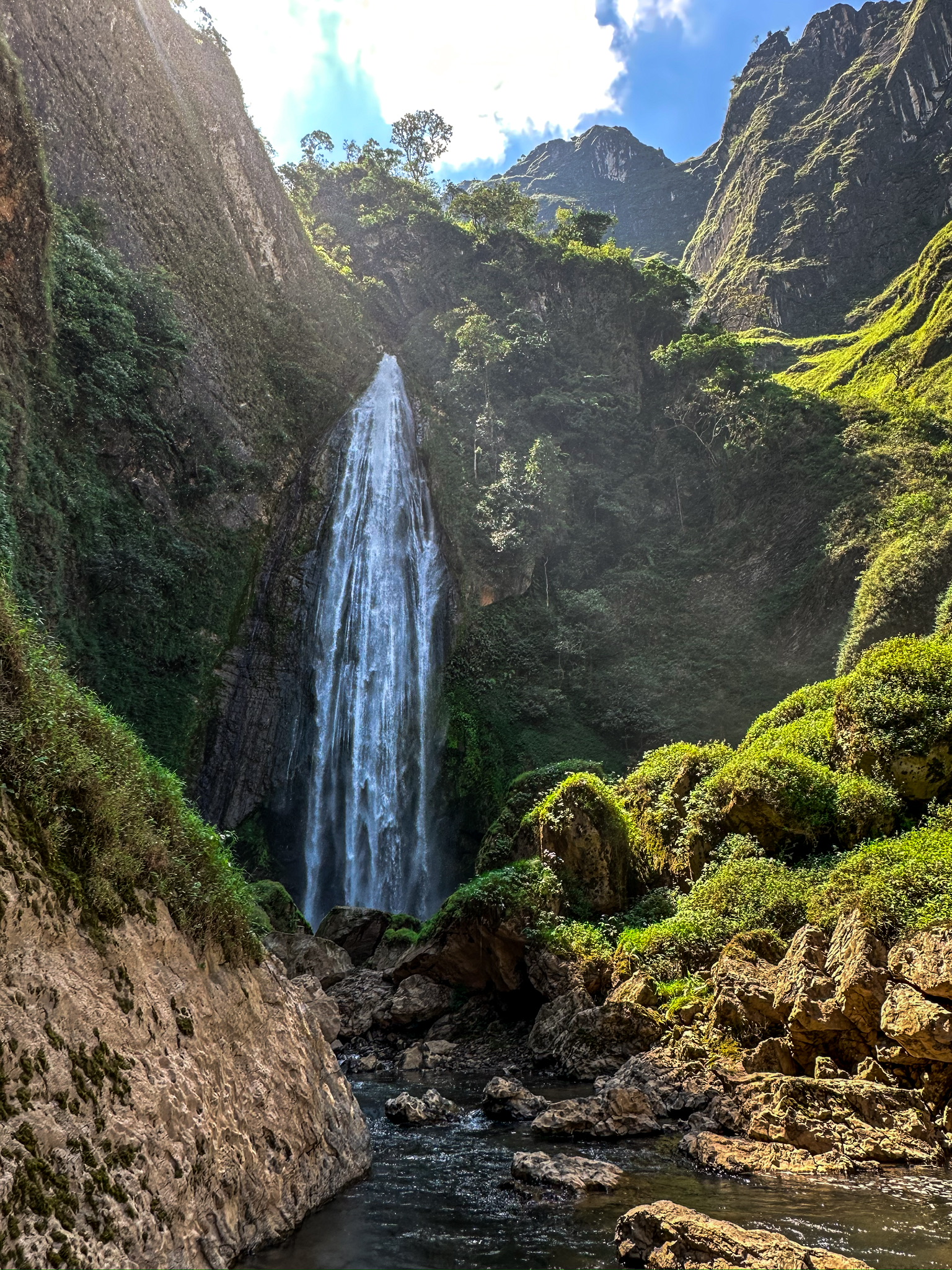
Our main stop was Dokomali Waterfall.
Official Timor-Leste Tourism guide to Dokomali Waterfall
Dokomali is tucked away in the mountains and requires a walk to reach it. The waterfall is surrounded by thick greenery, and the experience is much more about getting there than simply arriving at a viewpoint, taking a photograph and leaving.
The official tourism board now describes the Dokomali experience as a community-based day trip combining the waterfall hike with local cultural experiences and a highland lunch.
That is exactly the sort of travel experience I tend to look for.
Not because it is “hidden.”
But because there is actually something to experience along the way.
Maubisse and Rabilau
We also explored the Maubisse and Rabilau area.
Maubisse sits high in the mountains and has a noticeably cooler climate than Dili. The area is surrounded by mountain scenery, agricultural land and traditional communities.
Nearby Mount Rabilau offers panoramic views and a pilgrimage site at the summit. The area has also been developed with local tourism in mind.
For me, this was one of the biggest surprises of the trip.
You don’t necessarily come to Timor-Leste expecting mountain landscapes like this.
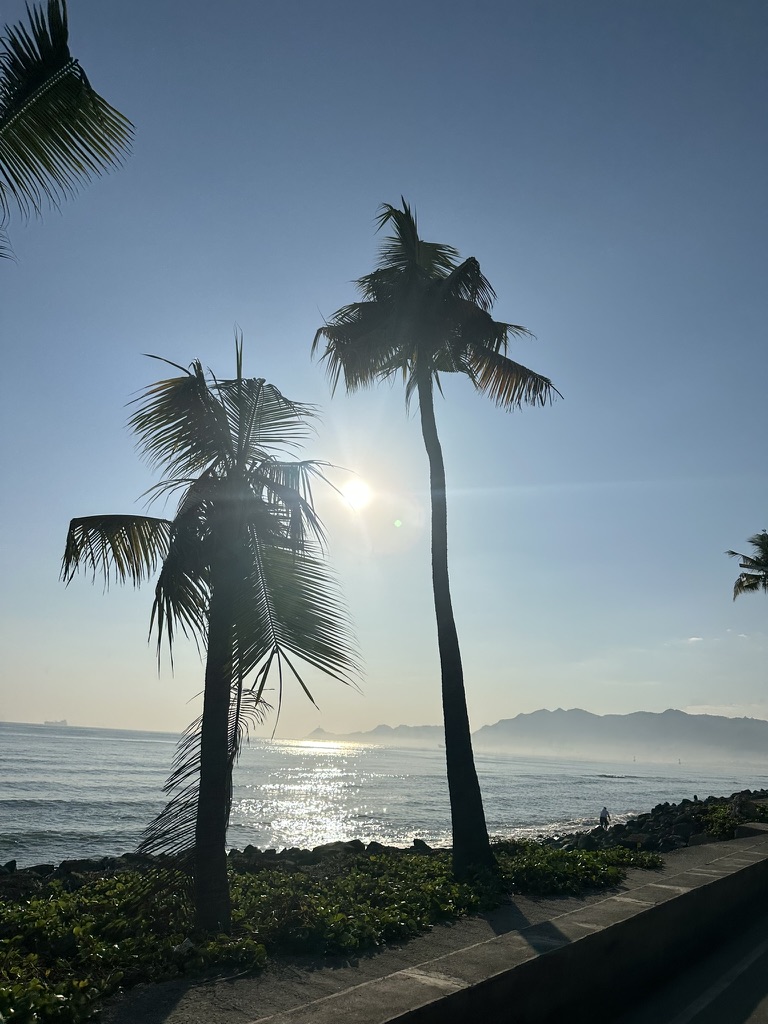
And then suddenly you’re driving through them.
We eventually made our way back toward Dili.
It was a long day, but it was also the day that made me realize that Timor-Leste wasn’t going to be a quick “see the capital and leave” kind of country.
Day 2: Balibo and the History of Timor-Leste
The following day was very different.
We drove west toward Balibo, a small hill town in Bobonaro municipality.
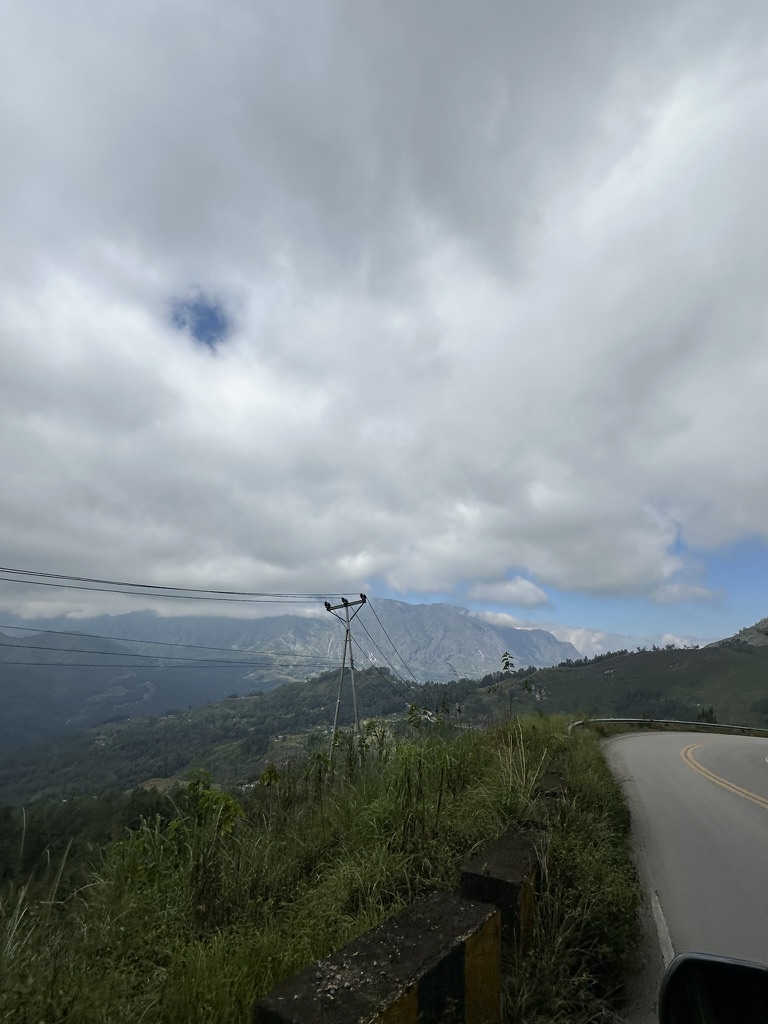
Balibo is one of those places where the landscape is only half the story.
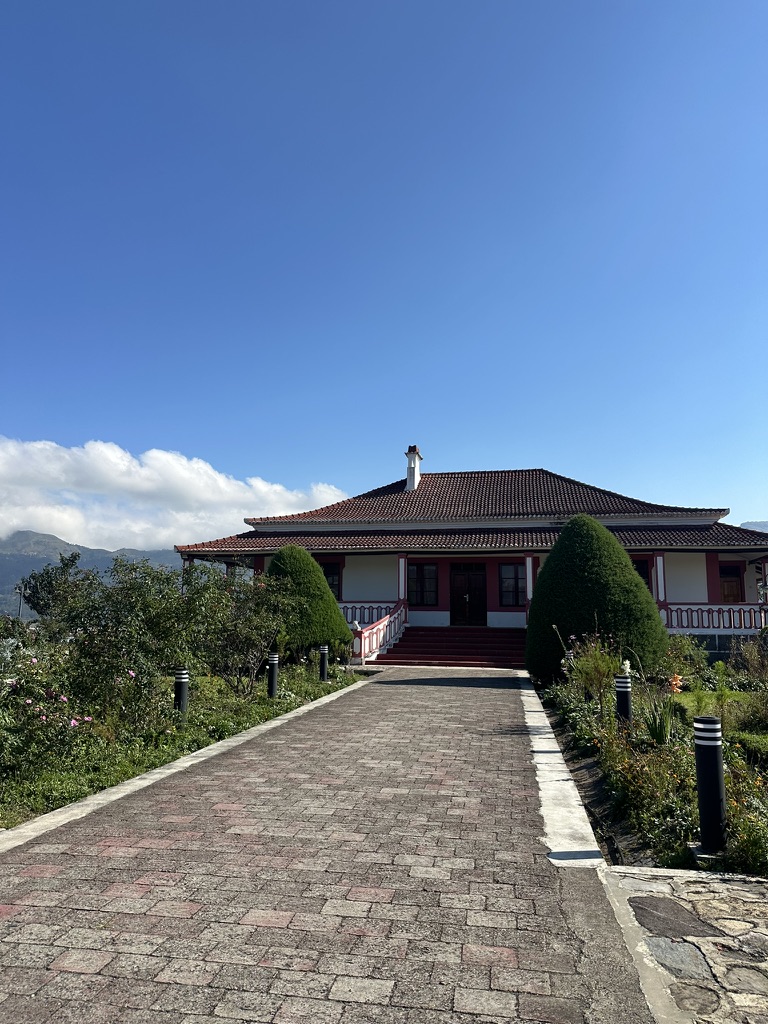
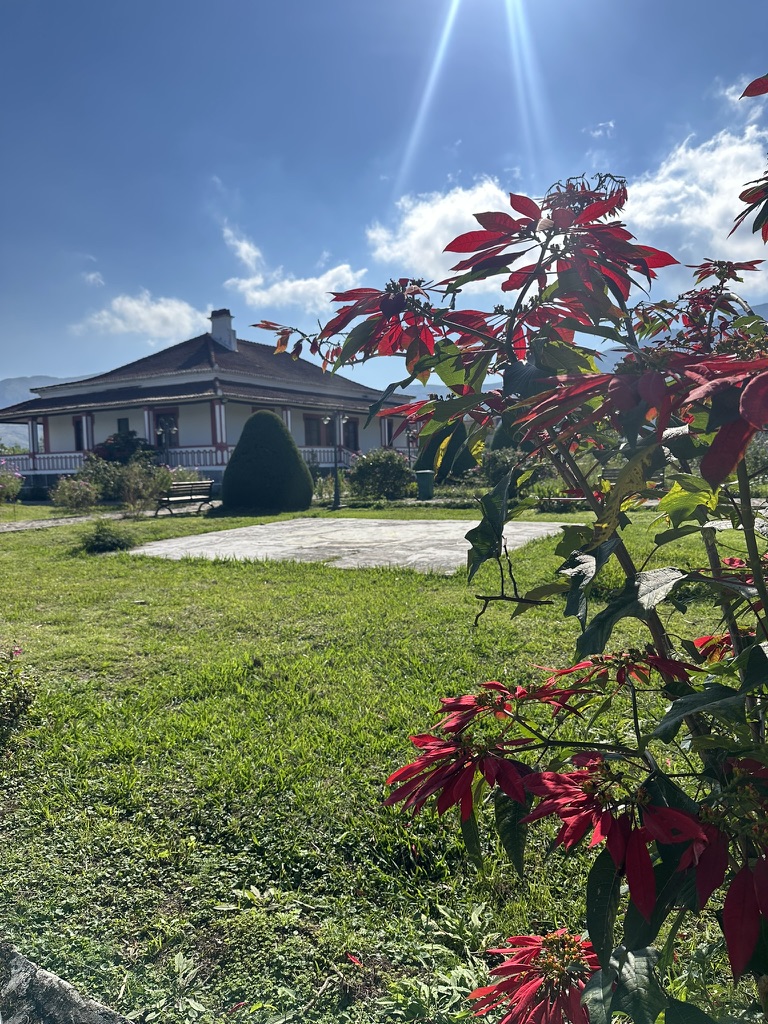
The town is built around a historic Portuguese fort, which has sweeping views over the surrounding countryside. The fort has since been restored and now incorporates a boutique hotel and restaurant.
But the reason Balibo matters goes far beyond the fort.
The Balibo Five
Balibo became internationally known because of the deaths of five Australian-based journalists there in 1975 during the Indonesian invasion of Timor-Leste.
The Balibo House documents their story and forms an important part of the town’s modern history.
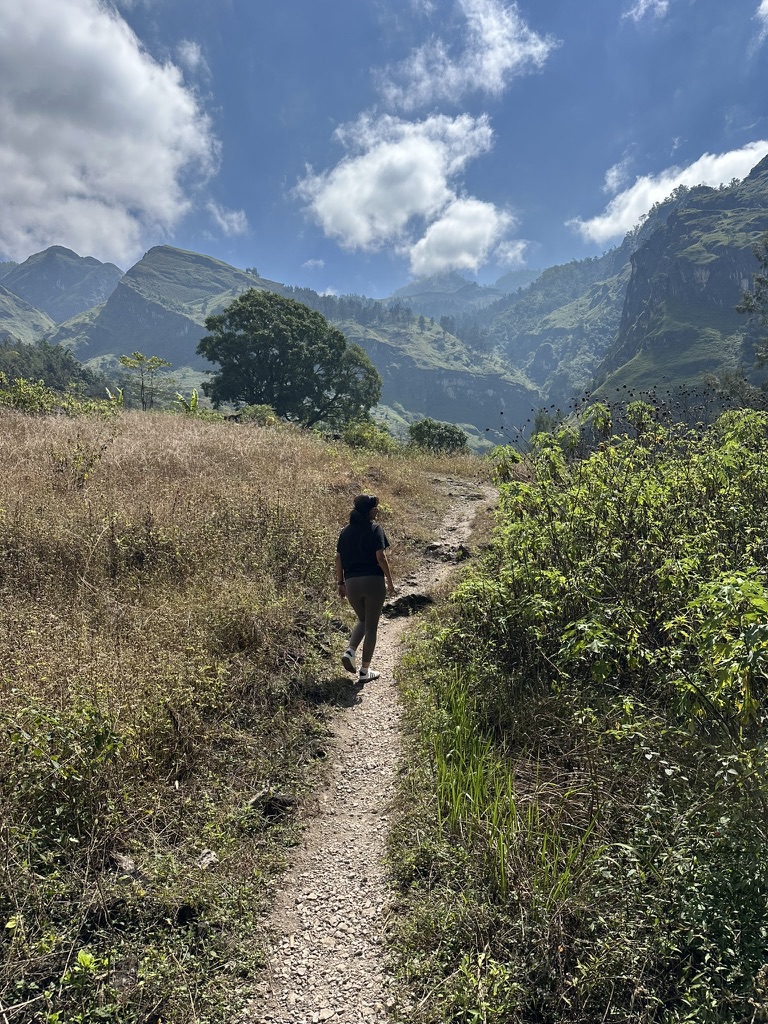
This was one of those stops where having a local guide made a genuine difference.
You can walk around a historic building yourself.
Understanding what happened there is another thing entirely.
Timor-Leste’s history is not particularly simple, and I would not recommend treating places like Balibo as quick photo stops.
Read the history before you go.
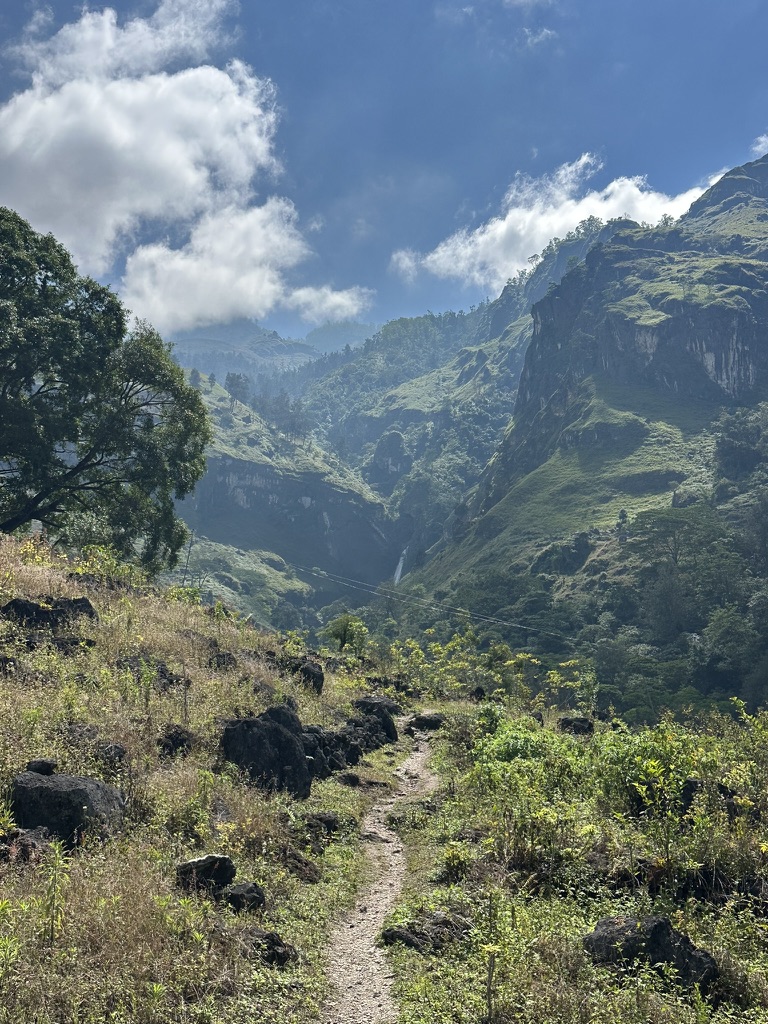
Ask questions.
Give yourself time to understand why these places matter.
The official tourism material also highlights nearby historic sites such as Maubara Fort and the old Aipelo Prison, both of which can be incorporated into a longer western Timor-Leste road trip.
We returned to Dili later in the day and spent the evening exploring the city.
Day 3: Sunrise at Cristo Rei and Dili
We woke up early.
Very early.
Because if you’re going to climb more than 500 steps before breakfast, you might as well do it for sunrise.
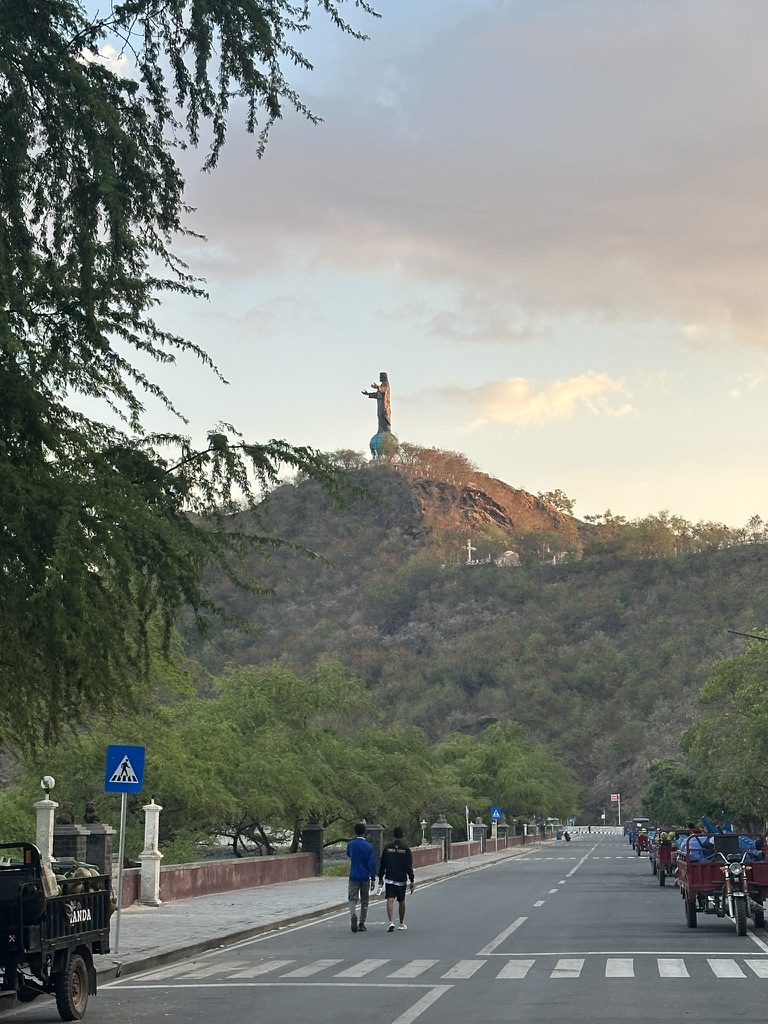
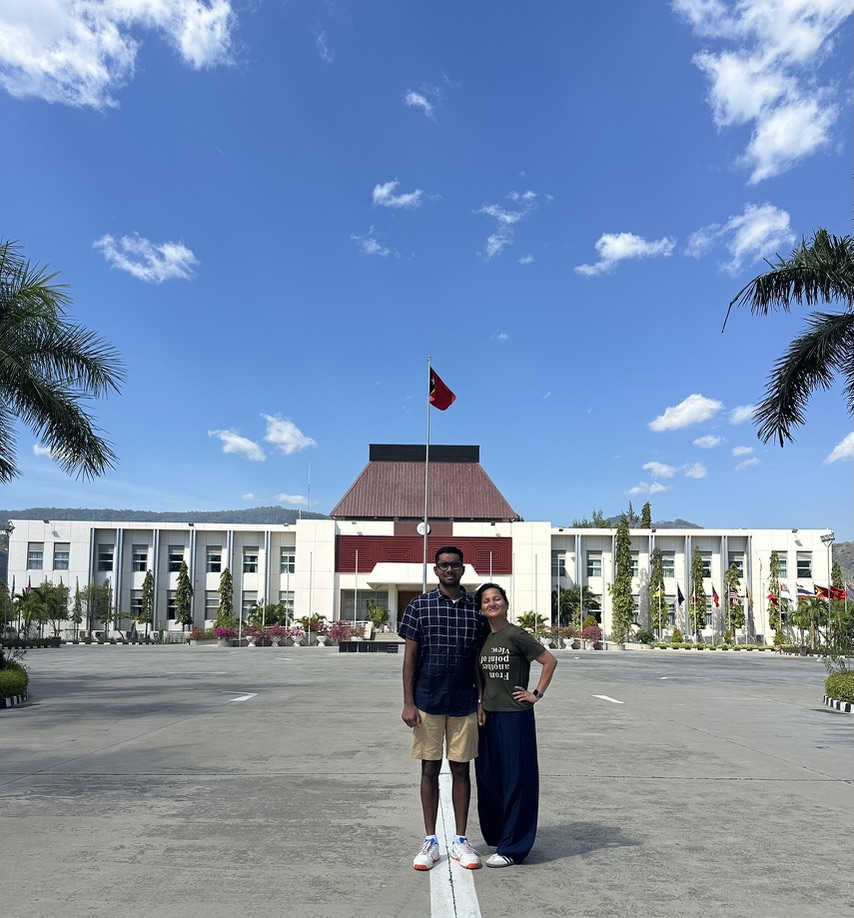
Cristo Rei is probably the most recognizable landmark in Dili.
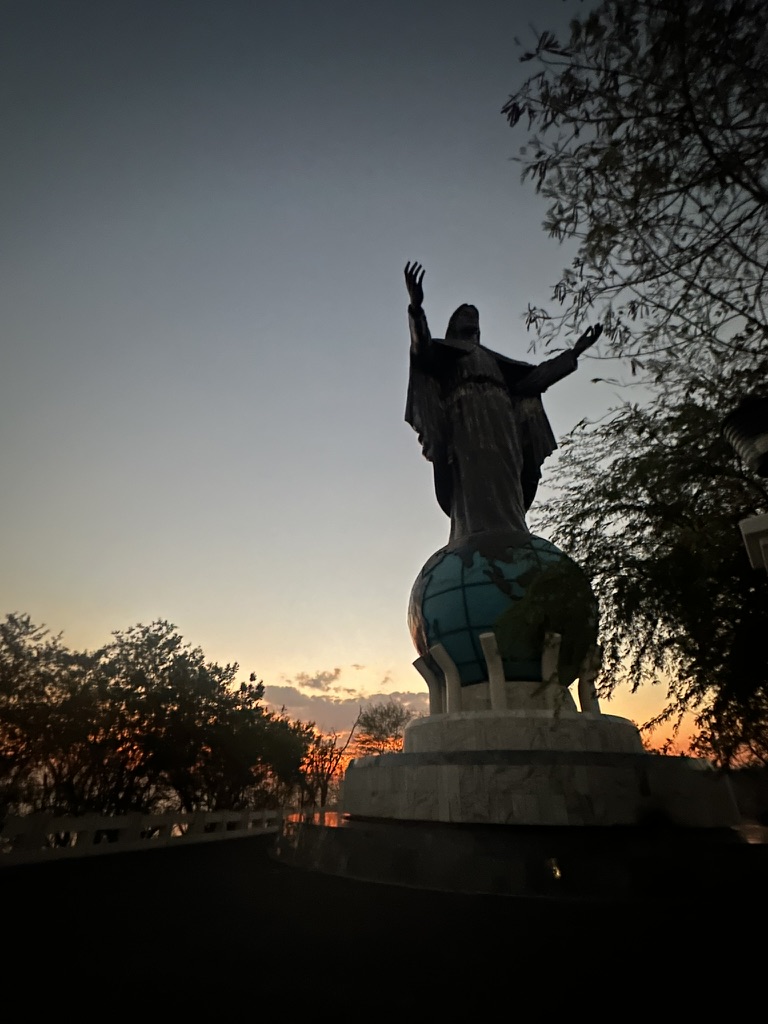
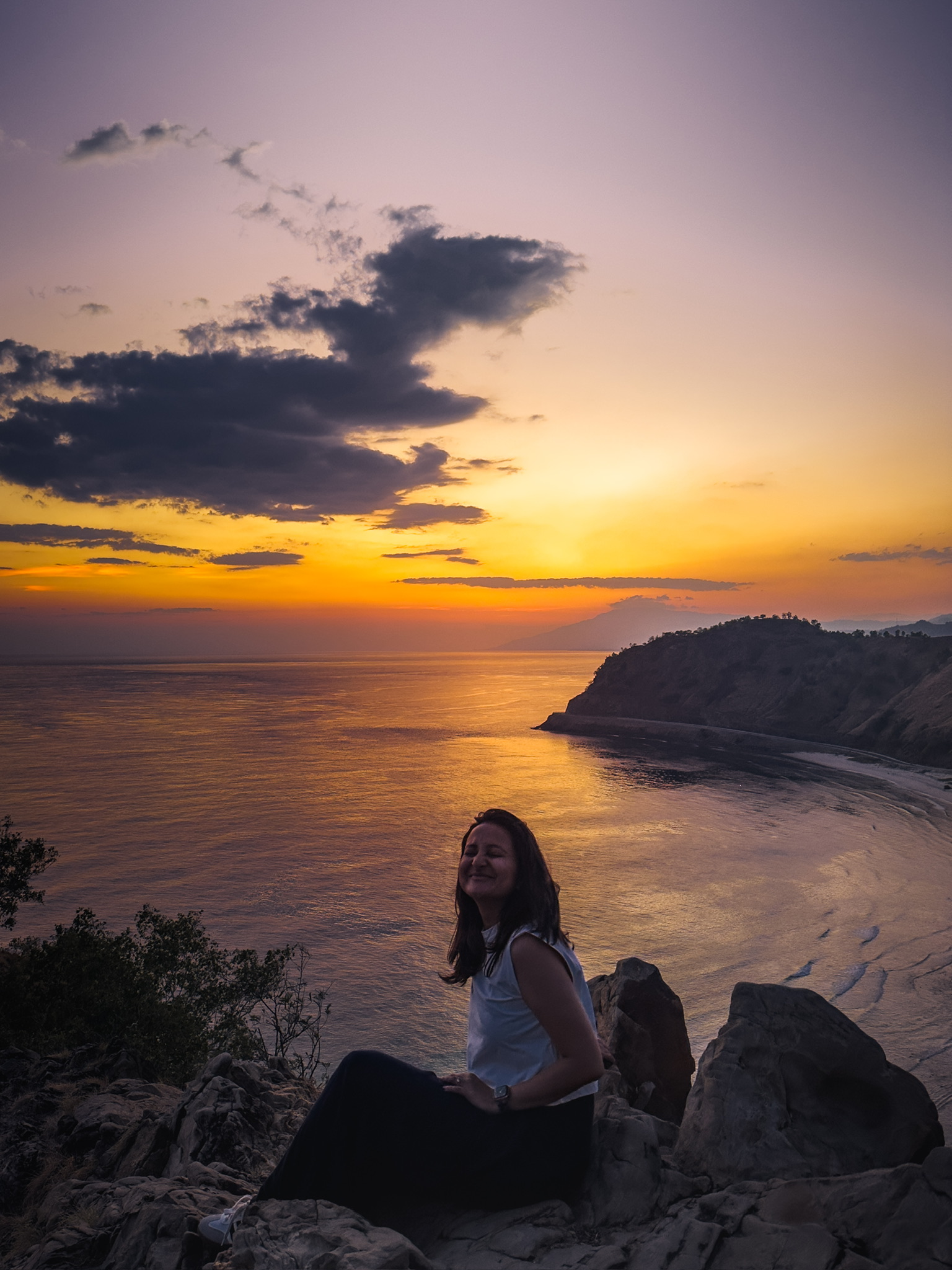
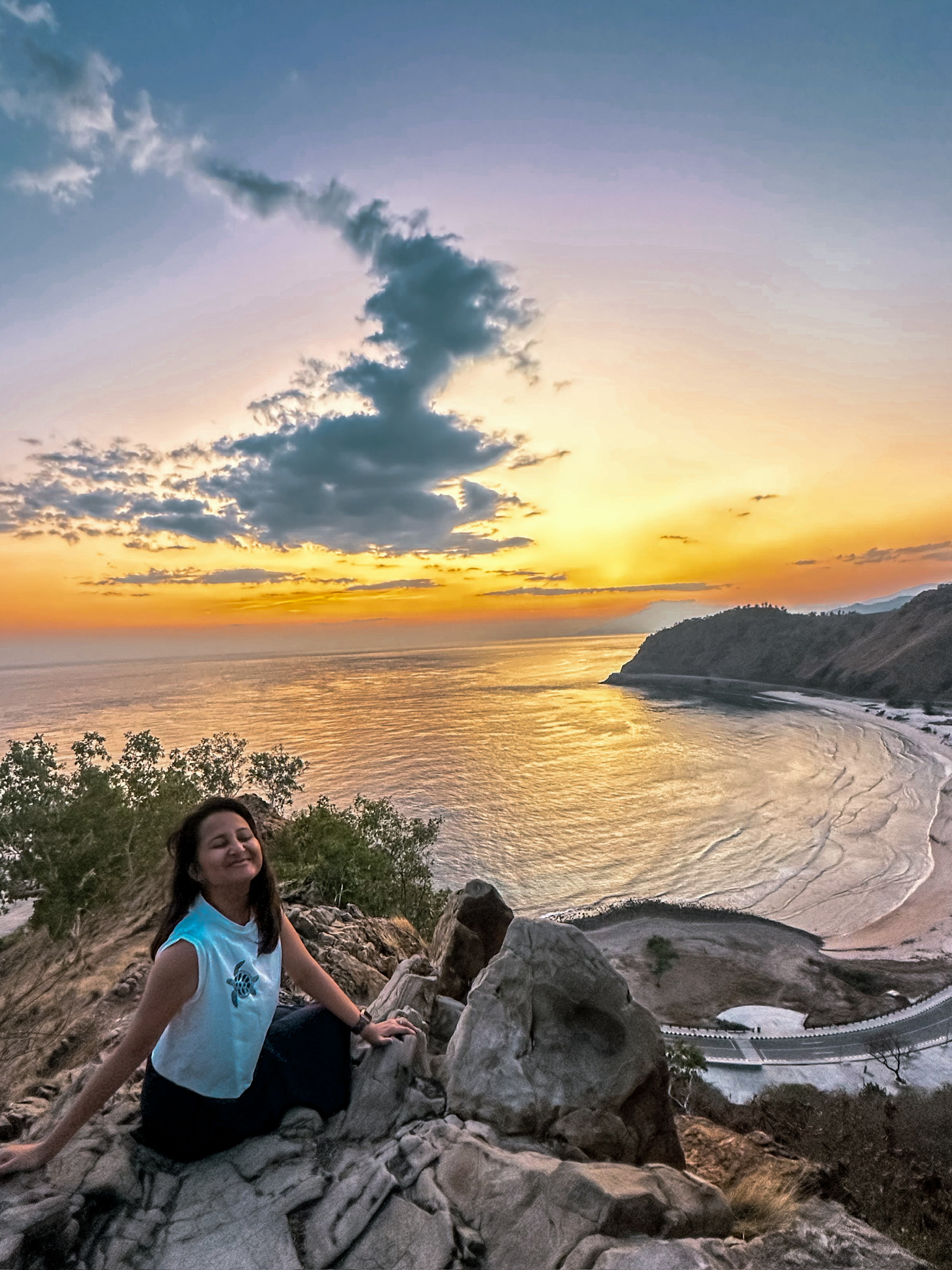
The 27-meter statue of Christ stands on Cape Fatucama overlooking the Bay of Dili. More than 500 steps lead up to the statue, passing the Stations of the Cross along the way.
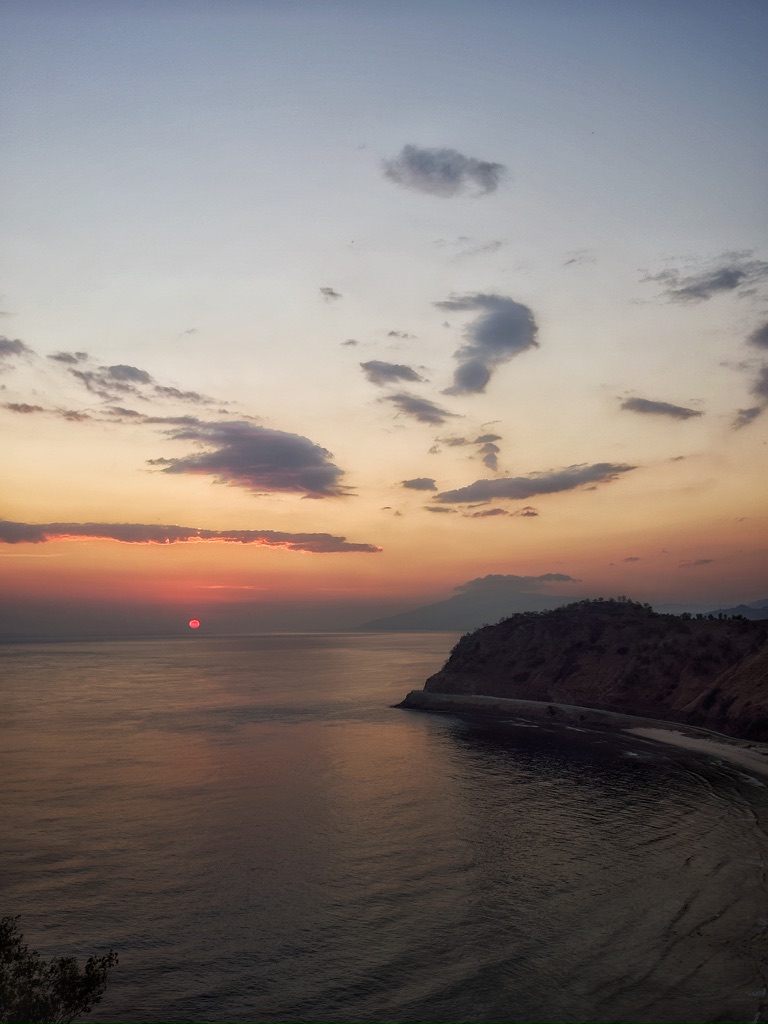
We arrived in the early morning to catch the sunrise.
And this is exactly when I would recommend visiting.
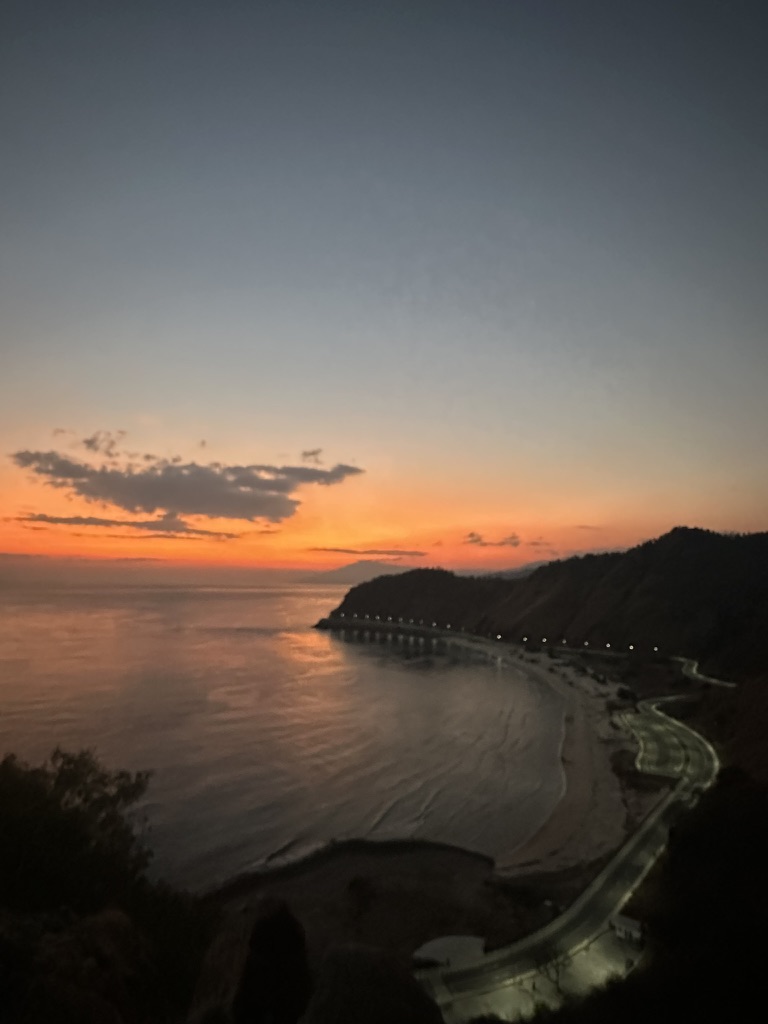
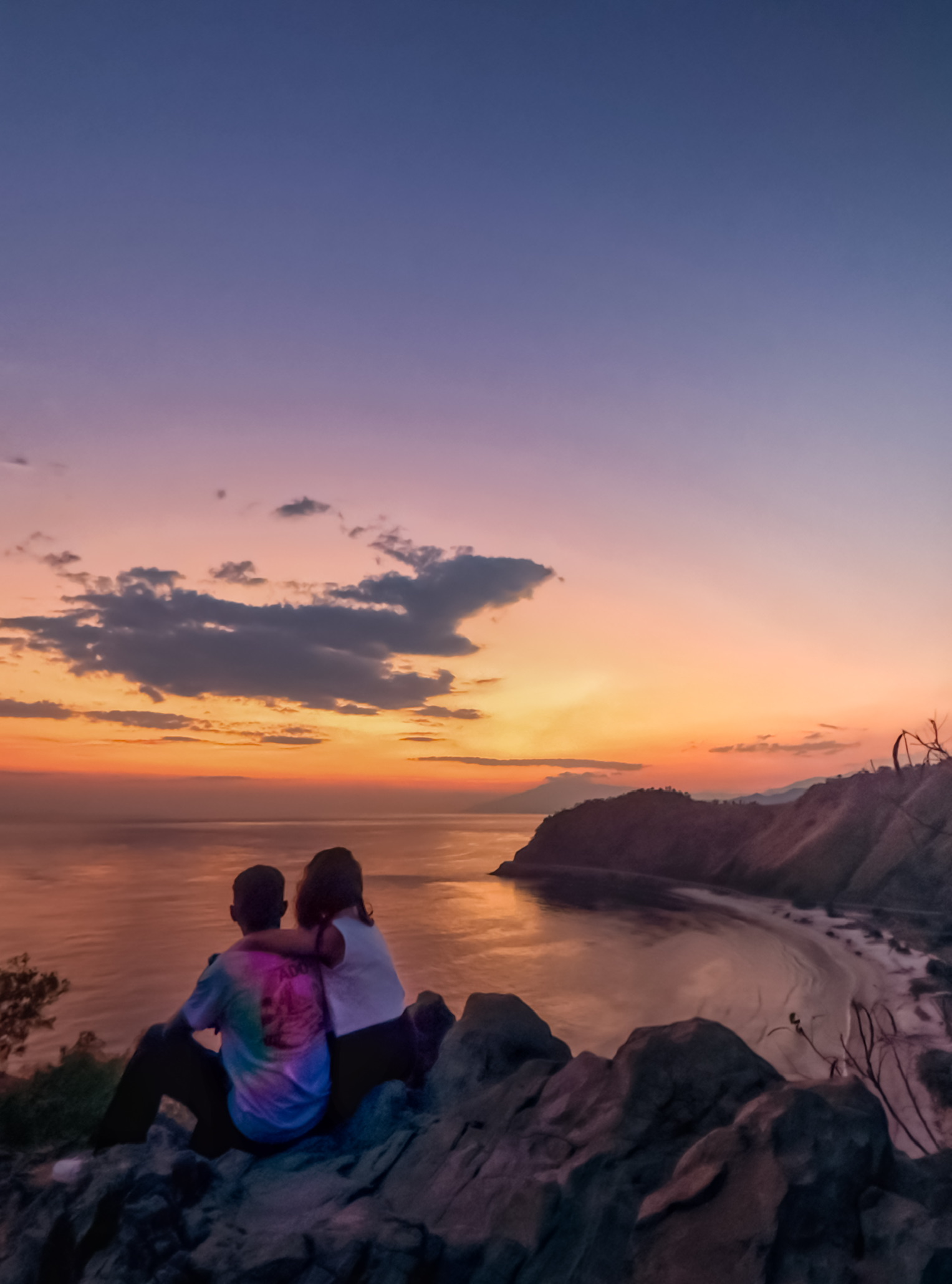
The heat is much easier to handle, the light is beautiful and the views over Dili and the coastline make the climb worth it.
From the top, you can see the sea stretching away from the city and, on a clear day, toward Atauro Island.
There are also beaches on either side of the headland, including Cristo Rei Beach and the quieter Dolok Oan, or Back Beach.
After Cristo Rei, we headed back to the hotel, checked out and spent the remaining time exploring Dili before continuing to the airport.
Day 4: What I Would Add to a 5-Day Timor-Leste Itinerary
If you have five full days rather than simply using five days as a loose trip window, I would give yourself another day around Dili and the coast.
There is enough to fill it without turning the trip into an attraction checklist.
Maubara Fort
If you didn’t visit Maubara while heading toward Balibo, it makes a good addition to a western road trip.
The historic fort dates to the Portuguese and Dutch colonial period and is one of the country’s more interesting heritage sites.
The official tourism site also highlights Maubara as part of Timor-Leste’s colonial heritage.
Dare Memorial Museum
For travelers interested in understanding Timor-Leste’s independence story, the Dare Memorial Museum is another place worth considering.
It’s a different experience from simply seeing monuments around Dili because it gives you more context for the country’s recent history.
Timorese Resistance Archive and Museum
The Timorese Resistance Archive and Museum in Dili is another important stop if you want to understand the independence struggle.
I would personally build at least one dedicated history stop into any first trip to Timor-Leste.
The country makes much more sense once you understand what it has been through.
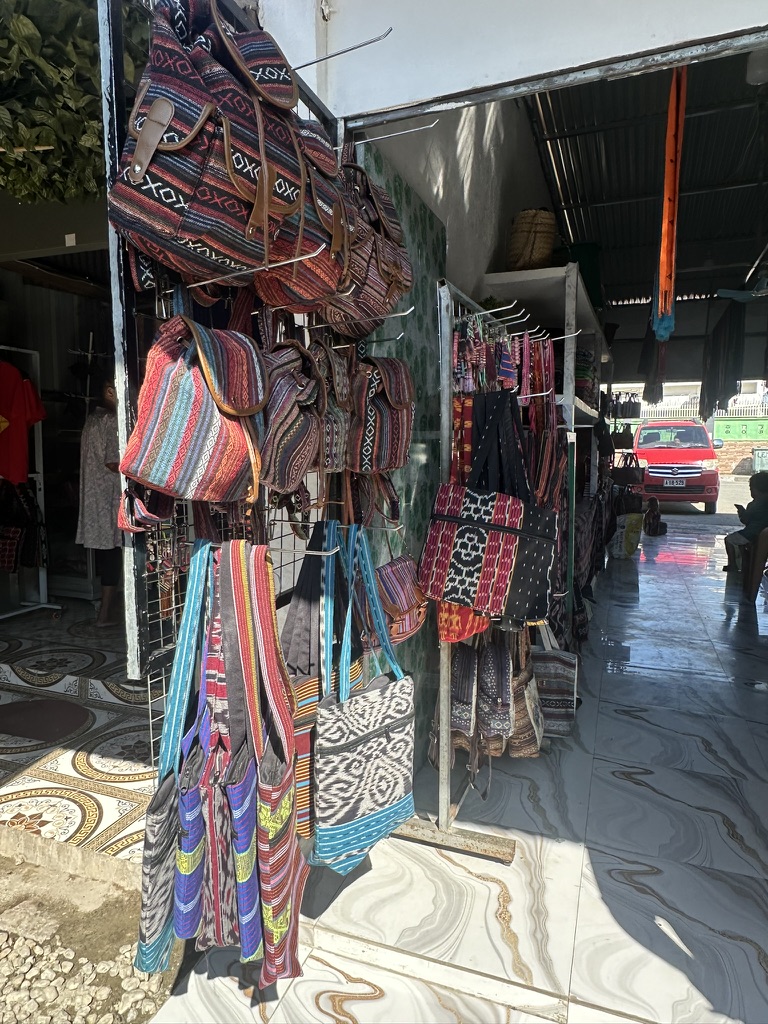
Tais Market
If you want something less heavy, spend some time at a local market and look at tais, the traditional woven textiles of Timor-Leste.
The country’s craft traditions are an important part of its cultural identity and make for a much more meaningful souvenir than buying something generic at an airport.
Day 5: Choose Your Own Timor-Leste Adventure
This is where I would resist the temptation to cram another six attractions into the itinerary.
Instead, pick one.
Option 1: Atauro Island
Atauro sits just off the coast of Dili and is known for its marine life, beaches and snorkeling.
If your idea of a Timor-Leste trip involves more ocean than mountains, this is the obvious addition.
The island is increasingly accessible to travelers, although transport schedules can require some flexibility.
Option 2: Baucau
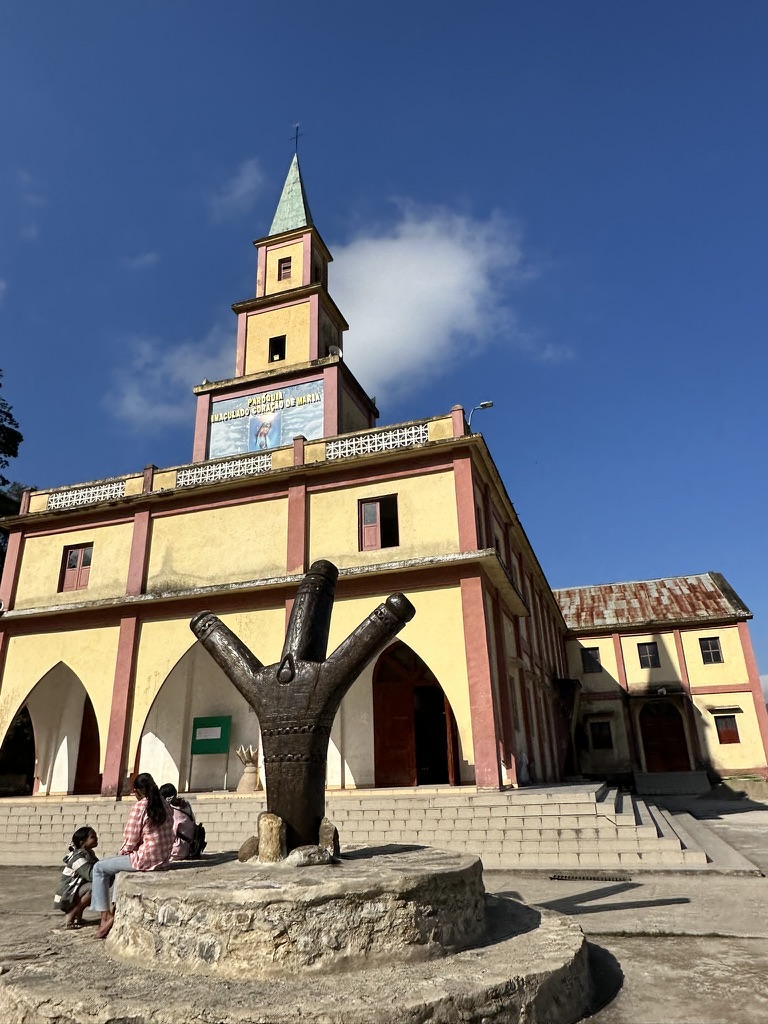
Baucau gives you another side of Timor-Leste, with Portuguese colonial architecture, mountain scenery and a much quieter atmosphere than Dili.
The official tourism site highlights Baucau’s colonial architecture and spring-fed pool among its attractions.
Option 3: Stay in Dili
And honestly, this is completely valid.
You don’t have to leave a city just because you technically could.
Spend a morning walking around Dili, visit another museum, sit by the waterfront, explore local markets and let the day unfold.
One of the things I liked about Timor-Leste was that it doesn’t demand constant sightseeing.
What Timor-Leste Is Actually Like to Travel Through
This is probably the section I would read before booking a trip here.
Timor-Leste is not polished Southeast Asia.
The country’s official tourism website is refreshingly direct about this. It describes Timor-Leste as “raw” and still developing as a destination, with rough roads, simple guesthouses, limited infrastructure outside Dili and schedules that may require flexibility.
That doesn’t mean the trip is difficult.
It means you need to understand what you’re booking.
If you want perfectly predictable transportation, endless hotel options and fast Wi-Fi everywhere, this isn’t that kind of destination.
If you’re comfortable with things being a little less predictable, the lack of polish is part of the appeal.
For a short trip like ours, I would absolutely recommend using a local guide and driver.
Getting Around Timor-Leste
For this particular itinerary, we used a local guide and private transportation.
And I would recommend doing the same.
The distances can be deceptive because mountain roads take time. A destination that looks relatively close on a map can turn into a substantial road journey.
Having someone local also means you don’t spend your trip trying to work out which road you’re supposed to be on, where to stop, or what you’re actually looking at.
More importantly, a good local guide gives context.
That matters in Timor-Leste.
Want the contact of the local guide we used?
If you’re planning a Timor-Leste trip and would like the contact details of the local guide who helped us organize our route, get in touch with me directly through Wayfarer Footprints.
I am happy to share the contact with travelers who are planning a similar trip.
You can also use the Wayfarer Footprints private trip planning page if you’d rather have help building a more customized itinerary.
Visa for Timor-Leste
Visa requirements depend on nationality.
For many travelers arriving by air, Timor-Leste offers a visa on arrival. The current official tourism guidance states that travelers who are not visa-exempt can generally obtain a 30-day visa on arrival at Dili’s Presidente Nicolau Lobato International Airport for US$30 in cash.
You should have:
- A passport valid for at least six months
- A return or onward ticket
- Proof of accommodation
- Proof of sufficient funds if requested
- US$30 cash for the visa on arrival, if applicable
There is also an electronic arrival/customs declaration that travelers need to complete before arrival. The official guidance says this can be submitted online up to five days before departure and generates a QR code for arrival.
Because immigration rules can change, check the official Timor-Leste government/tourism information immediately before your trip rather than relying on an old blog post.
Check current Timor-Leste entry requirements
When Is the Best Time to Visit Timor-Leste?
Timor-Leste has a tropical climate, but the mountains can feel dramatically cooler than Dili.
The dry season is generally the easiest period for road travel and outdoor exploration.
July, when we visited, worked particularly well for our trip.
The weather in the highlands was noticeably cooler, while Dili was warm and dry enough for early morning sightseeing.
If your itinerary includes waterfalls, mountain roads or hiking, I would pay attention to seasonal conditions rather than planning purely around flight prices.
How Many Days Do You Need in Timor-Leste?
For a first visit, I would say five days is the minimum I would consider for a meaningful introduction if you’re focusing on Dili and a couple of road trips.
Five days gives you enough time to combine:
- Dili
- Cristo Rei
- Ainaro
- Dokomali Waterfall
- Maubisse/Rabilau
- Balibo
- Some of the country’s history and culture
With 7–10 days, you can slow things down and add places such as Atauro Island, Baucau or more of the country’s mountainous interior.
And if you have more time, there is considerably more of Timor-Leste to explore.
The official tourism portal currently lists itineraries ranging from three to ten days, which is a useful starting point for building a longer route.
Is Timor-Leste Safe?
As with anywhere, normal travel precautions apply.
But the bigger consideration for me wasn’t fear.
It was logistics.
This is a country where having someone local can make the experience much smoother, particularly if you are heading into the mountains or traveling long distances by road.
I would also avoid building an itinerary where every transfer depends on a very precise arrival time.
Leave room.
The country rewards a little flexibility.
What to Pack for Timor-Leste
For this itinerary, I would pack for both tropical heat and cooler mountain conditions.
Bring:
- Comfortable walking shoes with good grip
- Lightweight breathable clothing
- A light jacket for the mountains
- Sun protection
- Insect repellent
- Swimwear
- A small daypack
- Reusable water bottle
- Power bank
- Basic medication
- Waterproof protection for electronics if you’re visiting waterfalls
- Cash in US dollars
And don’t underestimate the walking.
Cristo Rei is more than 500 steps, and Dokomali involves a proper walk through the landscape rather than simply pulling up beside a waterfall.
A Note on Travel in Timor-Leste
One of the reasons I wanted to write about Timor-Leste is because it is exactly the kind of destination that gets lost when travel is reduced to a list of places everyone already knows.
I have now traveled to 134 countries, and one of the things that experience has taught me is that the places I remember most clearly aren’t necessarily the ones with the biggest landmarks.
Sometimes it is a mountain road.
A conversation with a guide.
A completely unexpected landscape.
A place whose history you knew almost nothing about before arriving.
Timor-Leste gave me quite a few of those moments.
And perhaps that was a fitting way to spend my 38th birthday.
Not somewhere I had to perform being impressed.
Just somewhere genuinely unfamiliar.
Final Thoughts: Should You Visit Timor-Leste?
If you’re looking for a conventional Southeast Asian holiday, probably not.
But if you want somewhere that feels different, has a fascinating modern history, dramatic mountains, beautiful coastline and very few international tourists, Timor-Leste deserves a place on your list.
What I liked most was that it didn’t feel like the country was trying particularly hard to entertain me.
It simply existed.
There were beautiful places, complicated history, long drives, rougher roads, quiet beaches, mountain villages and plenty of moments where we were just looking out of a car window wondering how this place had stayed so far under the radar.
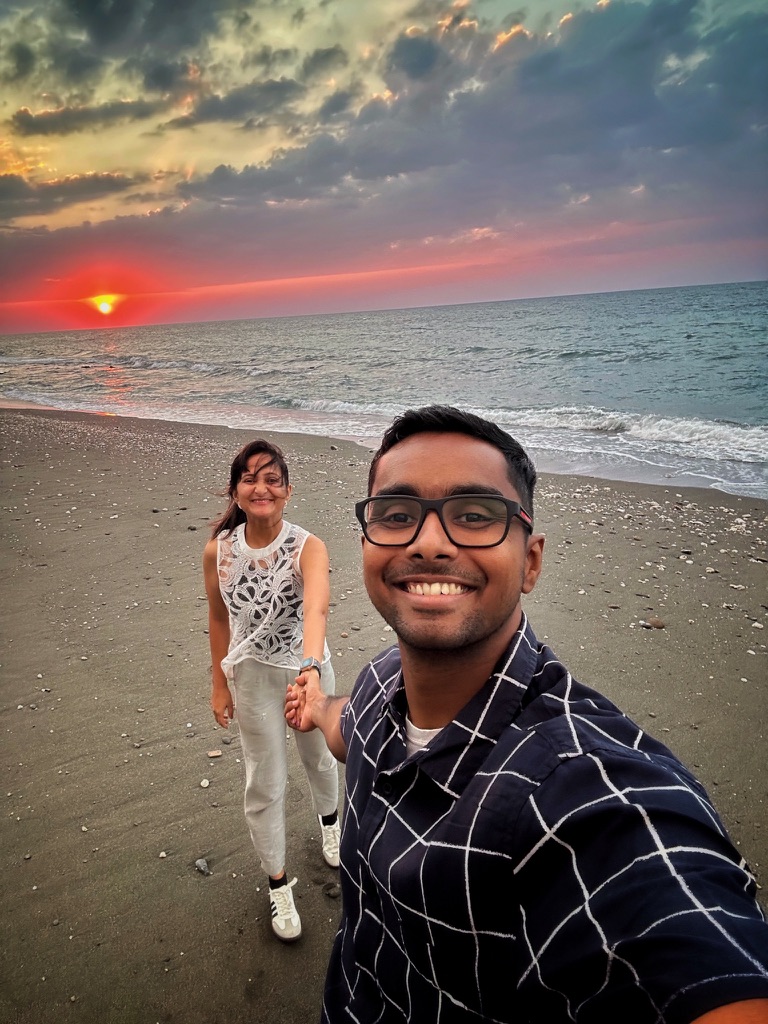
And after 134 countries, that is becoming harder to find.
For me, that was the real birthday gift.
Timor-Leste Travel FAQs
Is Timor-Leste worth visiting?
Yes, particularly if you enjoy less-developed destinations, history, mountains, nature and road trips. It is not a polished resort destination, and travelers should arrive expecting more basic infrastructure outside Dili.
How many days are enough for Timor-Leste?
Five days is enough for a good introduction to Dili, Ainaro, Dokomali, Maubisse, Balibo and Cristo Rei. I would recommend 7–10 days if you want to explore more of the country without rushing.
Is Timor-Leste expensive?
Costs depend heavily on your travel style. Accommodation and food in Dili can be relatively straightforward, but private transportation and guides become a significant part of the budget when traveling outside the capital.
Do I need a guide in Timor-Leste?
You don’t necessarily need one for Dili, but for a short trip that includes Ainaro, Dokomali and Balibo, I would strongly consider a local guide and driver. The value isn’t just transportation; it is the local knowledge and historical context.
What currency is used in Timor-Leste?
The US dollar is the country’s official currency and is widely used.
Can I visit Timor-Leste as part of a Southeast Asia trip?
Absolutely. Timor-Leste works particularly well as an addition to a wider Indonesia itinerary, although flight schedules should be checked carefully before planning connections.
What is the capital of Timor-Leste?
Dili is the capital and the country’s main international gateway.
What is Timor-Leste famous for?
Timor-Leste is known for its independence history, dramatic mountains, relatively untouched coastline and marine biodiversity. Cristo Rei in Dili, Mount Ramelau, Balibo and Atauro Island are among its better-known attractions.
More from Wayfarer Footprints
If you’re drawn to countries that don’t usually appear on everyone’s itinerary, you might also enjoy exploring the rest of my offbeat destination guides.
I write about the places I actually travel to, with the practical information I wish I had before going — particularly for travelers trying to see more of the world while still having a job and a life at home.
You can also read more about my approach to unconventional travel and my journey through 100+ countries.
And if you’re interested in how I have managed to travel extensively while maintaining a career, my book WHY NOT? goes much deeper into that.
About the Author
Ankitha Rajendaran is a travel author, curator and marketing professional who has traveled to 134 countries across seven continents, with a particular fascination for places that sit outside the usual tourist circuit.
She travels with an Indian passport while maintaining a career, and writes about the practical realities of seeing the world without putting your entire life on pause.
Through Wayfarer Footprints, she shares destination guides, unconventional itineraries, visa information and firsthand travel experiences for people who want to travel differently — not necessarily more.
Follow along: @wayfarer_anki
Website: www.wayfarerfootprints.com
Disclosure
This post is based on my personal experience traveling through Timor-Leste in July 2026. Some practical information, including visa requirements, transportation and tourism infrastructure, can change, so always verify current information through official sources before traveling.
The additional itinerary suggestions in this guide are recommendations for extending a five-day trip and are not presented as places I personally visited on this particular birthday trip.
Cheers,
Anki
More from this region
← Browse all Asia guides