Tibet 6-Day Itinerary April 2026 | Lhasa, Jokhang Temple & Mountain Pilgrimage
Published on July 13, 2026
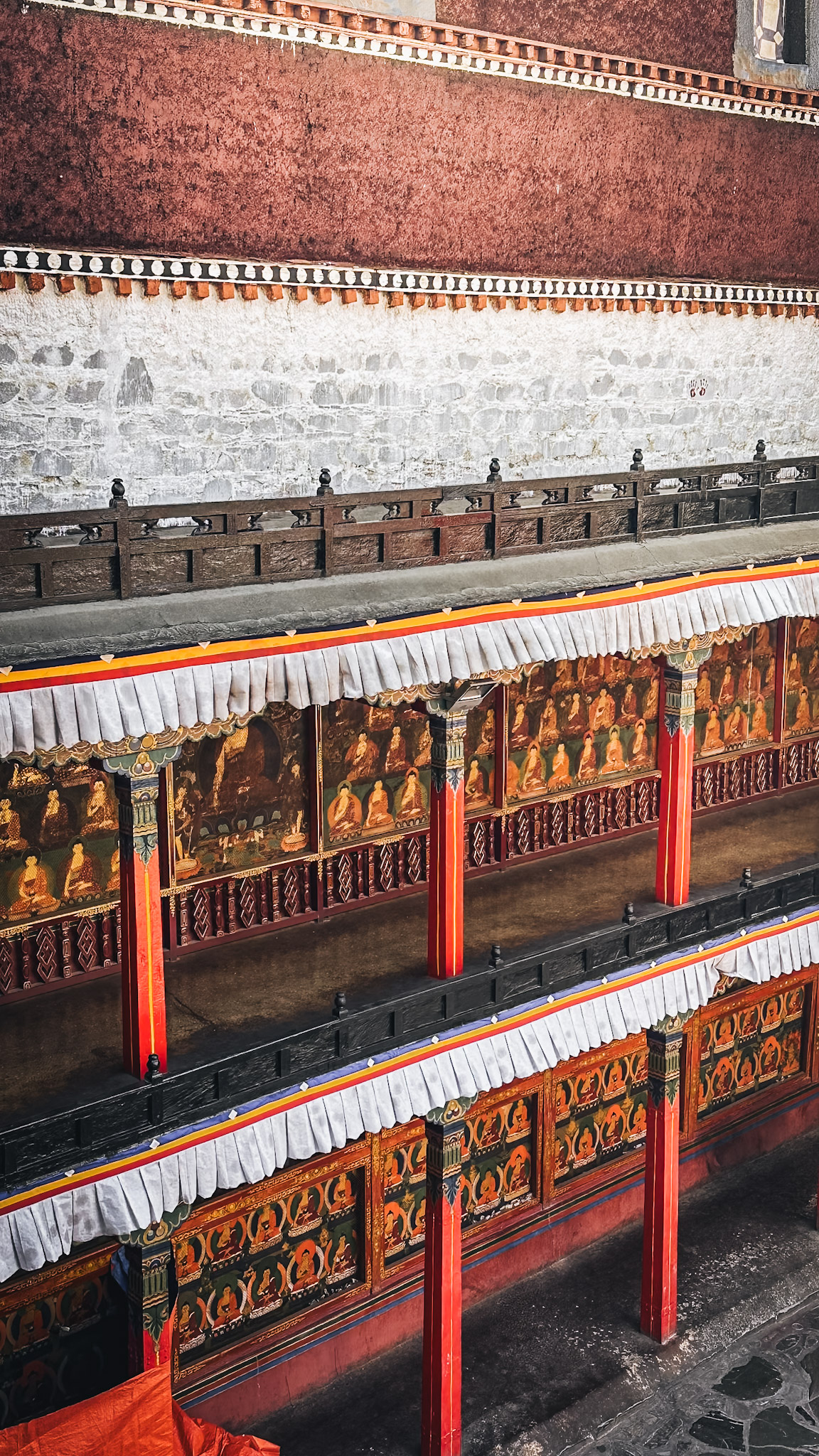
Many of us may not know much about Tibet beyond Potala Palace, prayer flags, and that movie… the one that Brad Pitt is in. Few people I know have travelled to Tibet and few are familiar with what this place offers beyond geopolitics - but a week here gave us a small sneak peek into its rocky, rugged mountain-scape, vibrant city landmarks, peaceful and relaxed culture. Only open to tourists since 1986, people are clambering for an insight into this faraway land, which while it has been at the centre of a territory dispute for decades is still largely unknown territory.
For obvious reasons, I’m not going to get political here, other than to say we were welcomed by all of the locals with smiling faces. Instead, I’ll try to paint a picture of what, for us, was an incredible, once in a lifetime experience at the place they call “The rooftop of the world!”
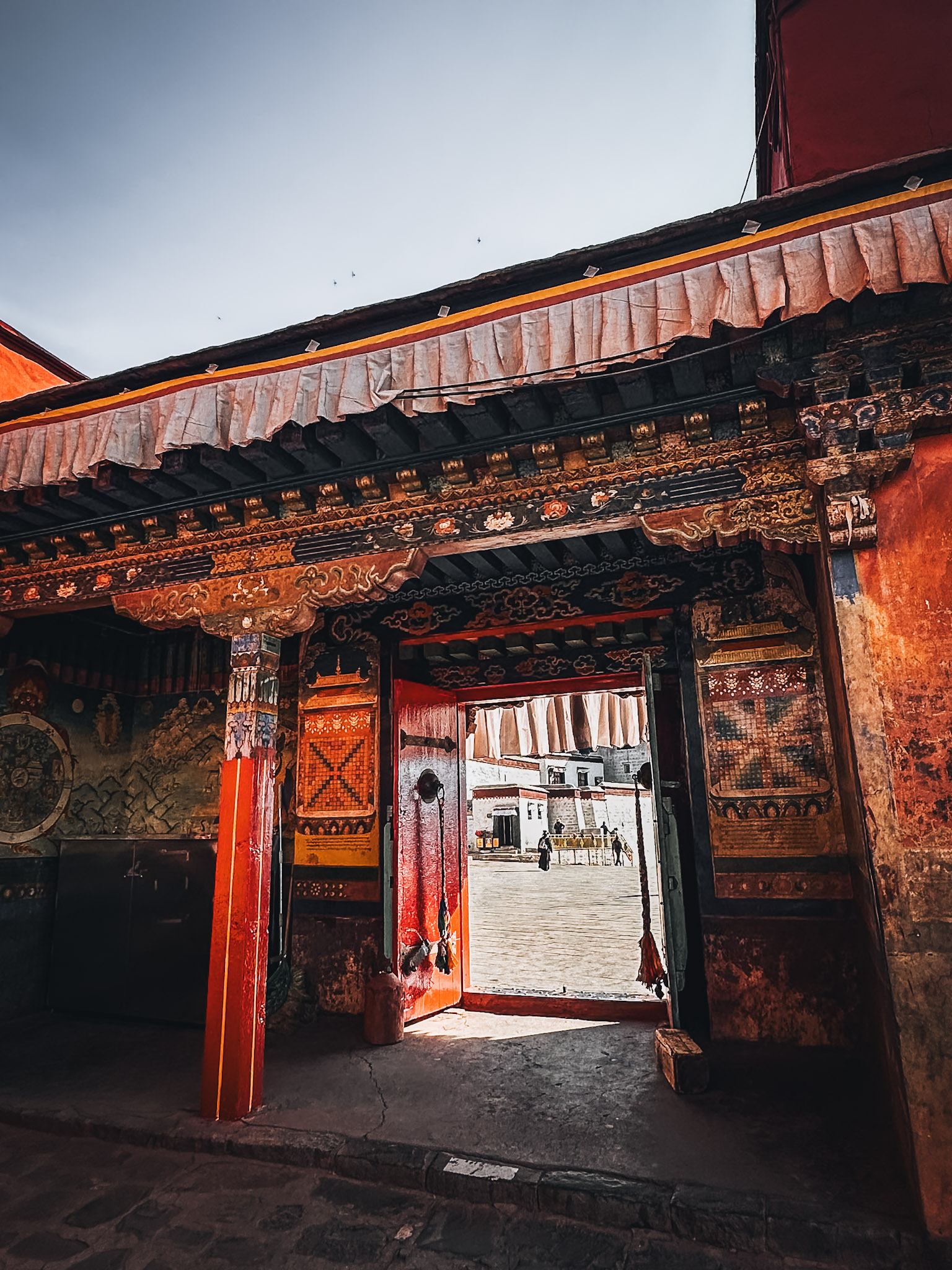
The moment the train pulled into Lhasa, we understood why pilgrims spend their entire lives trying to get here. The light was different. The air felt different. And something about the way the city was arranged - prayer flags strung between buildings, monasteries rising from hillsides, the constant hum of devotion - we knew we were in for a very interesting adventure. This is a place where spirituality is alive. It’s breathed. It’s every prayer wheel turned, every prostration made, every quiet moment spent sitting in a temple while sunlight streamed through ancient windows.
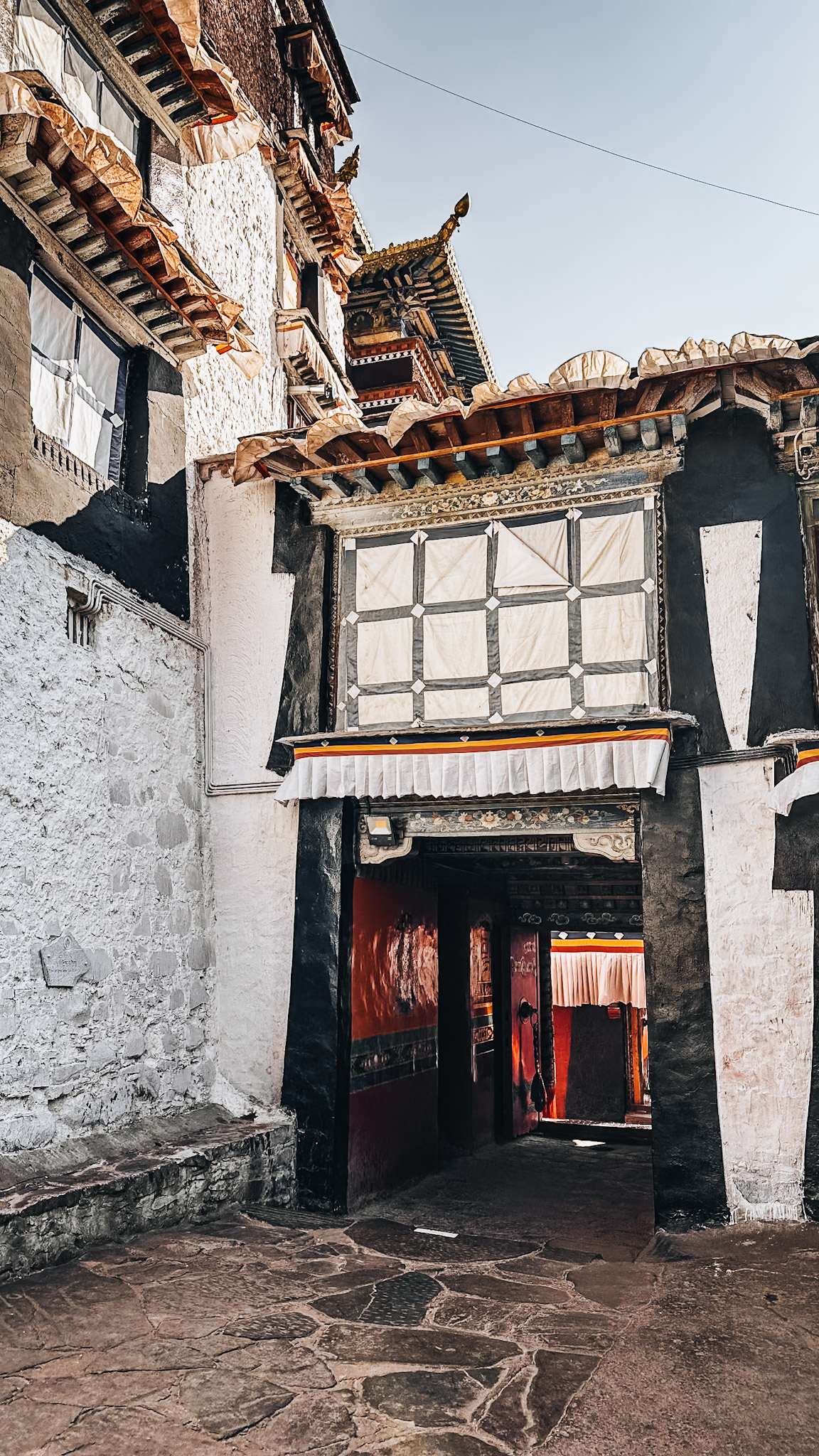
Tibet in April is the sweet spot. The high altitude still demands a bit of respect - we arrived careful and deliberate - but the season is turning warm. Spring flowers are blooming. Prayer flags flutter in cleaner winds. And the pilgrims are moving through sacred spaces with the kind of focused intention that makes you stop rushing and start noticing. This guide covers our actual 6-day trip: how to arrive (train is the way), which hotels feel genuinely Tibetan, what the sacred temples actually mean, how to walk the pilgrimage routes locals walk, and how to sit in silence in places where silence has meaning. If you come to Tibet looking for Instagram moments, you’ll miss what’s actually here. But if you come looking for peace - you’ll find it in every morning ritual, every mountain vista, every room where people have been meditating for a thousand years.
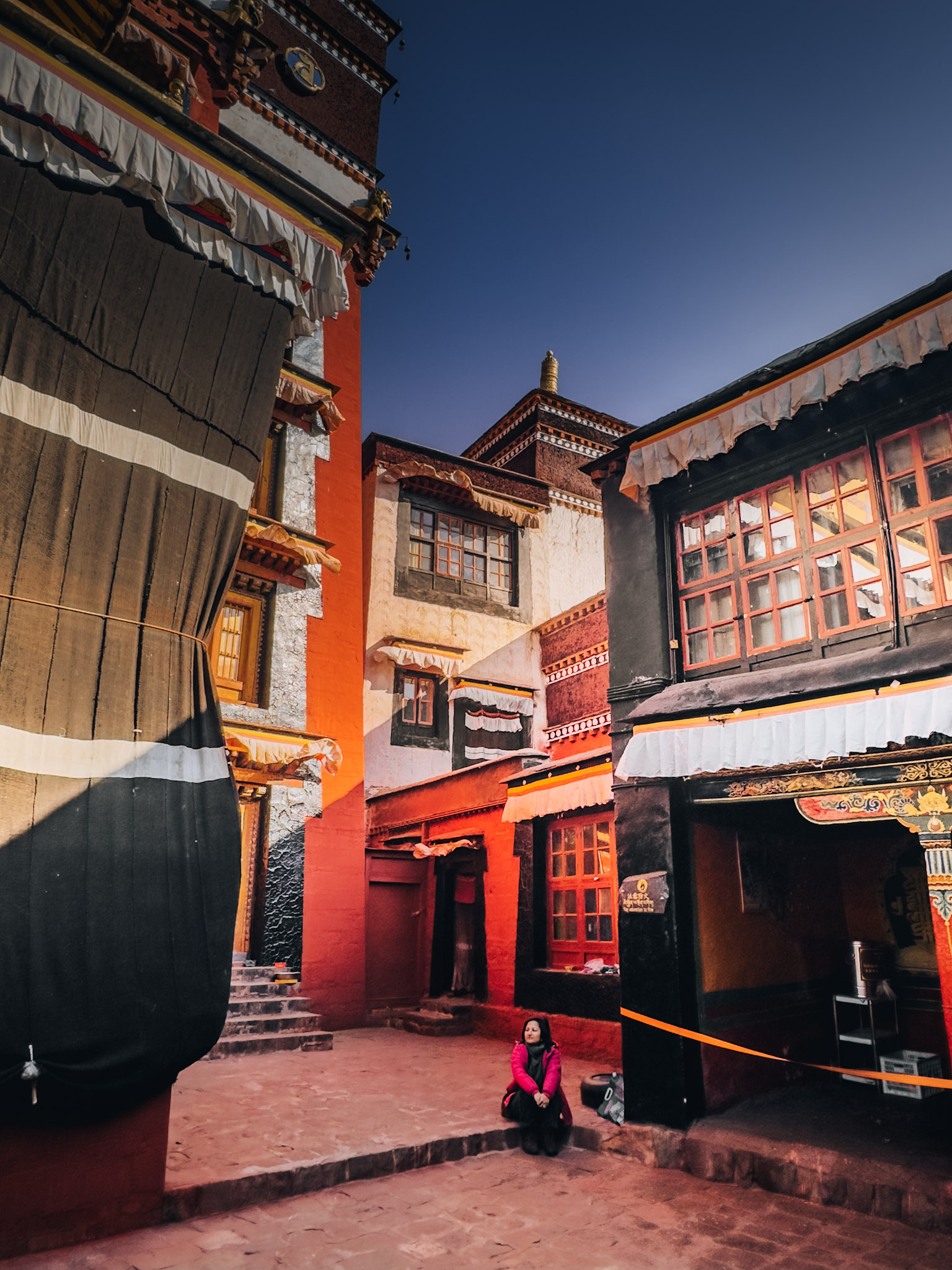
Getting to Tibet: The Train Journey & Arrival
There are flights to Lhasa, but the train is the journey. The Qinghai-Tibet Railway runs from Xining to Lhasa (approximately 22 hours), and somewhere between the Tangula Pass and the plateau, you understand why altitude works on you. We boarded in Xining with some nervousness about the elevation (Lhasa sits at 3,656 meters / 12,000 feet). The train climbs gradually. Your body adjusts. By the time you see Lhasa’s golden roofs rising from the valley, you’ve become part of the landscape rather than just passing through it.
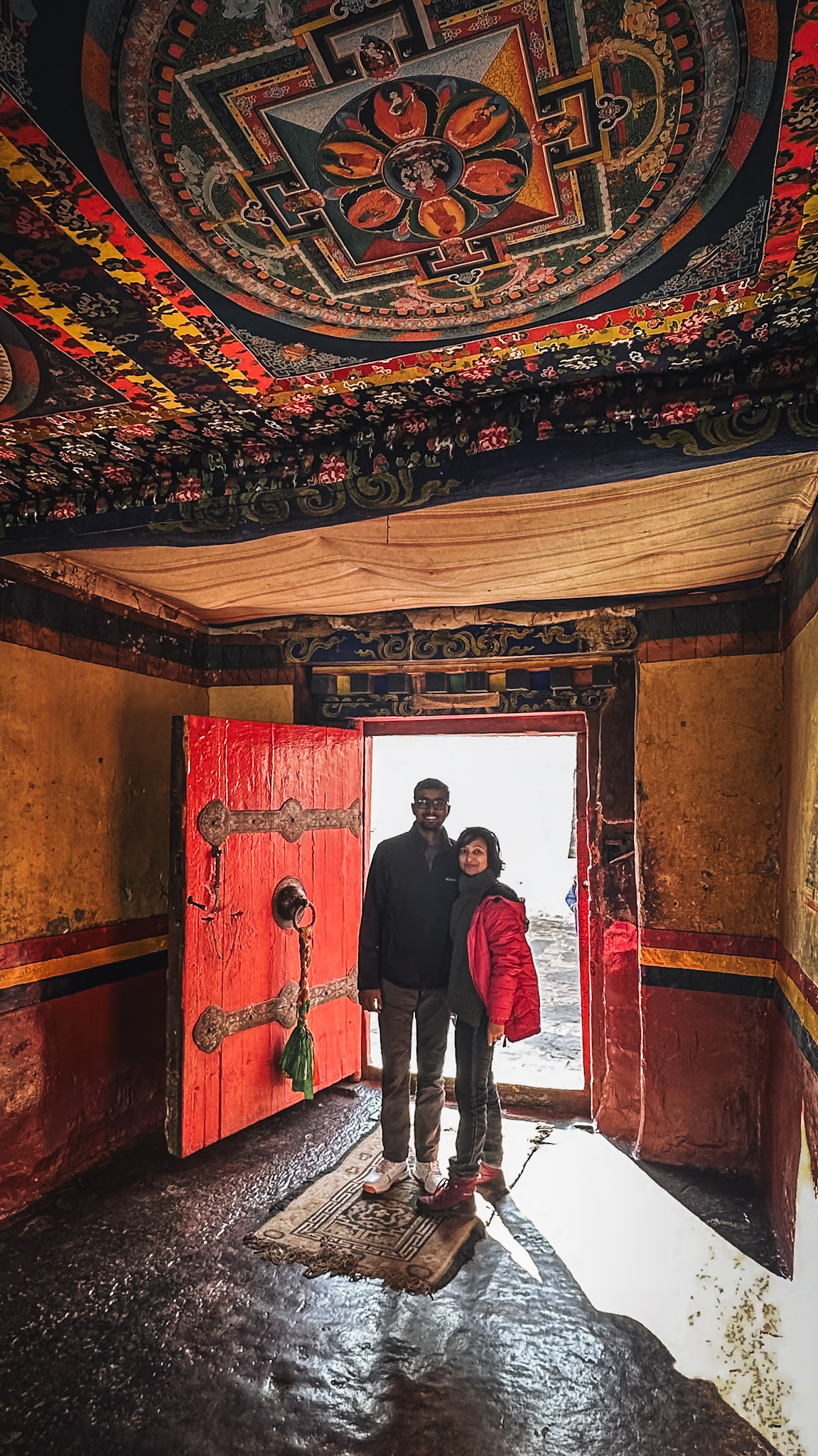
Arrival at Lhasa station is organized chaos - pilgrims, monks, travelers, locals all moving with purpose. Book your hotel transfer in advance. We had a local Tibetan company arrange our entire trip for us - from securing permits to arranging the hotels for our stay.
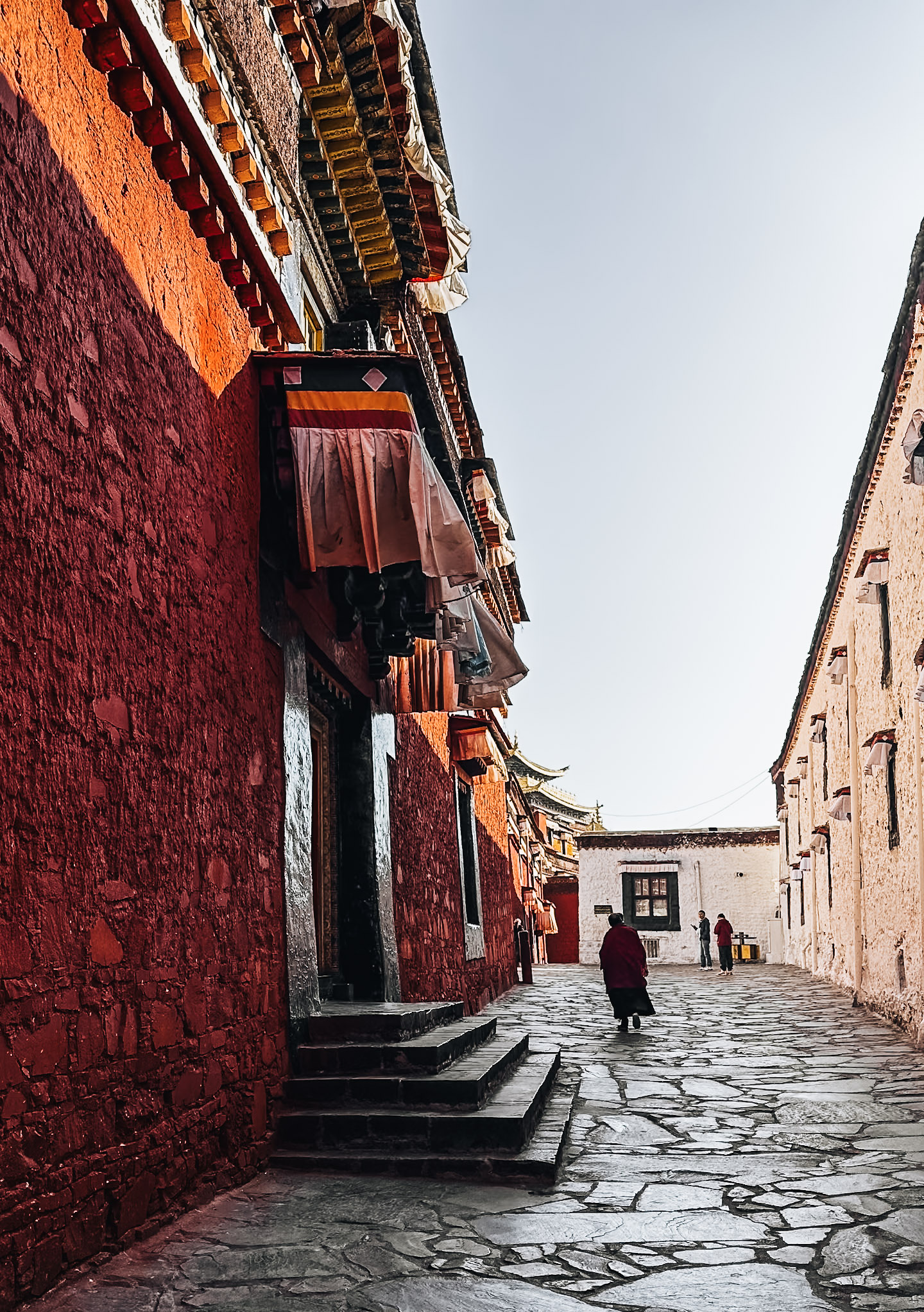
The transfer driver met us at the station, handled our arrival with quiet competence, and by the time we reached the hotel, we were ready to sit quietly and let the altitude settle into our bones.
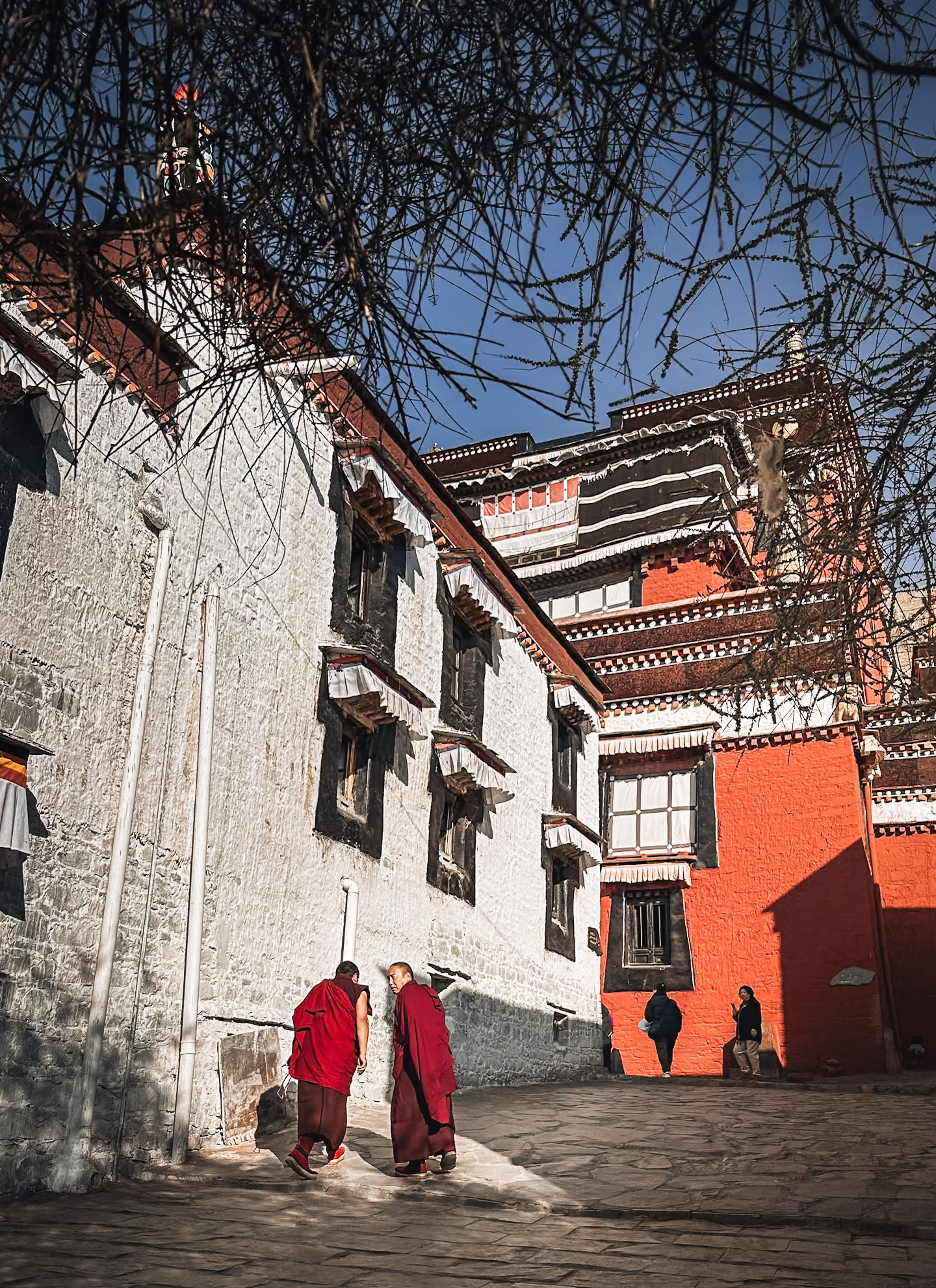
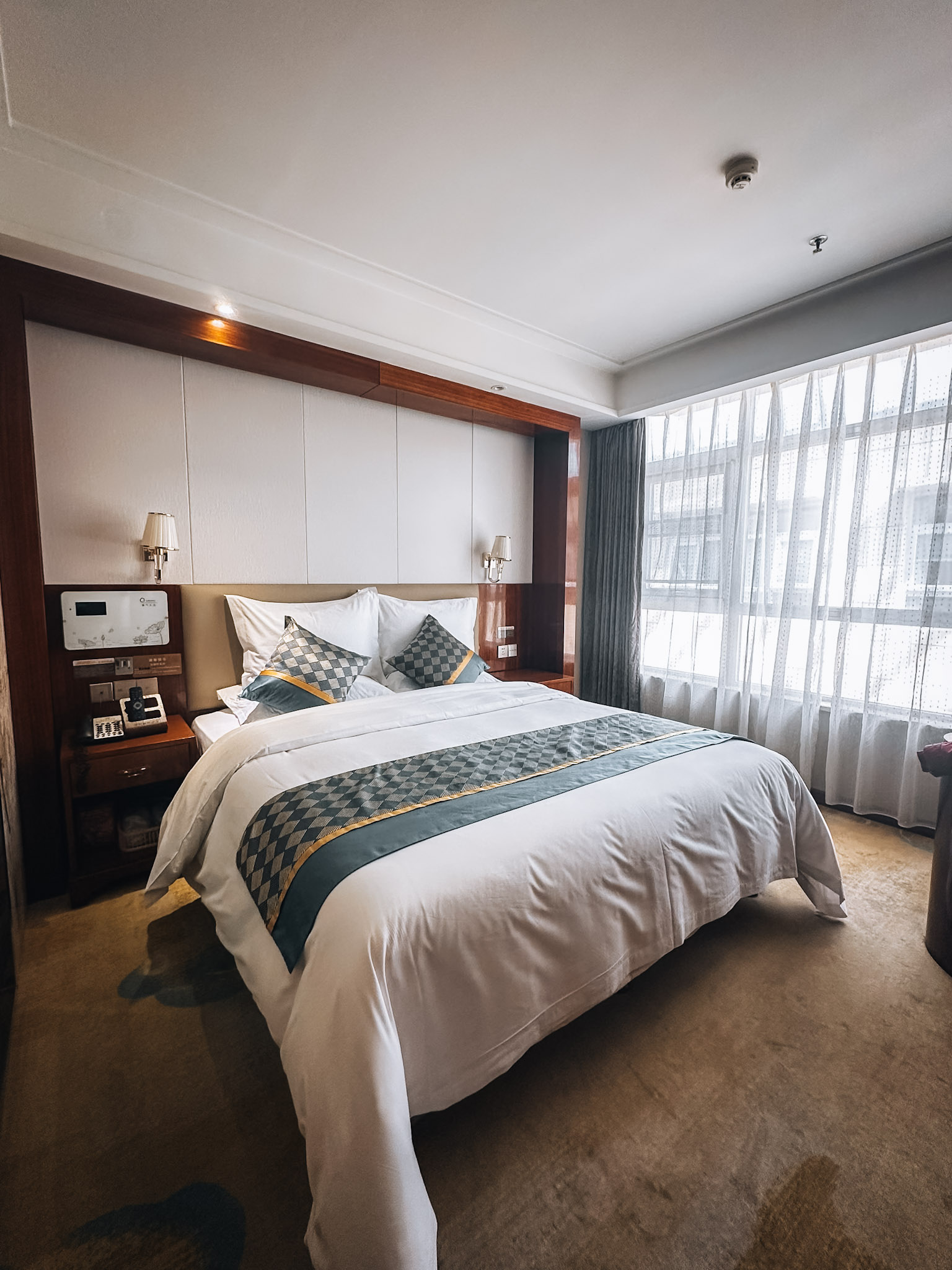
Which hotel in Lhasa feels genuinely Tibetan?
Shambhala Palace. Traditional Tibetan architectural style, every guest loves it, warm staff, quiet atmosphere. Or Tashi Tering International Hotel, which is equally good. Both feel connected to the place rather than imported into it.
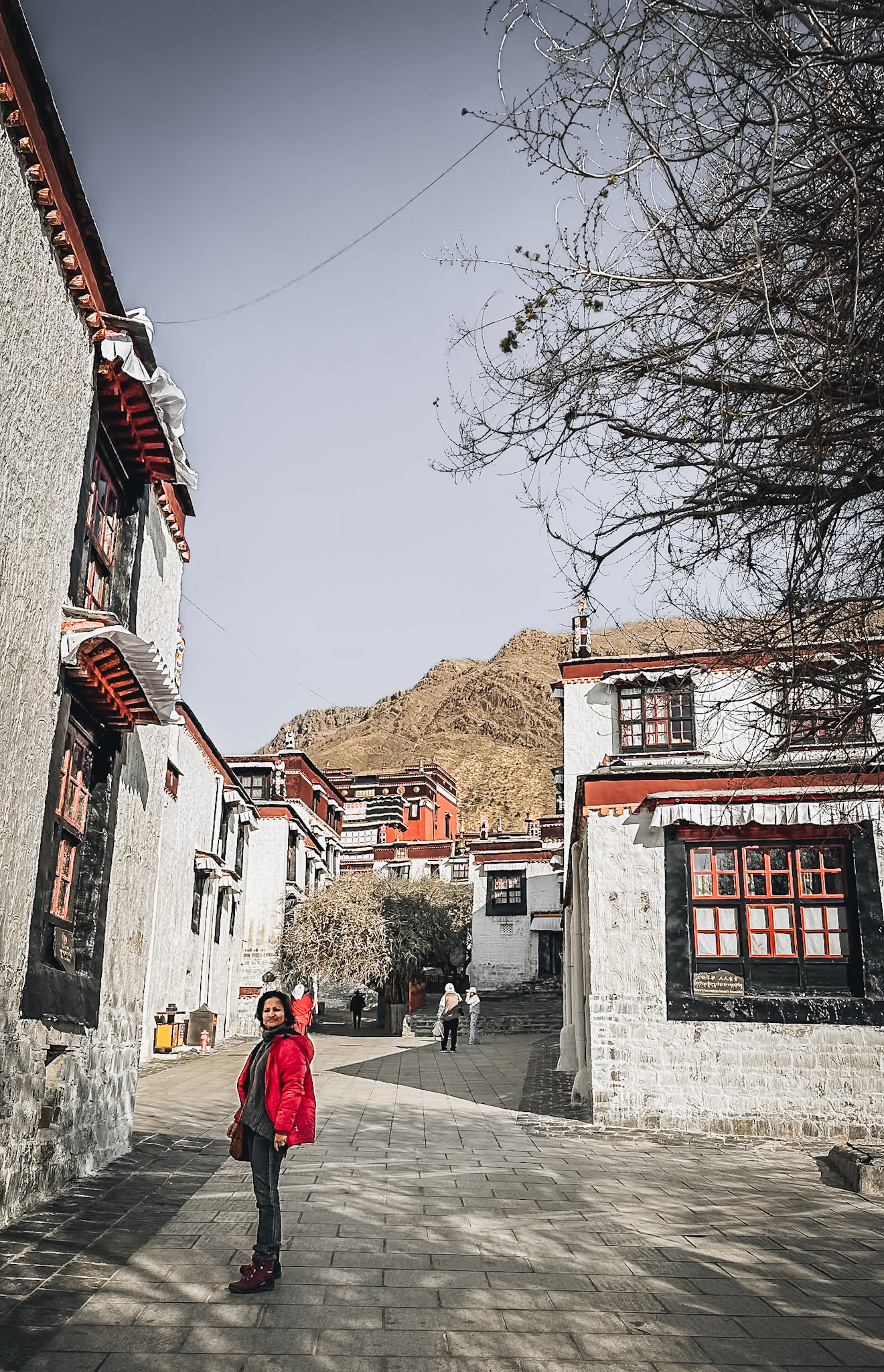
Day 1: Arrive Lhasa → Jokhang Temple → Barkhor Street
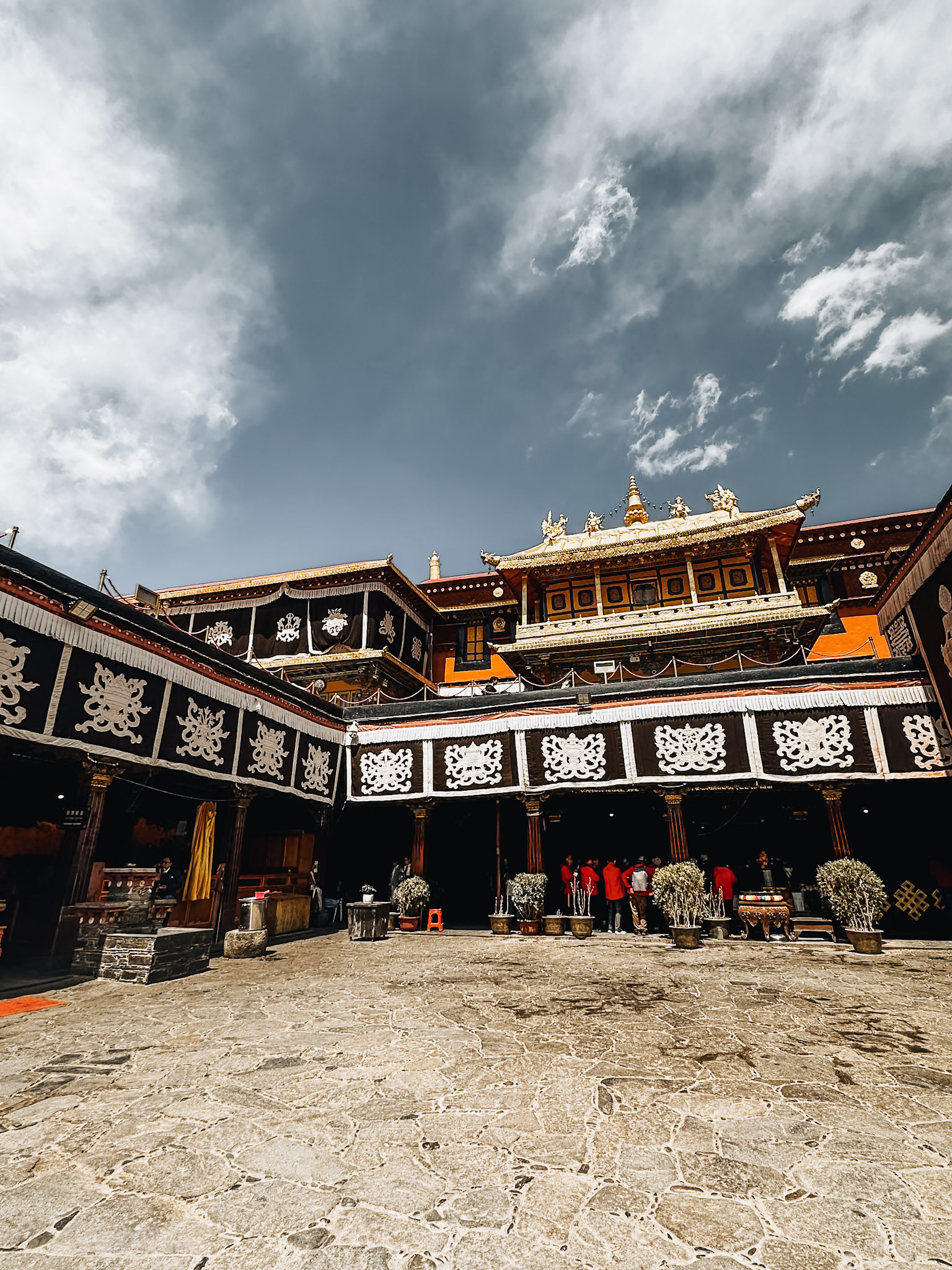
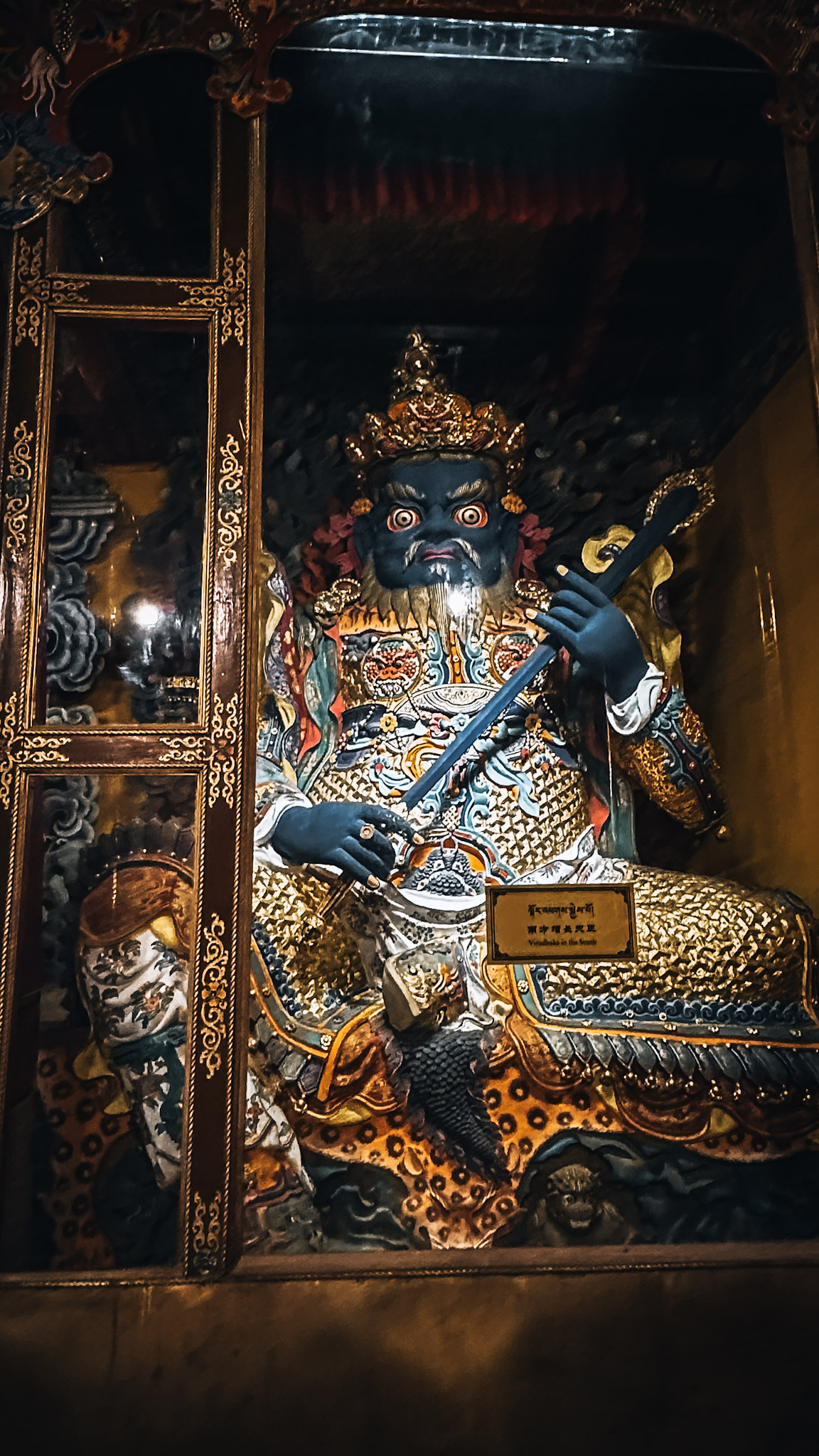
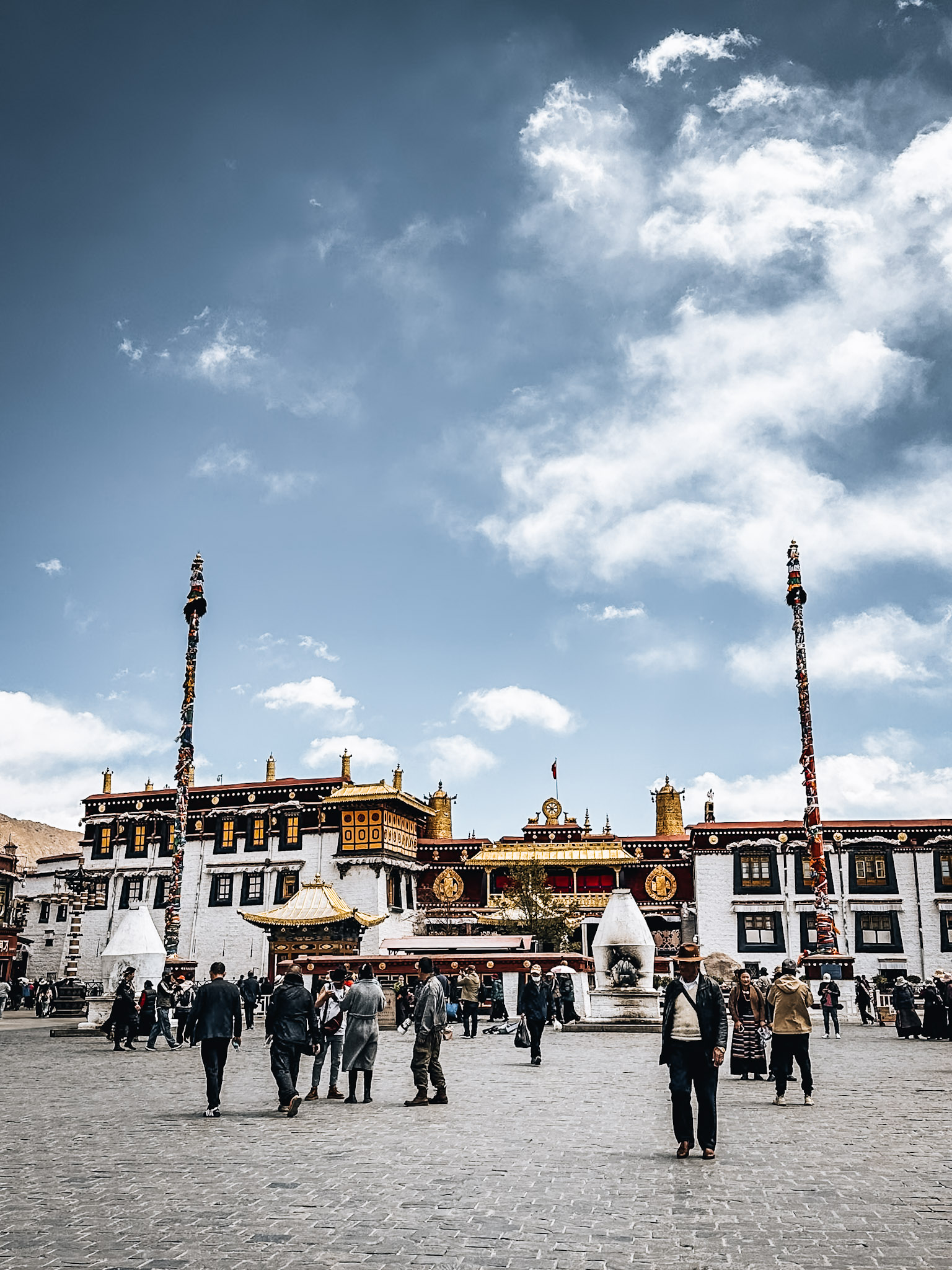
After hotel check-in and rest, we walked directly to Jokhang Temple. This is the most sacred temple in Tibet. The reason: it houses a statue of Buddha Sakyamuni at age 12—the statue believed to be consecrated by Buddha himself. The temple was built by a Nepali princess in the 7th century. Tibetan pilgrims spend their entire lives trying to reach this statue. They prostrate their bodies on the ground, inch by inch, sometimes taking months to complete the journey. When you walk into Jokhang, you understand that this is not a museum. This is a pilgrimage destination. This is where faith becomes physical.
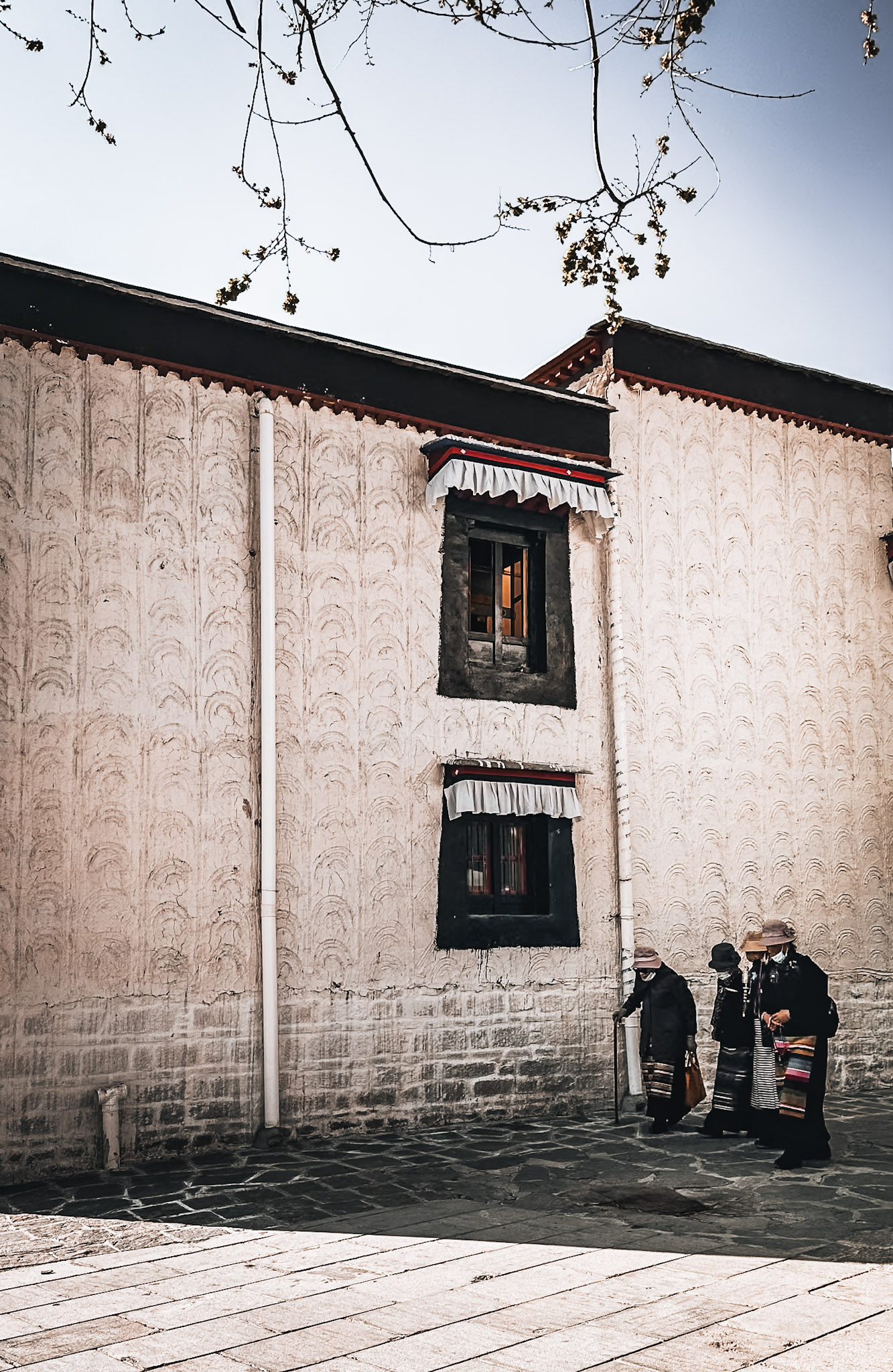
The temple is dense—small chapels branching from main halls, pilgrims moving through with candles and offerings, the smell of butter lamps and devotion filling every corner. We moved slowly. There’s no rushing in Jokhang. Important chapels reveal themselves as you turn corners. Monks chant in side rooms. Sunlight streams through high windows and illuminates dust particles that look like prayers themselves.
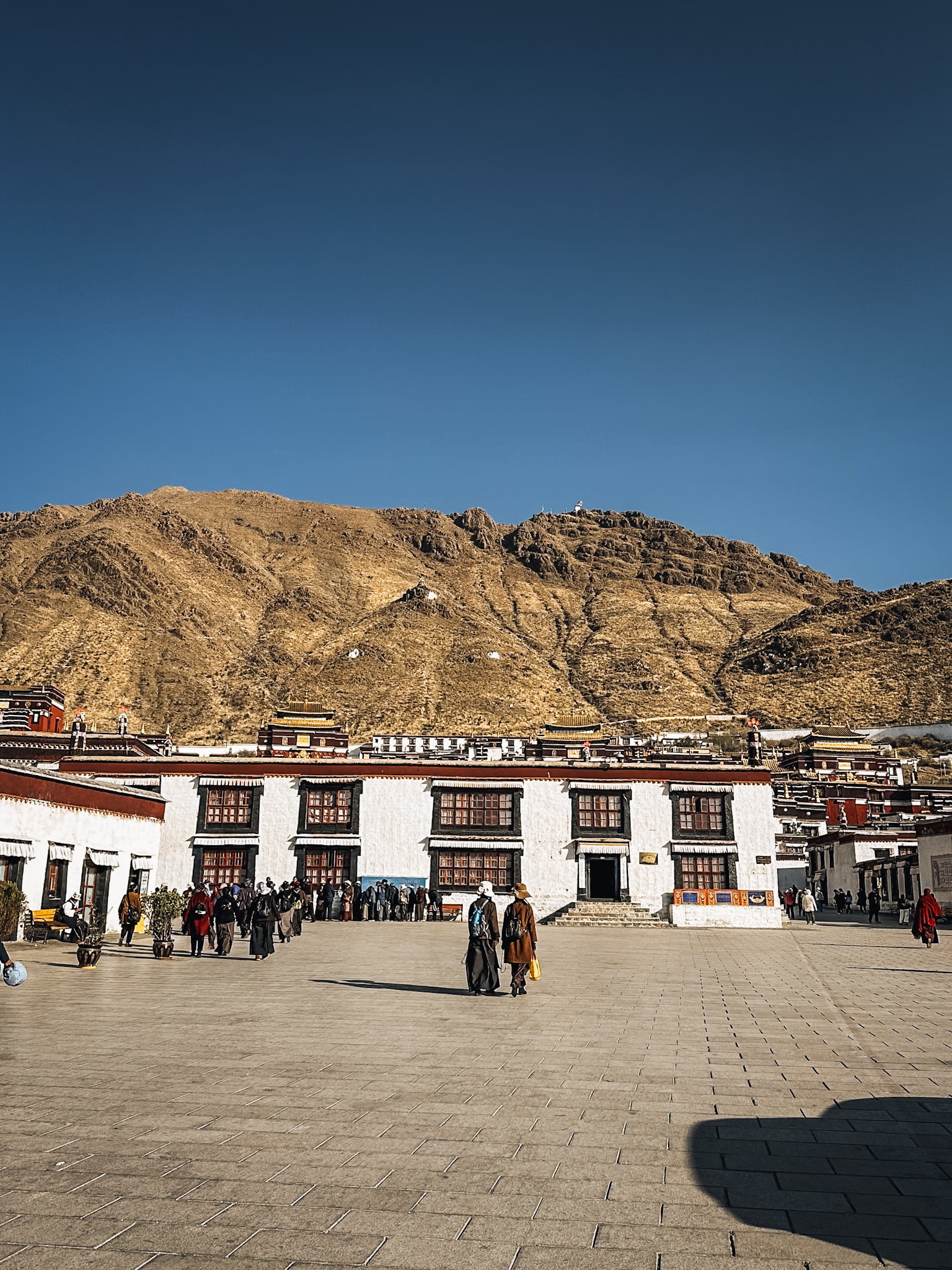
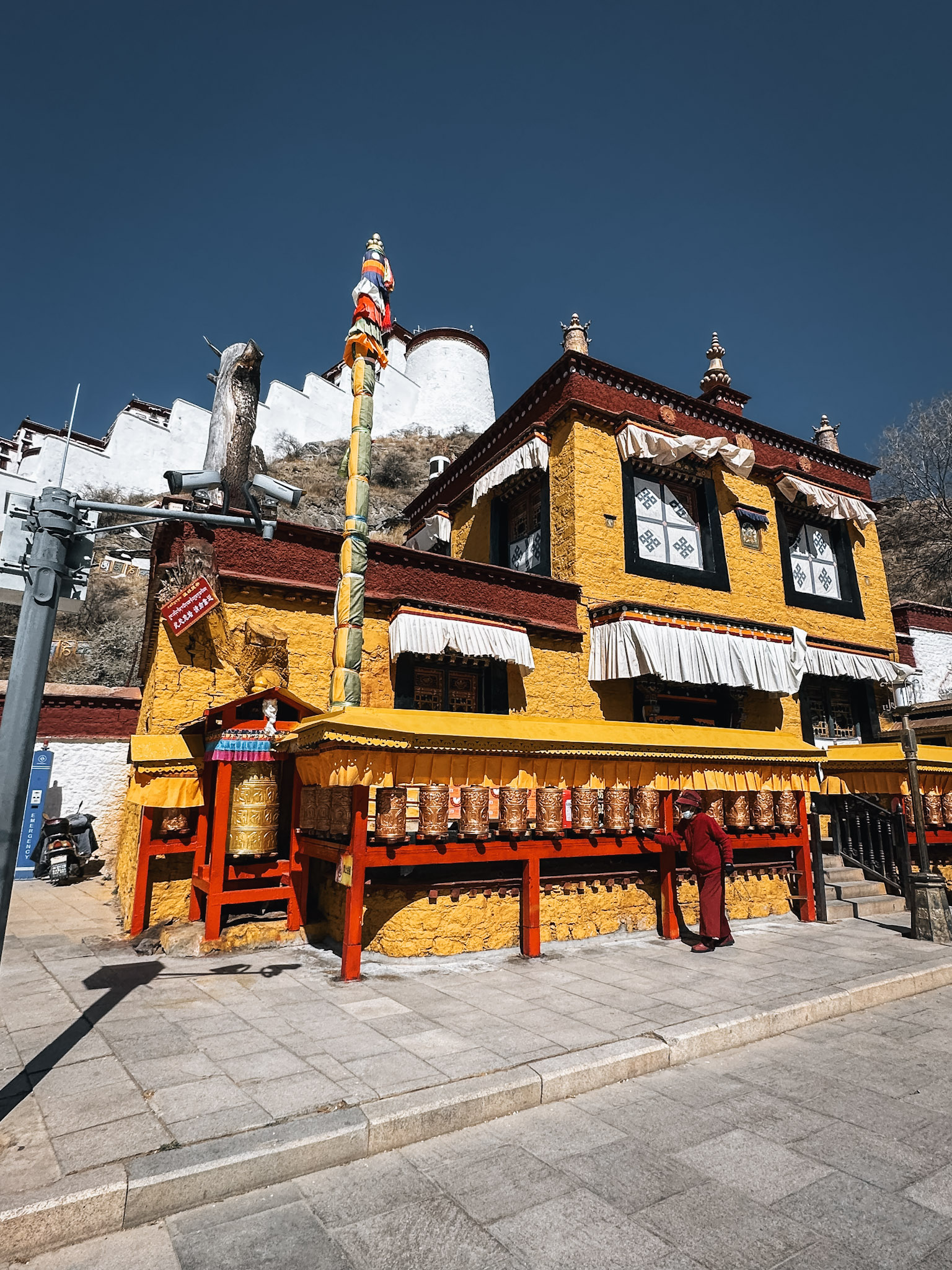
Afternoon: Barkhor Street. This is the pilgrimage circuit surrounding Jokhang Temple—a market street that has operated since ancient times. Pilgrims walk this circle as meditation. Locals shop for everything: prayer wheels, incense, thangkas (sacred paintings), butter for lamps, clothing, food. You can buy meaningful souvenirs here that actually support Tibetan merchants, not chain stores. We walked the circuit three times, each time noticing something different. The rhythm of walking - step, turn, step, turn - does something to your mind. It settles it.
Day 2: Potala Palace → Lhasa City Exploration
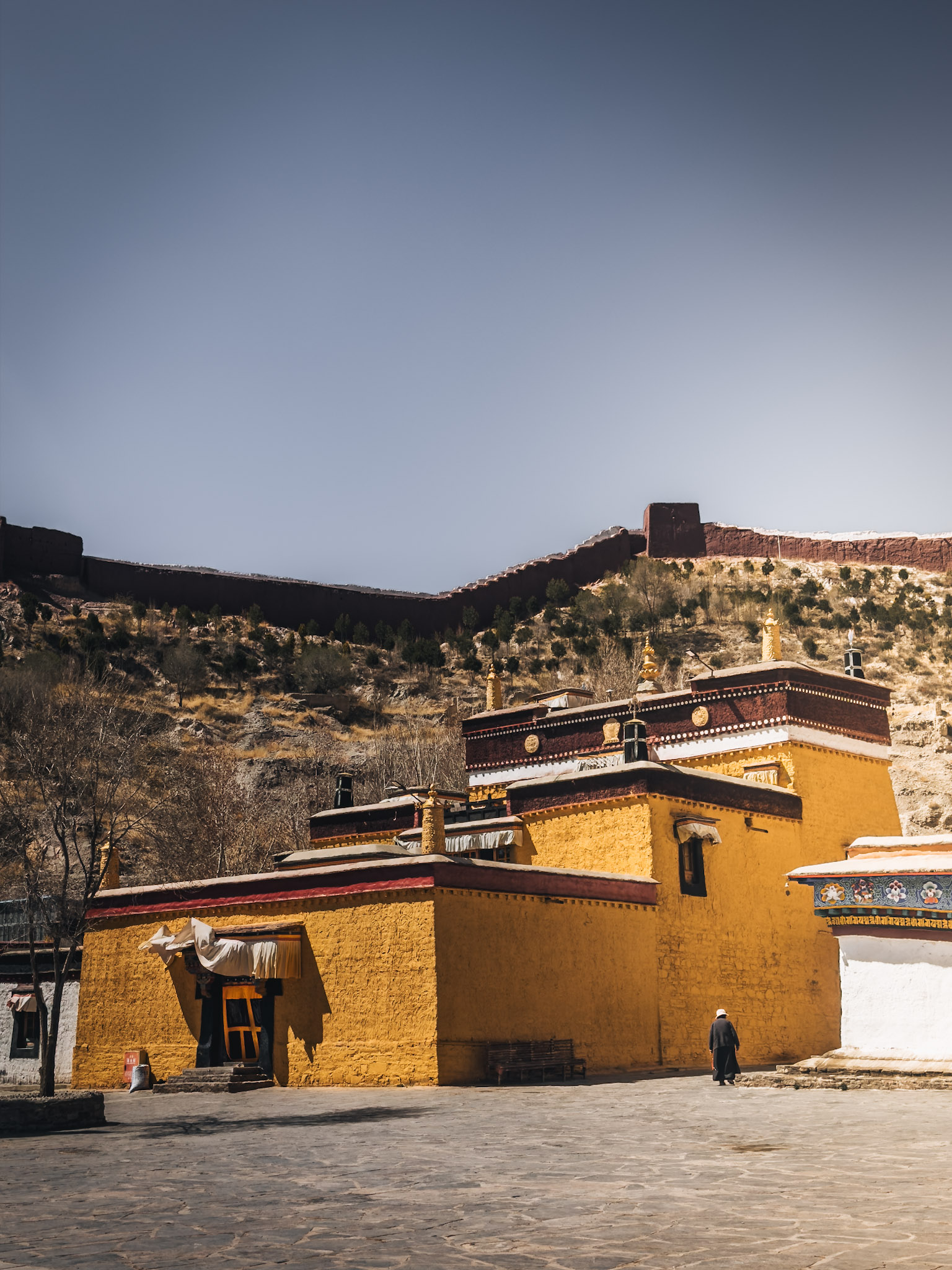
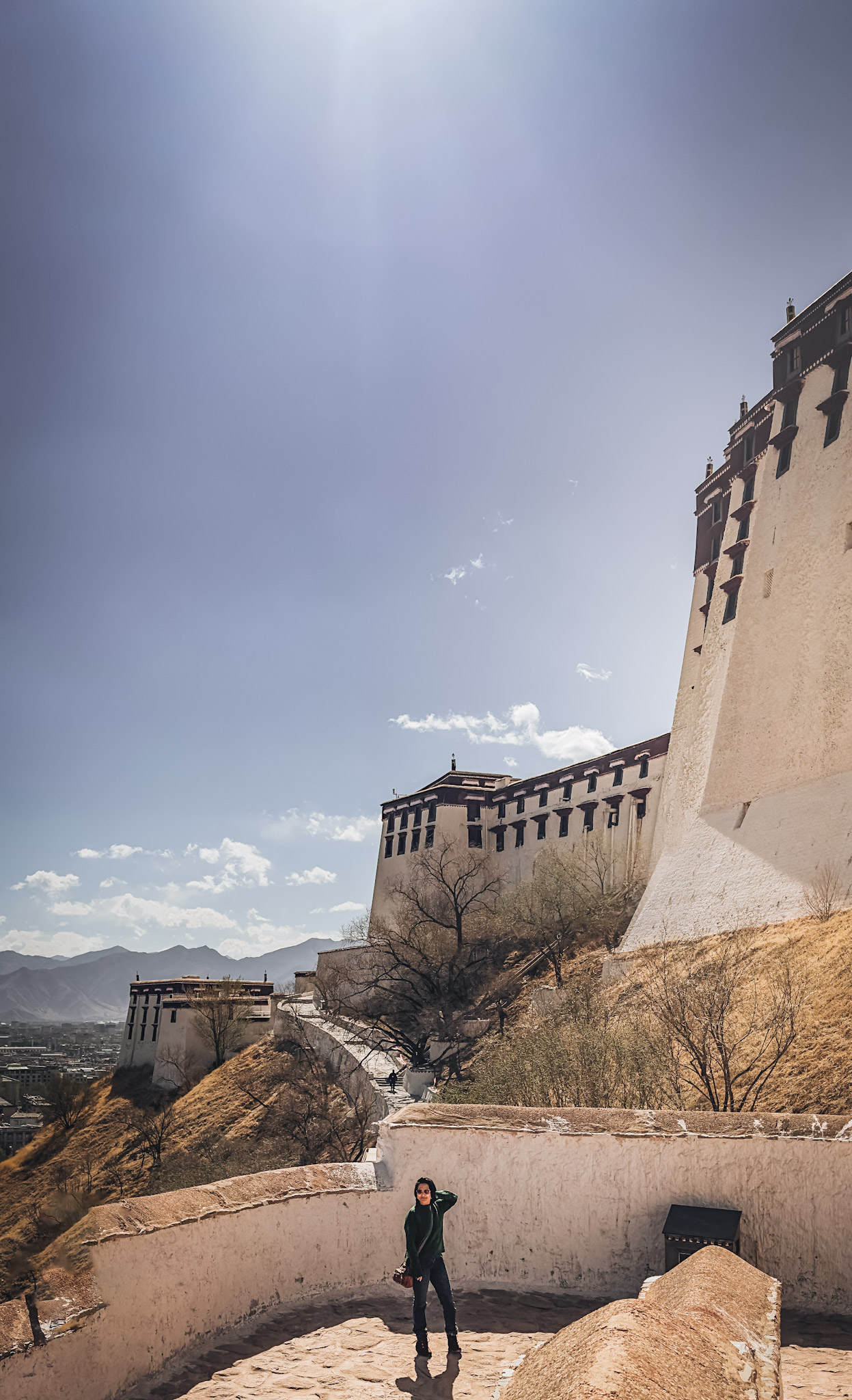
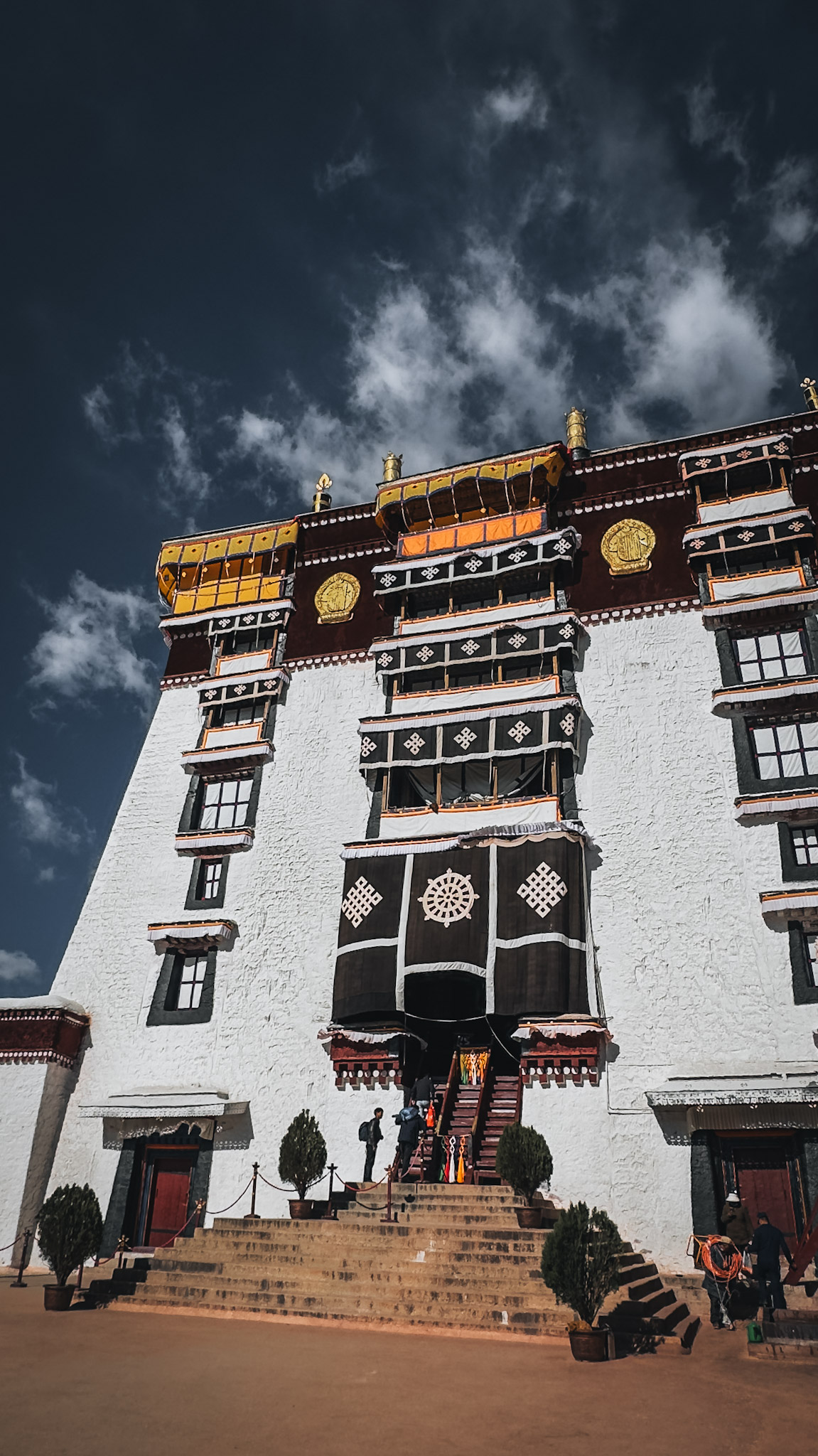
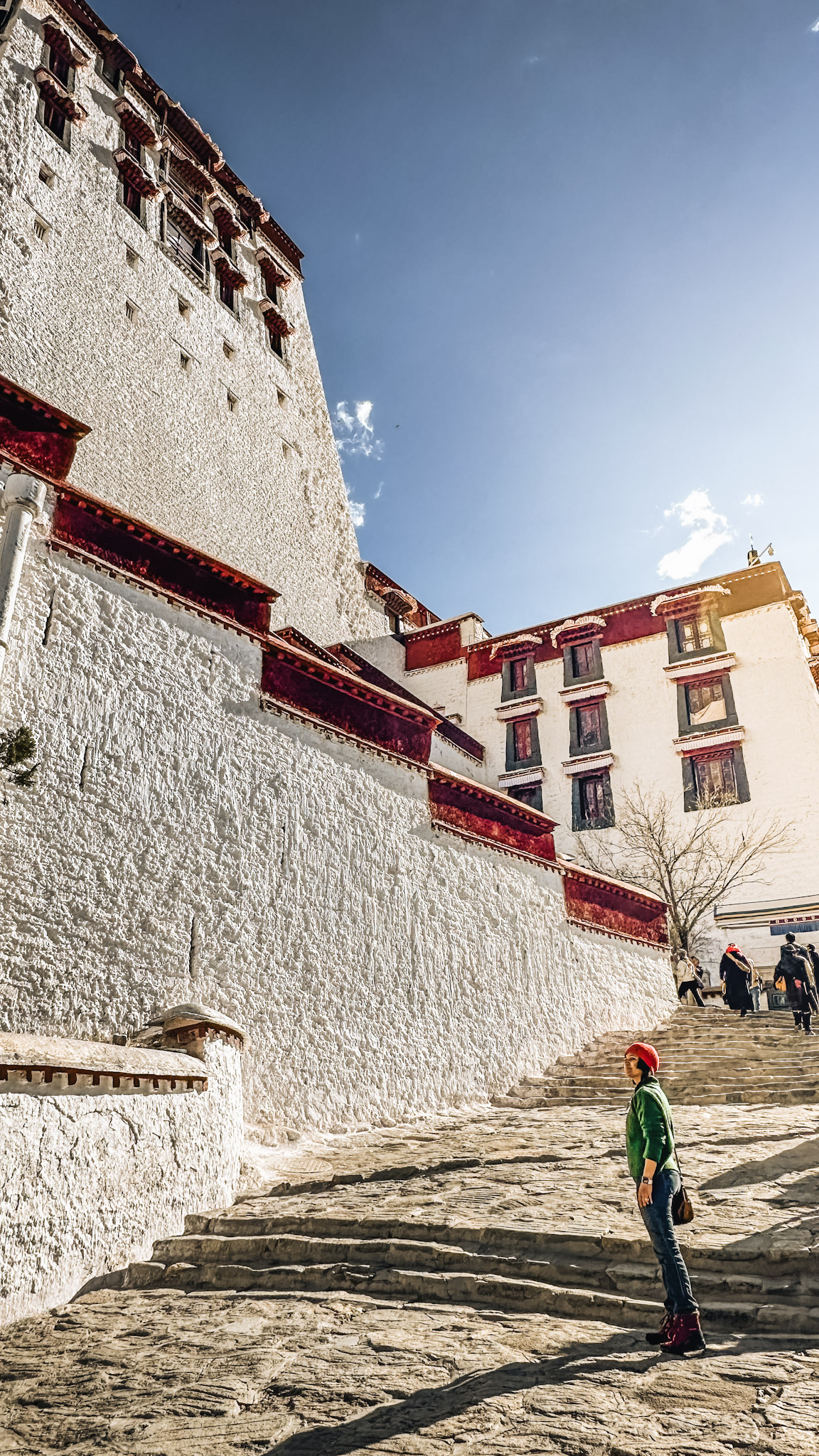
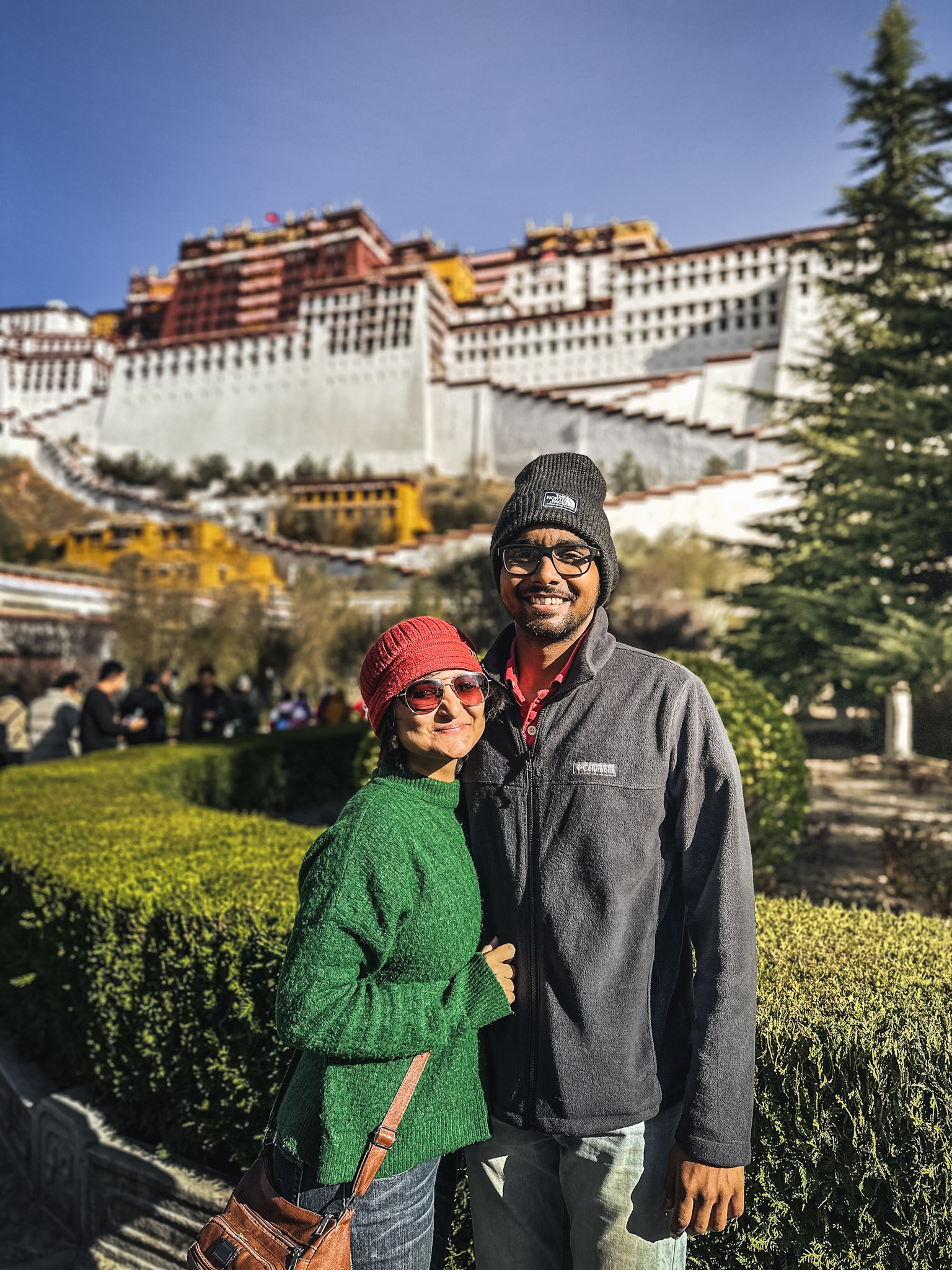
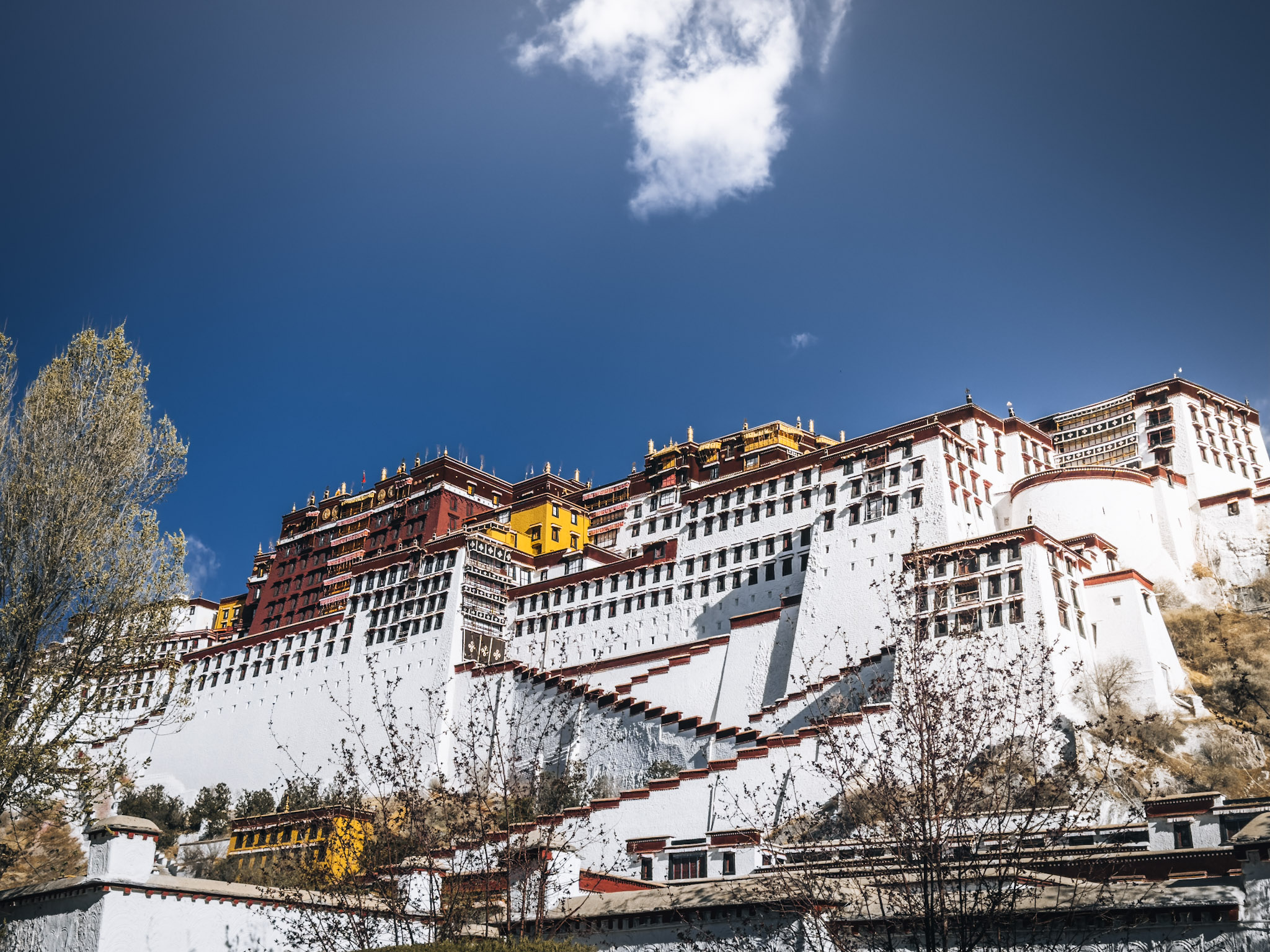
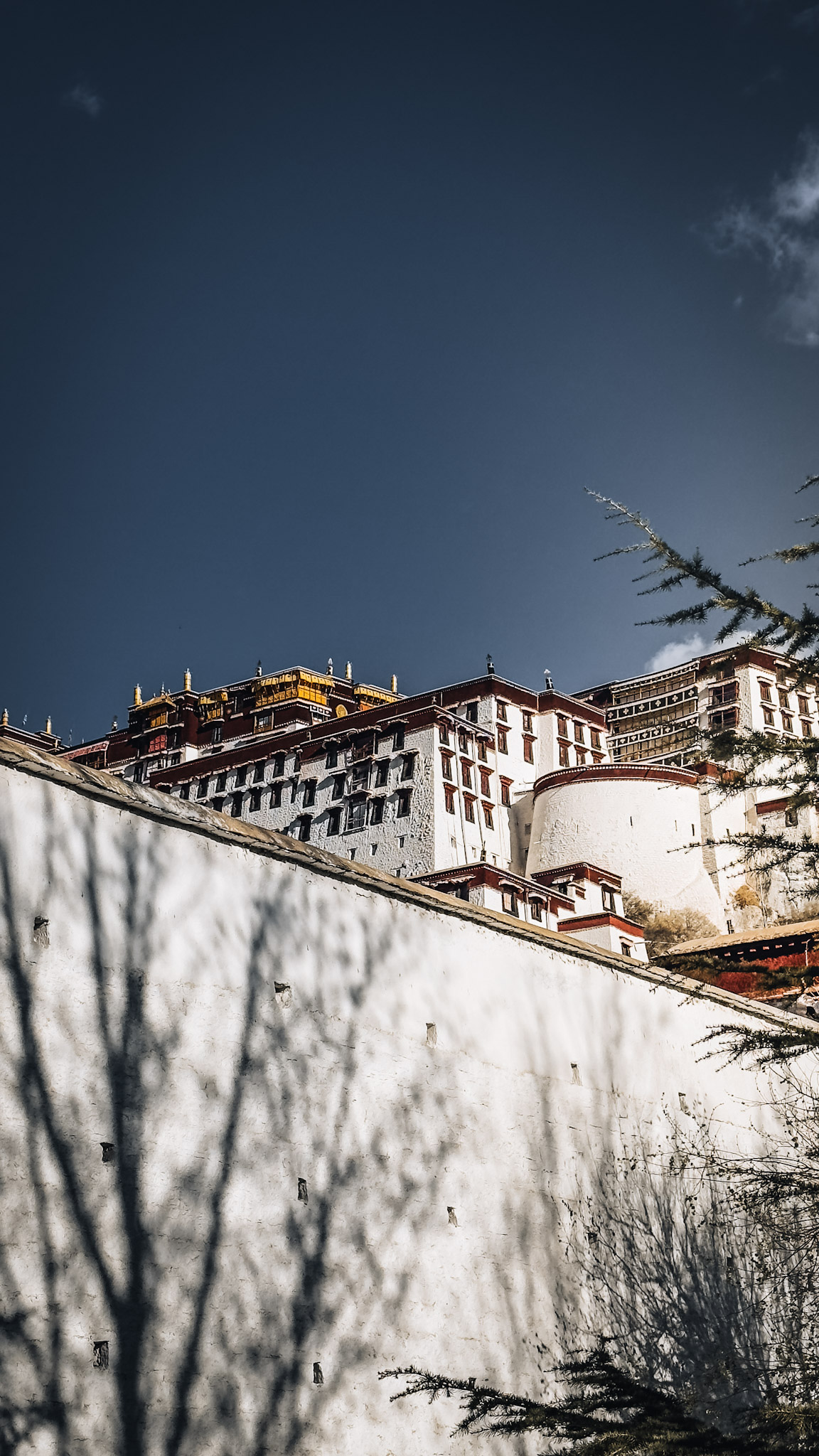
Potala Palace rises from a hill in the center of Lhasa like something from a different era—because it is. Built by King Songtsen Gampo in the 7th century, it served as the winter palace for Dalai Lamas starting with the Fifth Dalai Lama. Walking toward it, you feel the weight of history. The white walls, the red-roofed sections, the windows stacked impossibly high—this is architecture designed to inspire awe, and it succeeds. Inside, you walk through rooms filled with thangkas, statues, and the accumulated spiritual practice of centuries. Everything in Potala is intentional. Every statue has been placed by hands that understood Buddhism. Every room has been a site of meditation.
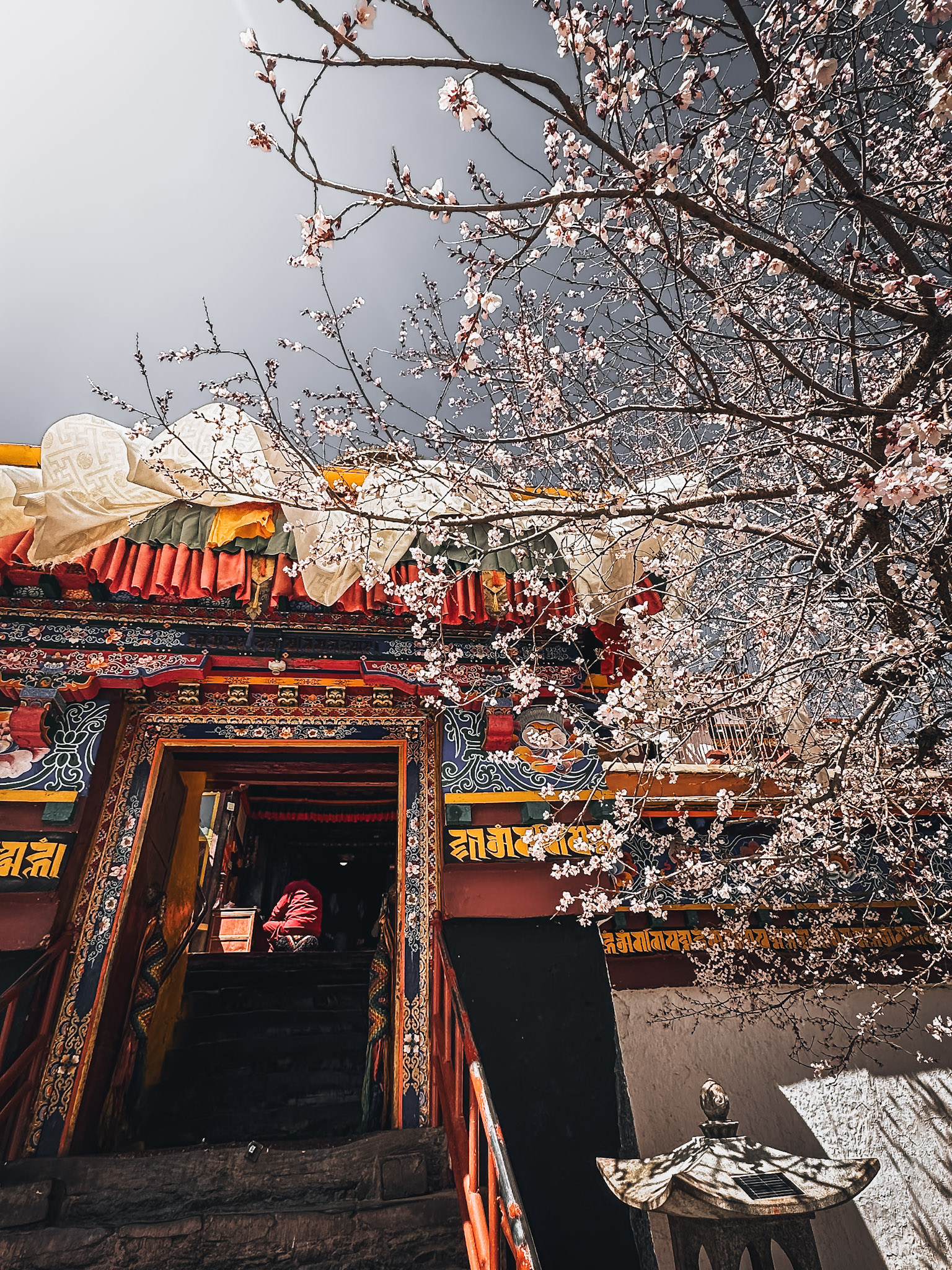
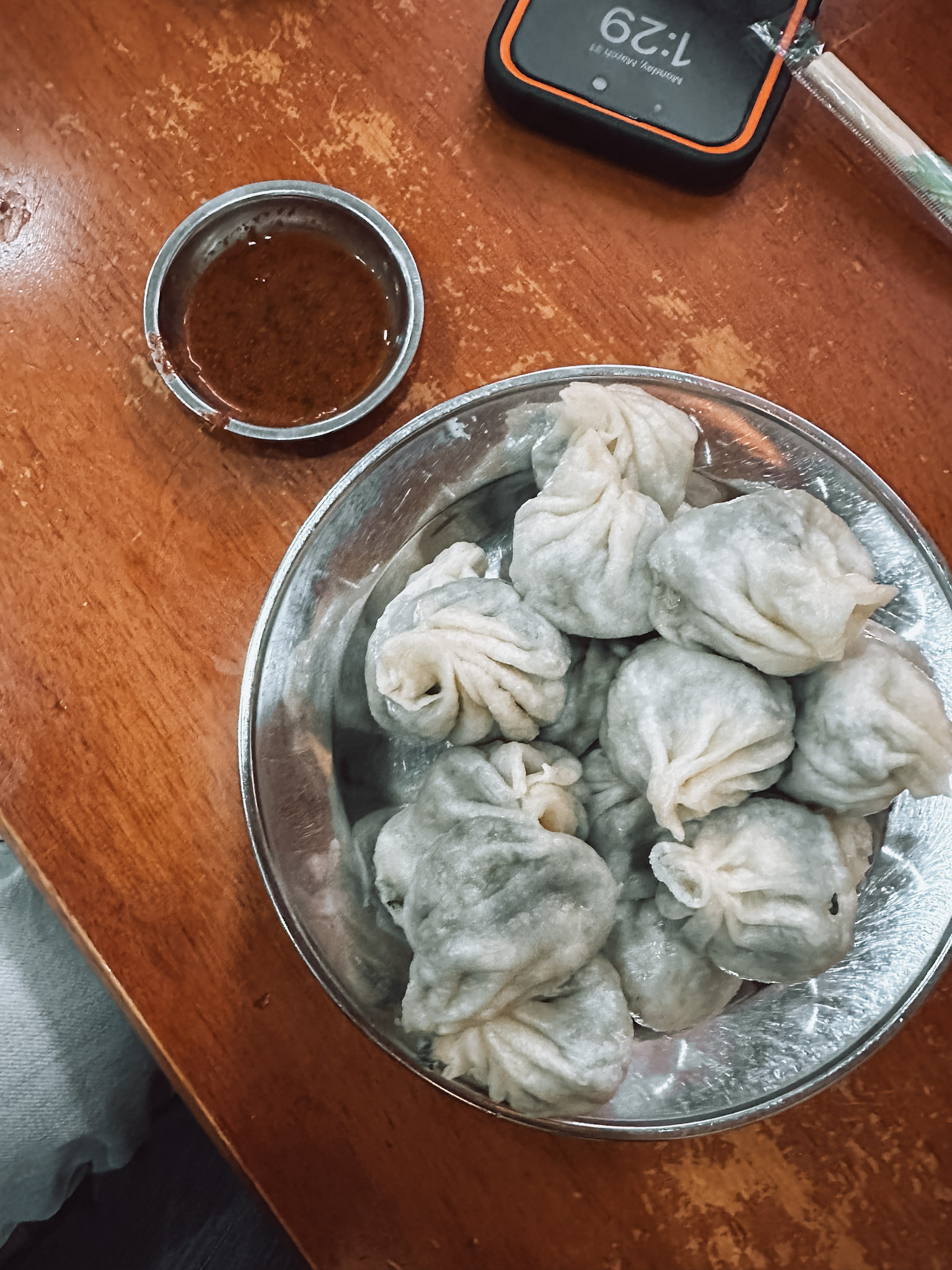
Afternoon: wander Lhasa city. The streets spiral and surprise you. You’ll turn a corner and find a small temple, then another. Prayer flags strung between buildings. Monks walking in burgundy robes. Old Tibetan women with traditional dress and long braided hair. The city doesn’t rush. It moves at the pace of prayer. Sit in a café and watch people circumambulate (walk in circles around sacred sites). Eat simple Tibetan food. The longer you stay present, the more the city reveals itself.
Day 3: Drive to Shigatse via Yamtrok Tso Lake & Karola Glacier
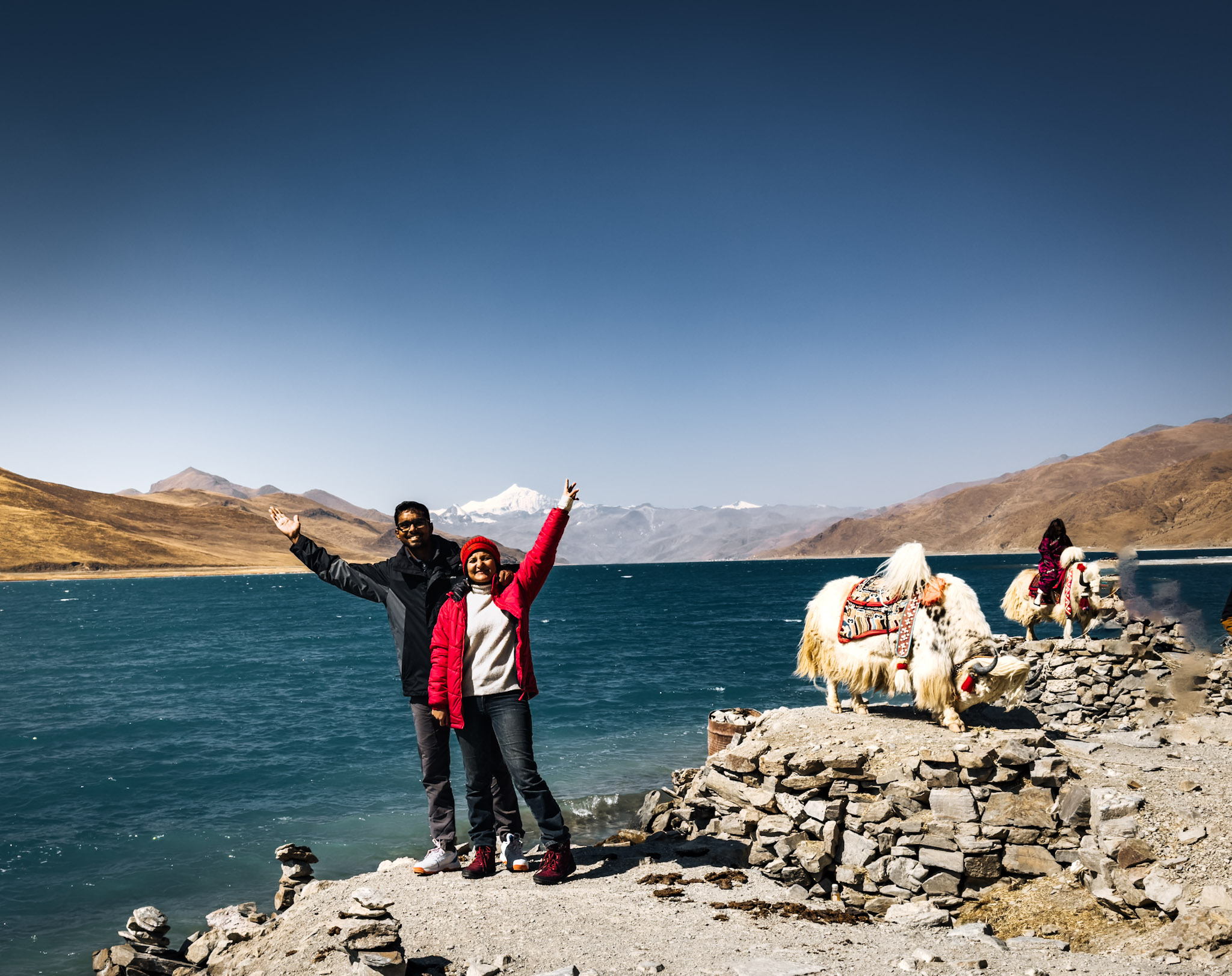
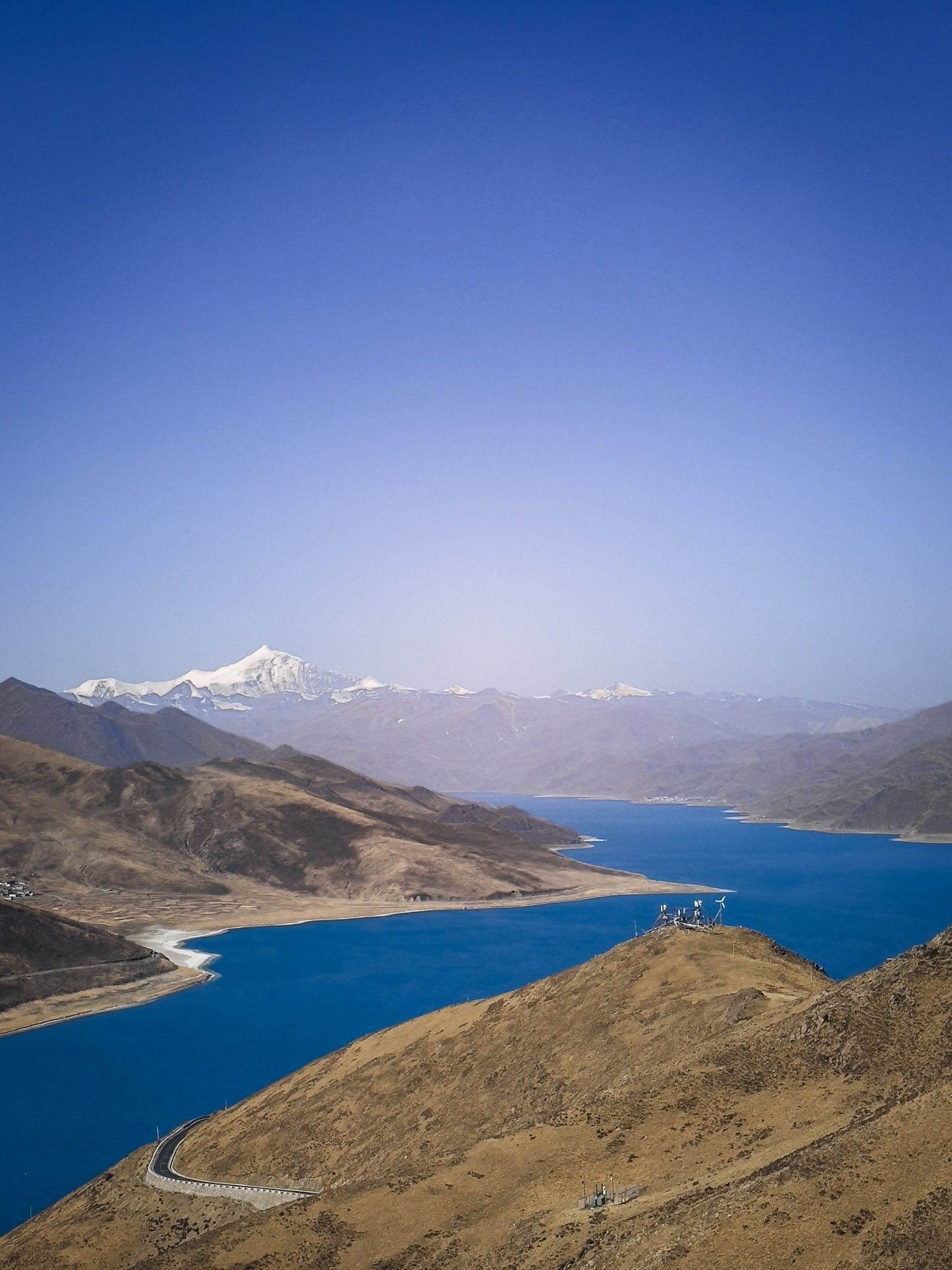
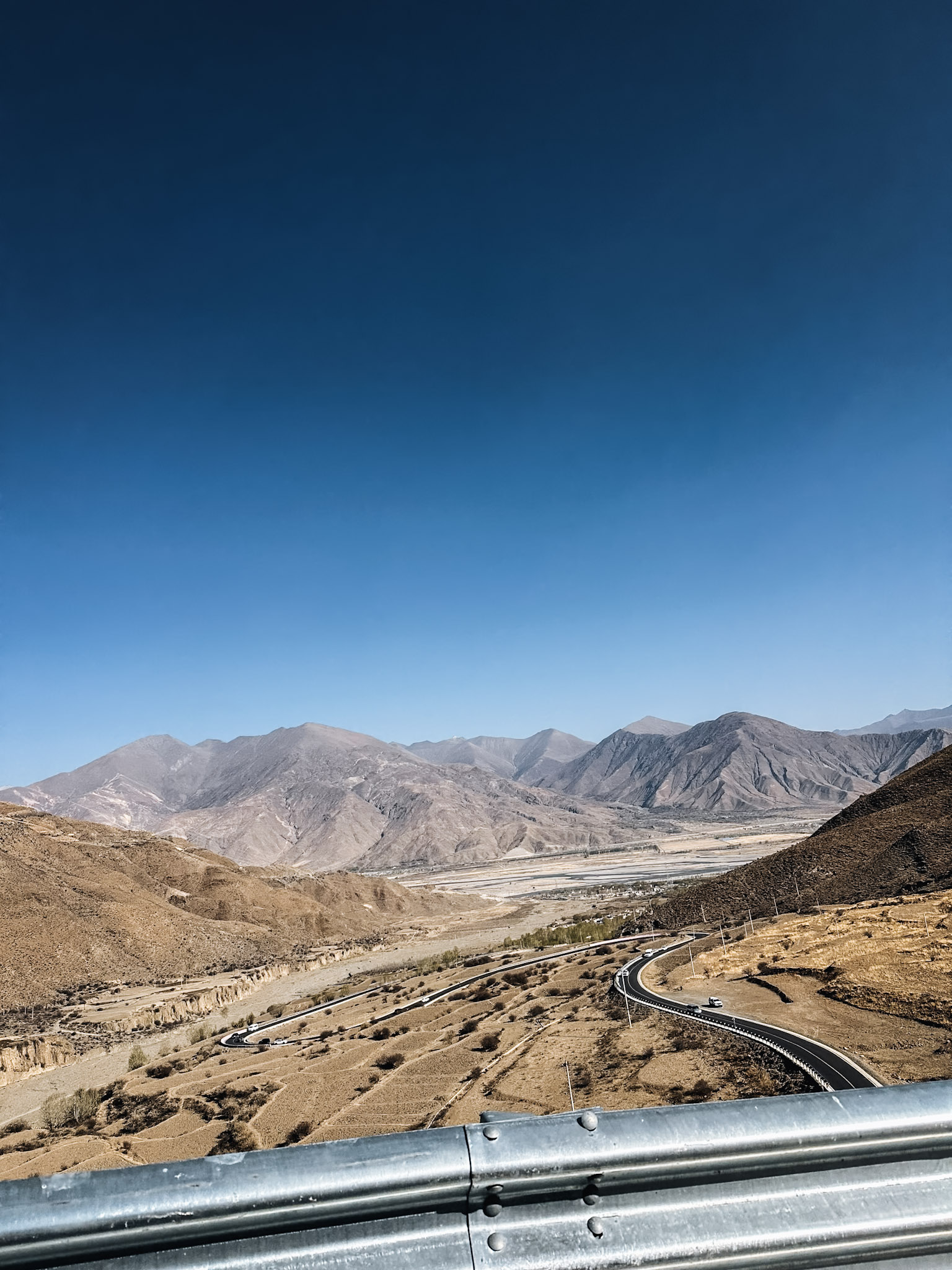
The drive to Shigatse (approximately 250 km / 155 miles) takes you through a landscape that doesn’t feel entirely of this world. Yamtrok Tso Lake appears suddenly—one of six holy and sacred lakes in Tibet, turquoise in a way that seems impossible, framed by mountains that touch the sky. Stop here. Walk to the water. Sit. The lake has been sacred for centuries. Pilgrims visit. Locals make offerings. The peace here is almost overwhelming.
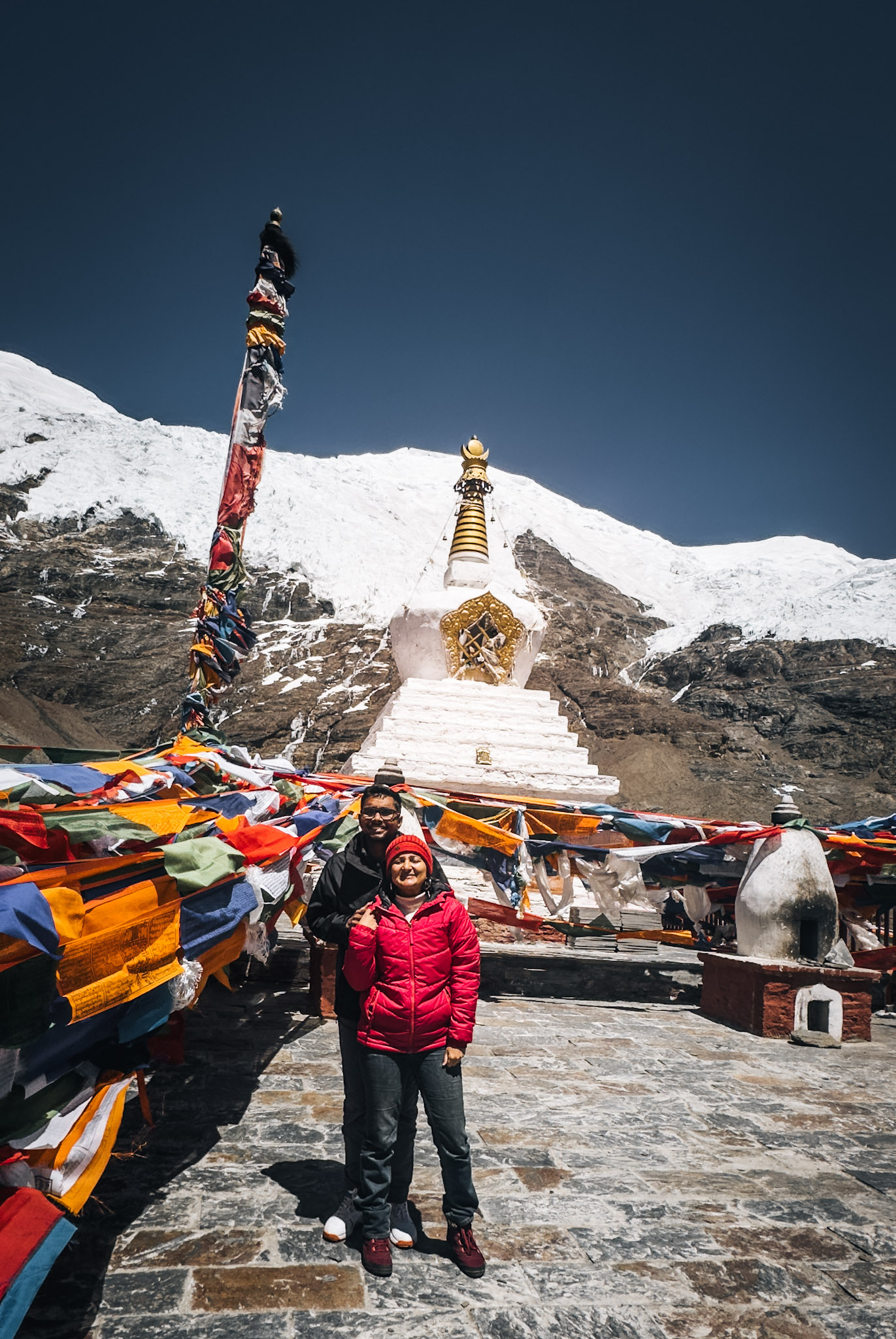
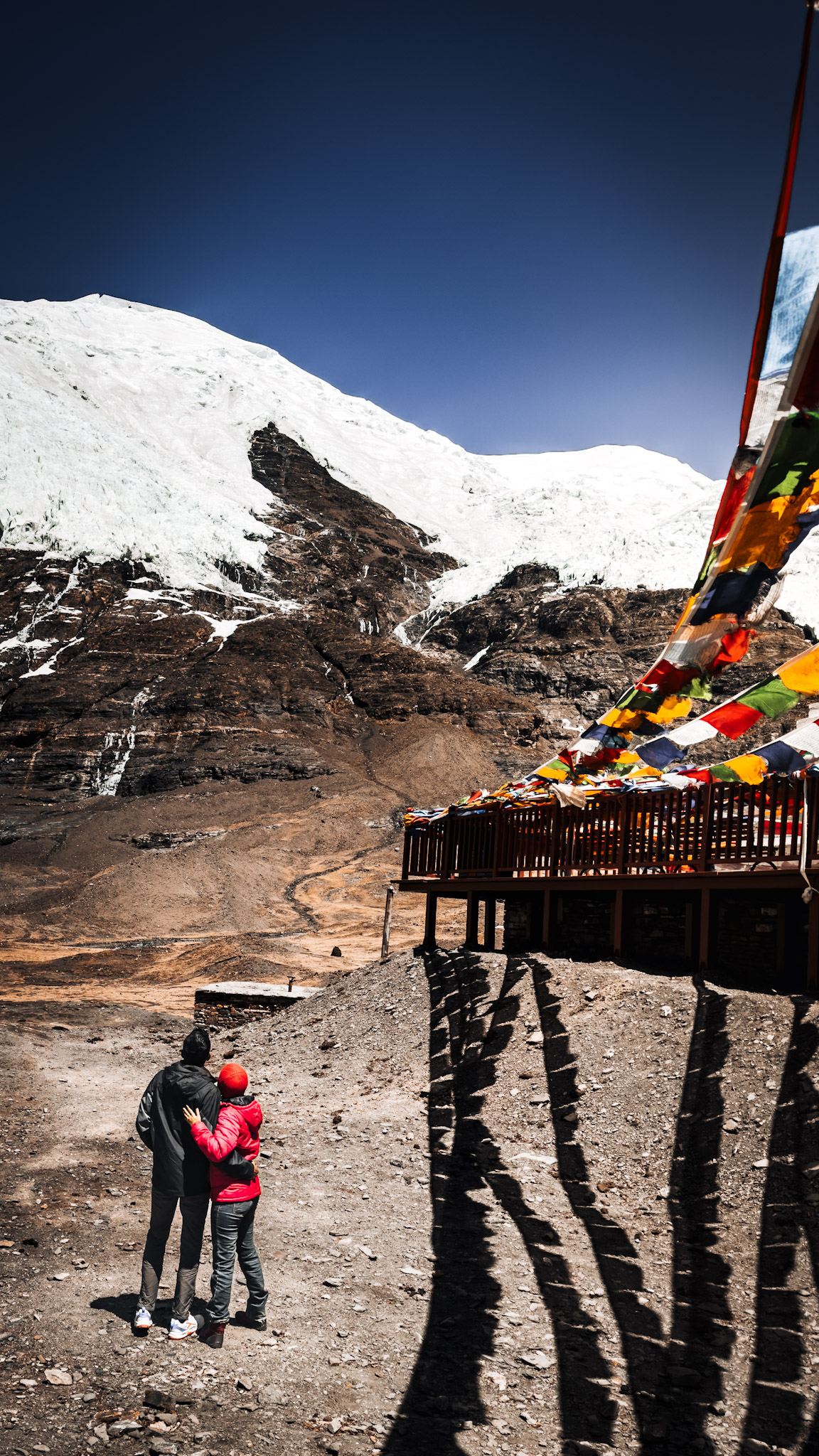
Continue to Karola Glacier, part of the Nyenchen Kansang range. The glacier is visible from the road—white and immense against the blue sky. The landscape shifts as you drive higher. Trees disappear. Stone dominates. And somewhere in this transition, you stop feeling like you’re traveling and start feeling like you’re ascending. By the time you reach Shigatse (2,800 meters / 9,200 feet), you’re quieter than when you left Lhasa. The mountains have that effect.
Evening: Check into Shiga Yangcha Grand Hotel or Gesar Hotel. Both are comfortable. Rest. Drink water. The altitude here is real, but not as intense as Lhasa. Dinner is quiet. Sleep comes early and deep.
Day 4: Shigatse Temples & The Kora Walk
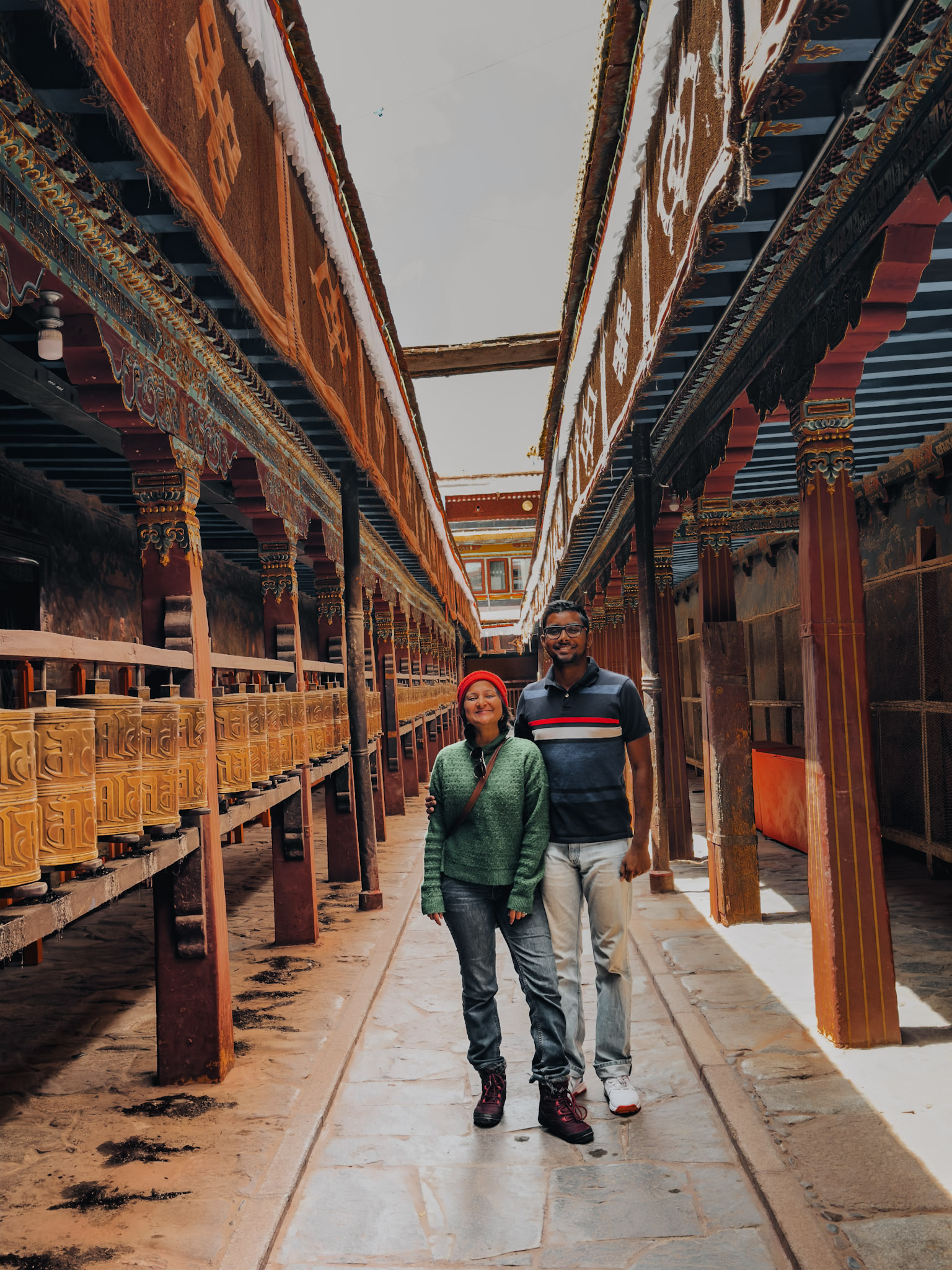
Morning: Visit Tashilhunpo Monastery, the largest monastery in Shigatse. But instead of just doing the standard tour, do what locals do—walk the Kora. The Kora is the pilgrimage circuit around the monastery. Locals walk it daily as spiritual practice. You’ll meet people turning prayer wheels, murmuring mantras, moving with intention. Join them. Walk the circuit once, twice, three times. You’ll see the city from different angles. You’ll see the monastery from different perspectives. And you’ll start to understand what pilgrimage actually means—not rushing to see something, but returning repeatedly to the same sacred space until it becomes part of you.
Visit Pelcho Monastery, which is unusual, it combines three different sects of Buddhism (Kagyu, Gelug, and Sakya) under one roof. This is remarkably rare. The reason: built during a time when different schools of thought actually coexisted. Walking through, you see how the same Buddhism expresses differently through different traditions—different colors, different iconography, same devotion.
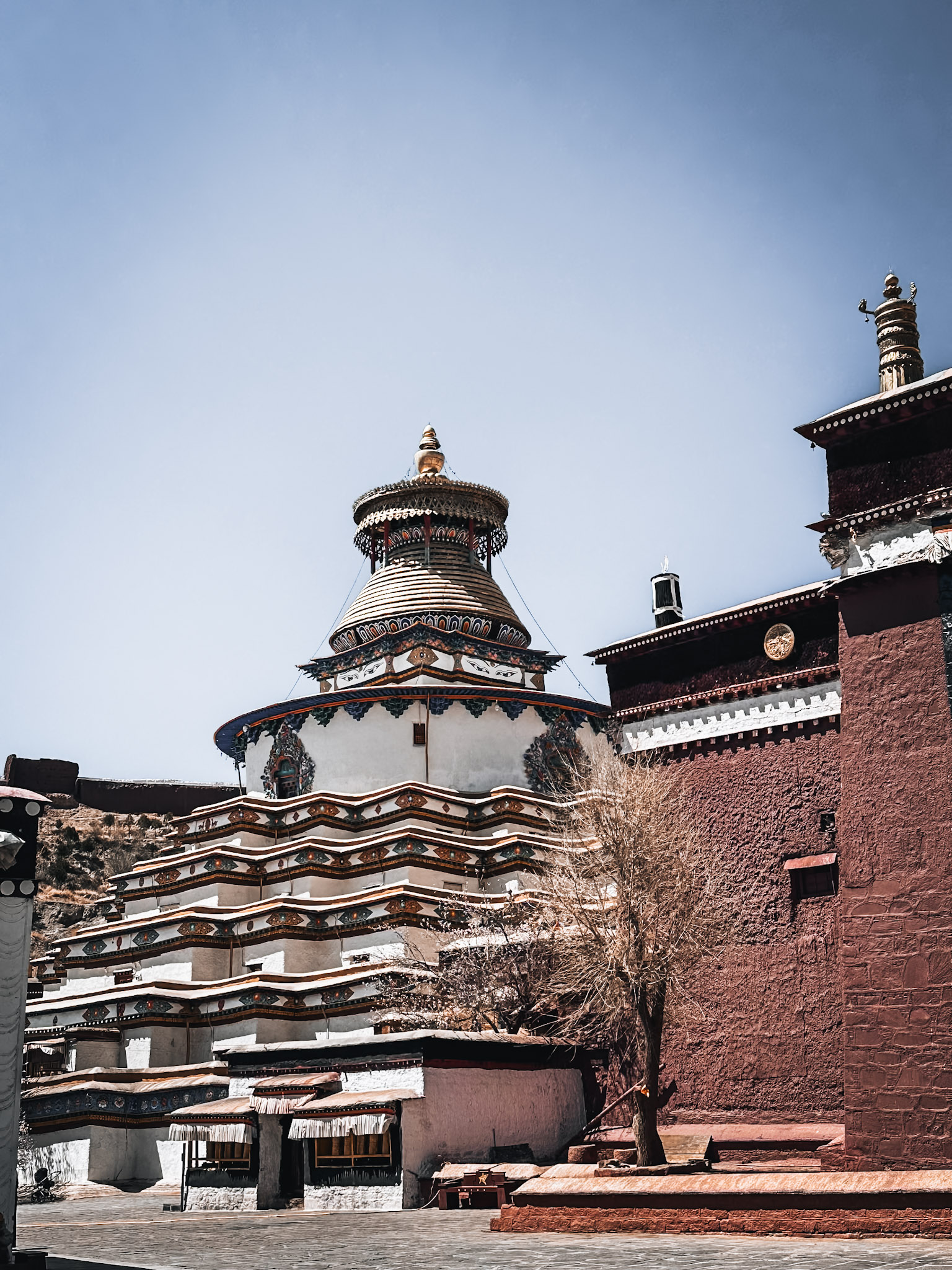
Visit Kubum Stupa (Gyantse Kumbum), the largest stupa in Tibet. This is a structure you can circumambulate by walking its spiraling pathways. Each level has different chapels, different statues, and different purposes. Walking upward, you’re moving through layers of Buddhist cosmology. The views from higher levels show you the city below—everything looks small from there, which is kind of the point.
Day 5: Return to Lhasa → Sera Monastery & Monks Debate
Morning: Drive back to Lhasa (approximately 5 hours). Afternoon: visit Sera Monastery, located near Lhasa. Sera is famous for one thing—monks debating philosophy. This happens daily in the courtyard. Young monks stand in circles, clapping their hands, asking questions, challenging each other on points of Buddhist doctrine. The debate is loud, energetic, and intellectual. These monks spend years memorizing Buddhist texts and learning to defend philosophical positions. Watching them, you understand that Buddhism is not passive. It’s a rigorous intellectual tradition expressed through the body and voice.
Sit and watch for as long as you can. Listen to the rhythm of debate—even if you don’t understand Tibetan, the cadence teaches you something. These monks are training their minds to understand the nature of reality. And they’re doing it through argument, not silence. Both are valid paths.
Day 6: Final Lhasa Exploration → Depart
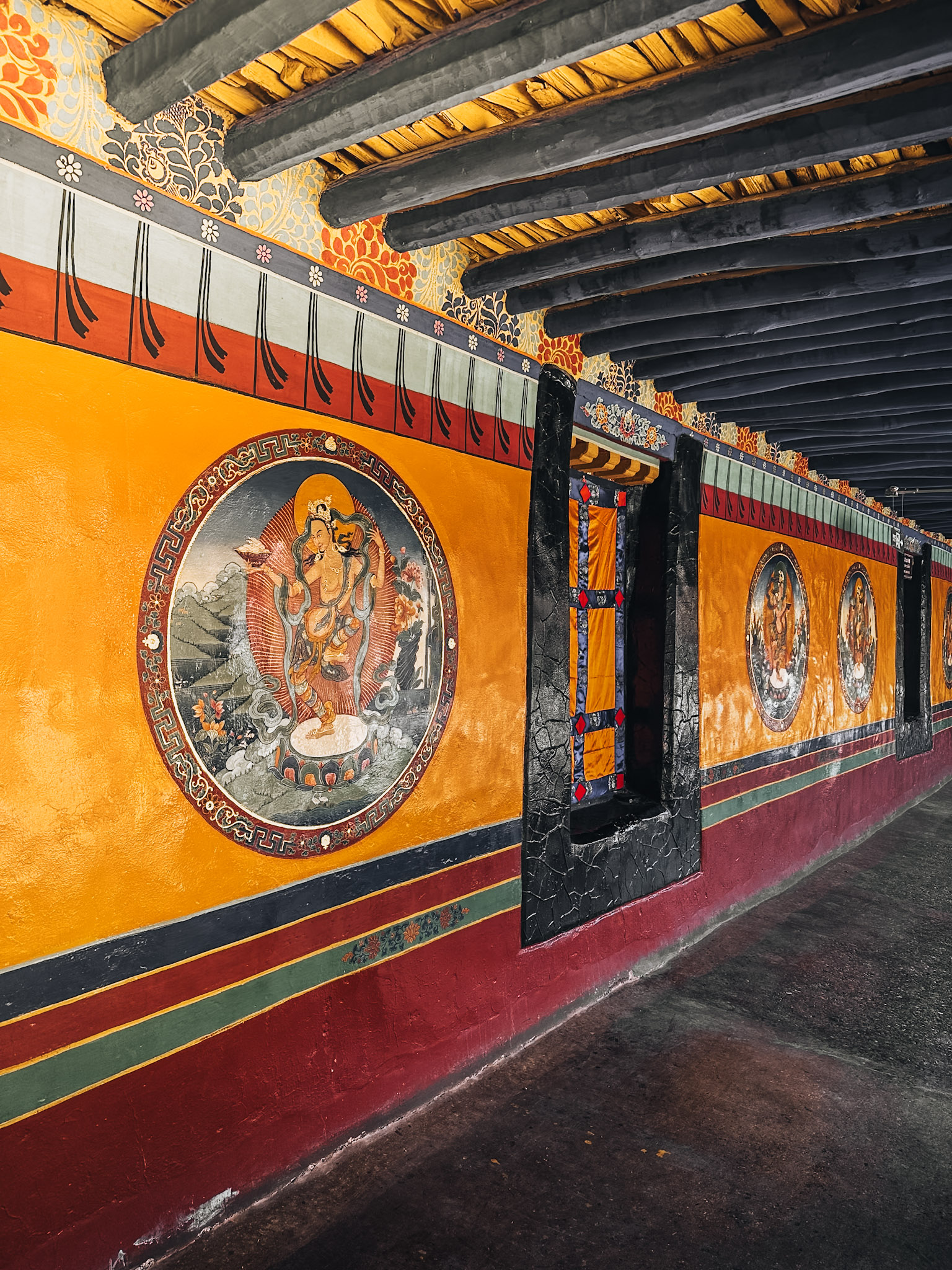
Your last morning. Walk Lhasa without an agenda. Revisit places that moved you. Sit in a café and watch the city. Buy a prayer wheel and learn to turn it properly. Pay attention to small details—the way someone bows, the smell of incense, the sound of chanting coming from somewhere you can’t see. These are the things you’ll remember.
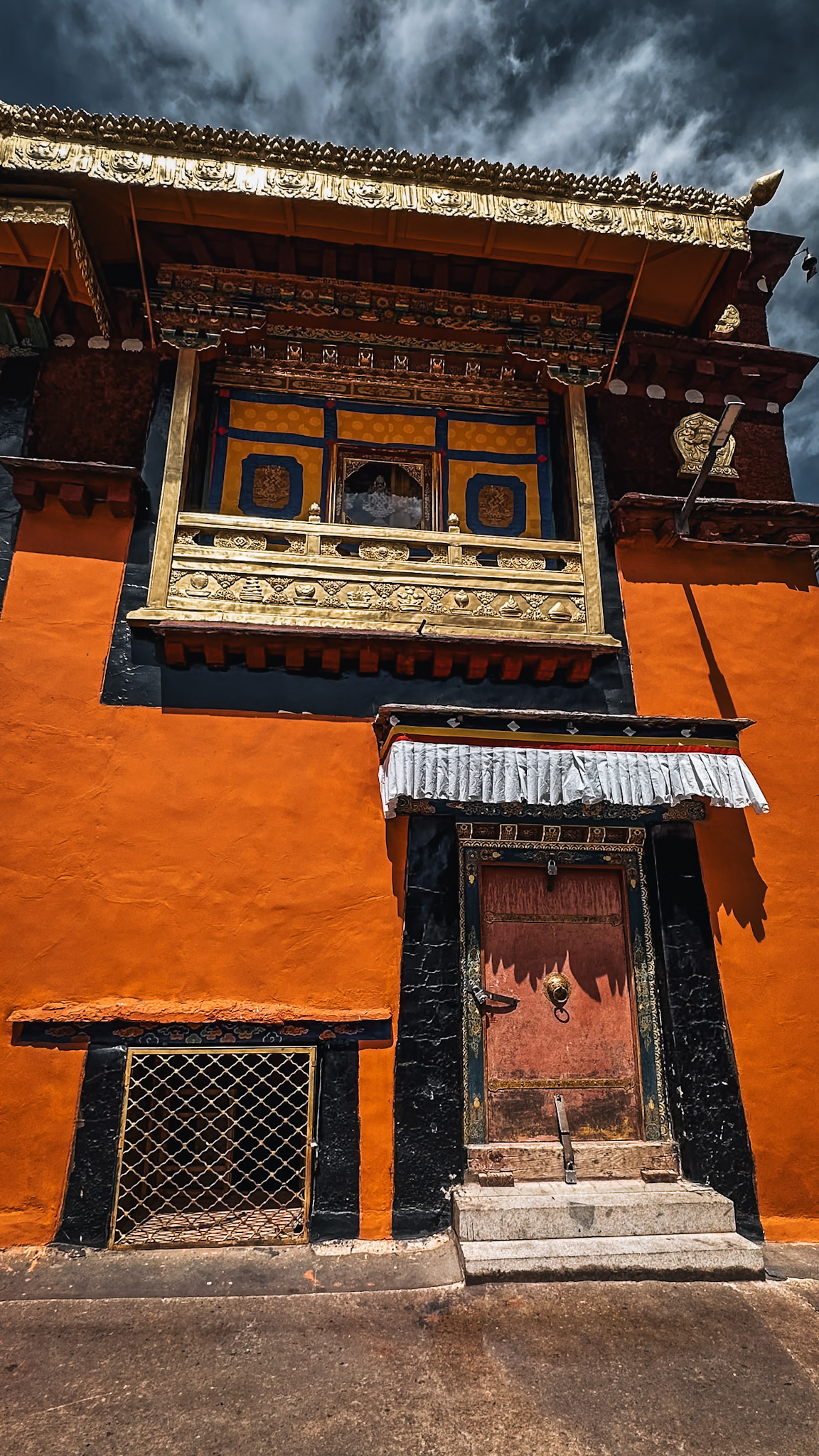
Afternoon: transfer to Lhasa airport. Flight back to Xining (approximately 2 hours). Overnight in Xining. The next day, continue onward—to China proper, to home, to wherever you’re heading next. But Lhasa will stay with you. The way it settles into silence. The way prayer becomes visible. The way you can spend days in the same small city and feel like you’ve only scratched the surface.
Practical Information: What You Actually Need to Know
Altitude: Lhasa is 3,656 meters. Shigatse is 2,800 meters. This matters. Drink water constantly. Move slowly. Let your body adjust. Don’t rush. Many people get altitude sickness - it’s not dangerous if you’re sensible. Rest your first two days. Don’t exercise hard. Sleep with your head elevated. Drink electrolyte water. Most people adjust within 2-3 days. Best time: April and May are perfect. September and October are also good. Summer (June-August) is crowded and the light is hazy. Winter is cold but clear. April is ideal - warm days, crisp mornings, fewer tourists, pilgrims are moving through, the energy is alive. Weather: bring layers. Days are warm (15-20°C). Nights are cold (0-5°C). The sun is intense—bring sunscreen. Wind is common. Currency: Chinese Yuan. Most places take cards, but carry cash for small vendors and temple offerings. Insurance: get travel insurance that covers high altitude. Medical facilities in Lhasa are adequate, but anything serious means evacuation to China proper.
Is altitude sickness a real risk in Tibet?
Yes, but it’s manageable. Arrive by train (gradual ascent) rather than flight. Spend your first day resting. Drink water constantly. Don’t run or exercise hard. Most people adjust within 2-3 days. If you feel symptoms (headache, nausea, dizziness), rest and don’t go higher. Serious altitude sickness is rare if you’re sensible.
What to Know About Visiting Sacred Spaces
Temples are active pilgrimage sites, not museums. People are there to pray, not to be observed. Be respectful. Don’t take photos in certain areas (usually marked). Ask before photographing people. Walk clockwise around sacred sites (never counter-clockwise—this is important). Move slowly. Sit in silence if you want to. Your presence in these spaces should be reverent, not voyeuristic. Dress modestly—knees and shoulders covered. Remove shoes when required. Leave offerings if you want to—butter for lamps, incense, or money. These support the temples directly. The monks appreciate genuine interest more than casual tourism.
FAQs: Tibet 6-Day Itinerary
Is six days enough time for Tibet?
Yes, for a first visit. You experience Lhasa, the major temples, a mountain pilgrimage, and monastery life. You could spend weeks and still discover new details. But six days captures Tibet’s essence—the spiritual practices, the landscape, the pilgrimage rhythm.
When is the best time to visit Tibet?
April-May and September-October. April is ideal—warm days, cool mornings, fewer tourists, pilgrims actively moving through. June-August is crowded. December-February is cold but has clear skies. Avoid January during Losar (Tibetan New Year) if you prefer fewer people.
Should I arrive by train or flight?
Train. The Qinghai-Tibet Railway is an experience itself. The gradual ascent helps your body adjust to altitude. Flights arrive suddenly at 3,656 meters, harder on your system. The train is slower but smarter.
Planning Your Tibet Trip: Local Guide & Ground Support
If you’re serious about planning this Tibet trip and want personalized guidance - navigating permits, choosing homestays, arranging experienced guides for treks, understanding the best times to visit, I’m happy to connect you with the ground team I’ve worked with. There’s something important here: working with a Tibetan-run company and Tibetan guides isn’t just the better option, it’s the ethical one. You’re supporting families directly, keeping money in communities where it matters, and traveling with people who actually know the land.
To get connected, reach out with: (1) Your travel dates, (2) Number of people, (3) Your priorities (trekking, photography, cultural immersion, budget). I’ll connect you via email to guides who arrange permits, lodge bookings, trek logistics, and mountain experiences with real expertise. They know Tibet deeply. When you book through them, you’re supporting Tibetan families and communities directly. That’s not a small thing.
I’ve traveled enough to know that a local guide transforms a trip from moving through the landscape into actually being in it. Tibet especially deserves that kind of presence.
Want to connect? Email me with your details above, and I’ll introduce you immediately. I can vouch for them, they’re also an extended part of my community.
Final Thoughts: What Tibet Actually Teaches You
I didn’t come to Tibet looking for religion. I came looking for something else, quiet, maybe. Space. A place where the world outside couldn’t reach. And I found that. But I also found something I wasn’t expecting: a place where spirituality is so woven into daily life that you stop distinguishing between the sacred and the ordinary. Every prayer wheel is sacred. Every walk is a pilgrimage. Every moment of silence is meditation.
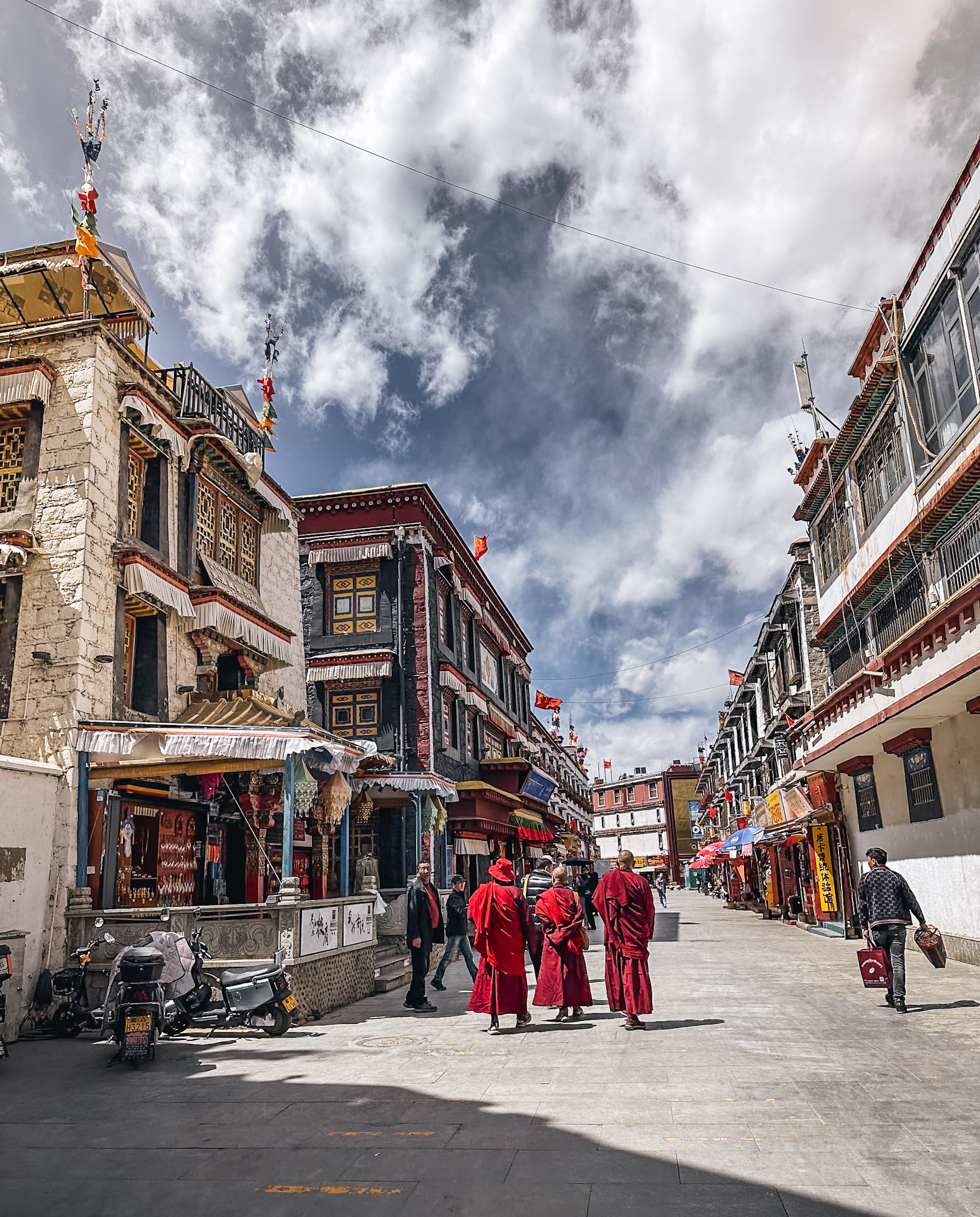
Just when you think you’ve possibly seen enough temples, we’re pleasantly surprised. They’re all uniquely different and incredible spectacles in their own right. Monks roam randomly (and in what is a slightly bizarre sign of the times, many are carrying mobile phones).
Meaningful travel may require us to change our attitudes and to be open to new ways of reacting to the world. These changes take work. Buddha teaches on every subject, especially about mind, and one of the major teachings is on impermanence. Everything is so precious, since we are not going to have this forever. That is why appreciation grows. Everything that is constructed, dissolves. We learn to appreciate things: this is it. This is precious. You learn to appreciate but learn to let go when it is not good.
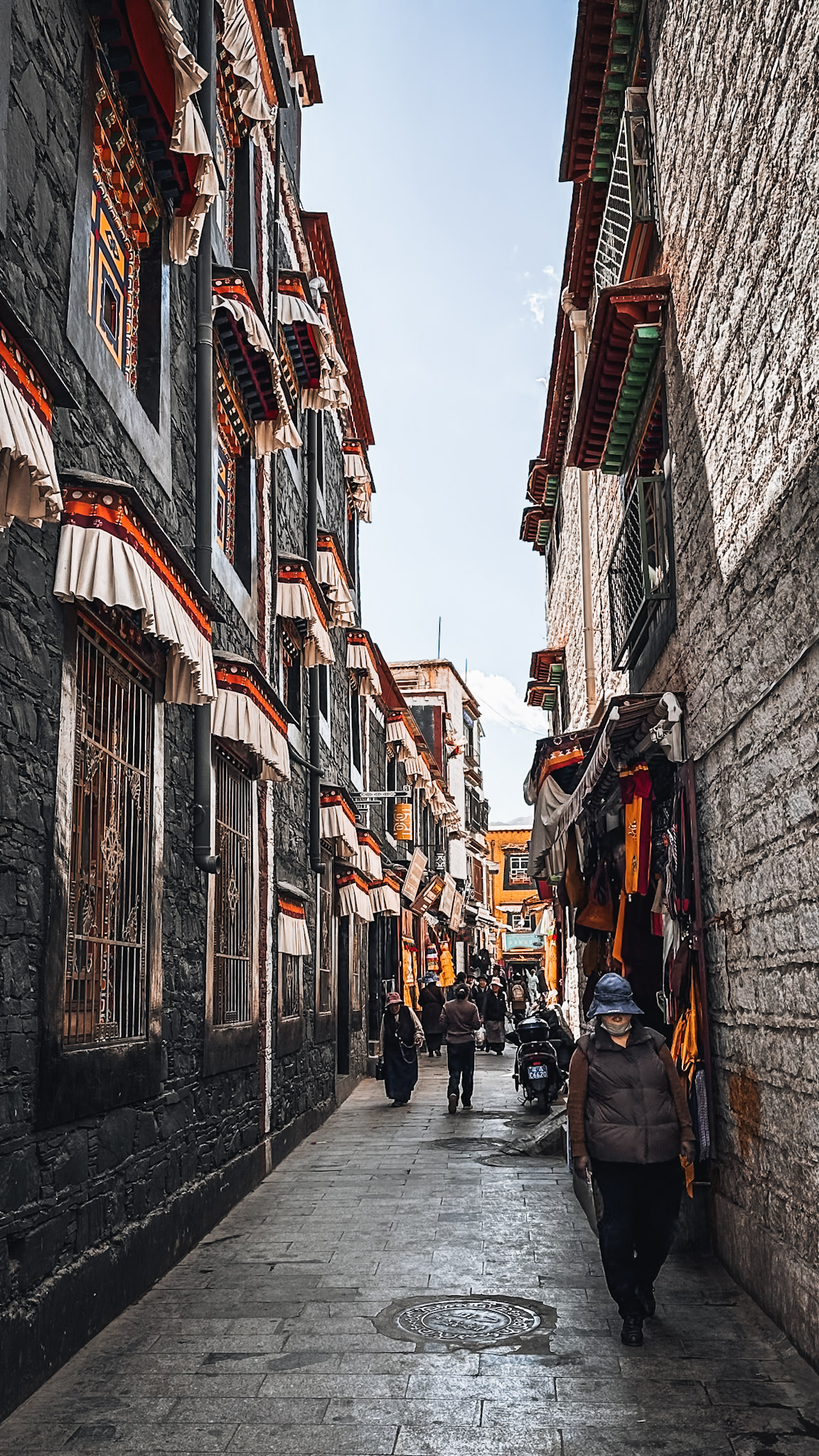
An exotic, spiritual and remarkable spot at the top of the world, where despite all that has happened, centuries old traditions remain and time stands still
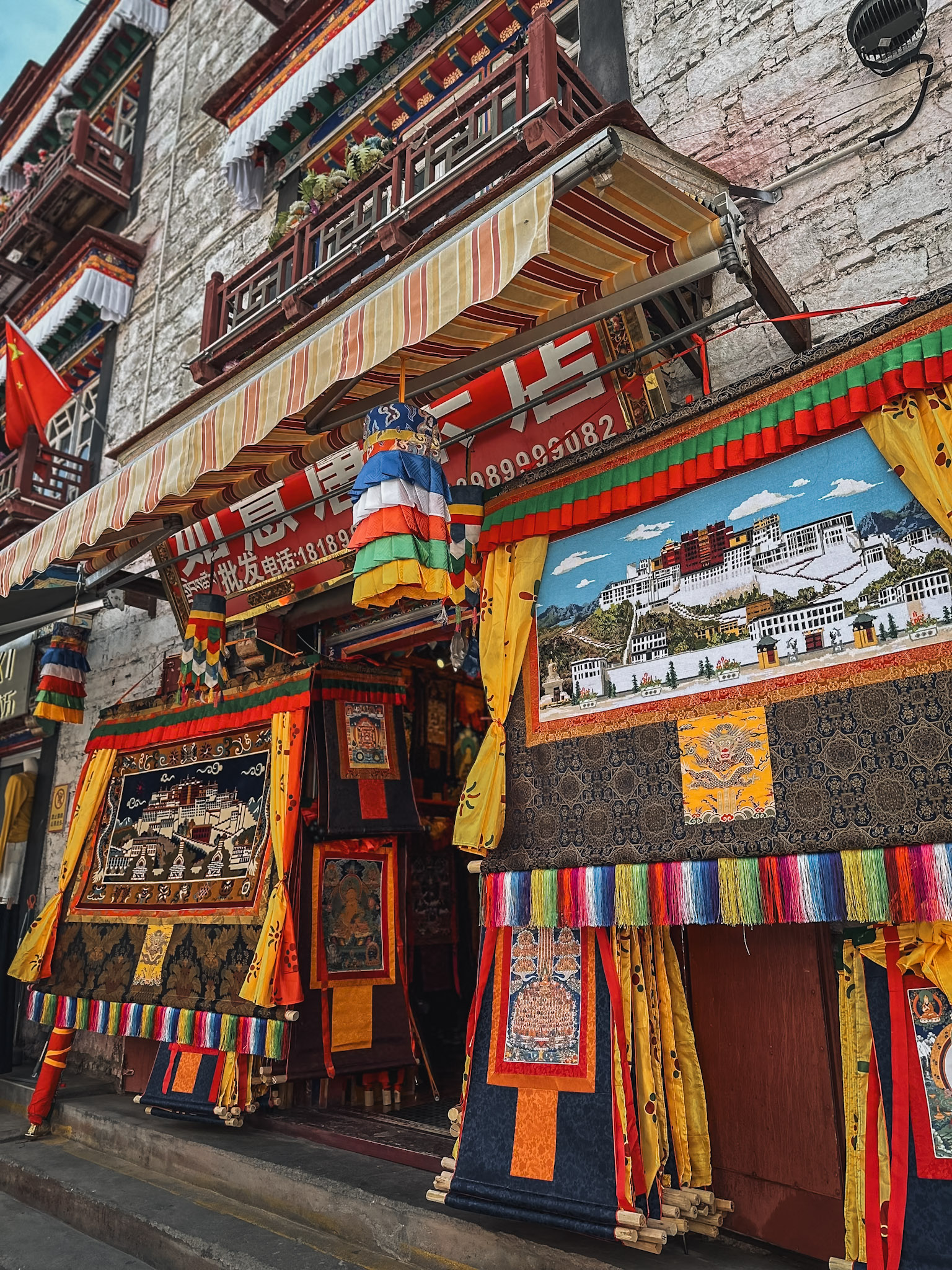
If you come to Tibet, come slowly. Come without an agenda. Come ready to sit in silence. Come to listen rather than collect. The place doesn’t give itself away to people who are rushing.. but if you stay still long enough, Tibet will teach you what it’s been teaching pilgrims for a thousand years: that peace is possible, and it’s right here if you stop moving long enough to notice it.
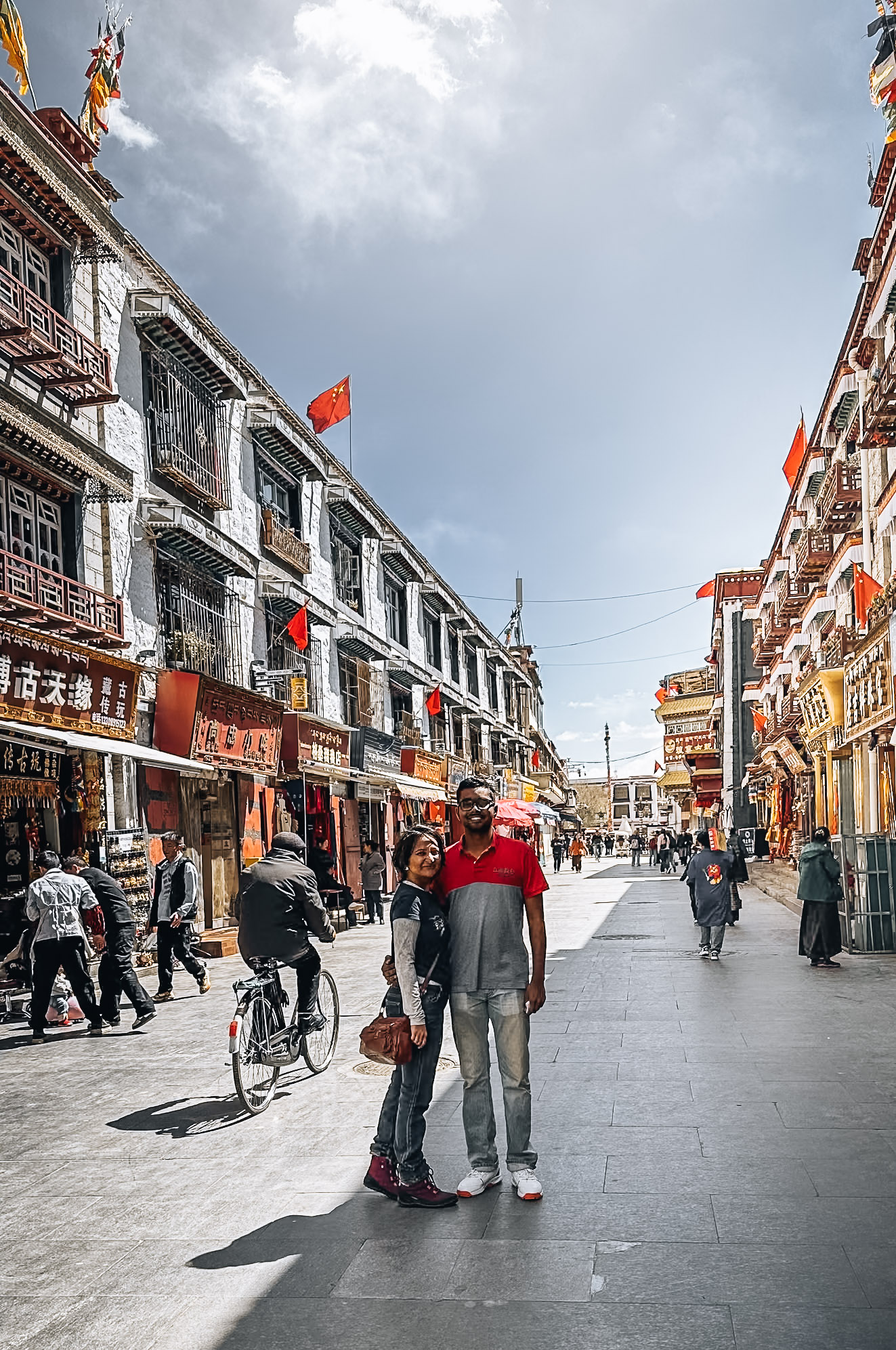
Thanks for reading. Lots of love,
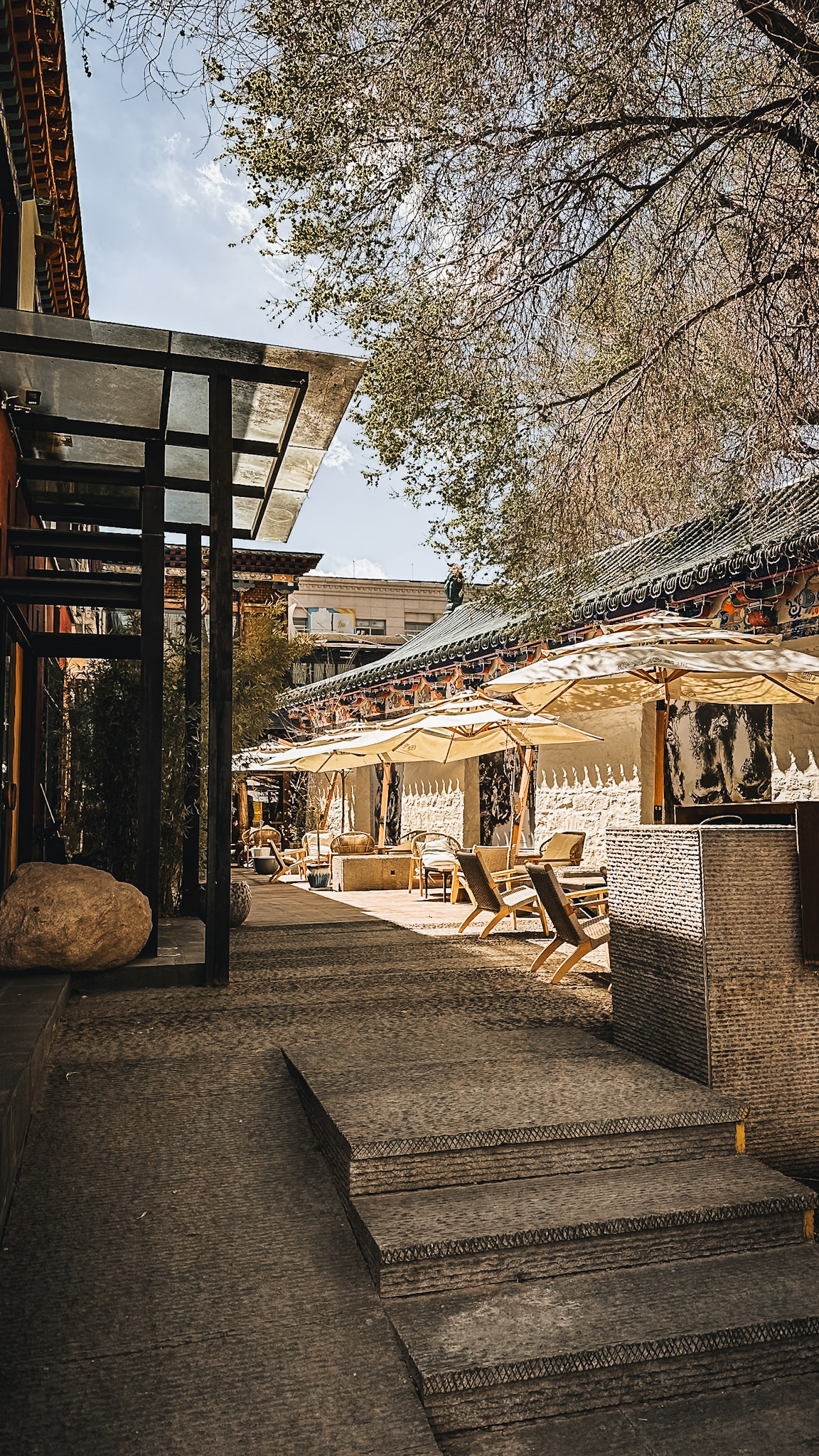
Anki
More from this region
← Browse all Asia guides