Namibia Travel Guide: An 8-Day Road Trip to Sossusvlei, Swakopmund, Spitzkoppe and Etosha
Published on September 19, 2026
Trip dates: July 19–26, 2025
Duration: 8 days / 7 nights
Travelers: 2
Starting point: Windhoek
Route: Windhoek → Namib Desert → Sossusvlei → Swakopmund → Spitzkoppe → Etosha → Windhoek Airport
Namibia had been on my list for a while
Namibia was a birthday trip, which meant I wanted to do it properly.
Not necessarily expensively. Not necessarily slowly. Just properly.
I wanted the big landscapes, obviously. Sossusvlei. Deadvlei. The Namib Desert. Spitzkoppe. Etosha.
But I also wanted to stay somewhere that made the journey feel like part of the trip rather than something happening between destinations.
That ended up being one of my favorite things about Namibia.
You spend a lot of time on the road, but the road is not really dead here. The landscape keeps changing. The desert becomes mountains, mountains become enormous open spaces, and eventually you start seeing wildlife.
It is also one of those countries where the accommodation can genuinely change how you experience a place.
For this trip, we chose a private guided road trip rather than renting a car and driving ourselves. Our itinerary covered eight days and seven nights, with a local English-speaking guide, an air-conditioned SUV, fuel, park fees and the main excursions included.
And because this was a birthday trip, I was quite happy to let someone else deal with the driving.
If you are new to my Africa travel stories, you can also browse my Africa travel guides on Wayfarer Footprints, including trips through Gabon, Cameroon and Zambia.
Our 8-day Namibia itinerary at a glance
If you are trying to work out how to fit Namibia into a little over a week, this is the route we followed.
| Day | Route | Where we stayed | What we did |
|---|---|---|---|
| Day 1 — July 19 | Windhoek | Town Lodge Windhoek | Arrived in Windhoek, airport transfer |
| Day 2 — July 20 | Windhoek → Namib Desert | The Desert Grace, Gondwana Collection | Desert drive and sundowner nature drive |
| Day 3 — July 21 | Sossusvlei / Deadvlei | Namib Dune Star Camp, Gondwana Collection | Sossusvlei, Deadvlei, Dune 45, Sesriem Canyon |
| Day 4 — July 22 | Namib Desert → Swakopmund | The Delight Swakopmund, Gondwana Collection | Tropic of Capricorn and Swakopmund |
| Day 5 — July 23 | Swakopmund → Spitzkoppe | Spitzkoppe Cabin Camp | Spitzkoppe and Bushman Paradise Trail |
| Day 6 — July 24 | Spitzkoppe → Etosha | Etosha Safari Lodge, Gondwana Collection | Drive to Etosha and game viewing |
| Day 7 — July 25 | Etosha | Etosha Safari Lodge, Gondwana Collection | Full-day Etosha game drive |
| Day 8 — July 26 | Etosha → Windhoek Airport | — | Transfer to Hosea Kutako International Airport |
The original itinerary included accommodation, an air-conditioned SUV and fuel, vehicle insurance, park fees, the Sossusvlei excursion, sundowner drive, Bushman Paradise Trail, Etosha park fees, airport transfers and an English-speaking guide. International flights, visas, travel insurance, drinks, tips and additional activities were excluded.
Why Namibia?
There are places you visit primarily for wildlife.
There are places you visit for the cities.
And then there are places where the landscape is the reason you booked the ticket in the first place.
Namibia is very much the third kind.
It is one of the most visually distinctive countries I have traveled through in Africa. The Namib Desert, enormous sand dunes, rocky mountains, dry riverbeds, granite formations and wide-open spaces make the journey feel almost surreal at times.
Then there is Etosha, which changes the rhythm completely.
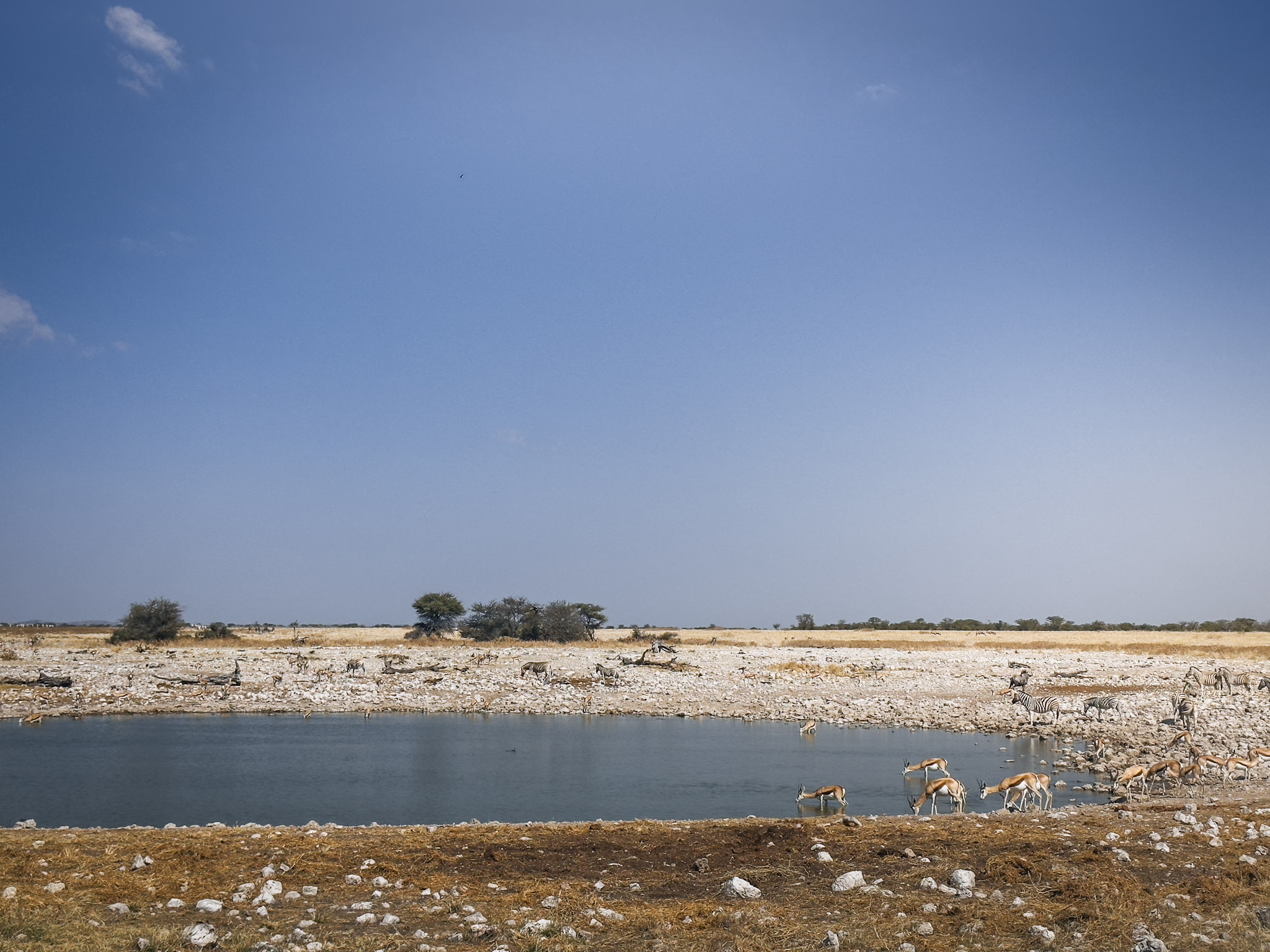
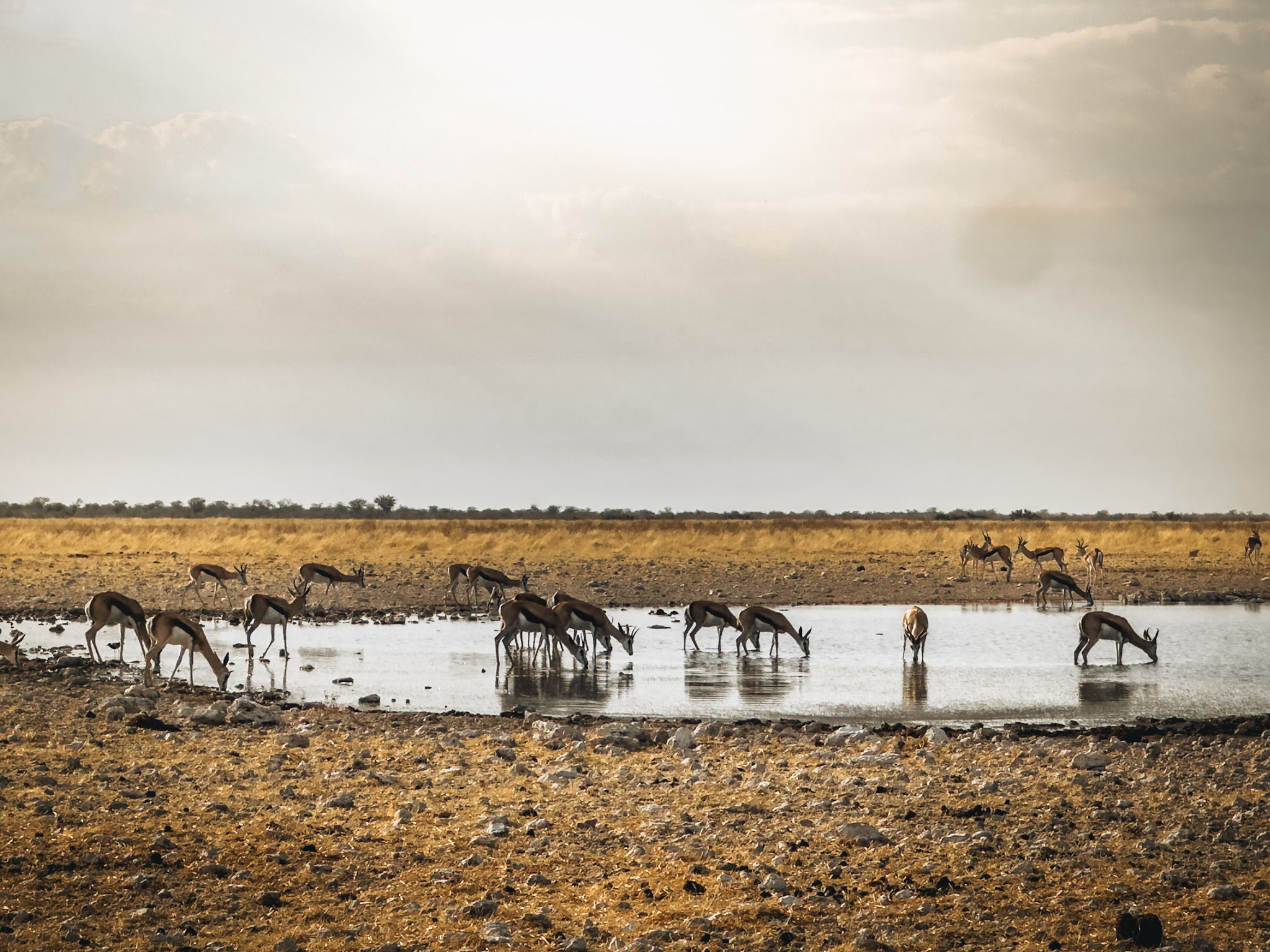
One minute you are driving through what looks like an endless desert landscape and the next you are sitting quietly beside a waterhole watching animals arrive.
That combination was exactly what I wanted from the trip: landscape first, wildlife second, and enough variety that the eight days never felt repetitive.
The itinerary itself was designed around some of Namibia’s best-known highlights, including Etosha National Park, Sossusvlei, the Tropic of Capricorn, Solitaire and Spitzkoppe.
And although Namibia is enormous, this particular route works well for a shorter trip because it concentrates on the southern and central highlights before finishing in Etosha.
Day 1: Windhoek
We landed at Hosea Kutako International Airport and were met at the airport before transferring into Windhoek.
Windhoek is Namibia’s capital and, for most travelers doing a road trip like this, it is more of a starting point than the main event.
The city has a distinctly German colonial influence alongside modern Namibian architecture, and the itinerary allowed us a short introduction before heading properly into the country.
We stayed at Town Lodge Windhoek, which was exactly the kind of hotel I wanted for the first night: comfortable, practical and easy.
It has 147 rooms, a swimming pool, secure parking, Wi-Fi and breakfast, and its location made sense for an arrival night rather than turning the first day into another sightseeing mission.
After traveling, sometimes “easy” is a luxury.
Day 2: Windhoek to the Namib Desert
This was when the trip really started feeling like Namibia.
We left Windhoek in the morning and drove toward the Namib Desert, traveling through the Namib-Naukluft region before continuing toward the Sossusvlei area.
We stopped in Solitaire along the way.
Solitaire is tiny, but it has become a well-known stop on the road to Sossusvlei, particularly for its famous apple pie.
I am not normally the person who plans a trip around food, but I can confirm that the roadside apple-pie stop is a very acceptable part of a desert road trip.
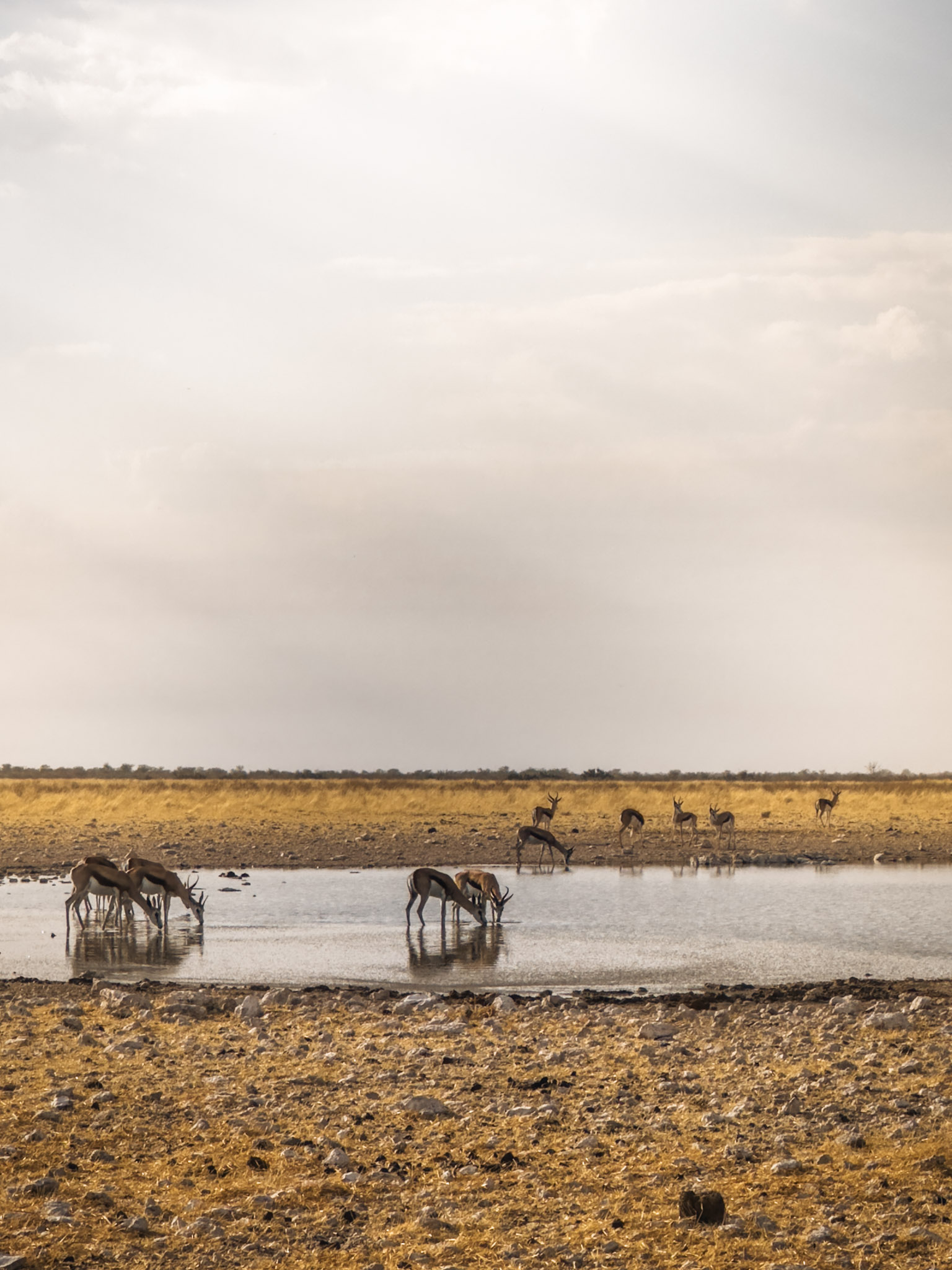
The landscape gets progressively more dramatic as you drive farther into the desert.
We stayed at The Desert Grace, part of Gondwana Collection Namibia, and this was one of the properties I specifically wanted on the trip.
It is about 60 kilometers north of Sesriem and has 24 bungalows, each with its own plunge pool. The design has a slightly old-world, elegant feel without losing the feeling that you are very much in the desert.
That was important to me.
If I am going all the way to Namibia, I don’t necessarily need the biggest or most luxurious hotel. I do want the place I am staying to feel connected to where I actually am.
The evening included a sundowner nature drive, which was a lovely introduction to the desert before the early morning start we had coming up.
Day 3: Sossusvlei, Deadvlei and a night under the Namibian sky
This was the day I had been waiting for.
We started early to catch the softer morning light and drove toward Sossusvlei National Park.
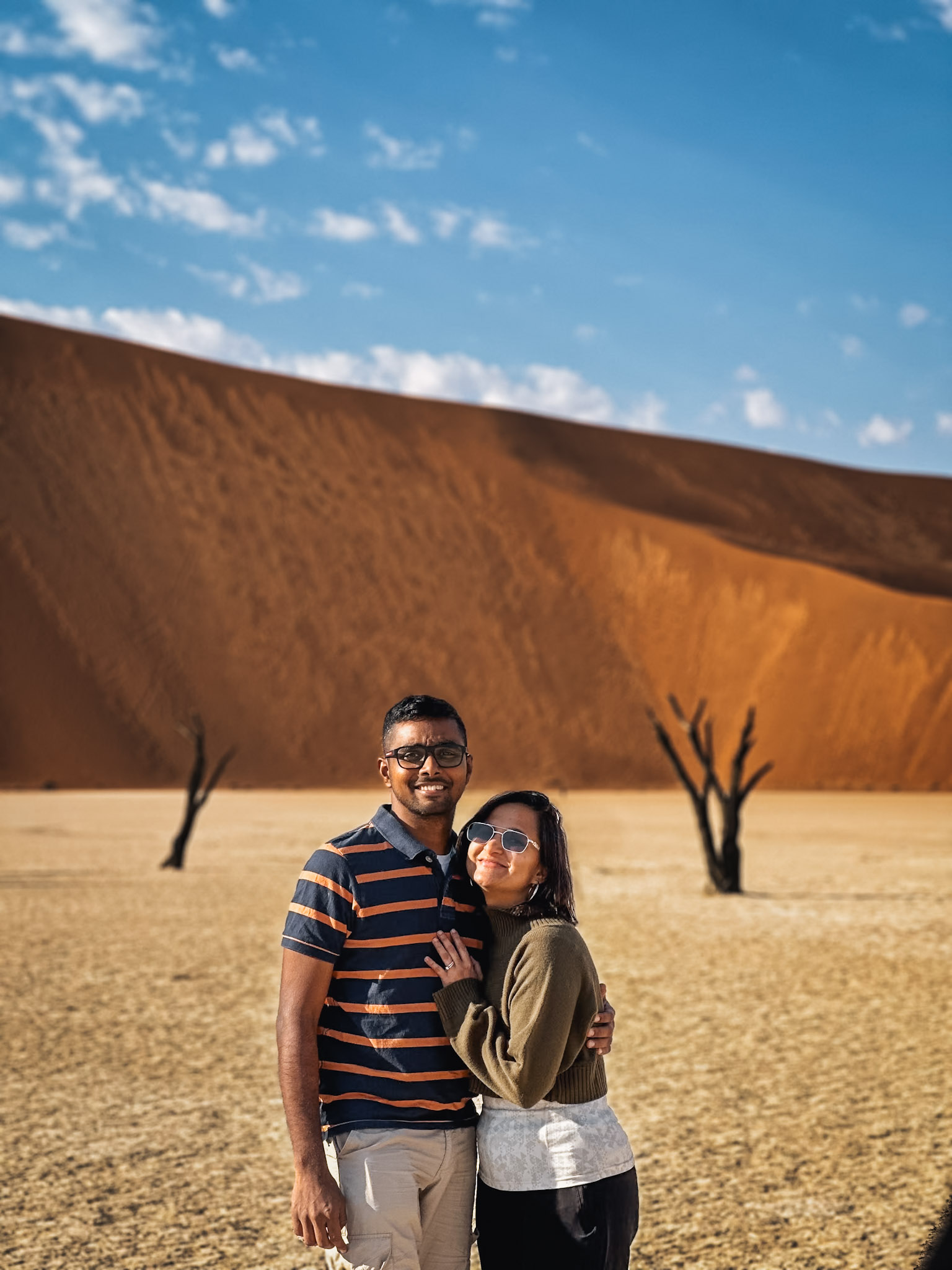
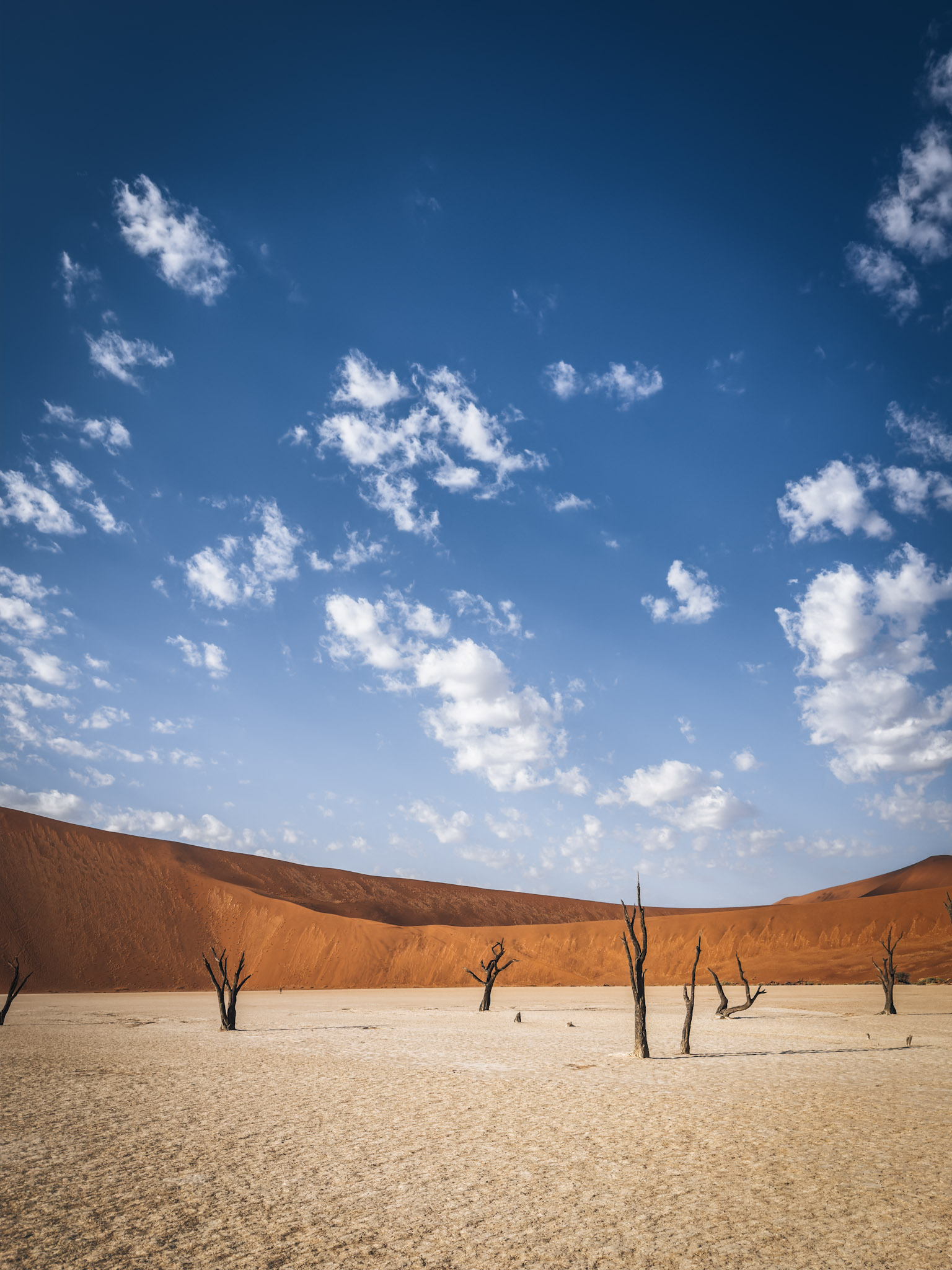
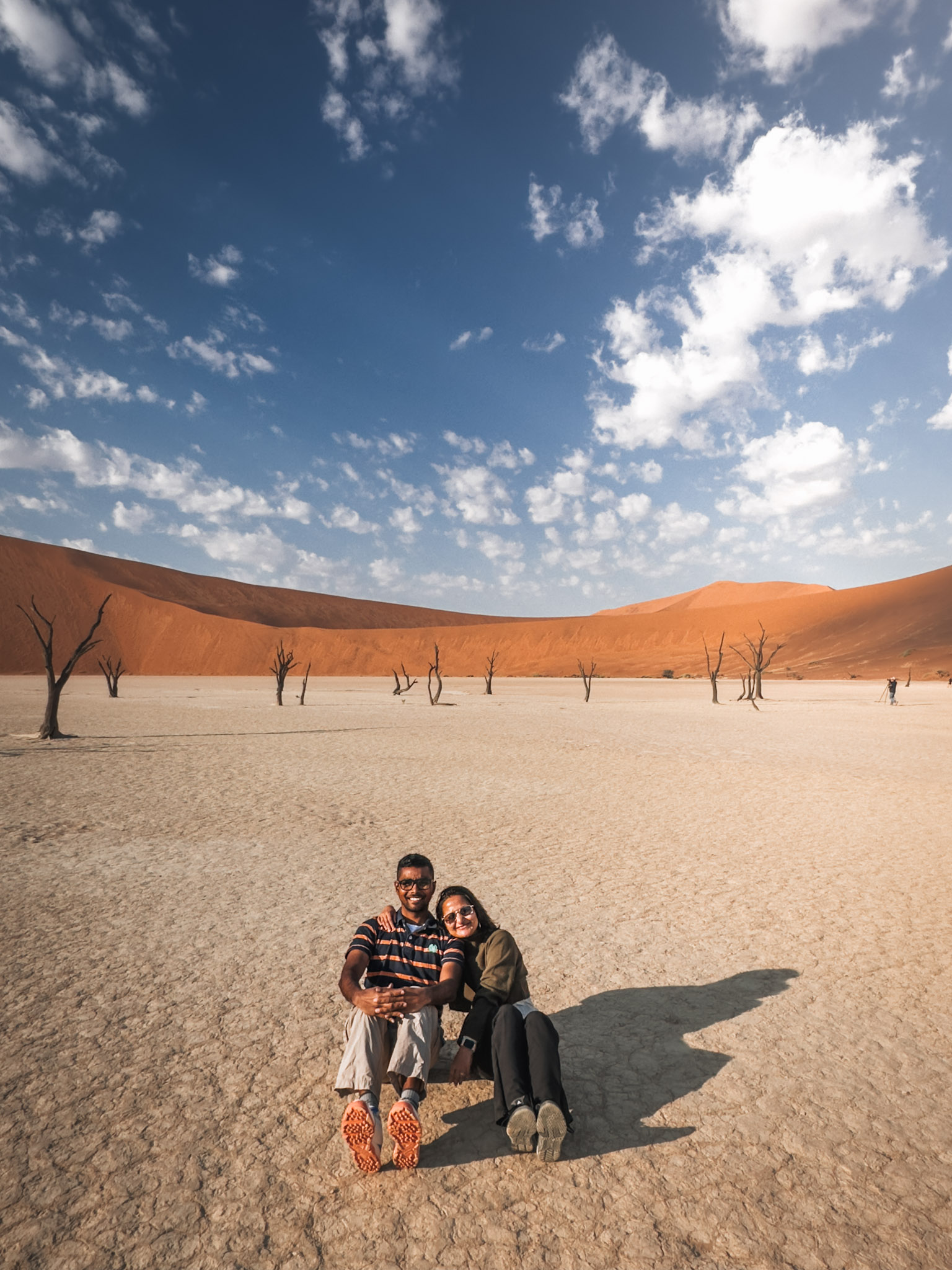
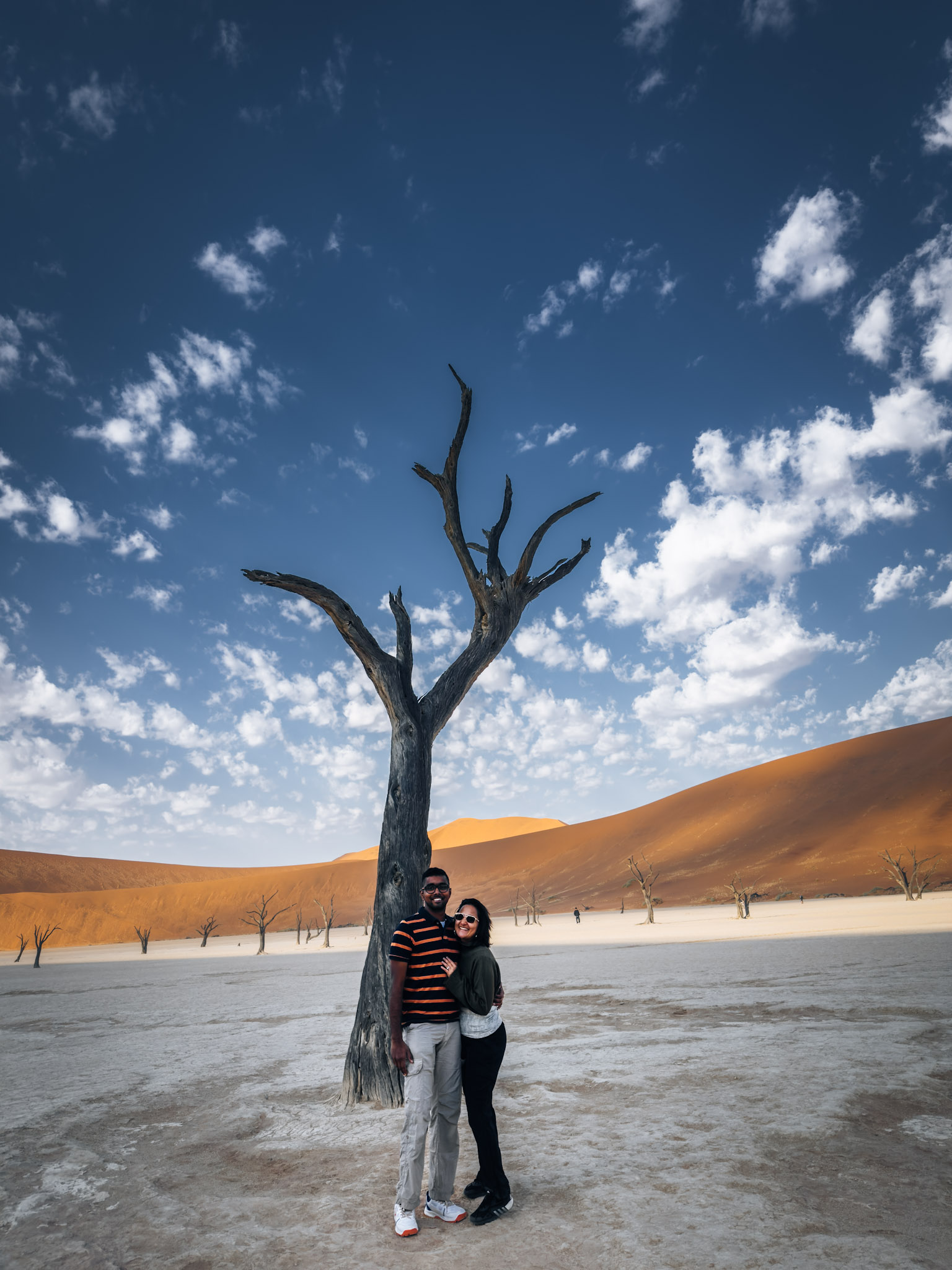
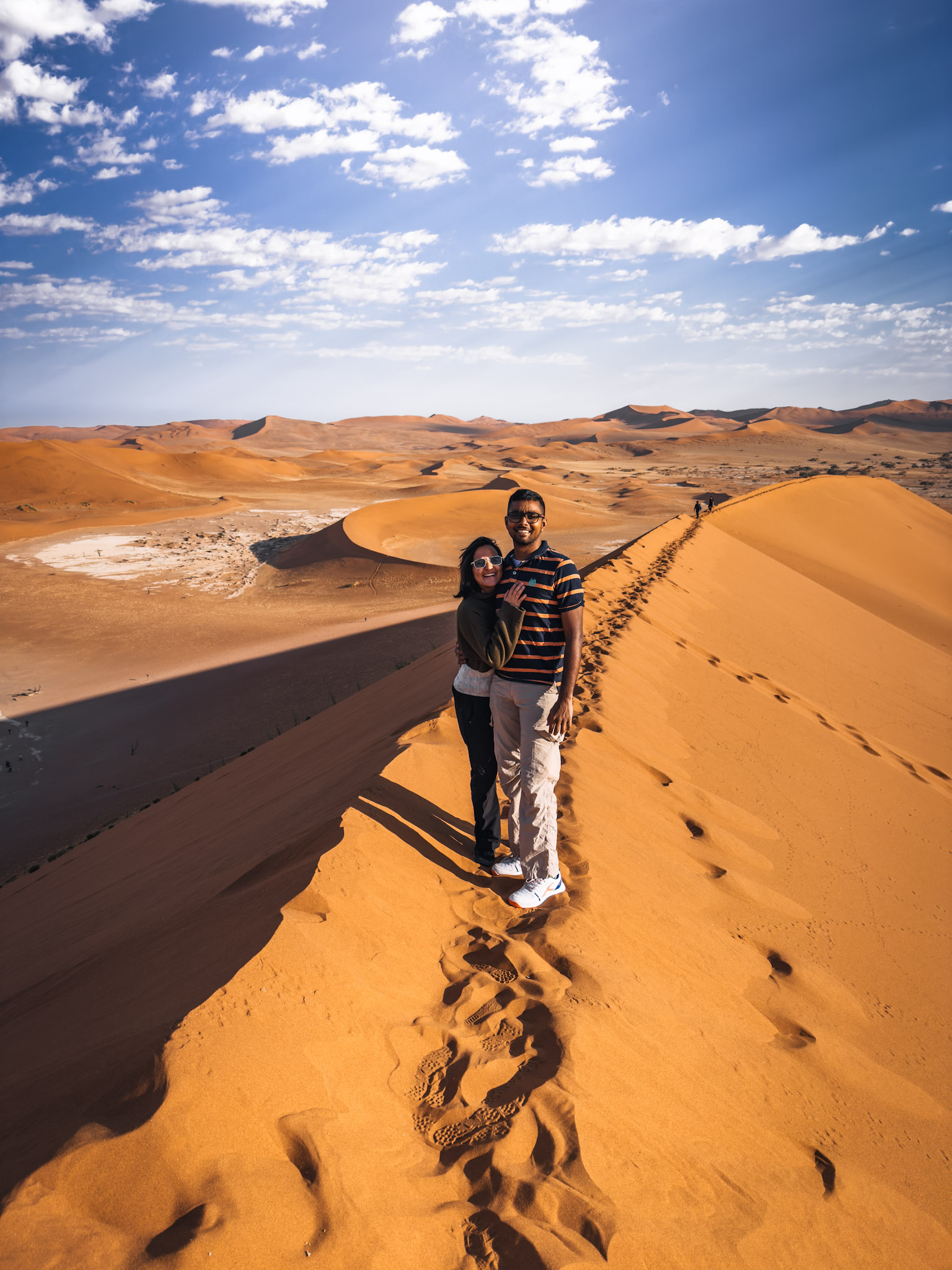
If you have seen Namibia photographs online, there is a good chance you have seen this landscape.
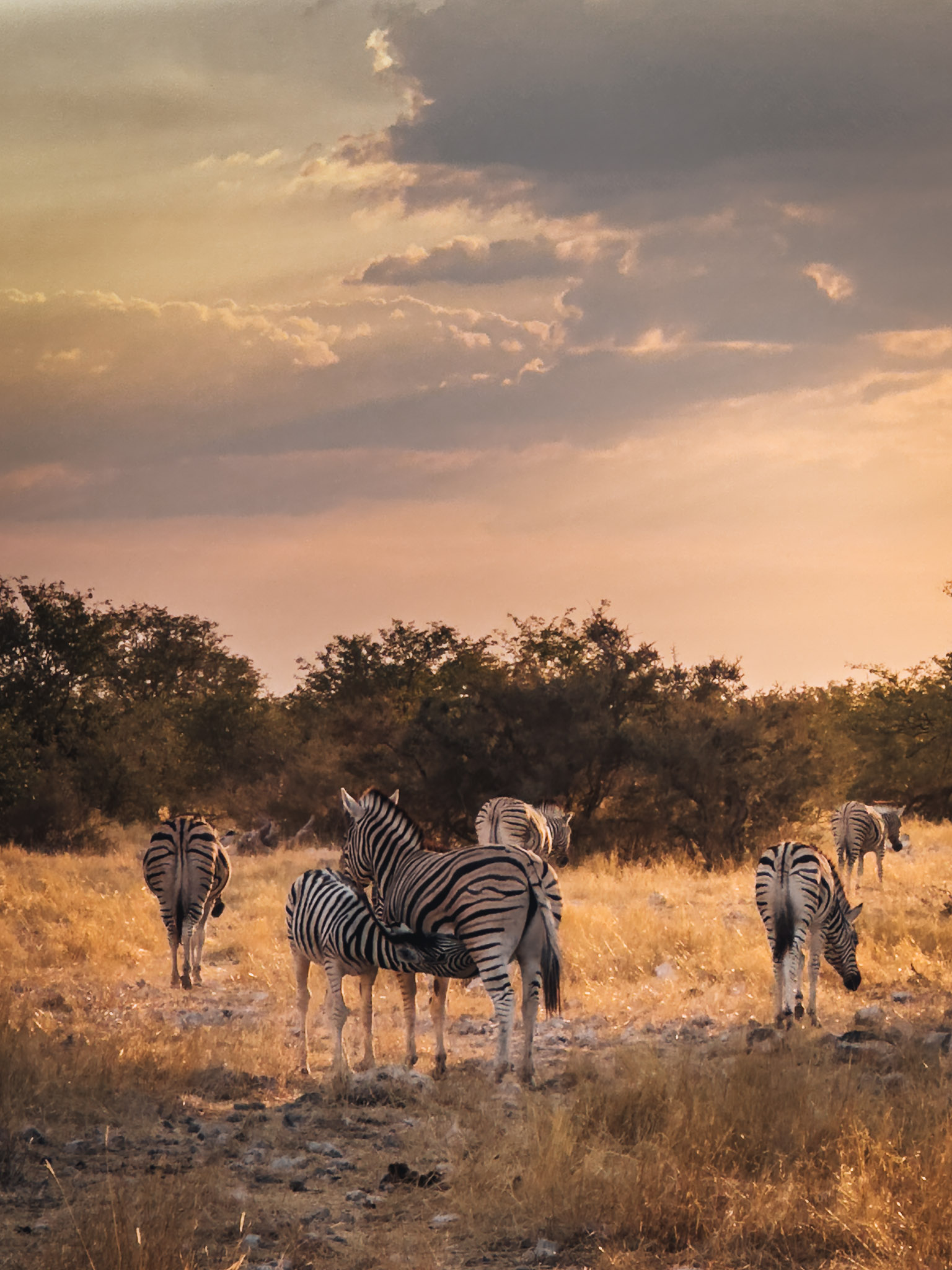
The red dunes.
The white salt and clay pan.
The dark, dead camelthorn trees of Deadvlei.
The almost ridiculous contrast between all of them.
And yes, it really does look like that.
We visited Dune 45 and the Deadvlei area before continuing to Sossusvlei and then returning toward Sesriem for lunch and a visit to Sesriem Canyon. The itinerary also included the Sossusvlei and Deadvlei 4x4 shuttle and national park fees.
The thing I liked most was how much there is to notice beyond the obvious photograph.
The dunes change color constantly depending on the light. The desert looks completely different early in the morning from how it looks later in the day. And there is an entire ecosystem of plants and small animals surviving in conditions that initially look almost impossible to survive in.
Sossusvlei is famous for its enormous dunes, but it is the sheer scale of the landscape that stays with you.
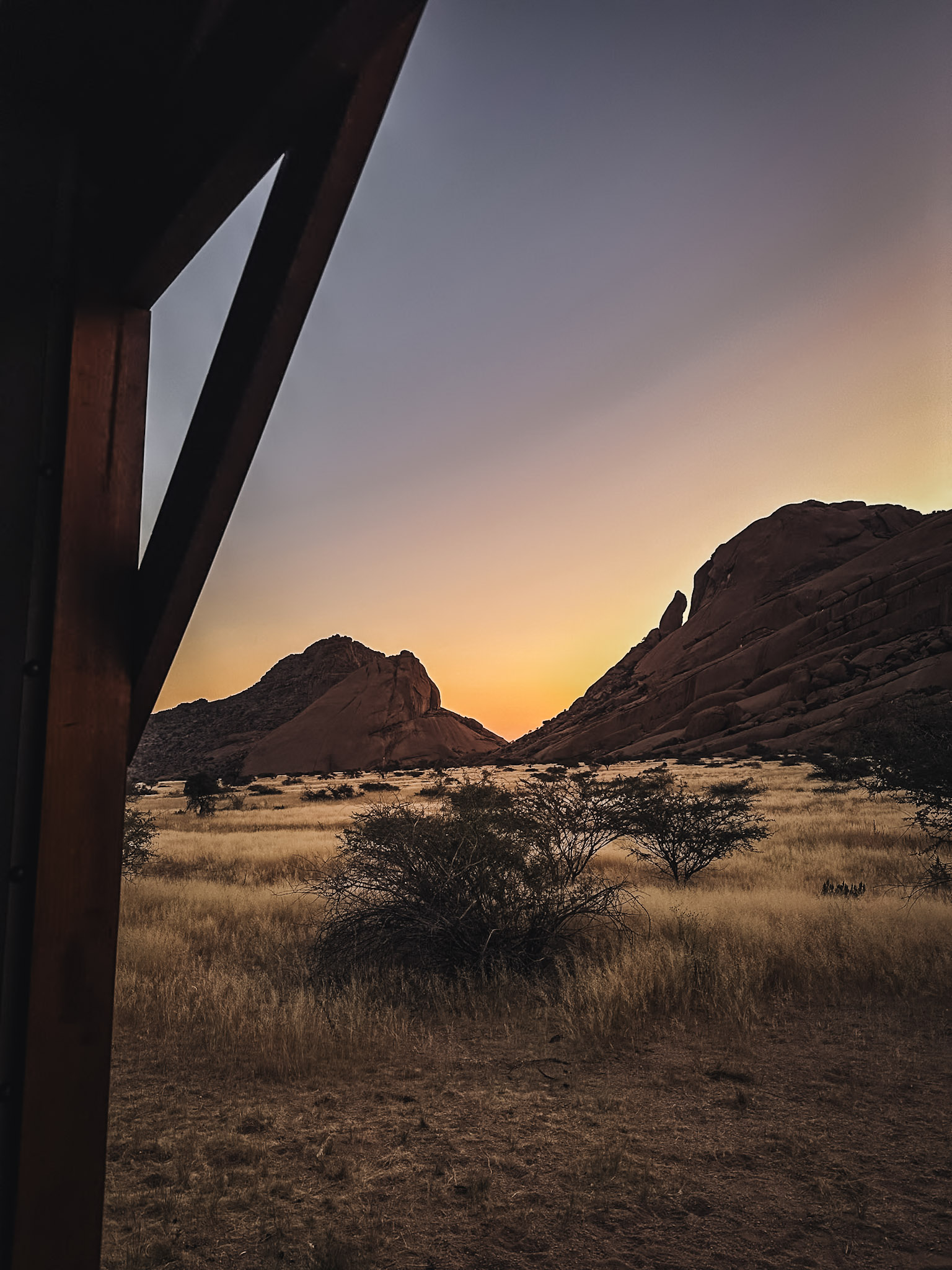
It makes you feel very small without making a big deal about it.
Where we stayed: Namib Dune Star Camp
That night we stayed at Namib Dune Star Camp, another Gondwana property.
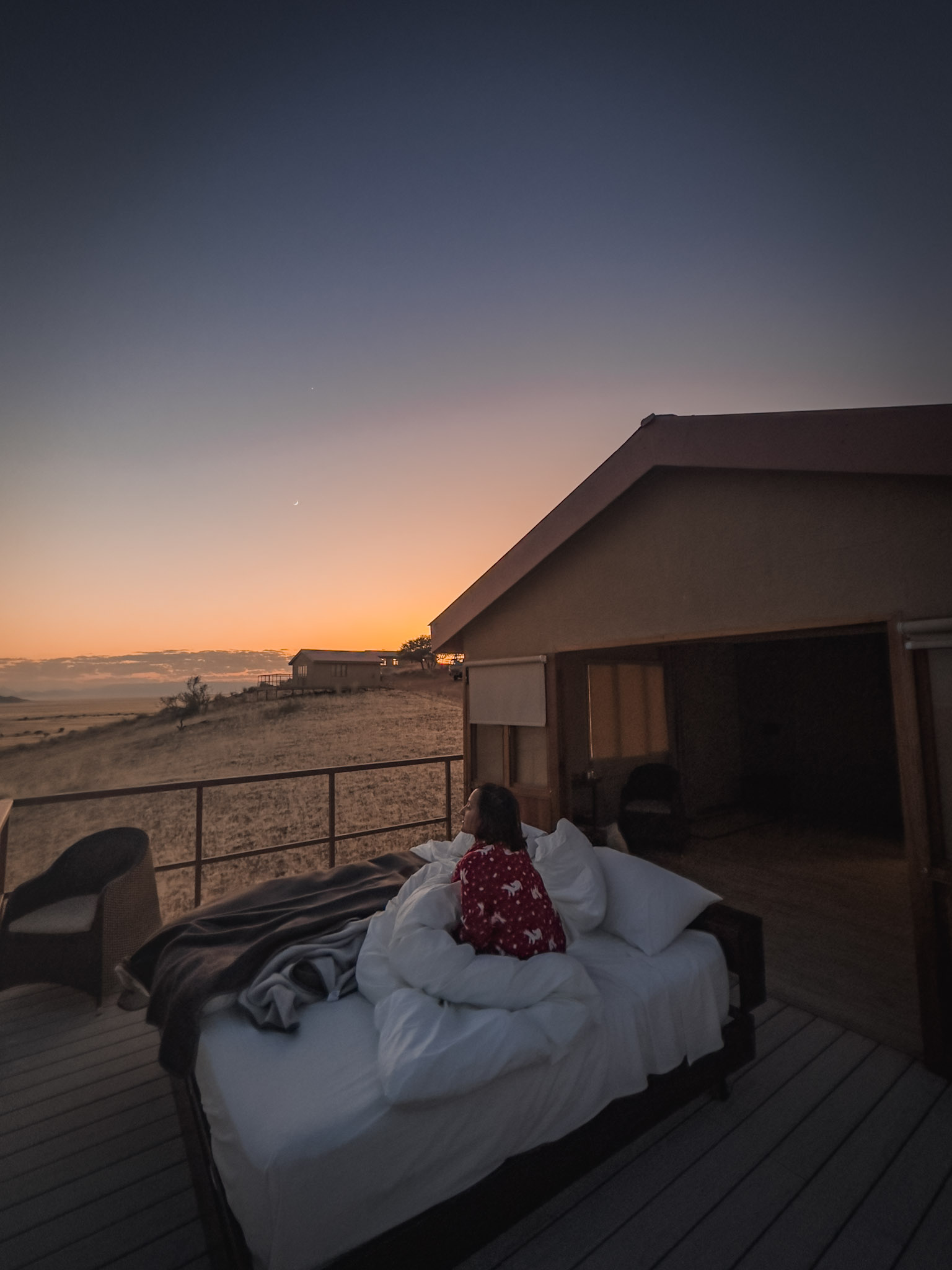
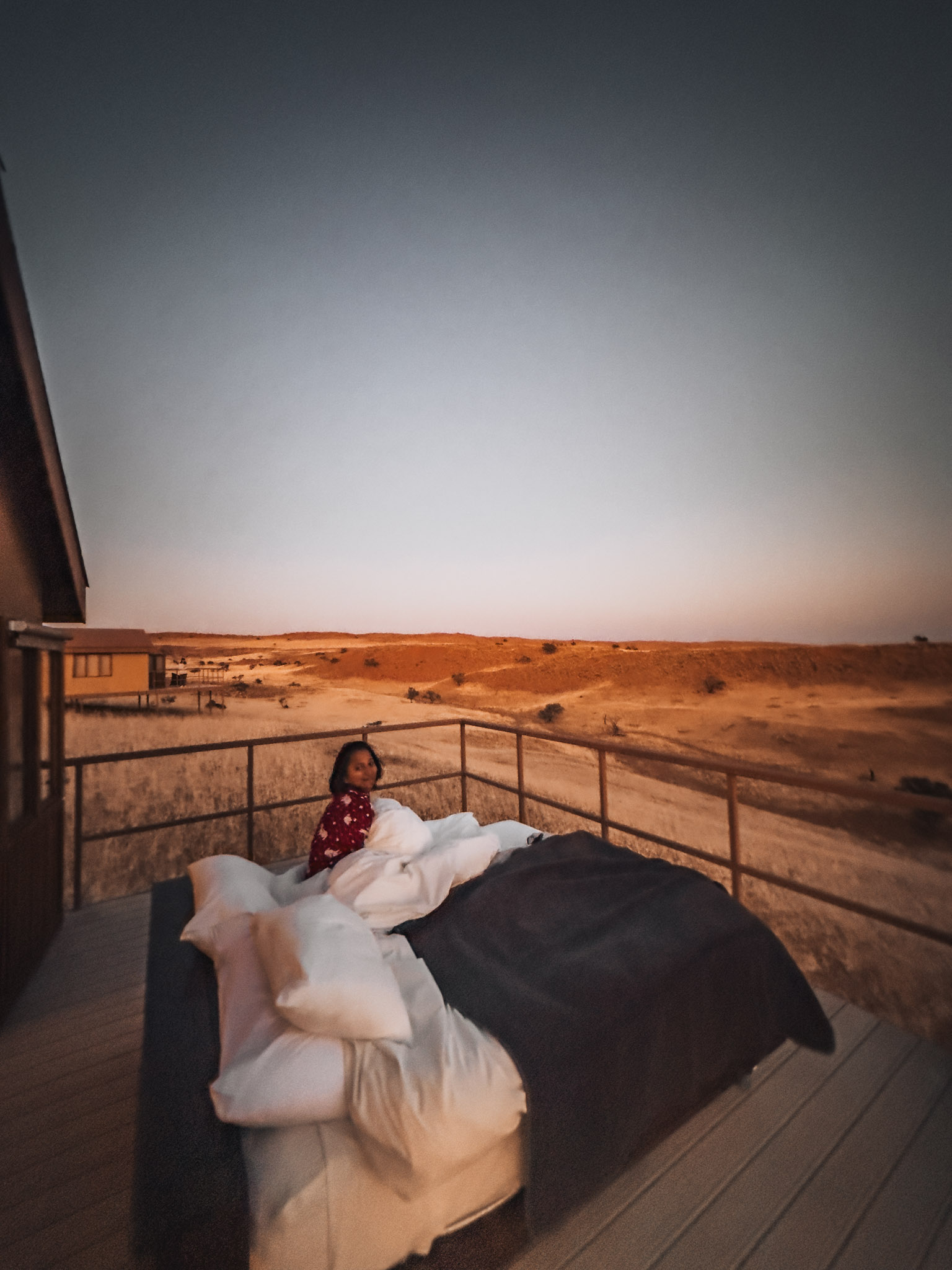
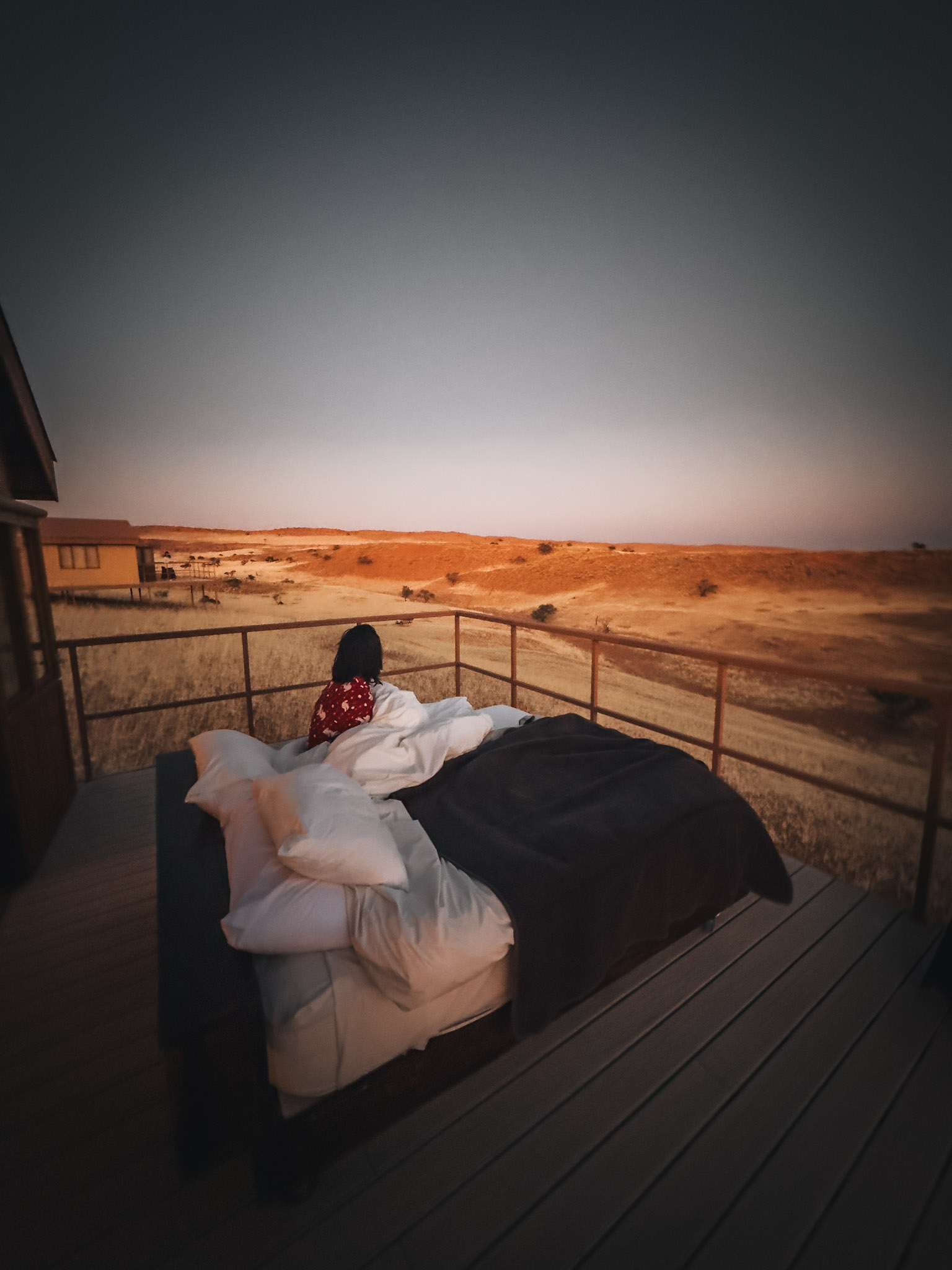
This was probably the most unusual accommodation of the trip.
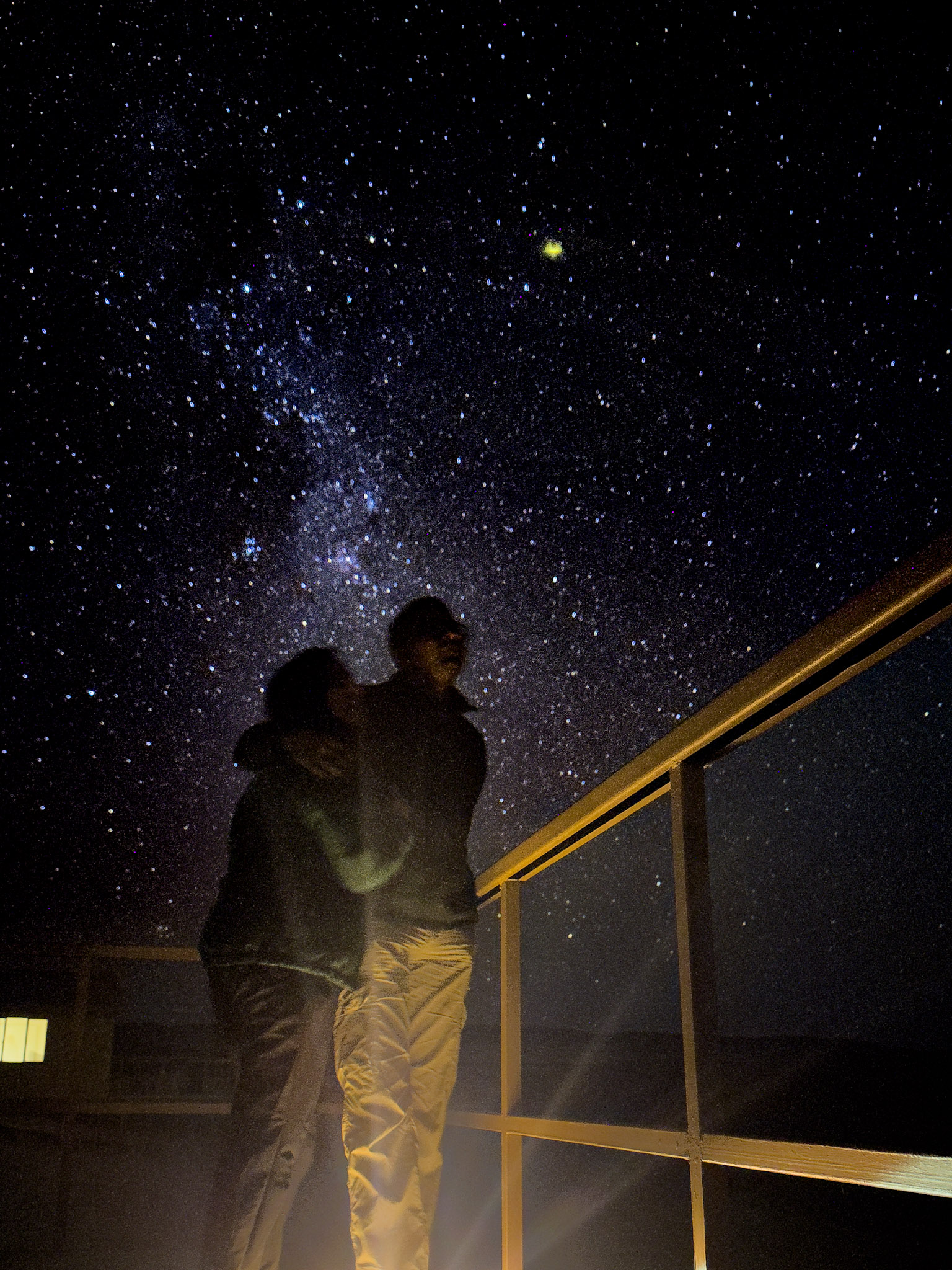
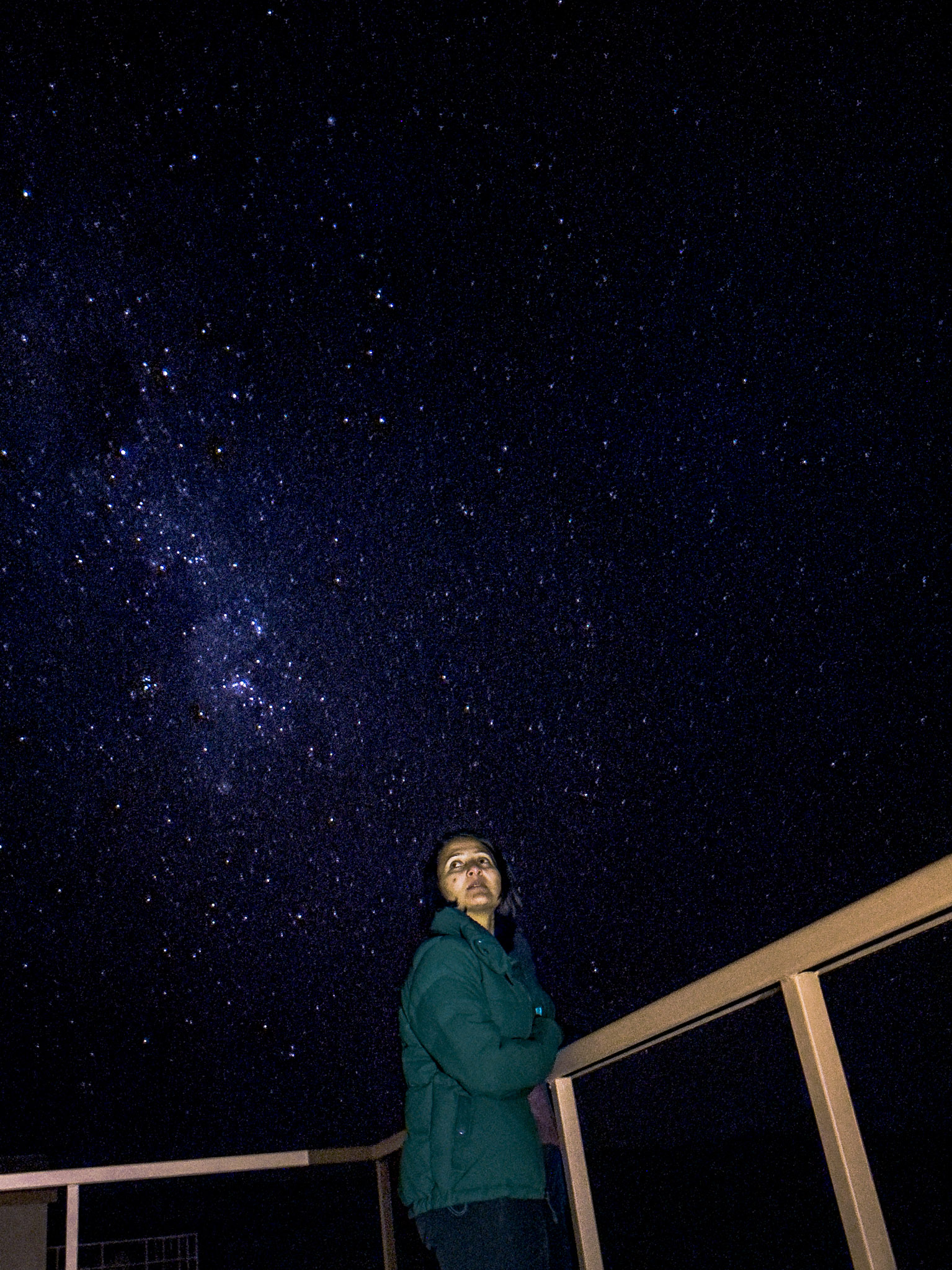
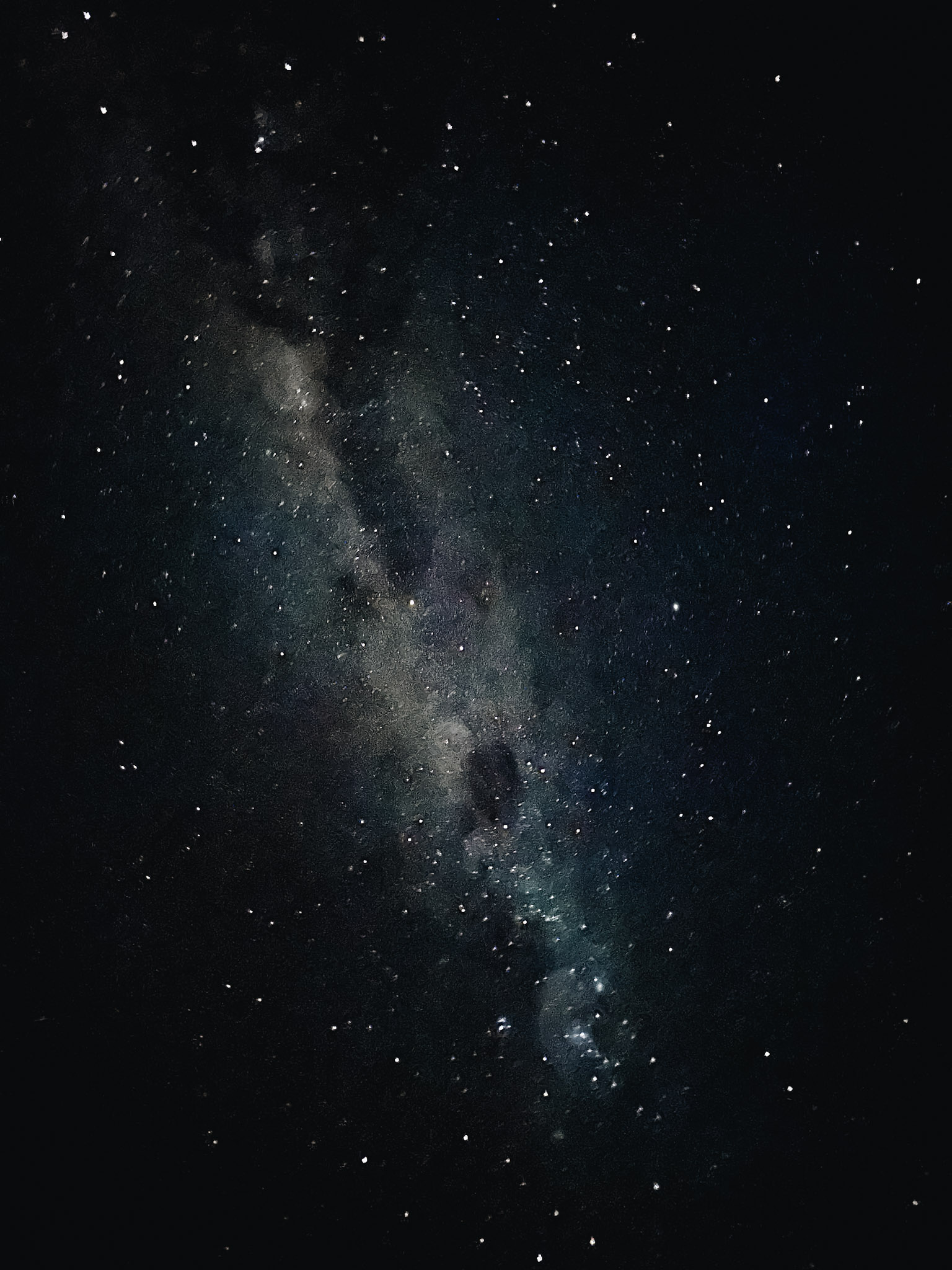
There are nine wooden cabins set out in the desert wilderness. After sunset, the beds can be rolled onto the outdoor balconies so that you sleep underneath the Namibian night sky.
This is not the kind of place you book because you need a convenient hotel.
You book it because the hotel itself is the experience.
The itinerary describes it as an escape into the desert wilderness, with an optional guided hike and the opportunity to sleep outside beneath the stars. It is also restricted to guests aged 12 and over.
For a birthday trip, this felt particularly appropriate.
There is something slightly absurd about being in the middle of the Namib Desert with your bed outside.
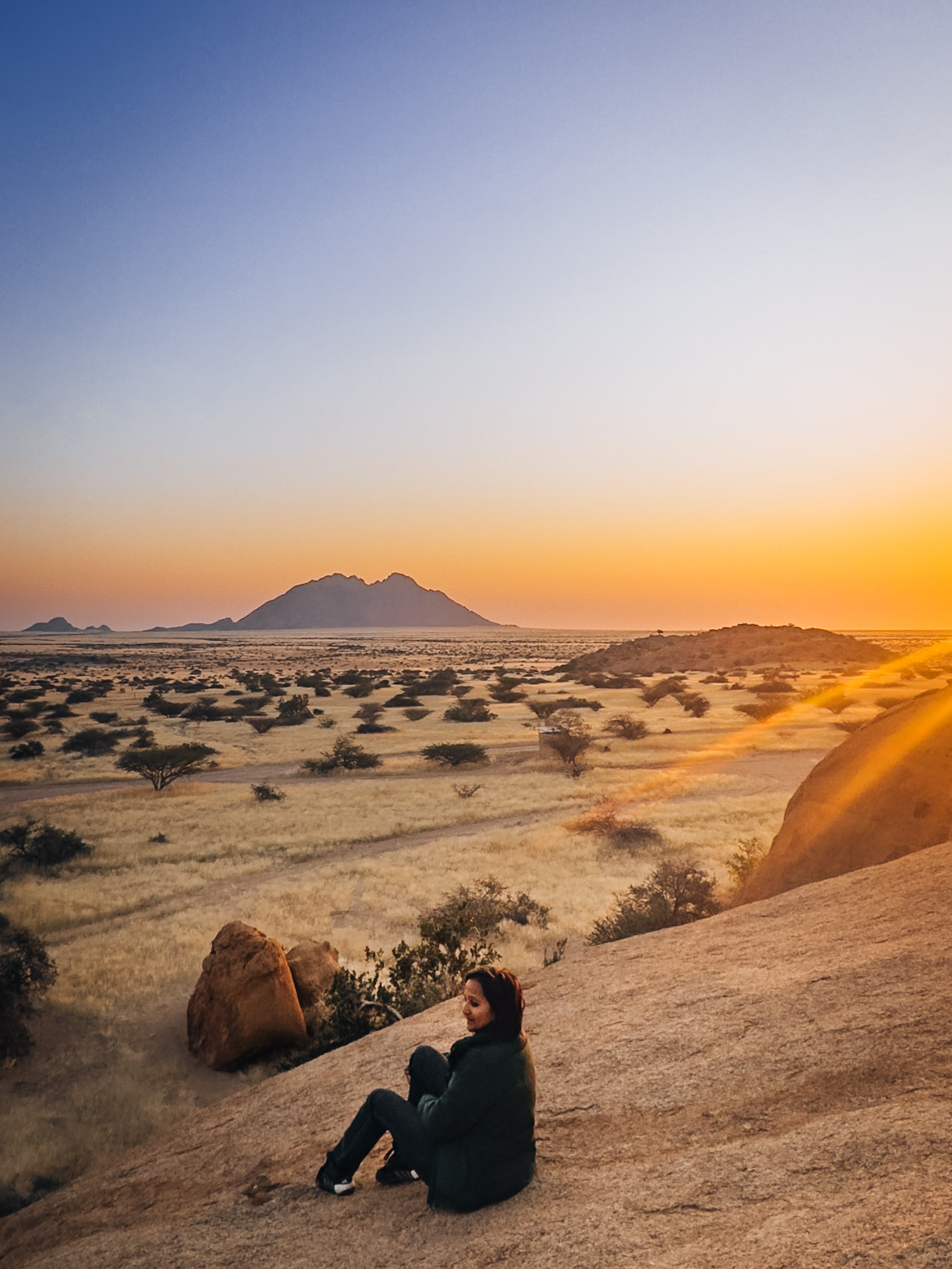
In the best possible way.
Why I chose Gondwana Collection for several of our stays
One of the reasons I was happy to have several Gondwana properties on this itinerary was the company’s approach to sustainability.
And I am careful about this word because almost every hotel website now has a sustainability page.
What interested me was the practical stuff.
Gondwana says its sustainability work focuses on nature conservation, water efficiency, energy management, waste management and community engagement. It also says that 90% of its lodges currently have wastewater treatment plants, allowing treated water to be reused, and that 85% of its lodges have solar panels.
That matters in Namibia.
You notice water differently when you are surrounded by desert.
Gondwana also says its conservation work began with converting farms into nature reserves and reintroducing indigenous wildlife, with tourism helping support conservation and local communities.
I don’t think staying at a property that calls itself sustainable automatically makes a trip sustainable. It is much more complicated than that.
But when you are operating hotels in landscapes this environmentally sensitive, how you use water, energy and land matters.
You can read more about Gondwana Collection Namibia’s sustainability work here.
Day 4: The Namib Desert to Swakopmund
After another morning in the desert, we drove toward Swakopmund.
This was one of those travel days where the drive is actually part of the sightseeing.
We stopped at the Tropic of Capricorn and traveled through the Gaub and Kuiseb mountain passes before reaching the coast.
Then suddenly, Namibia looked completely different.
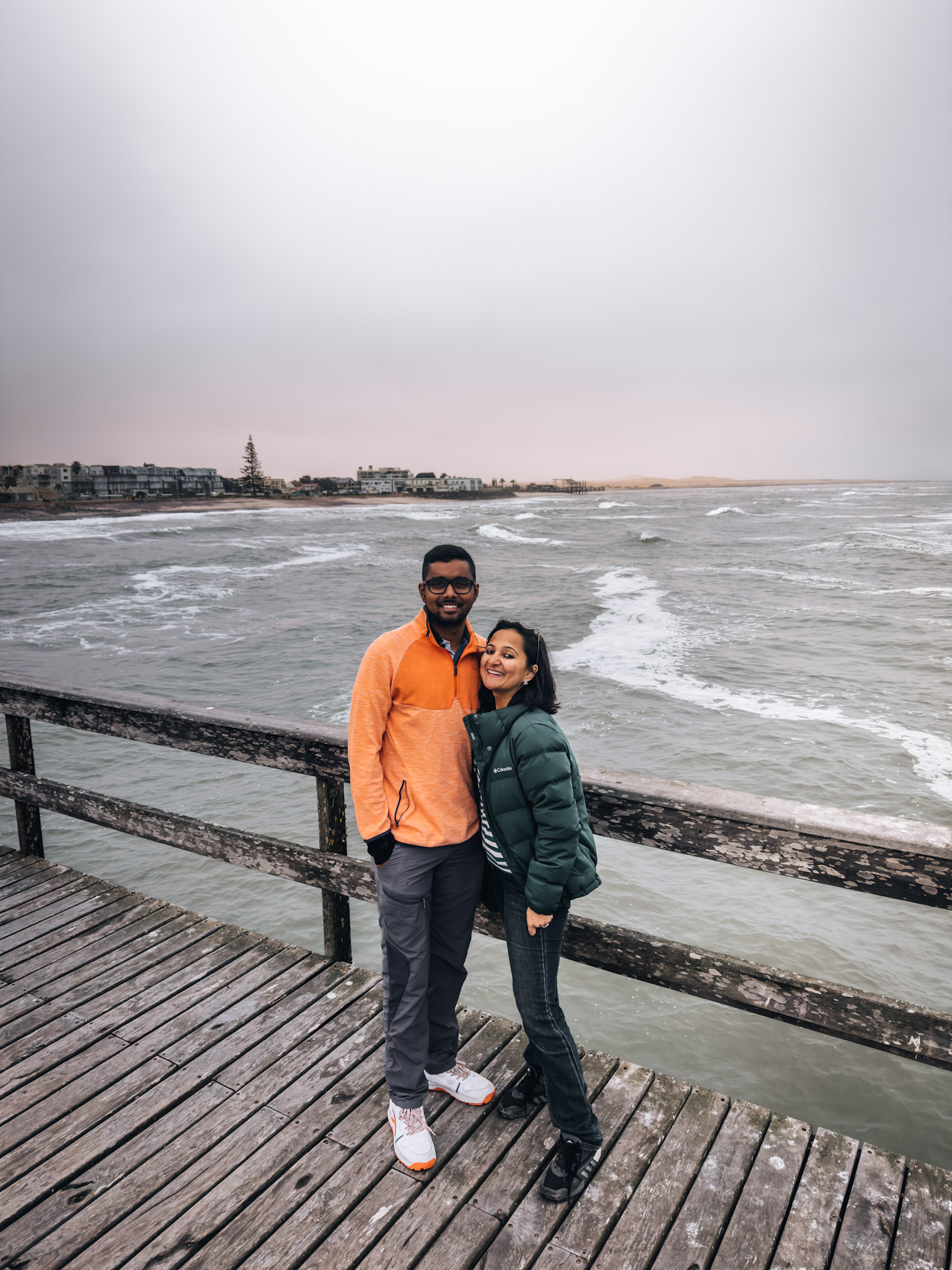
Swakopmund is a coastal town with a strong German colonial influence, wide streets and a cooler Atlantic climate. It is also the base for a long list of adventure activities, from desert tours and quad biking to scenic flights and excursions toward the Skeleton Coast.
We had a short walking tour and some time to explore the town.
We stayed at The Delight Swakopmund, another Gondwana property.
It felt completely different from the desert lodges: modern, light and comfortable, with the kind of atmosphere that makes sense after several days of driving through very dry landscapes.
And this is one reason I liked the route.
Namibia is not just “desert, desert, desert, safari.”
The landscape keeps changing.
Day 5: Spitzkoppe
From Swakopmund we continued to Spitzkoppe.
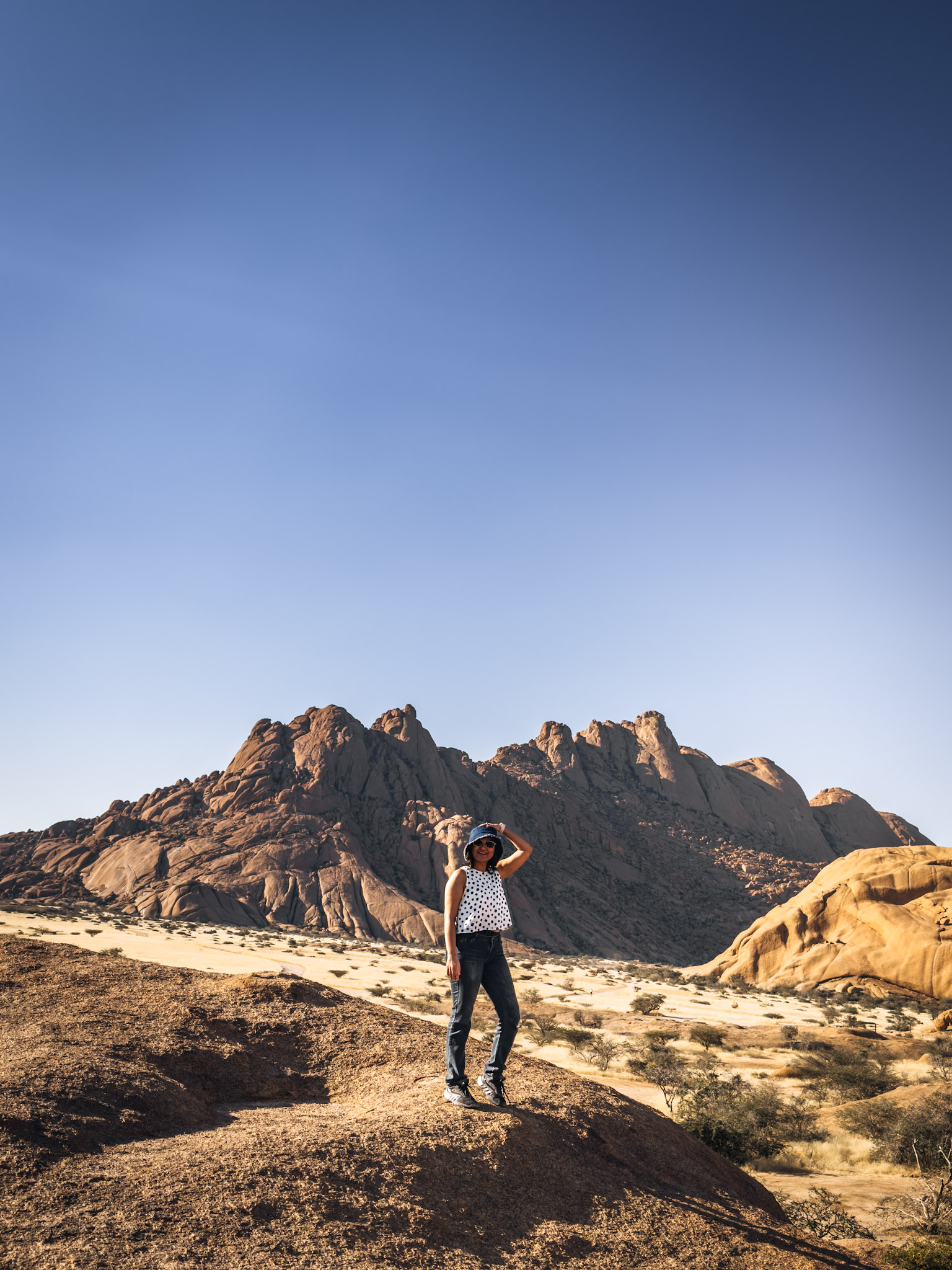
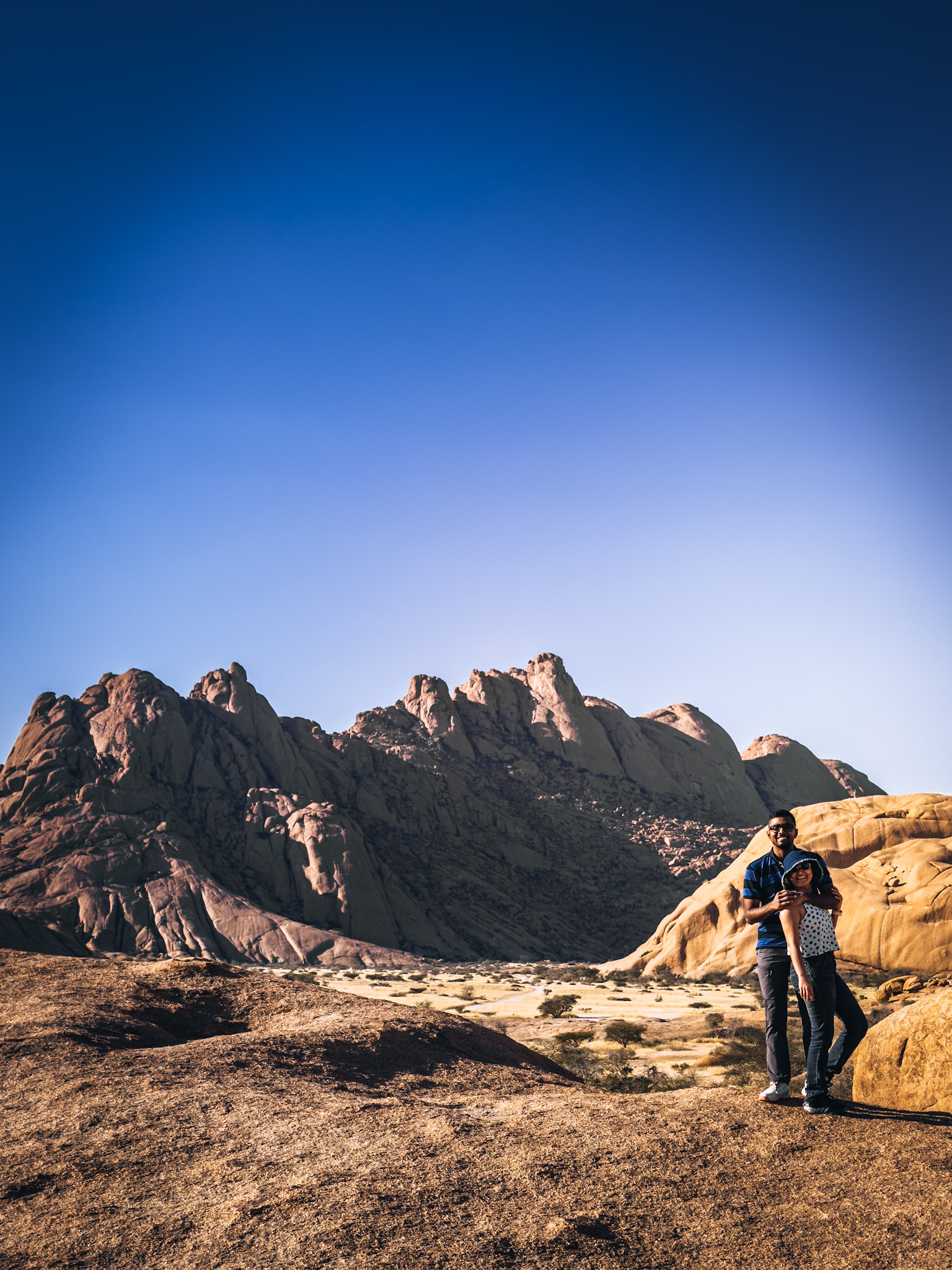
The Spitzkoppe is a group of enormous granite peaks rising dramatically out of the surrounding desert. The main peak reaches 1,728 meters above sea level and is one of Namibia’s most recognizable natural landmarks.
It is sometimes called the “Matterhorn of Namibia.”
I understand why.
But I preferred just sitting there looking at it rather than trying to come up with another comparison.
We did the Bushman Paradise Trail, which gave us a chance to see some of the ancient rock art associated with the area.
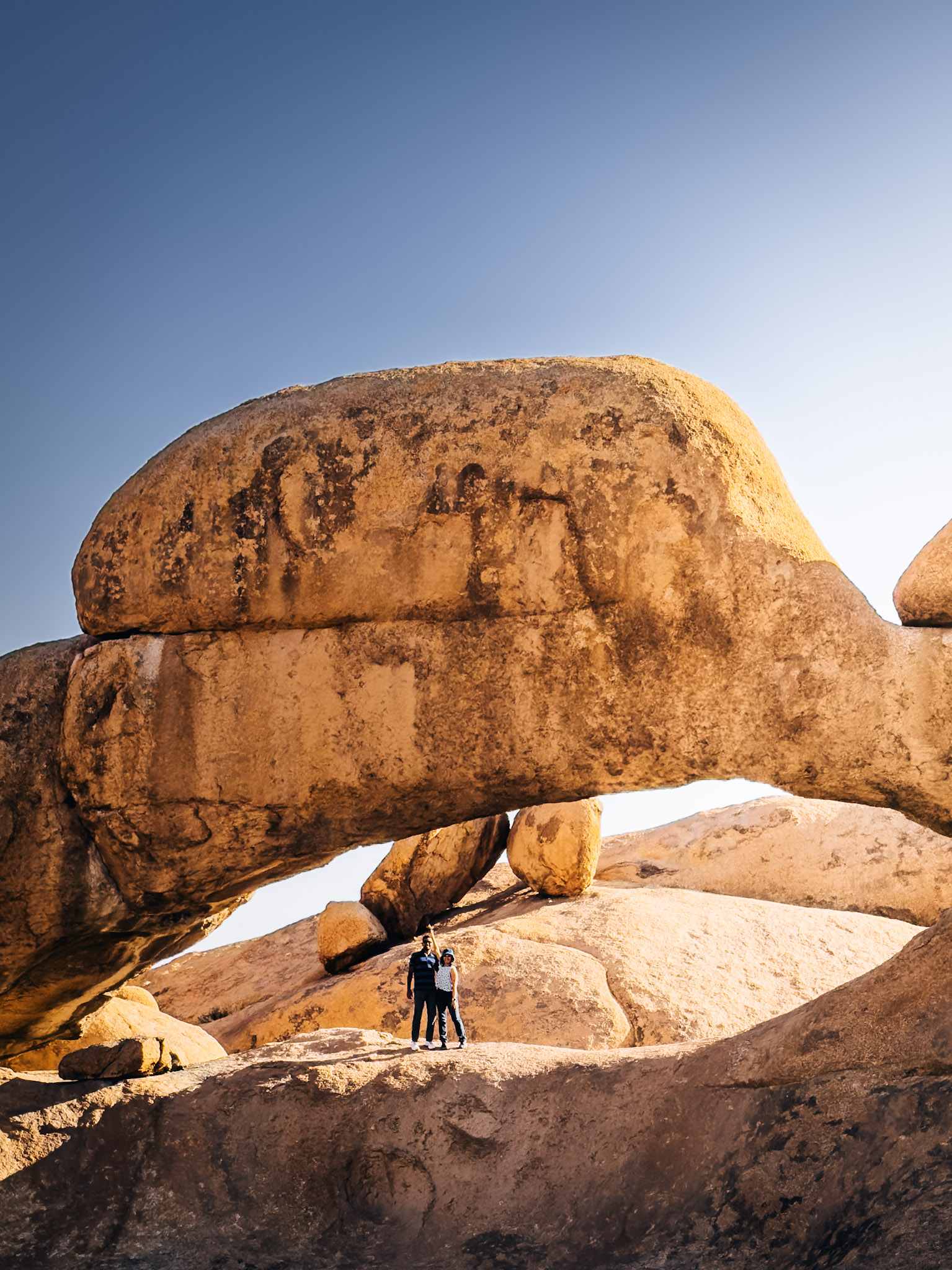
Spitzkoppe is also one of those places where doing less is completely legitimate.
You can hike. You can explore. You can photograph the rocks.
Or you can sit down and stare at them for a while.
The itinerary itself makes essentially the same point: some of the appeal of Spitzkoppe is simply being still and taking in the solitude.
Where we stayed: Spitzkoppe Cabin Camp
We stayed at Spitzkoppe Cabin Camp, which is much more basic than the Gondwana properties on the route.
There are 12 self-catering cabins, with a fire pit, braai area and basic facilities.
That contrast was actually part of the appeal.
I don’t need every night of a trip to feel luxurious.
I need the accommodation to make sense for where I am.
And waking up surrounded by enormous granite formations in the Namibian desert is a pretty good reason to sacrifice a little hotel polish.
Day 6: Spitzkoppe to Etosha National Park
Then came the wildlife part of the trip.
We drove from Spitzkoppe toward Etosha National Park, arriving in the afternoon for some initial game viewing.
Etosha is one of Africa’s major wildlife destinations, but it does not look like the Africa many people picture when they think about safari.
It is dry.
Open.
Bright.
And enormous.
The centerpiece of the park is the vast Etosha Pan, surrounded by a network of waterholes that become especially important during the dry season.
This is where having a guide made a real difference for me.
You can absolutely self-drive in Namibia, and many people do. But for a first trip, I liked having someone who understood the roads, knew the area and could tell us what we were looking at rather than just pointing at an animal and saying “elephant.”
We stayed at Etosha Safari Lodge, about 10 kilometers south of Andersson Gate.
The lodge sits on a hill overlooking the surrounding landscape, with 65 chalets and views toward the mopane woodland.
It was a comfortable base for the two nights we spent in the area.
If you enjoy this combination of wildlife and good properties, you might also enjoy my Victoria Falls and Zambia travel guide, where I wrote about staying inside Mosi-oa-Tunya National Park and waking up to wildlife around the resorts.
Day 7: A full day in Etosha
Our final full day was dedicated to Etosha.
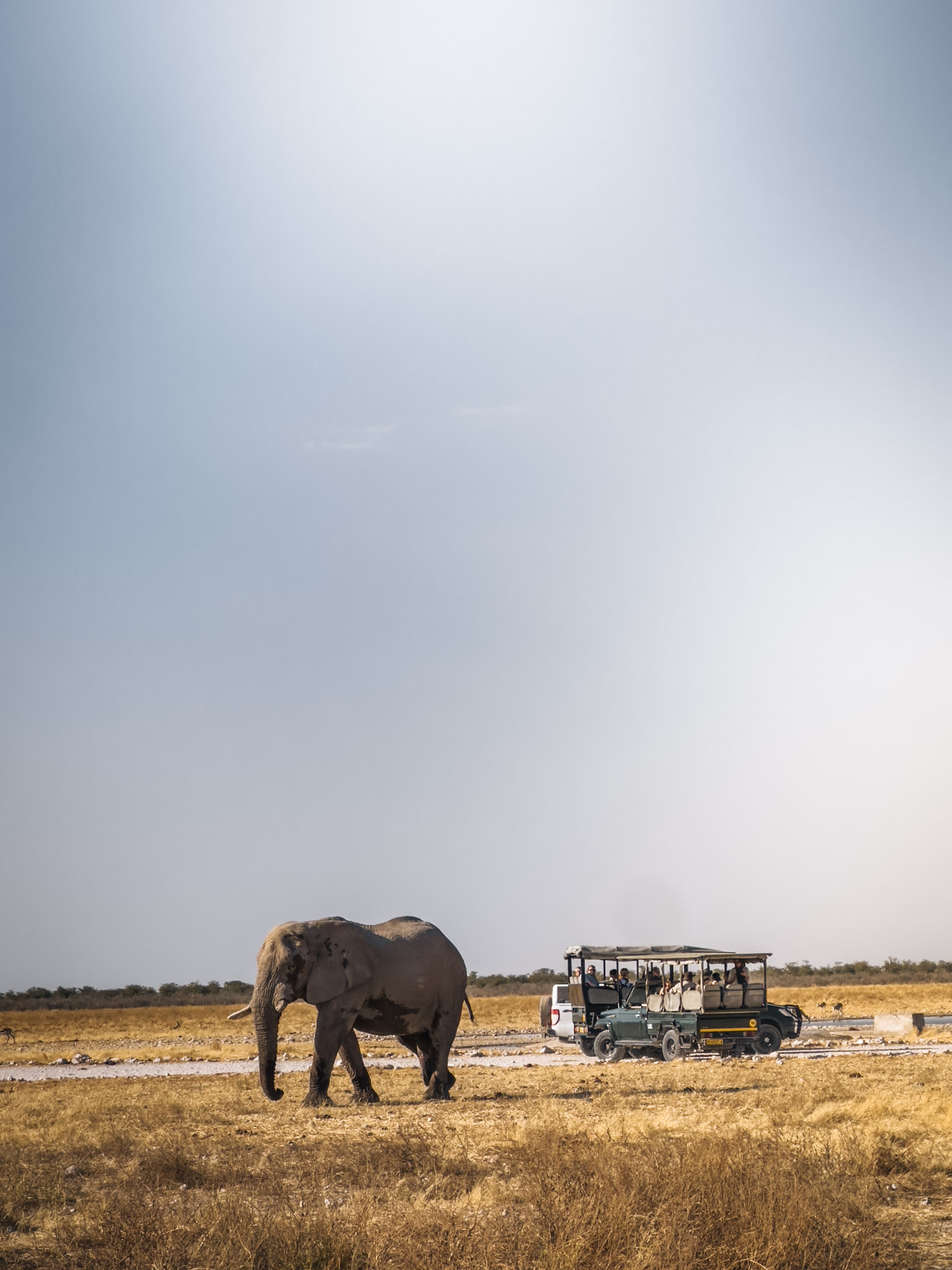
We left early for a full-day game drive and spent most of the day moving through the park, stopping at waterholes and watching whatever happened to appear.
And that last bit is important.
Safari is not a checklist.
You can go looking for lions and not see lions.
You can spend twenty minutes watching an elephant and then realize that there are birds, antelope, giraffe and other animals around you that you hadn’t noticed because you were too focused on the big thing.
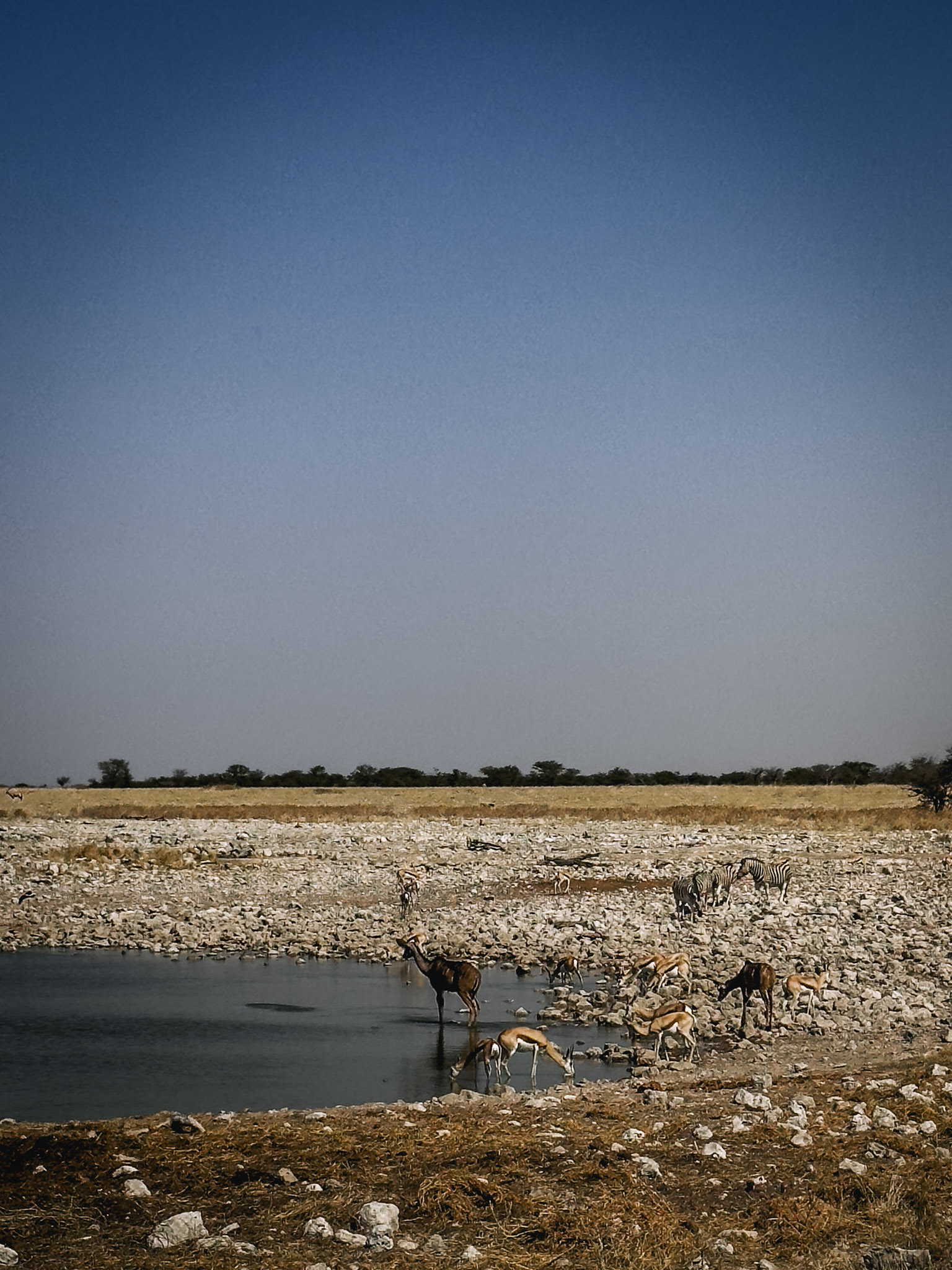
Etosha is particularly good for waterhole viewing because animals are drawn to these reliable sources of water during the dry season.
We saw a mix of wildlife during our time there, and the landscape itself was as interesting as the animals.
There is something very different about watching wildlife against an enormous white pan rather than a dense green forest.
It feels stark.
And very Namibian.
Day 8: Etosha to Windhoek Airport
Our final day was simply the drive back toward Hosea Kutako International Airport.
And this is one thing I would keep in mind when planning a Namibia itinerary.
Distances are real.
Namibia is huge.
A map can make the route look deceptively manageable, but the driving days are part of the trip. You need to be comfortable with that before trying to squeeze too much into a short itinerary.
Our eight-day route worked because we accepted that there would be substantial driving and focused on a relatively specific part of the country rather than trying to see everything.
That is something I would do again.
Where we stayed in Namibia
The accommodation was one of the things I deliberately paid attention to when planning this trip.
Here is the full list:
Windhoek: Town Lodge Windhoek
Namib Desert: The Desert Grace, Gondwana Collection
Sossusvlei area: Namib Dune Star Camp, Gondwana Collection
Swakopmund: The Delight Swakopmund, Gondwana Collection
Spitzkoppe: Spitzkoppe Cabin Camp
Etosha: Etosha Safari Lodge, Gondwana Collection
The original itinerary confirms one night at each of the first five properties and two nights at Etosha Safari Lodge.
For me, the standout accommodation experiences were The Desert Grace and Namib Dune Star Camp.
The Desert Grace gave us comfort and design in the desert without feeling disconnected from the landscape.
Namib Dune Star Camp was completely different: much more about the location and the experience of sleeping out in the desert.
Etosha Safari Lodge worked particularly well because we were there for two nights and could use it as a comfortable base for a full day in the national park.
Namibia for Indian travelers
If you are an Indian passport holder planning Namibia, the visa process is something I would sort out well before the trip.
Namibia changed its visa policy in April 2025, and the current official immigration information says travelers from countries that do not have a reciprocal visa exemption must obtain a visa before entering Namibia. The Ministry of Home Affairs, Immigration, Safety and Security provides online options for holiday visas and visa-on-arrival applications where applicable.
India is not included in the current list of ordinary-passport nationalities exempt from a Namibian tourist visa, so Indian passport holders should plan on obtaining the appropriate visa rather than assuming they can simply arrive and get one.
For travelers based in Dubai, I would also not rely on old blog posts telling you that the only option is to visit an embassy. The current process is increasingly handled through Namibia’s online immigration system.
Official Namibia immigration website: Ministry of Home Affairs, Immigration, Safety and Security
Visa requirements and fees can change, so check the official portal immediately before applying and again before traveling. If you are traveling on an Indian passport and are interested in traveling to Namibia without doing a paper visa ahead of time, the best way is to get in touch with the local guide we used with confirmed travel dates. The local agency supported us with a pre-approved entry permit (mind you, it comes at a cost), which we used to enter by air, then get the visa stamped in Windhoek.
Planning a Namibia trip from Dubai
For someone traveling from Dubai, Namibia works particularly well as an Africa trip because you can fly into Windhoek and then travel overland.
I traveled from Dubai rather than from India, and for this itinerary we began and ended at Hosea Kutako International Airport.
I would strongly consider using a local Namibian operator if you are doing a similar multi-stop itinerary.
You can self-drive Namibia. The roads and infrastructure make that possible, and it is a very popular way to travel around the country.
But a guided road trip has some advantages, especially if you are combining long driving days with wildlife viewing.
You don’t have to navigate while trying to spot wildlife.
You don’t have to figure out every park entrance and transfer yourself.
And you have someone who knows the route.
For this particular trip, that made sense to me.
Self-drive or guided Namibia road trip?
There isn’t one correct answer.
A self-drive trip gives you more independence and can work particularly well if you enjoy driving, want to control your schedule and are comfortable navigating long distances and gravel roads.
A private guided trip gives you a different kind of freedom.
You can spend the day looking out of the window rather than looking at Google Maps.
For Etosha in particular, I liked having a guide who could help interpret what we were seeing.
The itinerary we followed included an air-conditioned SUV, fuel, vehicle insurance and a professional English-speaking guide.
For a birthday trip, that was the version of freedom I wanted.
How much does a Namibia trip cost?
This is one area where I would be careful about giving a single “Namibia trip cost.”
The price can vary enormously depending on whether you self-drive or use a private guide, the time of year, the number of travelers, the standard of accommodation, the number of activities and whether international flights are included.
Our itinerary was for two people and included accommodation, the SUV, fuel, vehicle insurance, park fees, airport transfers, a guide and several excursions, but it excluded international and regional flights, visas, travel insurance, drinks, tips and additional activities.
I would therefore get a quote based on your exact dates and number of travelers rather than using a generic per-person number from a travel blog.
If you are planning a Namibia trip and want help connecting with the local guide we used, send me your travel dates and number of people and I can connect you directly with him by email or WhatsApp. He can offer a good rate to members of my community.
Best time to visit Namibia
Our trip was in July, which is winter in Namibia.
The itinerary notes May through October as the cooler, drier period and particularly good for wildlife viewing in Etosha.
For this particular route, that worked very well.
The desert was cooler than it would be during the hotter months, mornings could be genuinely cold, and the dry conditions around Etosha made wildlife easier to spot around waterholes.
Do pack layers.
Namibia can be hot during the day and surprisingly cold early in the morning or after sunset, particularly in winter.
For a July trip, I would bring:
- Warm layers for early mornings
- A proper jacket
- Comfortable walking shoes
- Sun protection
- Sunglasses
- A hat
- Sunscreen
- A good camera and spare batteries
- A small daypack
- A reusable water bottle
- Binoculars if you have them
- A universal travel adapter
The itinerary also recommends warm clothing for Namibia’s winter months, alongside sun protection and walking shoes.
Is Namibia vegetarian-friendly?
This is one area I would plan rather than leave to chance.
Namibian cuisine is strongly influenced by German and South African food traditions, and meat features heavily in many menus.
As a vegetarian traveler, I would tell your lodges and guide before the trip.
That does not mean you will go hungry. It just means you are more likely to have proper options available rather than discovering at dinner that your choices are chips and salad.
This is particularly useful on a road trip because some of your meals will be at remote lodges rather than restaurants with large menus.
A few things I would know before visiting Namibia
The distances are bigger than they look.
The desert is not just a backdrop. It affects temperature, water availability and how you plan your days.
Start early for Sossusvlei. The light is beautiful, temperatures are more manageable and the landscape feels completely different in the morning.
Do not underestimate Etosha because it is a self-drive-friendly safari destination. The wildlife viewing can be excellent, but it is still wildlife. You do not control what appears.
Build in enough time for the drives.
And choose your accommodation deliberately.
In Namibia, a lodge can be part of the experience rather than simply somewhere you sleep.
That was one of the biggest lessons I took from this trip.
Is 8 days enough for Namibia?
For this particular route, yes. But it is enough for this route, not for Namibia as a whole.
We focused on Windhoek, the Namib Desert, Sossusvlei, Swakopmund, Spitzkoppe and southern Etosha.
There are many places we did not see. That is fine.
Namibia is one of those countries where trying to cover everything in one trip would mean spending a lot of your holiday in a vehicle simply because you cannot stand leaving anything off the map.
I would rather see fewer places properly.
Or, in this case, see a very specific combination of places that I really wanted.
My favorite parts of this Namibia itinerary
If I had to choose the moments that stayed with me, they would not all be the obvious ones.
Sossusvlei at sunrise, obviously.
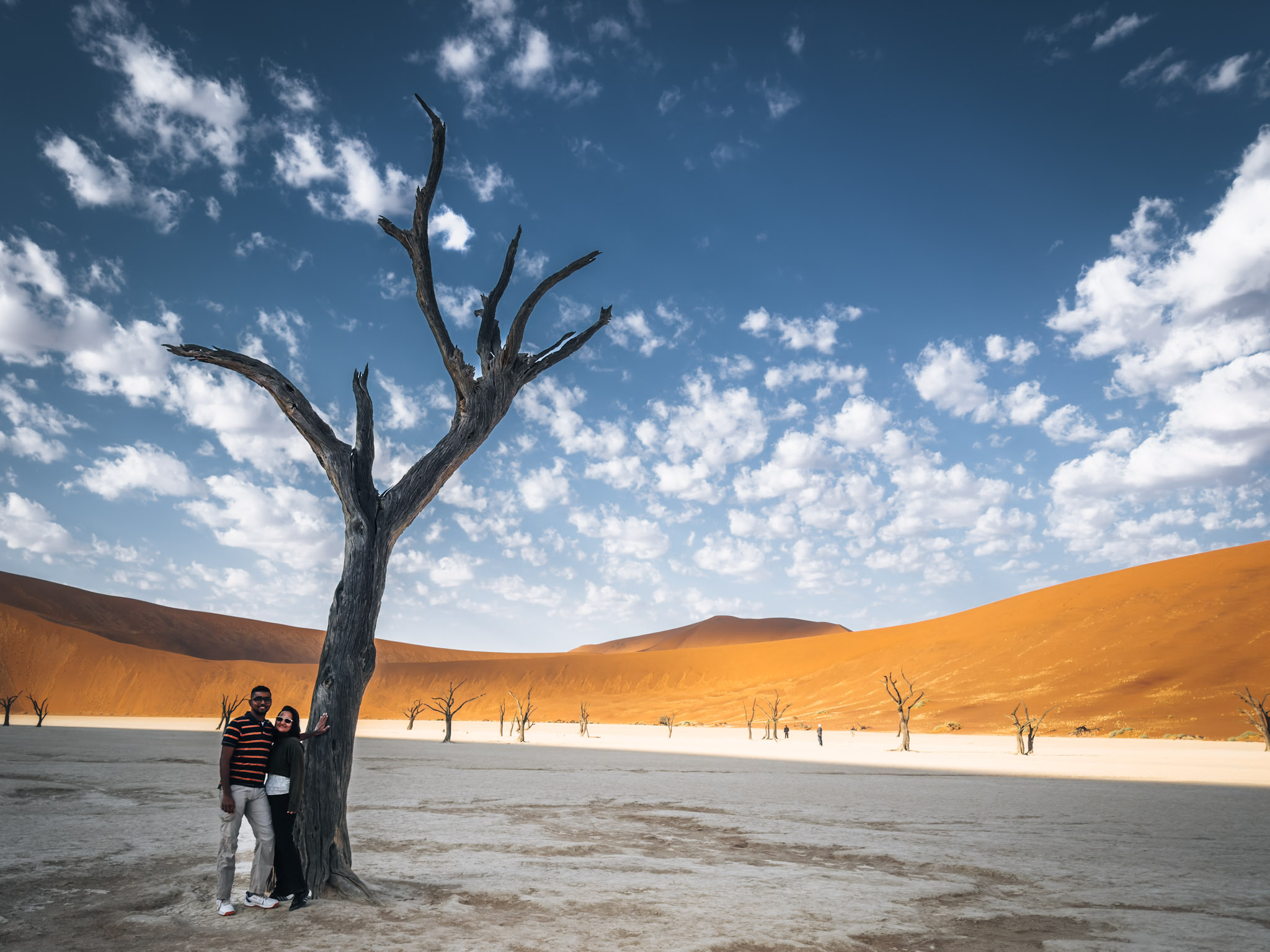
Deadvlei and those completely ridiculous dead trees against the white pan.
Sleeping outside at Namib Dune Star Camp.
Driving through enormous stretches of desert with almost nobody around.
The granite formations at Spitzkoppe.
Watching wildlife gather around Etosha’s waterholes.
And the simple pleasure of staying somewhere beautiful at the end of a long day on the road.
That is what made the trip work for me.
It wasn’t one big “Namibia moment.”
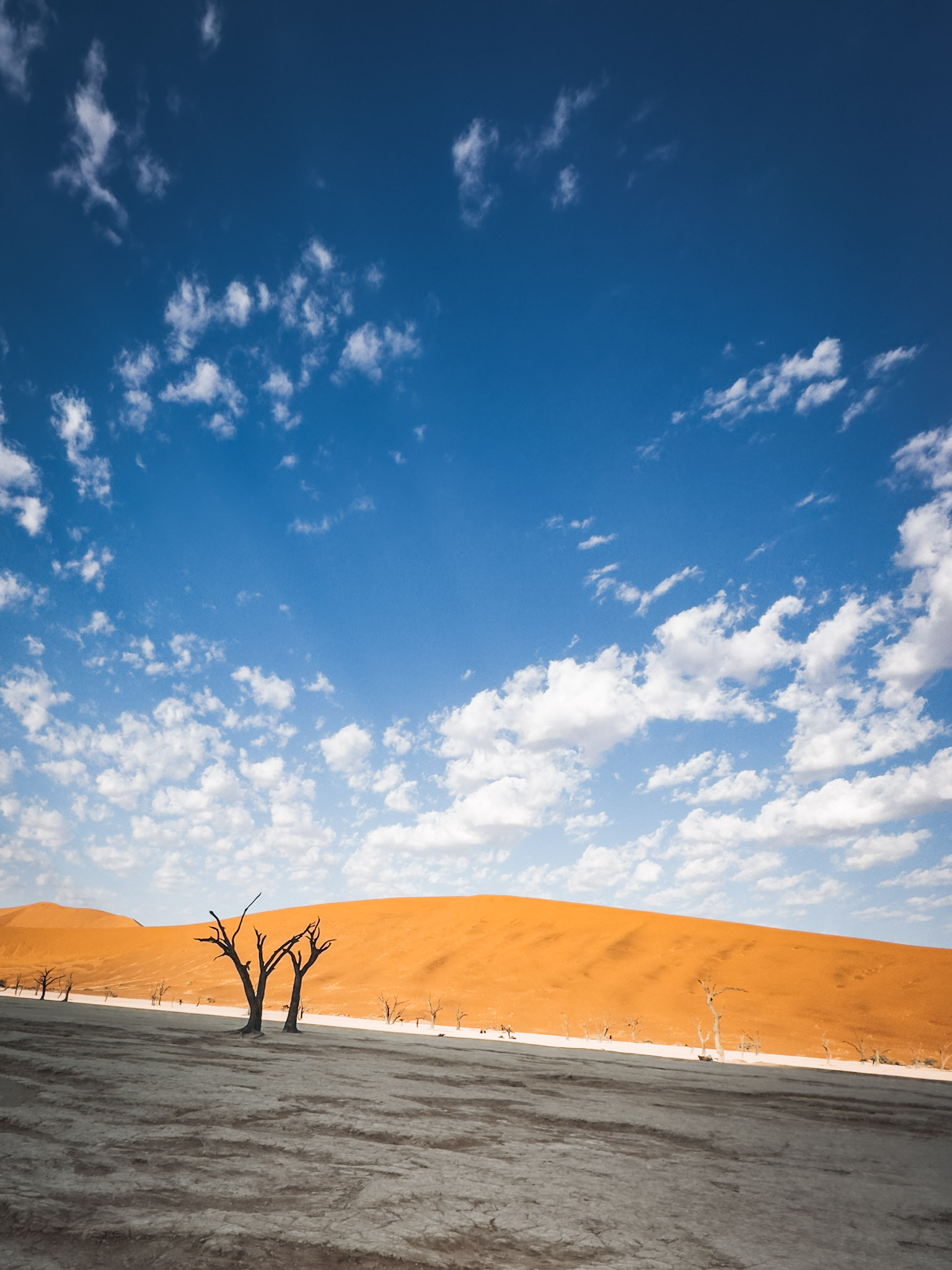
It was the accumulation of very different landscapes, long drives, strange little stops, good lodges, wildlife, early mornings and a lot of empty space.
Which is, perhaps, exactly what Namibia is very good at giving you.
Namibia Travel FAQs
How many days do you need in Namibia?
Eight days is enough for a focused itinerary covering Windhoek, Sossusvlei, Swakopmund, Spitzkoppe and Etosha, like the route I followed. For a longer trip, you can add other regions and destinations rather than trying to force them into a one-week itinerary.
Is Namibia good for a first trip to Africa?
It can be a very accessible introduction to southern Africa because it has established tourism infrastructure, distinctive landscapes and excellent wildlife viewing in Etosha. Your comfort level with long drives and remote areas is more relevant than whether you have traveled elsewhere in Africa.
If you are comparing different African destinations, my Gabon safari guide and Cameroon travel guide are good examples of how different an Africa trip can look from one country to another.
Is Namibia safe for tourists?
Namibia is a well-established tourism destination, but normal travel precautions still apply. On a road trip, the bigger practical consideration is often the remoteness and the distances between destinations rather than simply urban safety.
Can Indians get a Namibia visa on arrival?
Indian ordinary passport holders should not assume they can get a tourist visa on arrival. India’s ordinary passport is not on Namibia’s current visa-exempt list, and the official immigration information requires travelers from non-exempt countries to obtain the appropriate visa before entry.
How much is a Namibia tourist visa?
Visa fees can change, so I would use the current fee displayed by Namibia’s official immigration portal when applying rather than relying on a number from an older travel article.
Can you self-drive Namibia?
Yes. Namibia is a popular self-drive destination and the itinerary information notes both paved and gravel roads, car rental availability and left-side driving.
Is Etosha worth visiting?
Etosha was one of the main reasons we included this route. The combination of a huge open landscape and waterhole-based wildlife viewing makes it very different from many other African safari destinations.
What is the best time to visit Sossusvlei?
The cooler, drier months are particularly comfortable for exploring the dunes. Early morning is especially good for the light and temperatures, which is why our itinerary started early for Sossusvlei.
Can vegetarians travel comfortably in Namibia?
Yes, but I would communicate dietary requirements to your lodges and guide before the trip, particularly when staying at remote properties.
Do you need a guide for Namibia?
No. You can self-drive. But for a shorter trip involving long distances and wildlife viewing, I personally found a private guided itinerary convenient because the driving, logistics and park navigation were handled for us.
How long are the driving distances in Namibia?
They can be substantial. Namibia is a large country, and the road itself is part of the experience. If you only have a week, I would focus on a defined region rather than trying to cover the entire country.
Planning your own Namibia trip
If you are considering Namibia, I would start with the route rather than the hotel.
Work out which landscapes and wildlife experiences you actually want.
Then look at how many hours you are prepared to spend driving.
Then choose the accommodation. For us, that meant a very deliberate combination of desert, dunes, coast, granite mountains and wildlife.
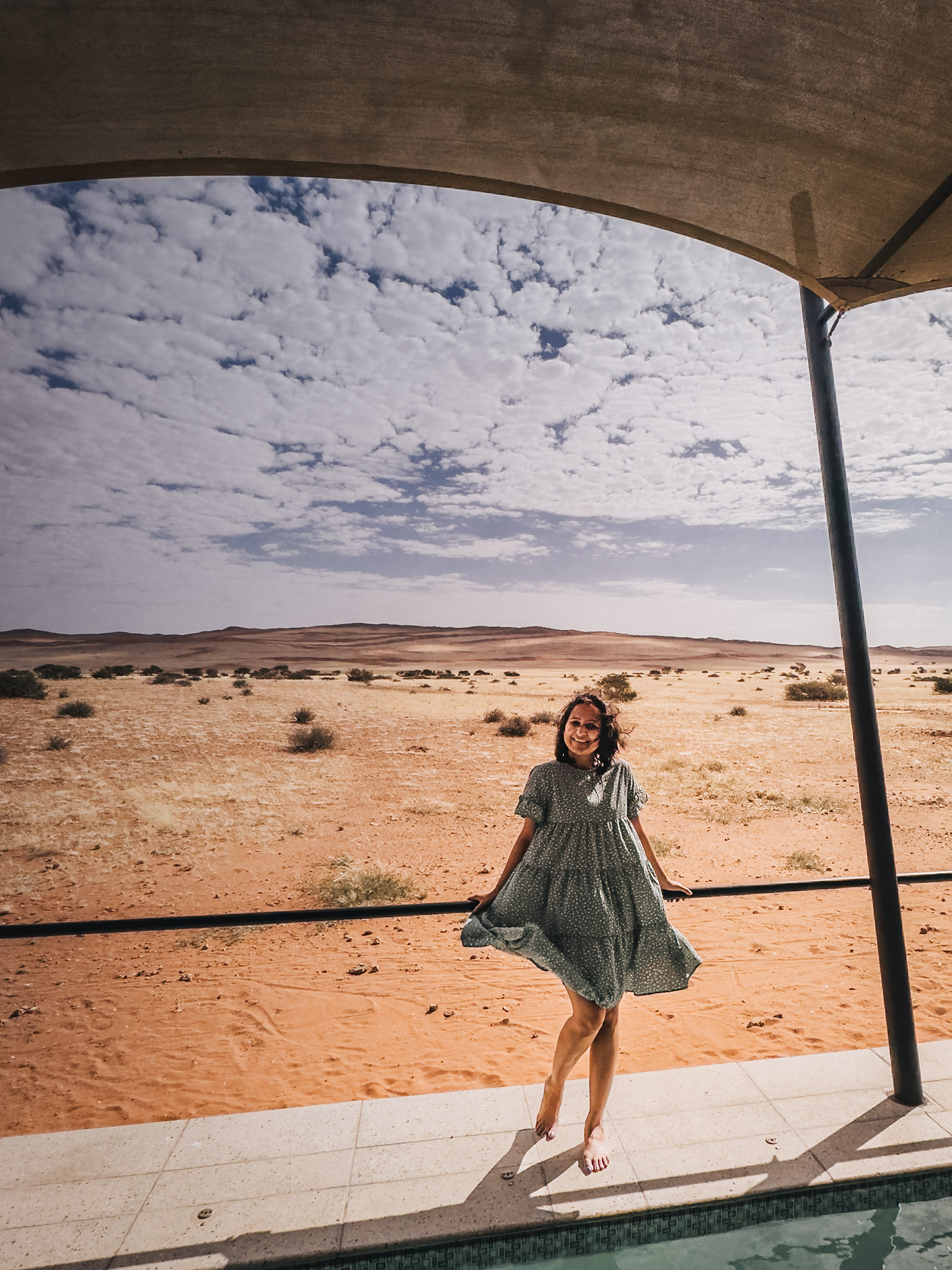
It was also a birthday trip, so I wanted some of the accommodation to feel special.
That is why The Desert Grace and Namib Dune Star Camp were such important parts of the itinerary for me.
If you are planning a similar trip and want help connecting with the local Namibian guide we used, send me your travel dates and number of travelers and I can connect you directly with him by email or WhatsApp. He can offer a good rate to members of my community.
And if you are looking for more ideas for trips beyond Namibia, start with my Africa travel guides, where you can find my guides to destinations including Gabon, Cameroon, Morocco, Mauritius and Zambia.
About the author
Ankitha Rajendaran is an Indian travel writer and traveler based in Dubai who has traveled extensively across Africa and more than 100 countries, with a particular interest in wildlife, remote destinations and the less obvious realities of traveling widely while maintaining a full-time career.
She writes about travel from personal experience, combining practical information with observations about what traveling extensively actually feels like.
This Namibia travel guide is based on her own July 2025 trip through Namibia, covering Windhoek, the Namib Desert, Sossusvlei, Deadvlei, Swakopmund, Spitzkoppe and Etosha National Park. She personally stayed at the properties mentioned in this article and traveled the route with a local Namibian guide.
More from this region
← Browse all Africa guides