Eswatini Travel Guide 2026 | 3-Day Kingdom Adventure from Dubai via South Africa
Published on July 12, 2026
When I mentioned planning Eswatini travel to friends back in Dubai, I got blank stares and confused questions. “Eswatini? Where’s that?” Nobody seemed to know this tiny kingdom tucked between South Africa and Mozambique existed. Which is exactly why I planned it. The country remains refreshingly absent from standard African safari circuits, which means you encounter raw experiences instead of manufactured tourism spectacles. Three days here taught me more about authentic African travel than three weeks in more famous destinations.
I’m writing this from Dubai, where I’ve lived for the last decade. Flying Emirates to Johannesburg with a South African transit turned a simple trip into a seamless adventure. This guide covers our actual 3-day Eswatini itinerary: how to get there from Dubai via South Africa, where to stay for vegetarian food that’s actually excellent, what to pack, realistic costs in USD, and why this understated kingdom deserves to be on your travel list.
Getting to Eswatini from Dubai: The Emirates + South Africa Route
Flying Dubai to Eswatini is straightforward via South Africa. Emirates flies Dubai to Johannesburg daily. From Johannesburg, you have options: (1) Hire a car and drive to Eswatini (4–5 hours, scenic, approximately $50–80 for car rental). (2) Domestic flight from Johannesburg to King Mswati III International Airport in Matsapha (1 hour flight, $80–120, then 20-minute transfer to lodge). We chose the domestic flight because we didn’t want to arrive tired or do another visa for South Africa.
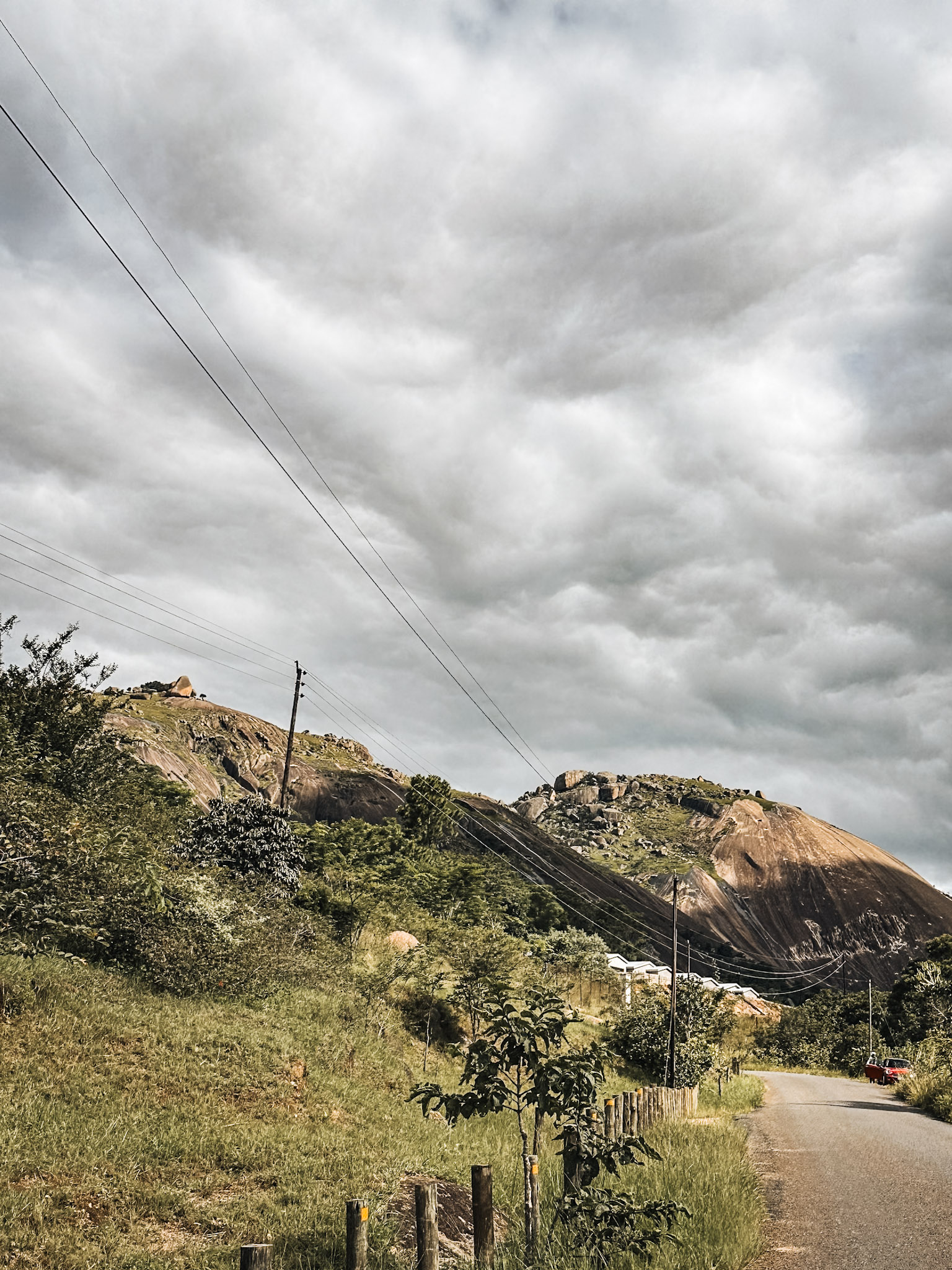
The actual drive from Jo’burg to Eswatini is said to be gorgeous; highveld grasslands gradually transition to mountainous terrain. If you rent a car, budget 4–5 hours and fill up with cash (some rural stations don’t take cards).
Eswatini Visa for Indian Passport Holders: Dubai Embassy Route
Indian passport holders need a visa for Eswatini. The good news: we got ours at the Swaziland Embassy in Abu Dhabi, and the process was genuinely simple. Cost: 60 AED, less than $20. Processing: 72 hours. No extensive paperwork. Just passport, application form, photo. If you’re in Dubai, the Abu Dhabi embassy is convenient. If you’re elsewhere, check with your nearest Eswatini embassy - the process is straightforward everywhere.
How long does Eswatini visa processing take from Dubai?
72 hours at Abu Dhabi embassy. Cost: 60 AED (~$16). You need: valid passport, application form (available at embassy), photo, proof of accommodation. It’s simpler than most visas. Plan 1 week before travel to be safe, though 48 hours actual processing is quick.
Practical Essentials: Weather, Currency & Getting Around Eswatini
Best time to visit: April–June or September–October (shoulder seasons, moderate temperatures, minimal rain). We visited late May—warm afternoons, cool mountain evenings, perfect for hiking. Summer (November–March) is hot in lowlands, rainy, and roads can be rough. Winter (June–August) has clear skies, excellent visibility, but nights are cold in the mountains. Currency: Eswatini Lilangeni (E), but South African Rand is widely accepted. Use local currency (get it at the airport ATM). English is the official language alongside siSwati - everyone speaks English, very friendly. Driving: cars available for rental ($40–50/day), they drive on the left, roads vary from excellent to rough in rural areas. Alternatively, hire a local driver ($30–50/day, highly recommended).
Our 3-Day Eswatini Itinerary: Day-by-Day Experience
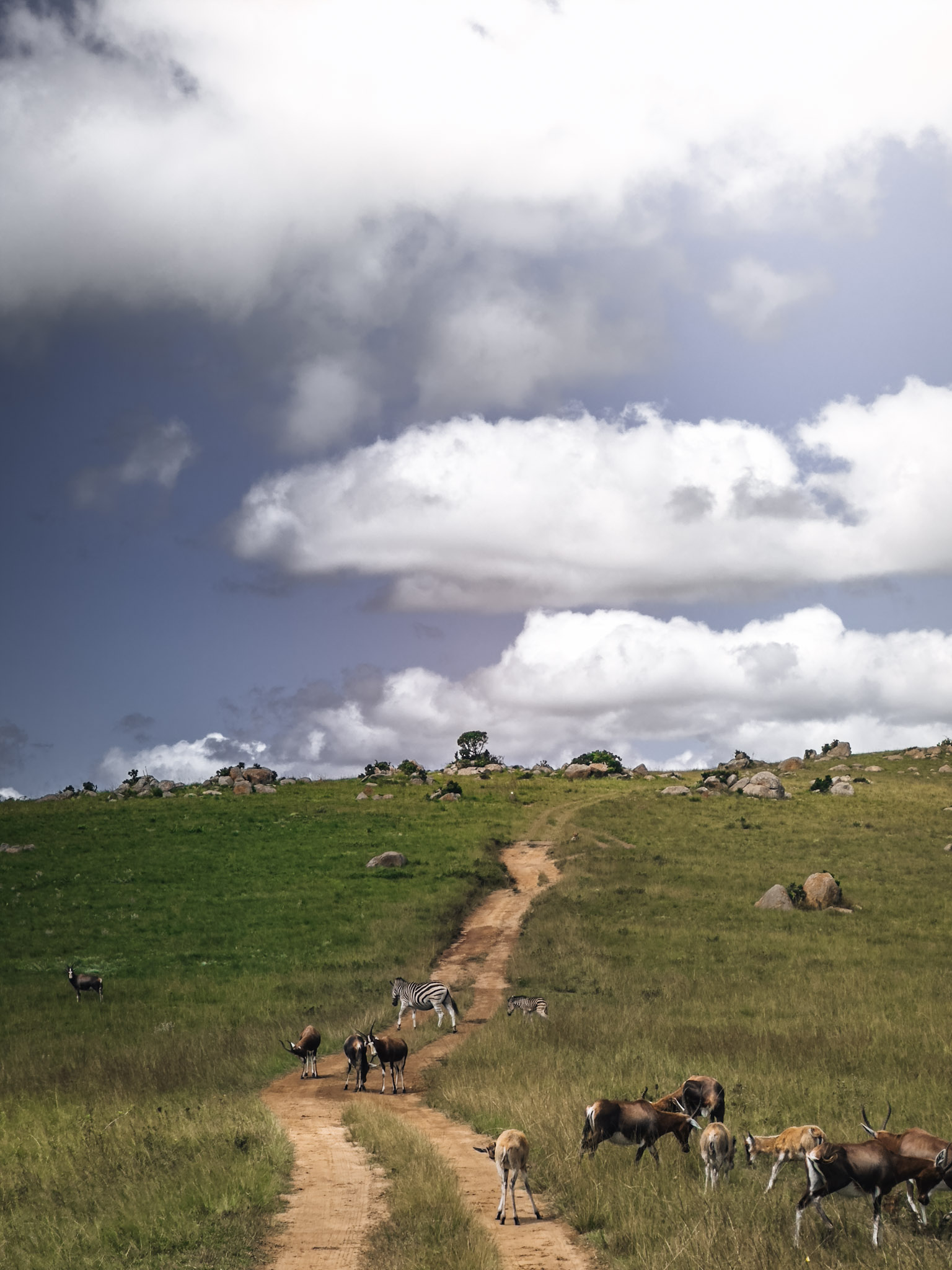
This itinerary balances wildlife, adventure activities, and cultural immersion. Three days is tight but perfect if you want authentic experiences without rushing. We spent Day 1 settling in and exploring the lodge (you can arrive Day 0 or Day 1 depending on flights), Day 2 hiking and ziplining, and Day 3 doing cultural and geological experiences.
Day 1: Arrive Matsapha → Mlilwane Wildlife Sanctuary
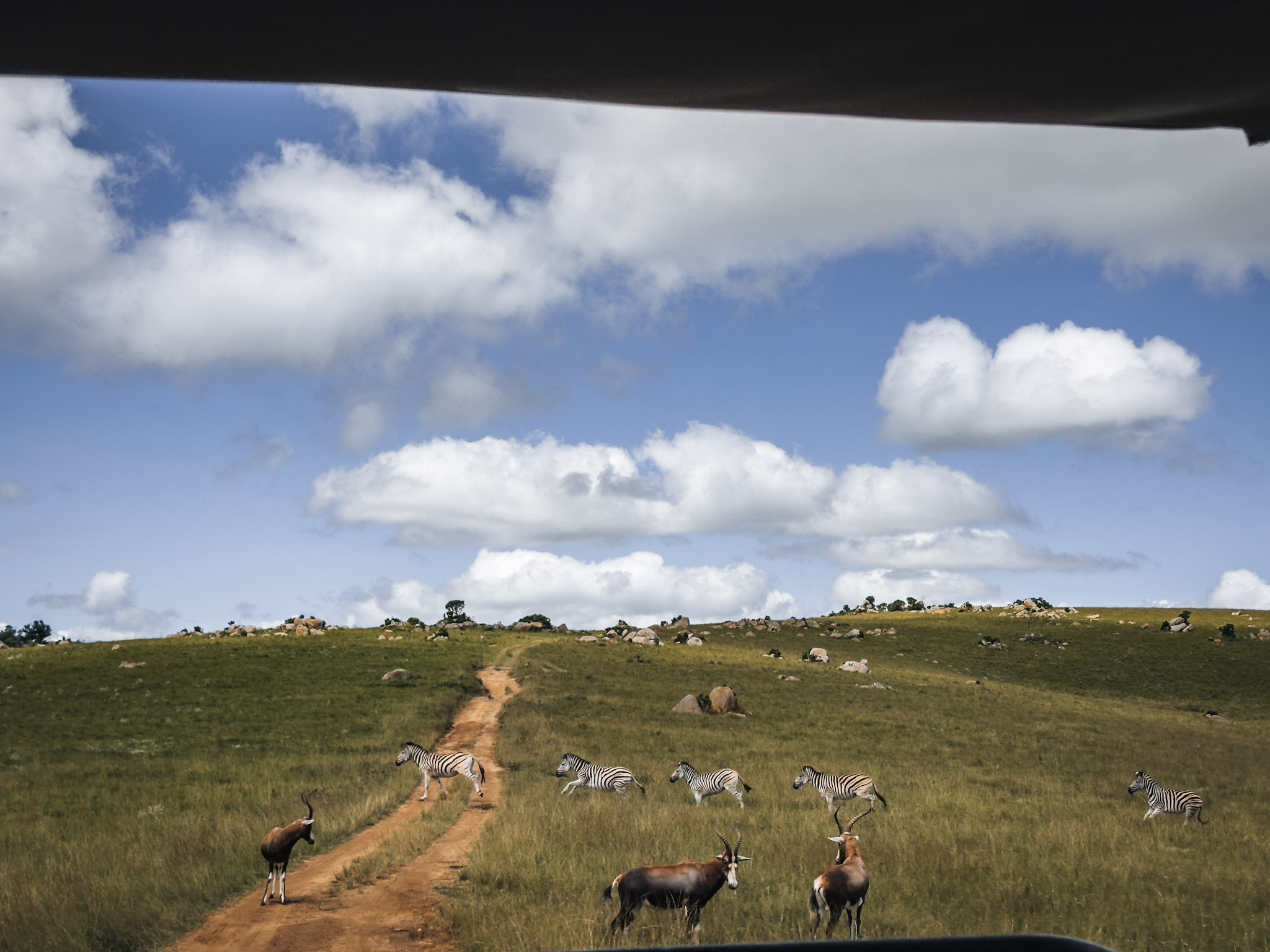
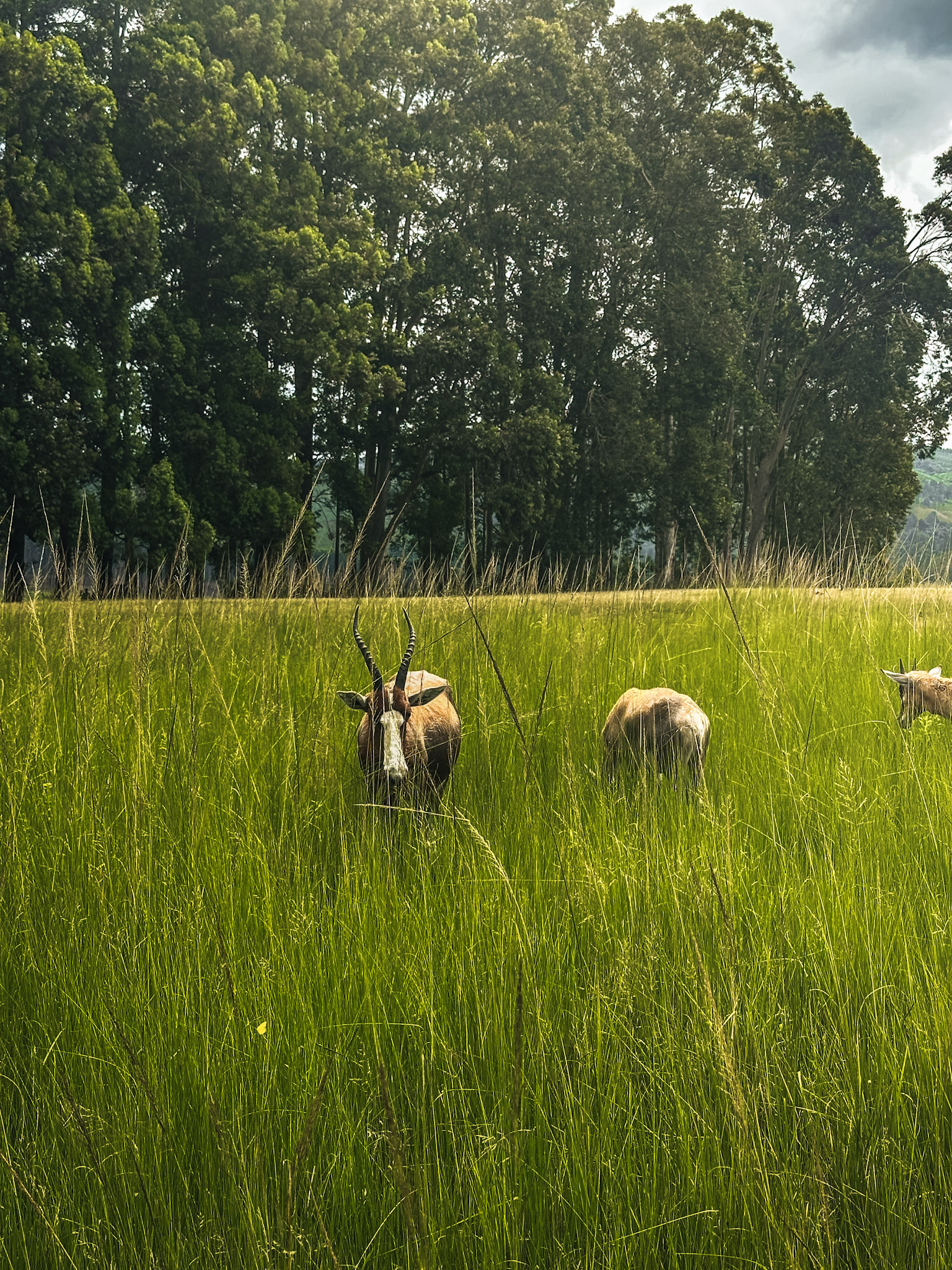
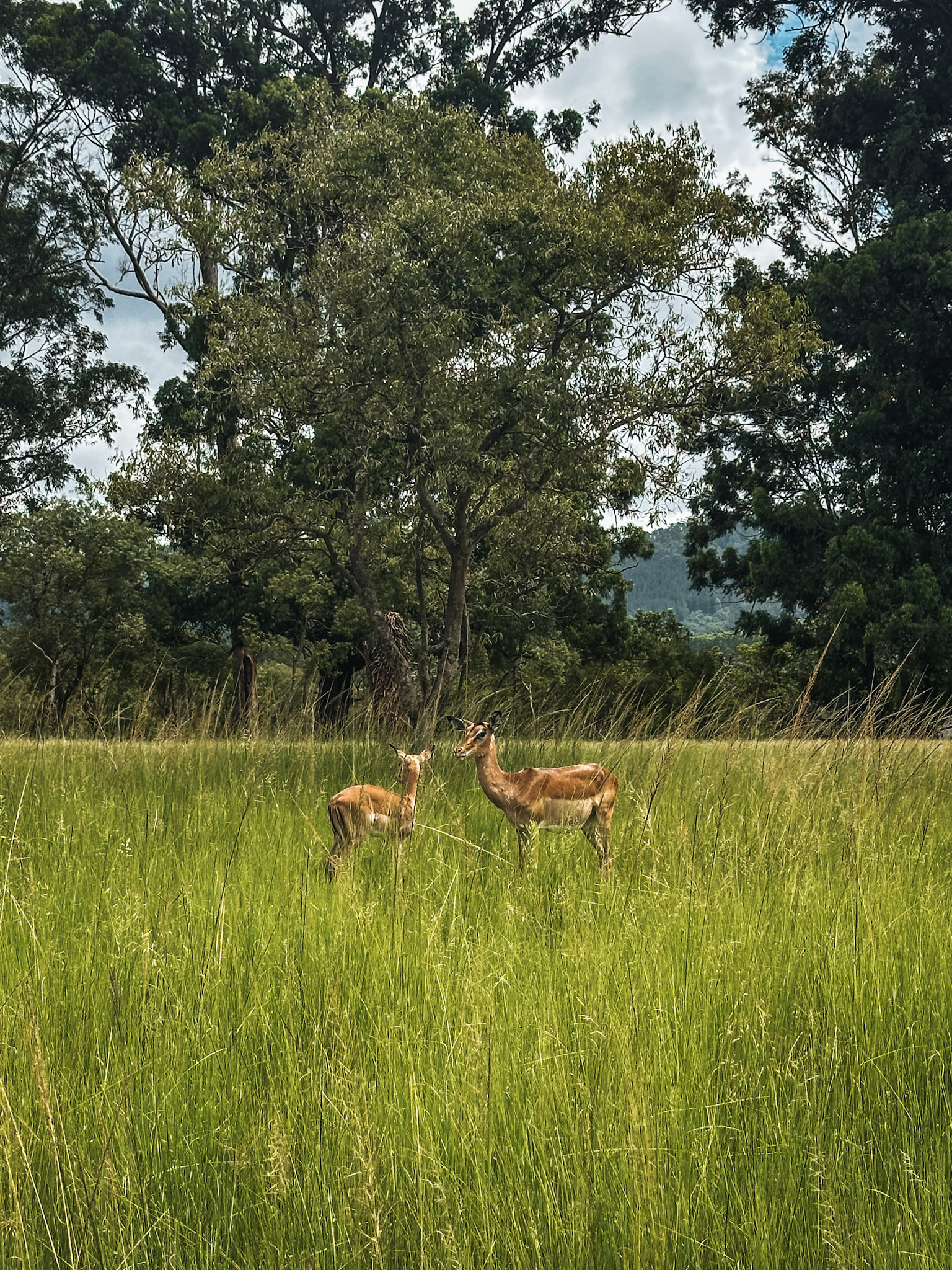
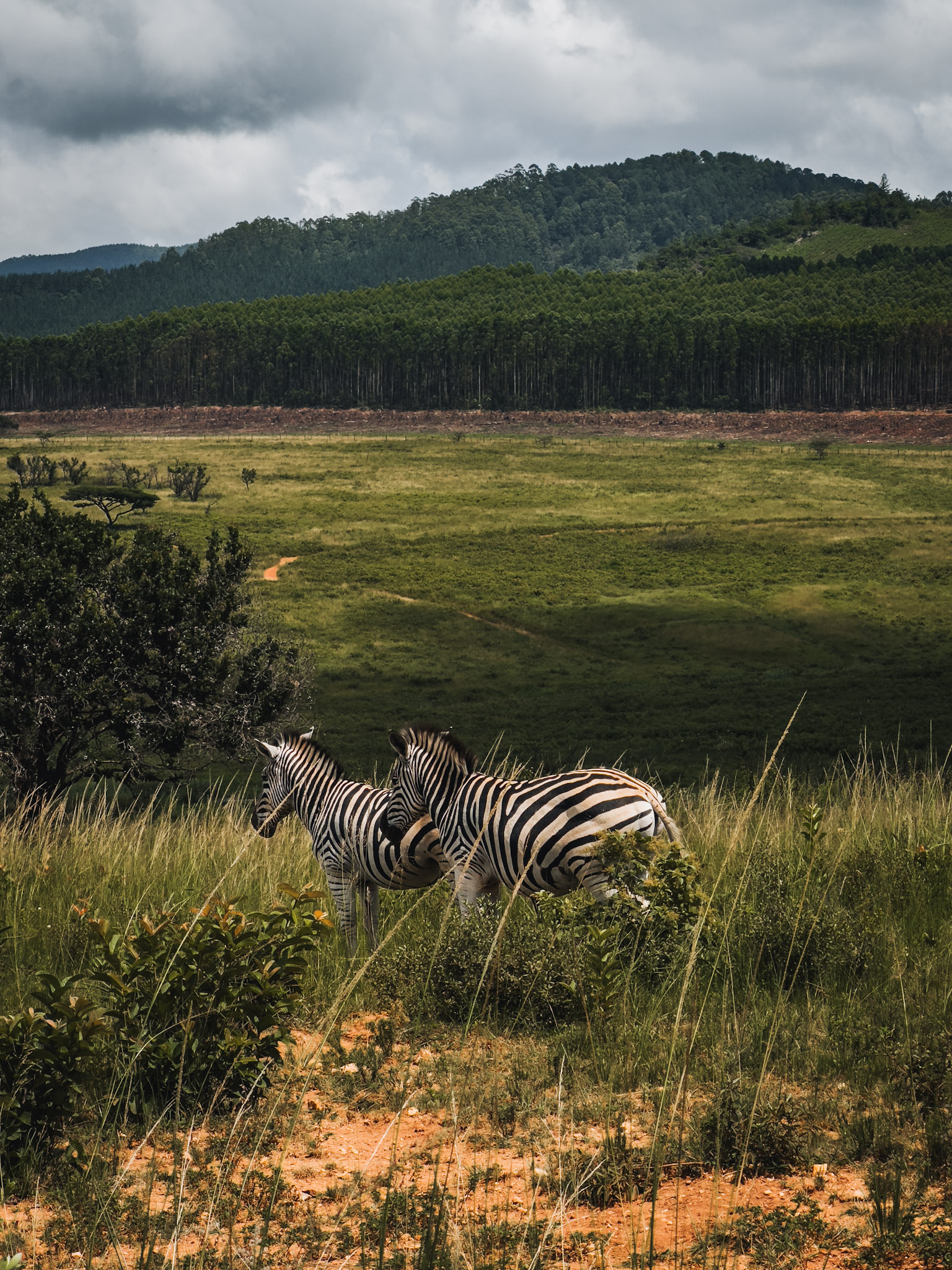
Arrive at Matsapha airport (early morning is ideal). Transfer to lodge at Mlilwane Wildlife Sanctuary (20–30 minutes). Check in, rest, and lunch. Afternoon: easy guided walk through the sanctuary. You’ll see nyala, impala, warthogs, maybe zebras. The guides are knowledgeable about plants, animals, and traditional uses. Dinner at the lodge. Cost: accommodation $60–80/night, meals included. This day is about resetting after travel.
Day 2: Malolotja Nature Reserve—Zipline & Hiking Adventure
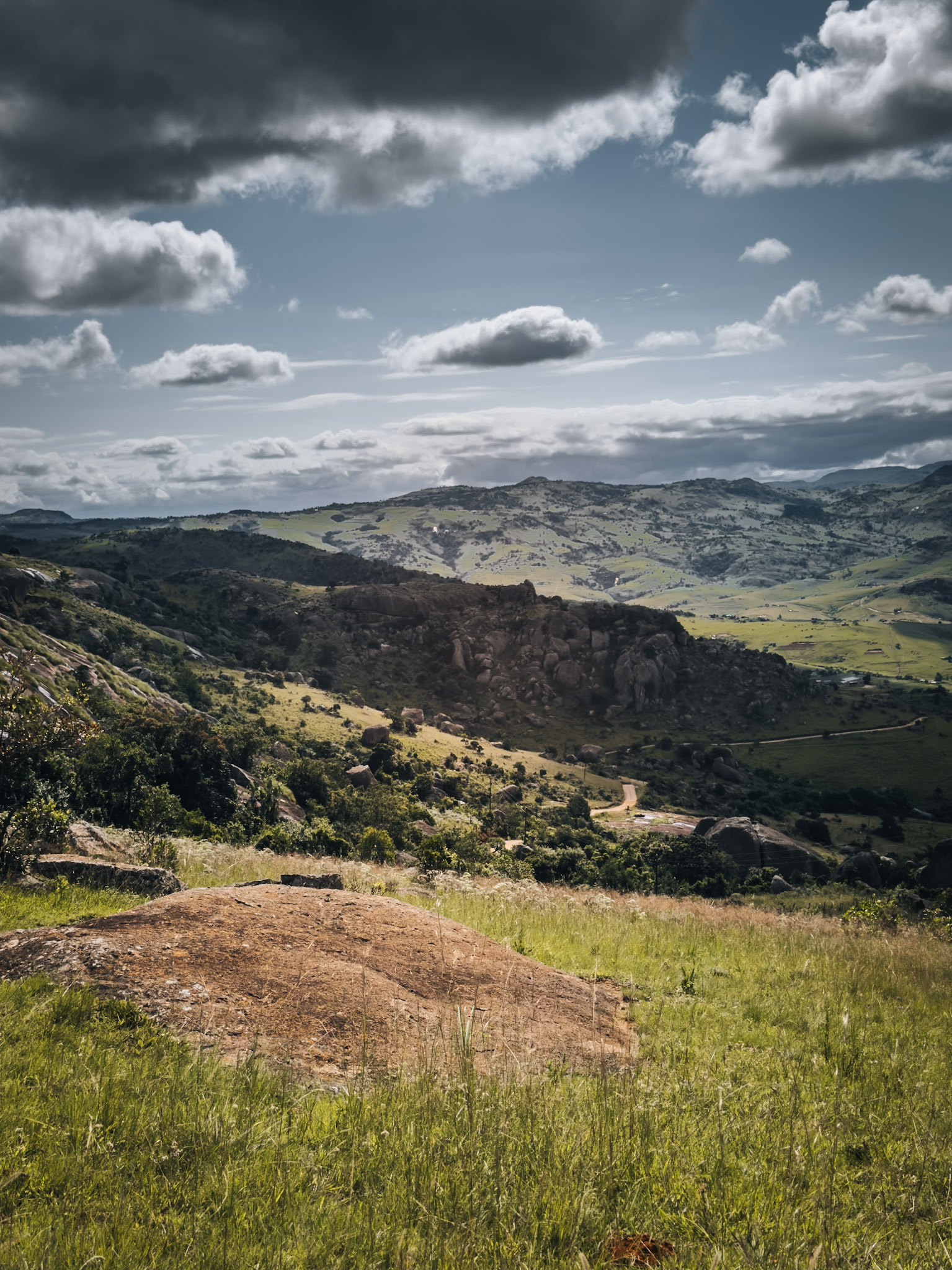
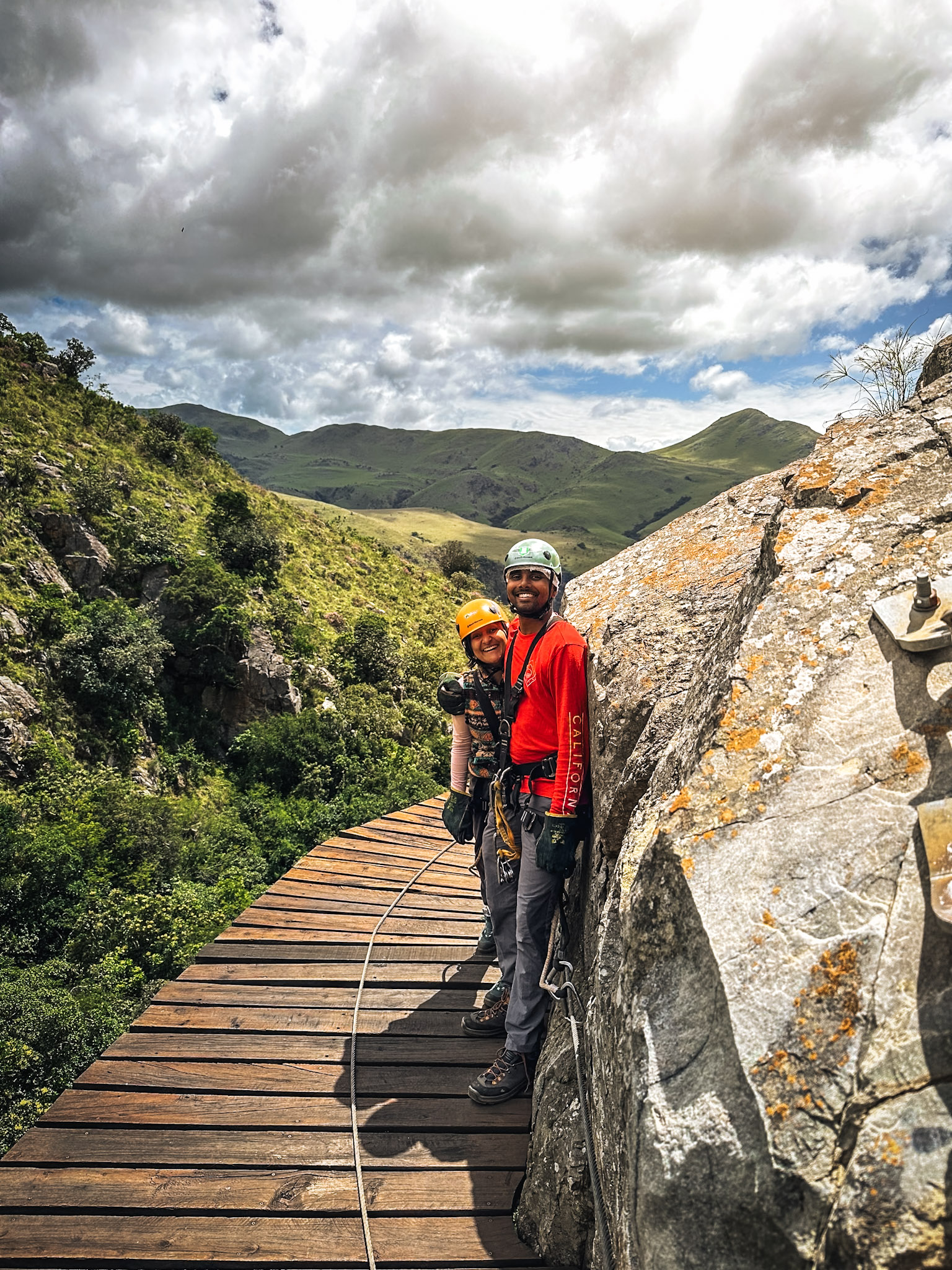
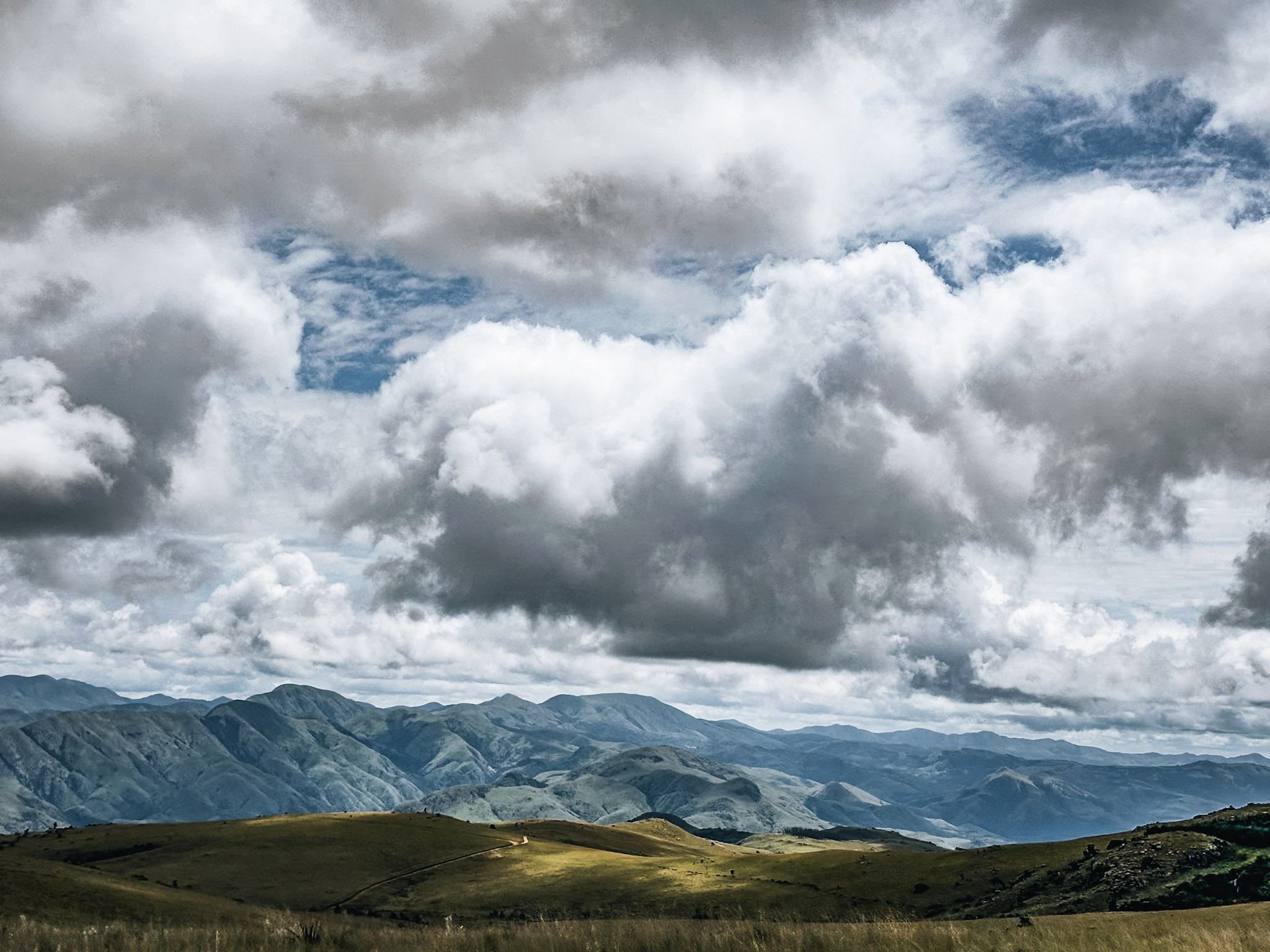
Drive to Malolotja (about 1 hour). This reserve contains some of Africa’s oldest exposed rock formations. Morning: canopy zipline tour (4–5 cables, approximately 2–3 hours, $50–80 per person). You’re suspended above the Komati River valley—absolutely exhilarating. Afternoon: hiking (trails available for various fitness levels, 1–3 hours). You can reach viewpoints overlooking South Africa and Mozambique on clear days. Lunch at a local craft cooperative (support community directly). Evening: return to lodge. Cost: zipline $50–80, guide $20–30, lunch $15–20.
Day 3: Sibebe Rock & Mantegna Cultural Village
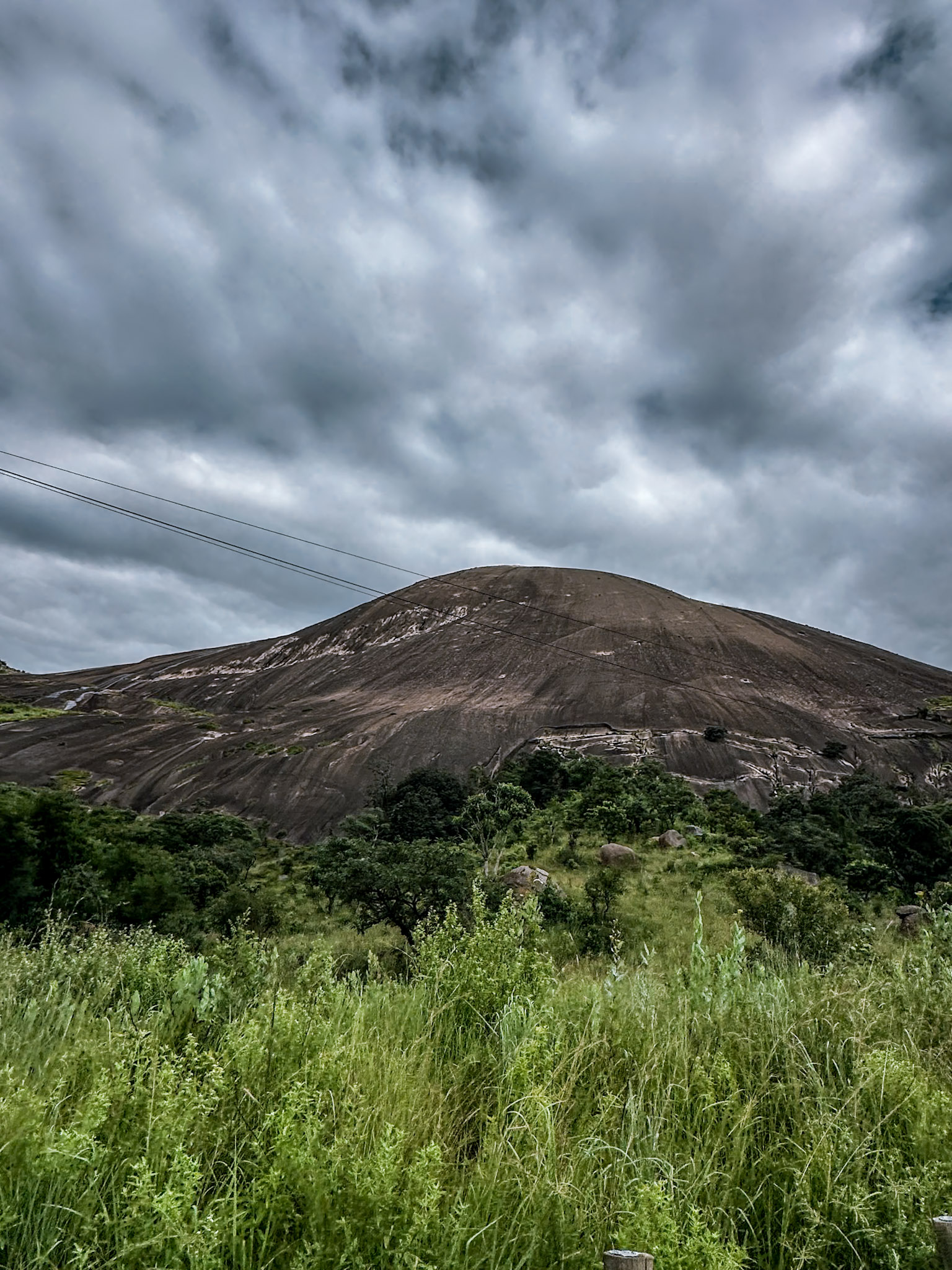
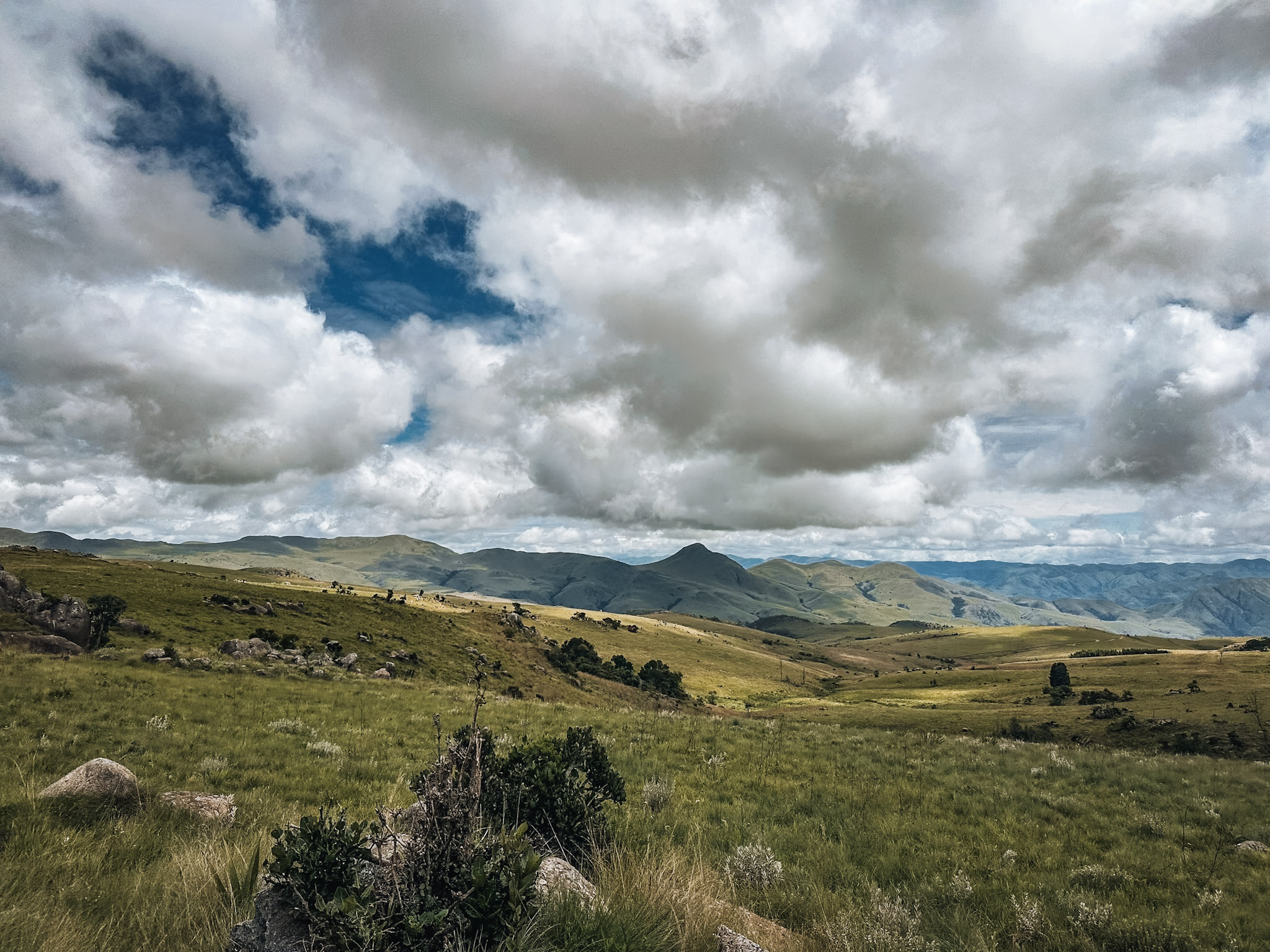
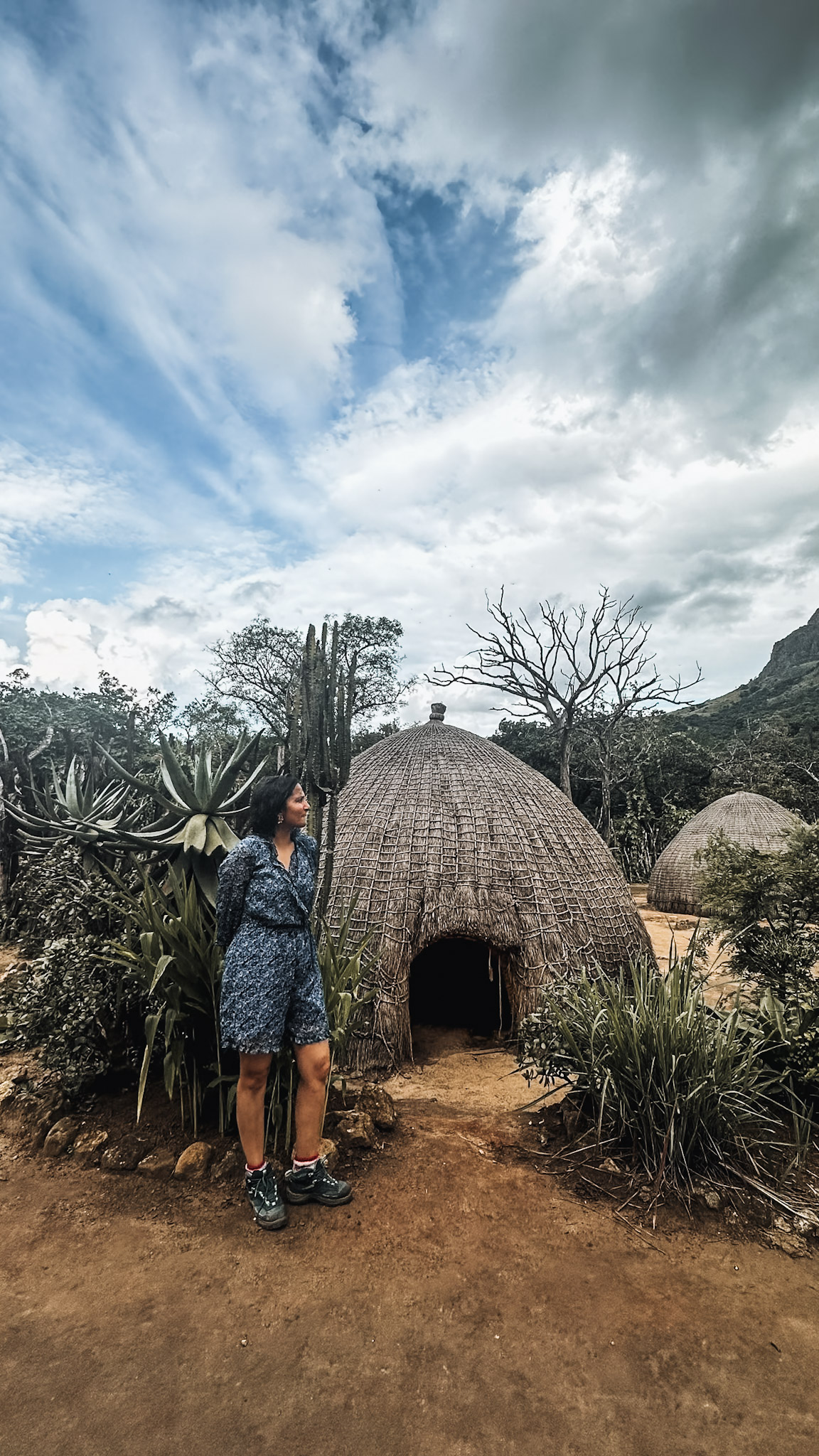
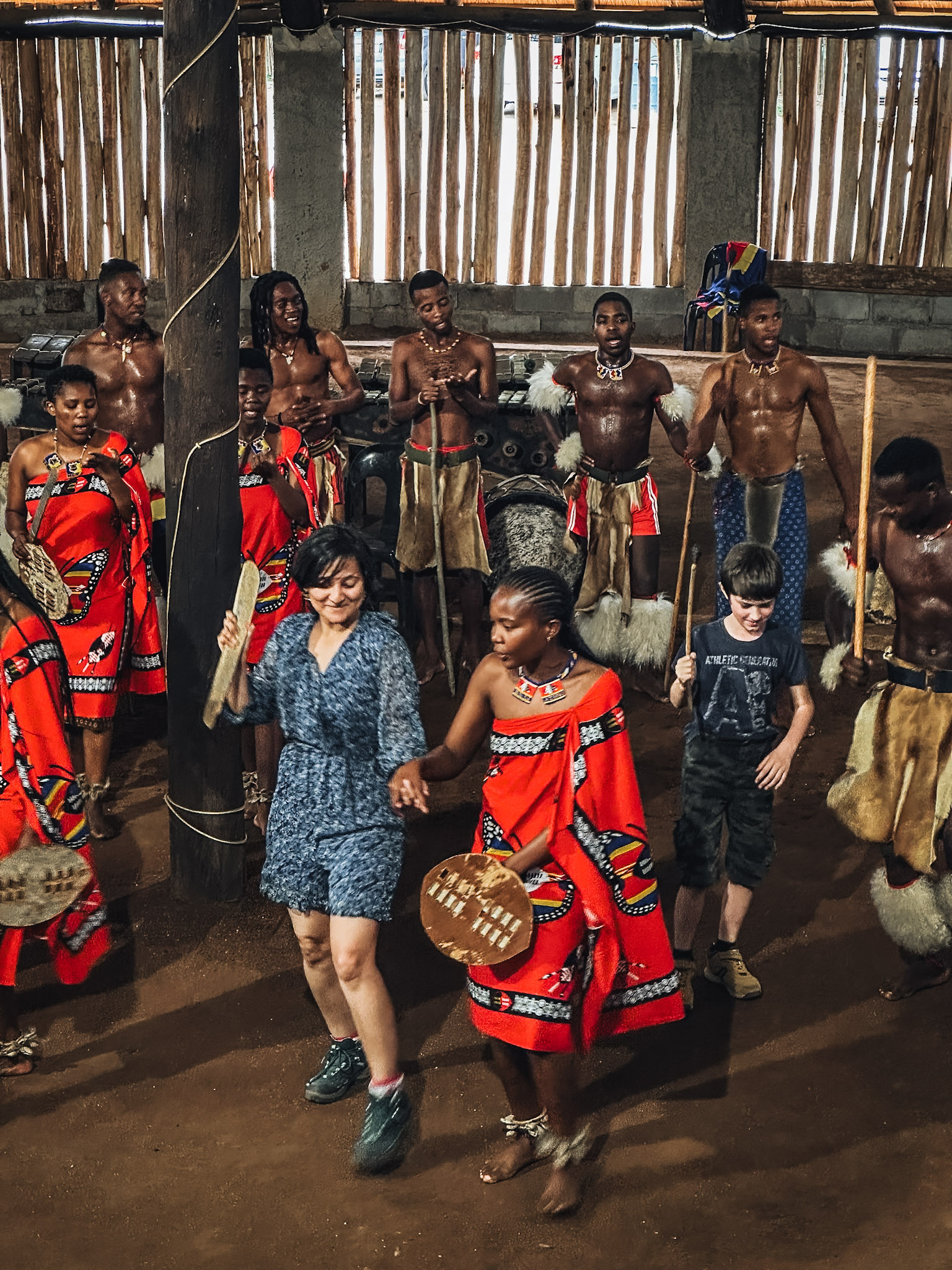
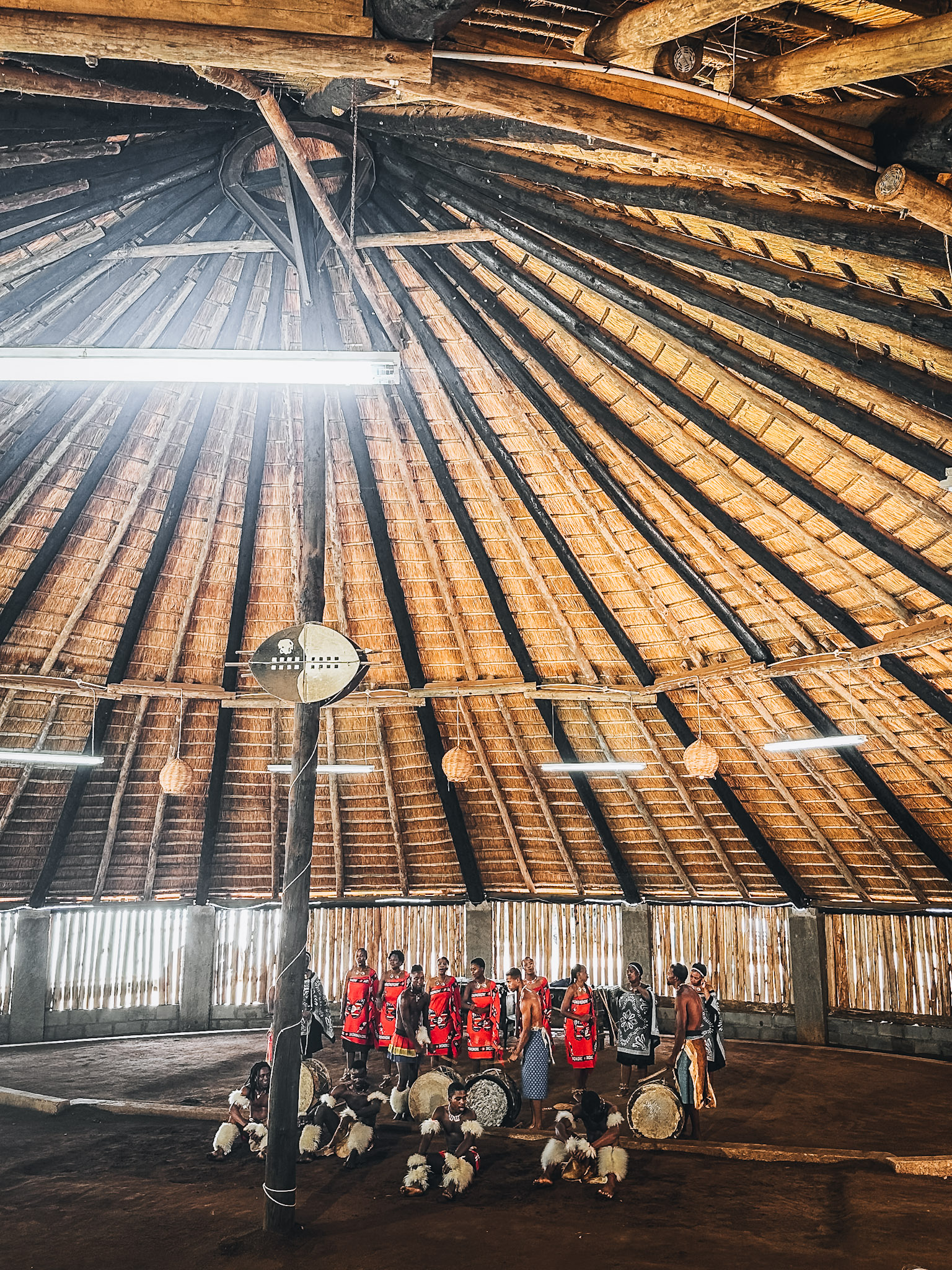
Morning: hike Sibebe Rock (one of the world’s largest granite domes, significant in Swazi culture). The ascent takes 1.5–2 hours. Wear proper shoes—the rock is slippery even when dry. Views from the top are spectacular. Afternoon: Mantegna Cultural Village. This isn’t a tourist performance—it’s a living village where traditional Swazi customs are practiced. You’ll see craftspeople, agricultural techniques, and learn oral histories. The village elders share stories that bring traditions alive. Dinner back at lodge or in town. Cost: Sibebe guide $30–40, Mantegna village visit $20–30.
Where We Stayed: Mlilwane Wildlife Sanctuary Lodge
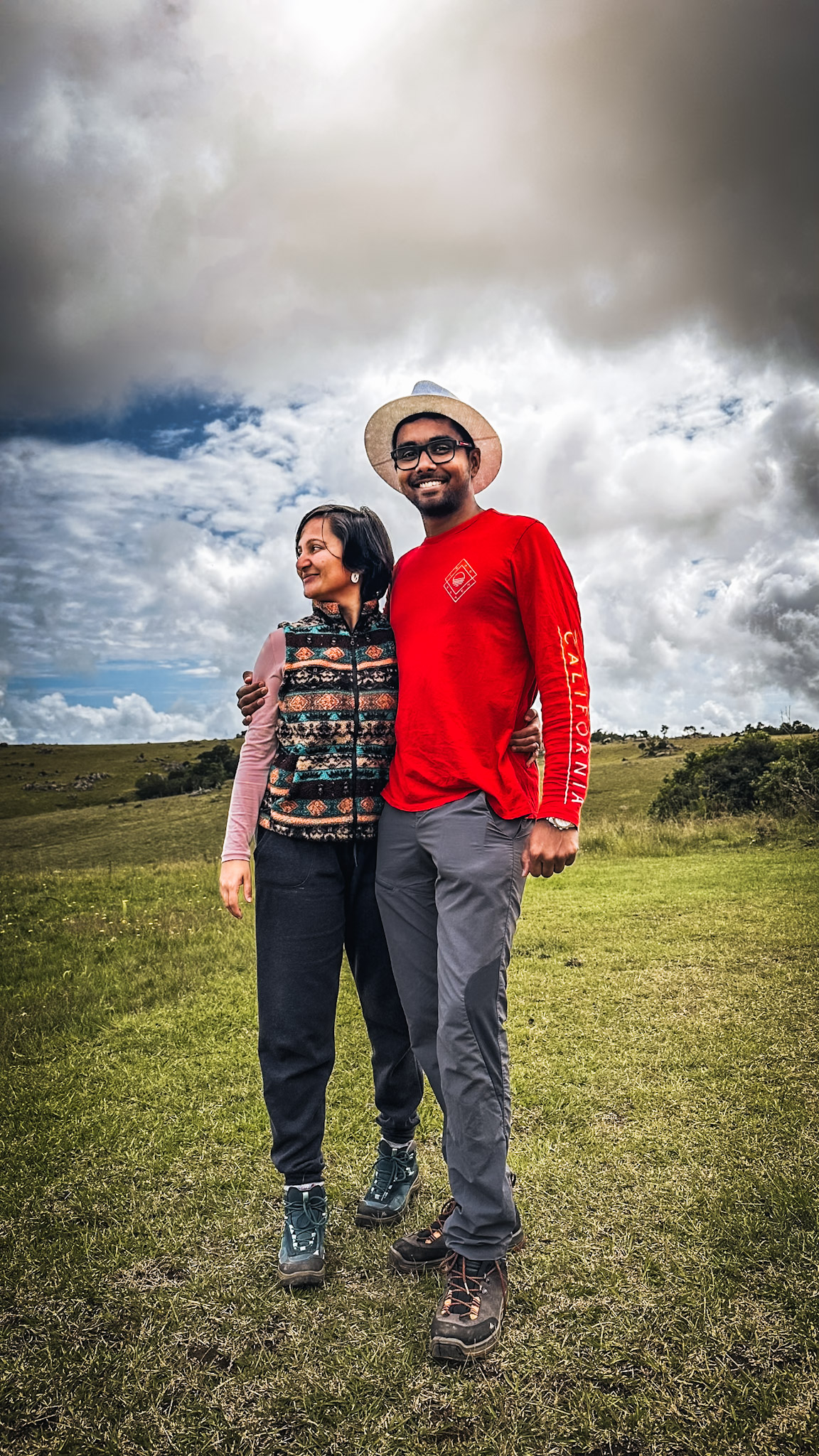
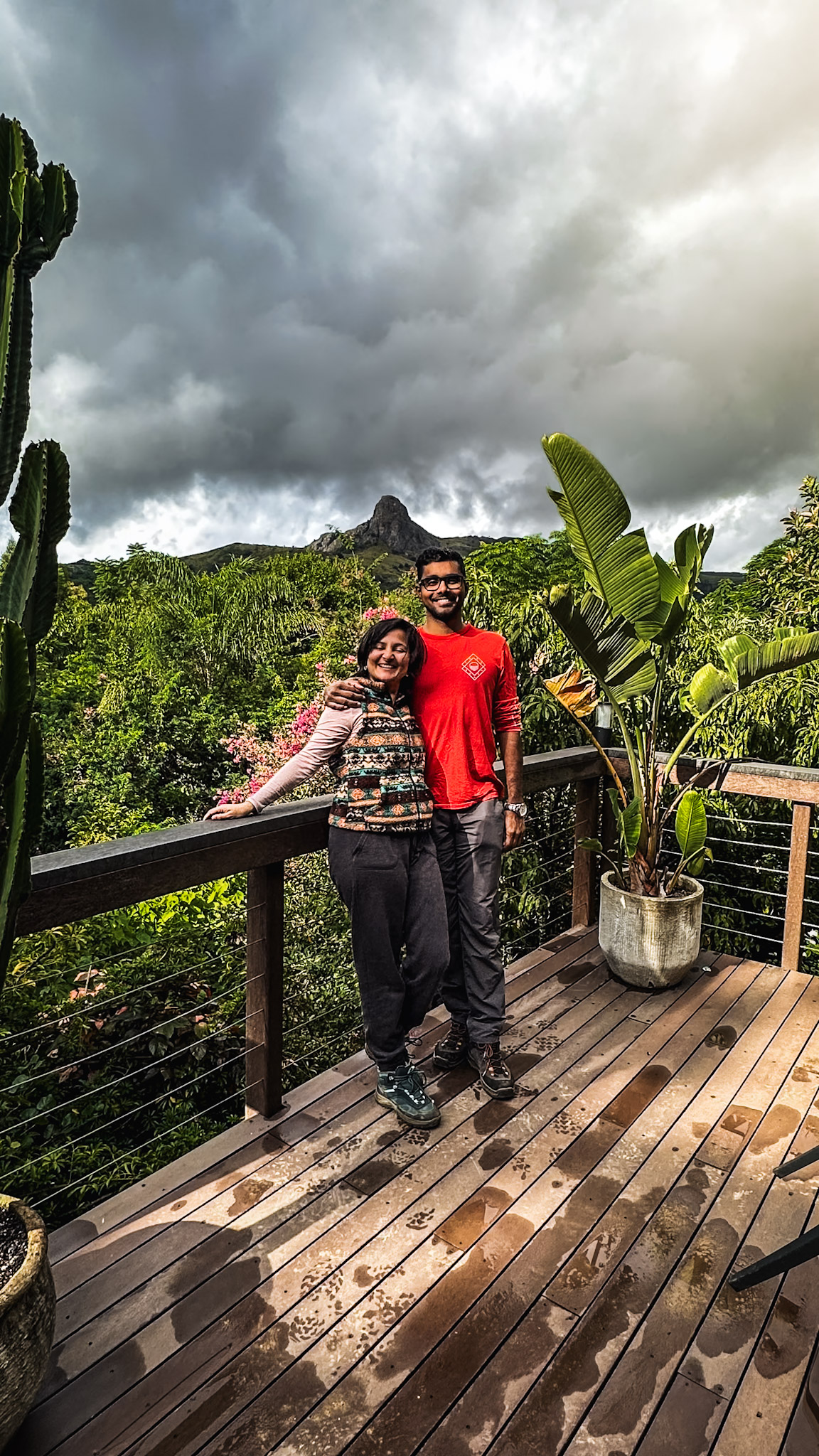
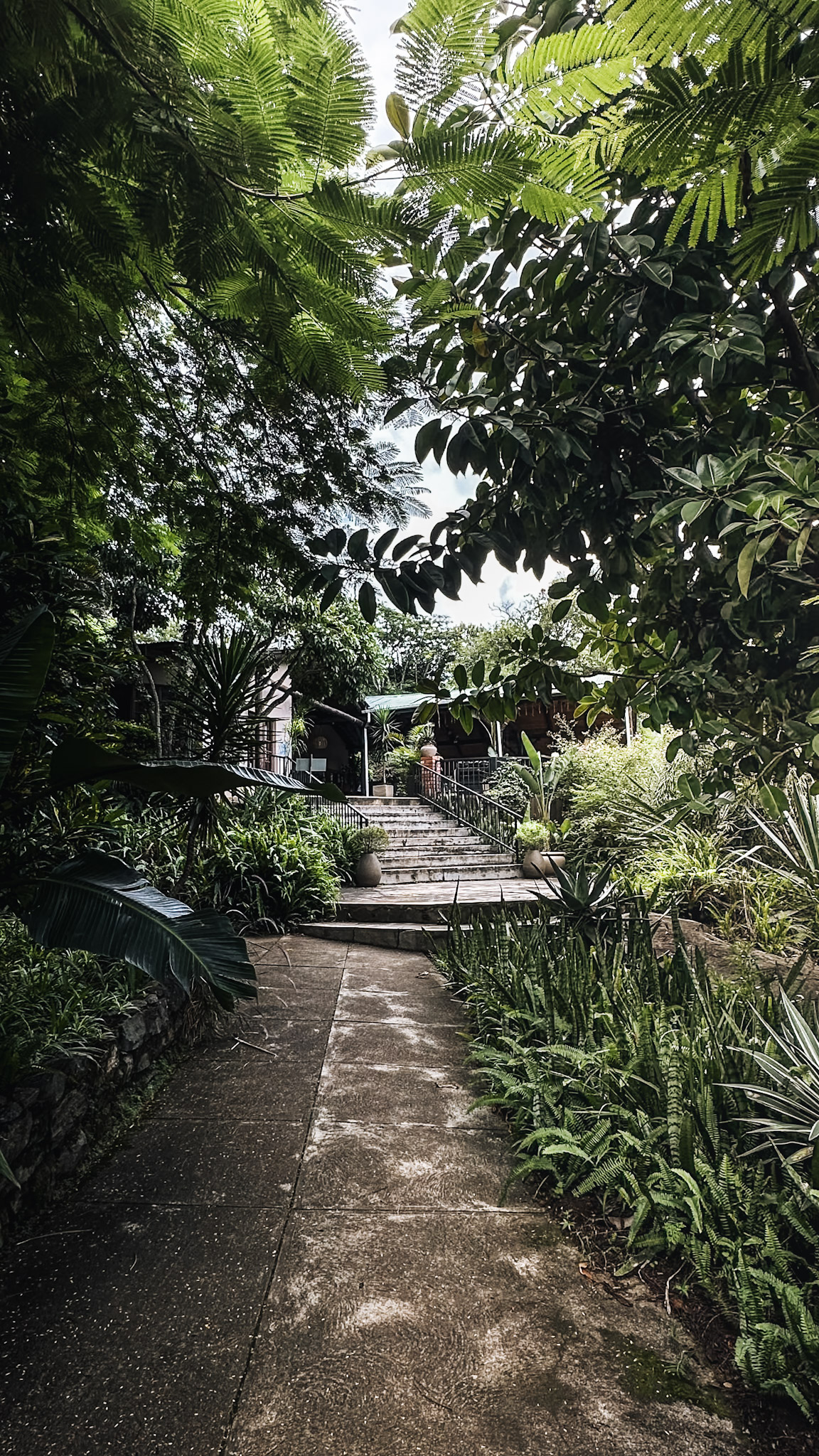
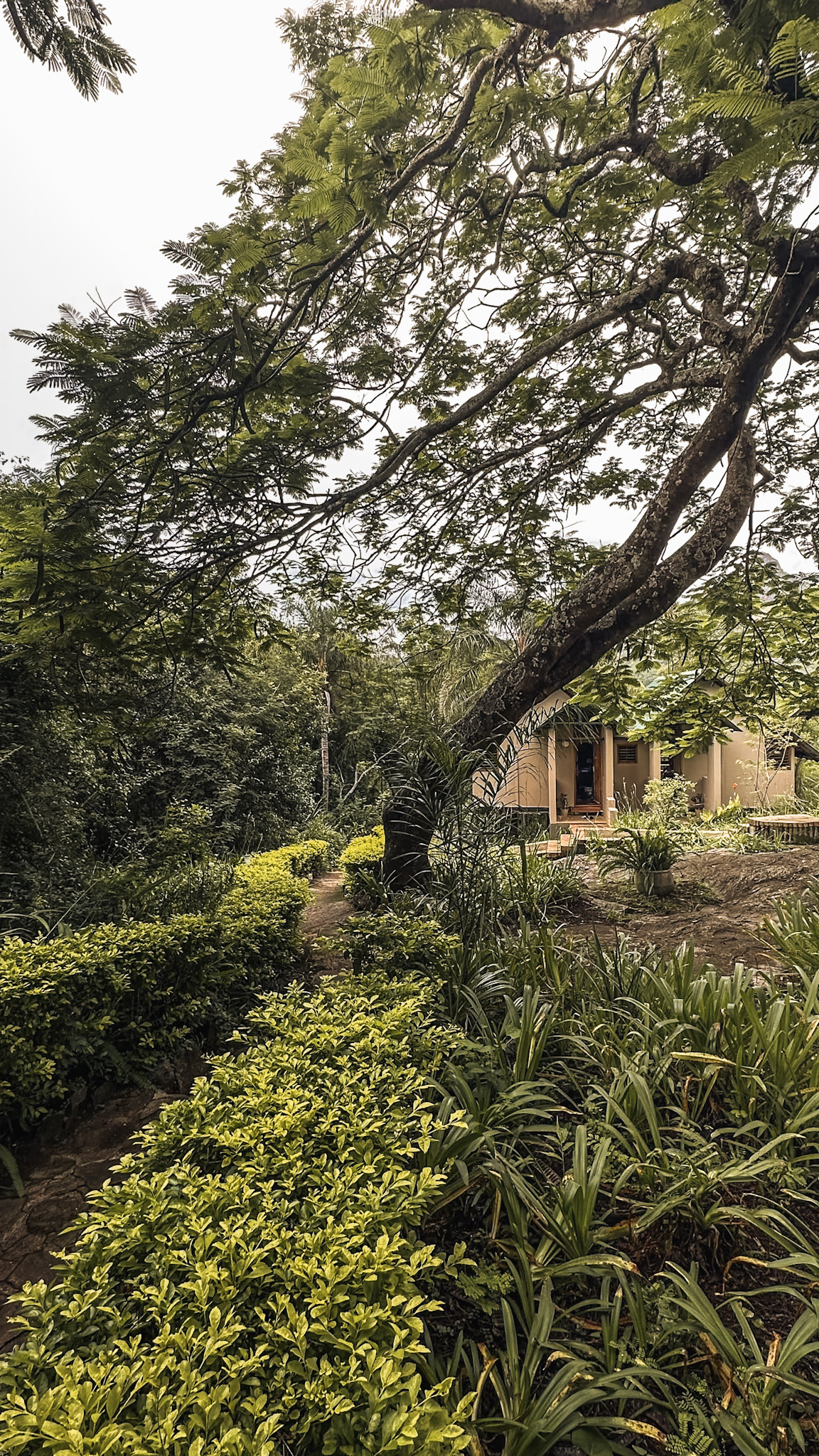
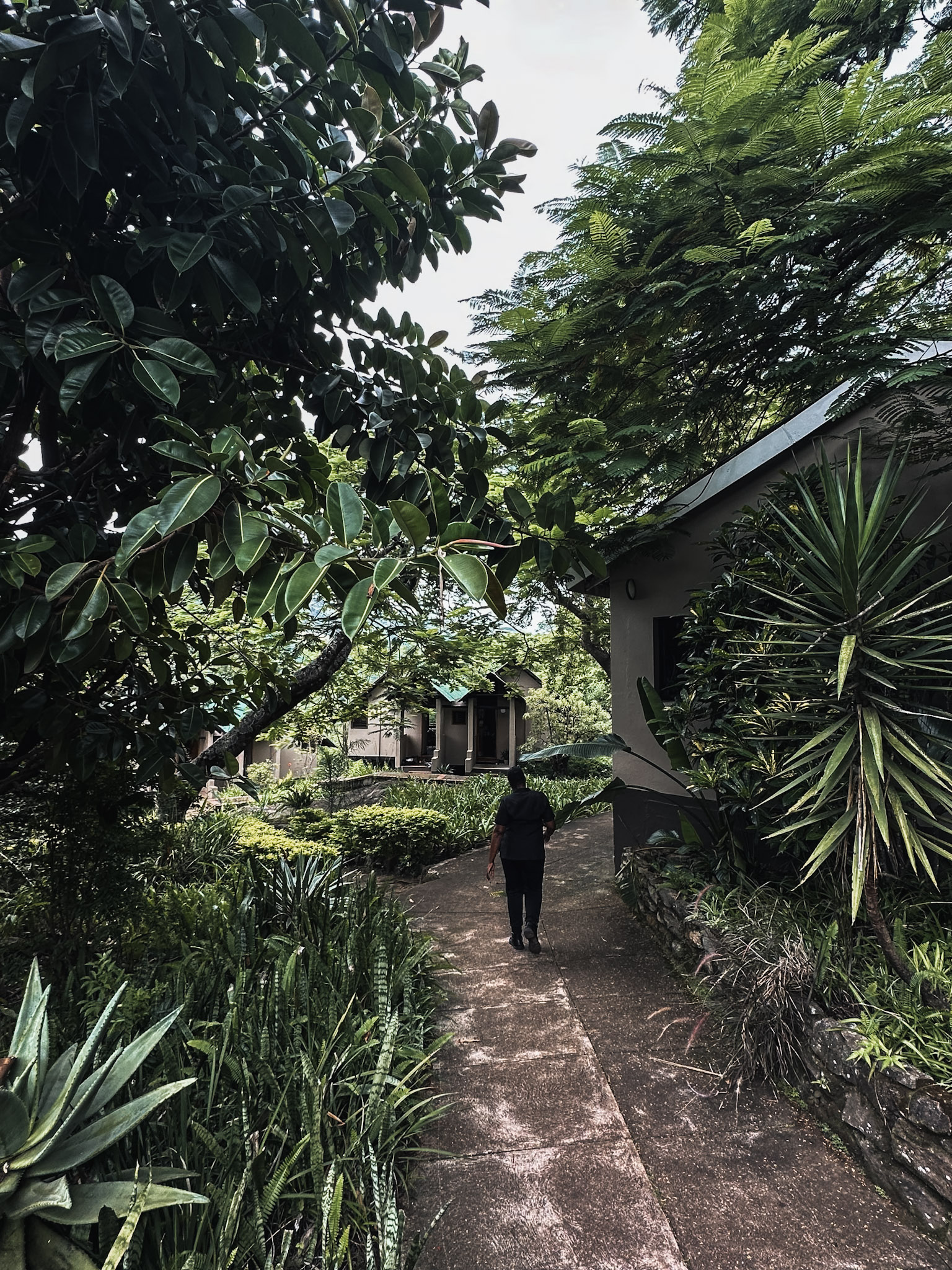
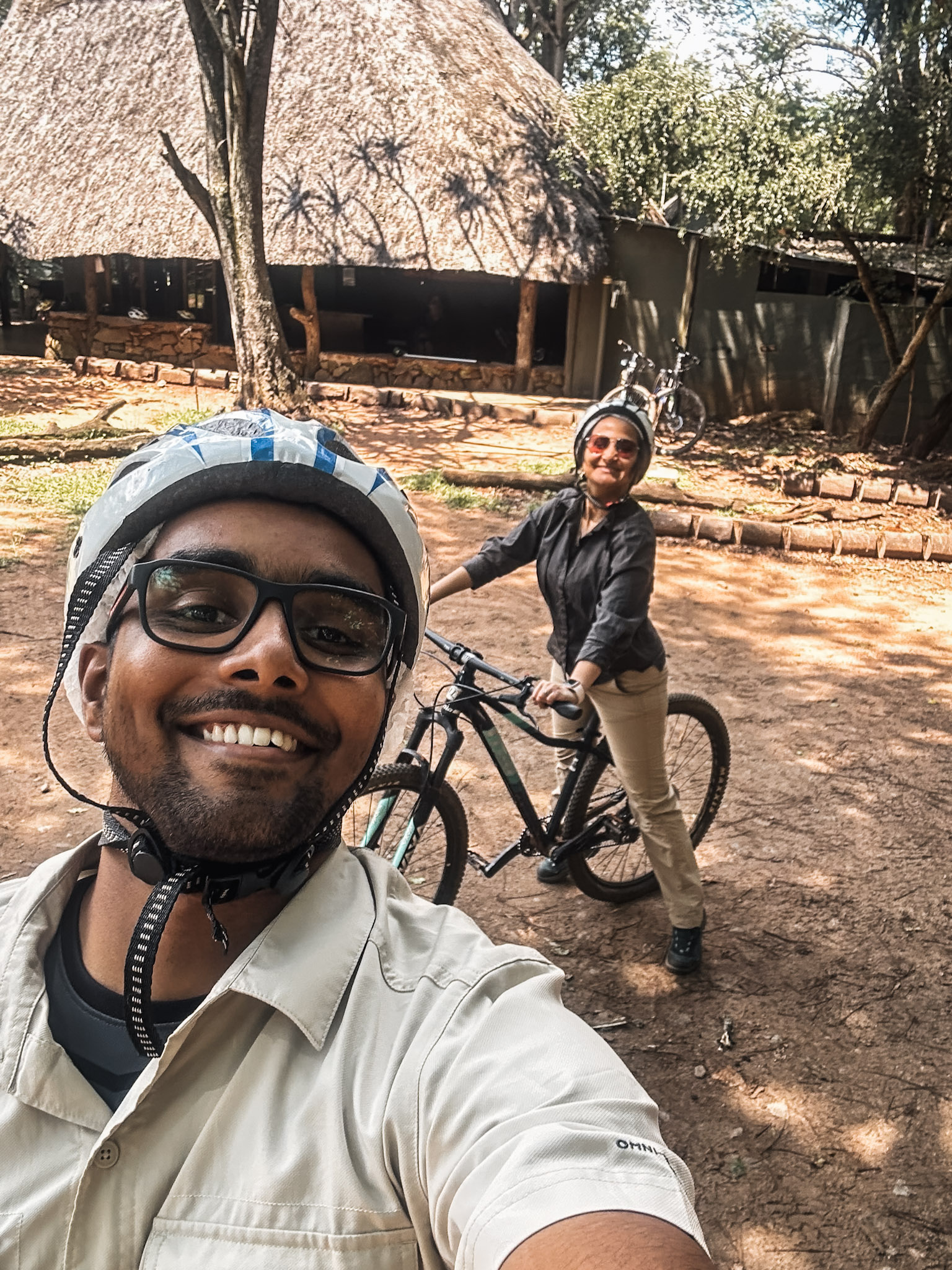
Mlilwane offers accommodation. We stayed in the Mantenga Lodge —sleeping in a thatched structure while hearing cicadas and night birds felt genuinely special. The lodge serves excellent meals, remarkably vegetarian-friendly (more on that below). The staff are warm, knowledgeable, and happy to arrange activities.
Once back in the city, I highly recommend this one - the breakfast buffet was fantastic, fresh, and they also had a great ala carte menu.
Vegetarian & Vegan Food in Eswatini: A Genuine Surprise
This deserves its own section because it surprised us in the best way. Eswatini’s food is meat-heavy traditionally, but the lodges we stayed at offered genuinely creative vegetarian options. At Mlilwane, the chef prepared vibrant vegetable stews using local produce, fresh salads with local greens, curried chickpeas, and creative rice dishes. This is rare in Southern African travel - most stays provide just one or two token vegetarian options. The chefs actually engaged with dietary requests and cooked with care. If you’re vegetarian or vegan, you’ll eat genuinely well here.
Safety, Culture & Practical Tips for Eswatini Travel
Safety: Eswatini is genuinely safe. Avoid poorly lit areas in cities like Mbabane and Manzini after dark (standard urban precautions), but tourist areas are peaceful. We felt completely safe walking around lodges and villages. Culture: Traditional protocols still govern many interactions, especially at cultural sites and in rural areas. Learn basic siSwati greetings (“Sawubona” = hello)—locals appreciate the effort. Ask permission before photographing people or sacred sites. The people are remarkably patient with foreign visitors. Roads: rental cars are available, roads vary from excellent to rough. For comfort, hire a local driver ($30–50/day). They know the shortcuts, avoid potholes, and provide cultural commentary. Packing: layers for temperature swings, hiking boots, reef-safe sunscreen, insect repellent, lightweight rain jacket (even in dry season), binoculars for wildlife watching.
Is Eswatini safe for solo female travelers?
Yes. The kingdom is welcoming and safe for solo women. Avoid walking alone in cities after dark (universal precaution). In tourist areas and lodges, women travelers report positive experiences. Locals are protective and helpful. Book reputable lodges, use taxis booked through your hotel, and exercise normal city sense. Many solo female travelers do Eswatini successfully.
Realistic Budget for 3-Day Eswatini Trip from Dubai (USD)
Flights (Dubai to Jo’burg to Matsapha): $800-1000. Accommodation (2–3 nights, mid-range lodge): $300. Activities (zipline, hiking, cultural visits, guides): $120–180. Meals (lodges, local restaurants): $40–60. Ground transport (car rental or driver): $60–100. Visa (Abu Dhabi): $16. Miscellaneous (tips, souvenirs): $30–50. Total per person, 3 days: approximately $900–1,350. For two people sharing accommodation and transport, approximately $1,400–2,000 total. This is remarkably affordable for African travel, especially from Dubai.
FAQs: Eswatini Travel from Dubai
Do I need a visa for Eswatini as an Indian passport holder?
Yes. Eswatini visa required. Get it at the nearest Eswatini embassy (Abu Dhabi if you’re in the UAE). Cost: 60 AED (~$16). Processing: 72 hours. Simple process - just passport, form, photo. If you’re Dubai-based, the Abu Dhabi embassy is convenient (30 minutes away).

What’s the easiest way to get from Dubai to Eswatini?
Emirates to Johannesburg ($400–600) + domestic flight to Matsapha ($80–120) + transfer to lodge. Total: 1 day travel time, approximately $500–700 flights, very smooth. Alternative: fly to Jo’burg, rent car, drive 4–5 hours. The flight is worth it for comfort and time savings.
Is three days enough time for Eswatini?
Yes. You can experience wildlife, adventure activities, cultural immersion, and hiking in 3 days. It’s tight but authentic. Four days would be more relaxed. Less than 3 days feels rushed. The country is small - you can pack a lot in.
Should I hire a driver or rent a car?
If you’re comfortable driving on the left, a rental car ($40–50/day) gives flexibility. If you want to relax and get local insights, hire a driver ($30–50/day). Roads vary in quality - a driver who knows them is valuable. We recommend a driver, especially if you’ve never driven left-side traffic.
Planning Your Eswatini Trip: Local Guide & Ground Support
If you’re serious about planning an Eswatini trip from Dubai and want personalized guidance; how to navigate from Johannesburg, booking the right lodges, arranging drivers, understanding cultural protocols, I’m happy to connect you with the sweetest local guide I’ve worked with. I believe in supporting local operators and guides, not massive international agencies.
To get connected, reach out with: (1) Your travel dates, (2) Number of people, (3) Your priorities (adventure, cultural immersion, relaxation, budget). I’ll connect you via WhatsApp to guides who arrange flights in South Africa, car rentals or drivers, activity bookings, and everything else. They manage logistics professionally and know Eswatini deeply. When you book through them, you’re supporting families in Eswatini directly.
This isn’t a sales pitch. I’ve traveled enough to know the difference between rushed tourism and genuine connection. Local guides transform a trip from a checklist into an experience.
Final Thoughts: Why Eswatini Stays With You
Eswatini tourism succeeds because it prioritizes authentic experiences over manufactured attractions. Nobody’s heard of it. There are no Instagram hotspots. There are no crowds. What you get instead is something increasingly rare: a place where traditions are still lived, not performed for tourists. Where wildlife roams in sanctuaries that prioritize conservation over spectacle. Where the people are genuinely welcoming, not performatively hospitable.
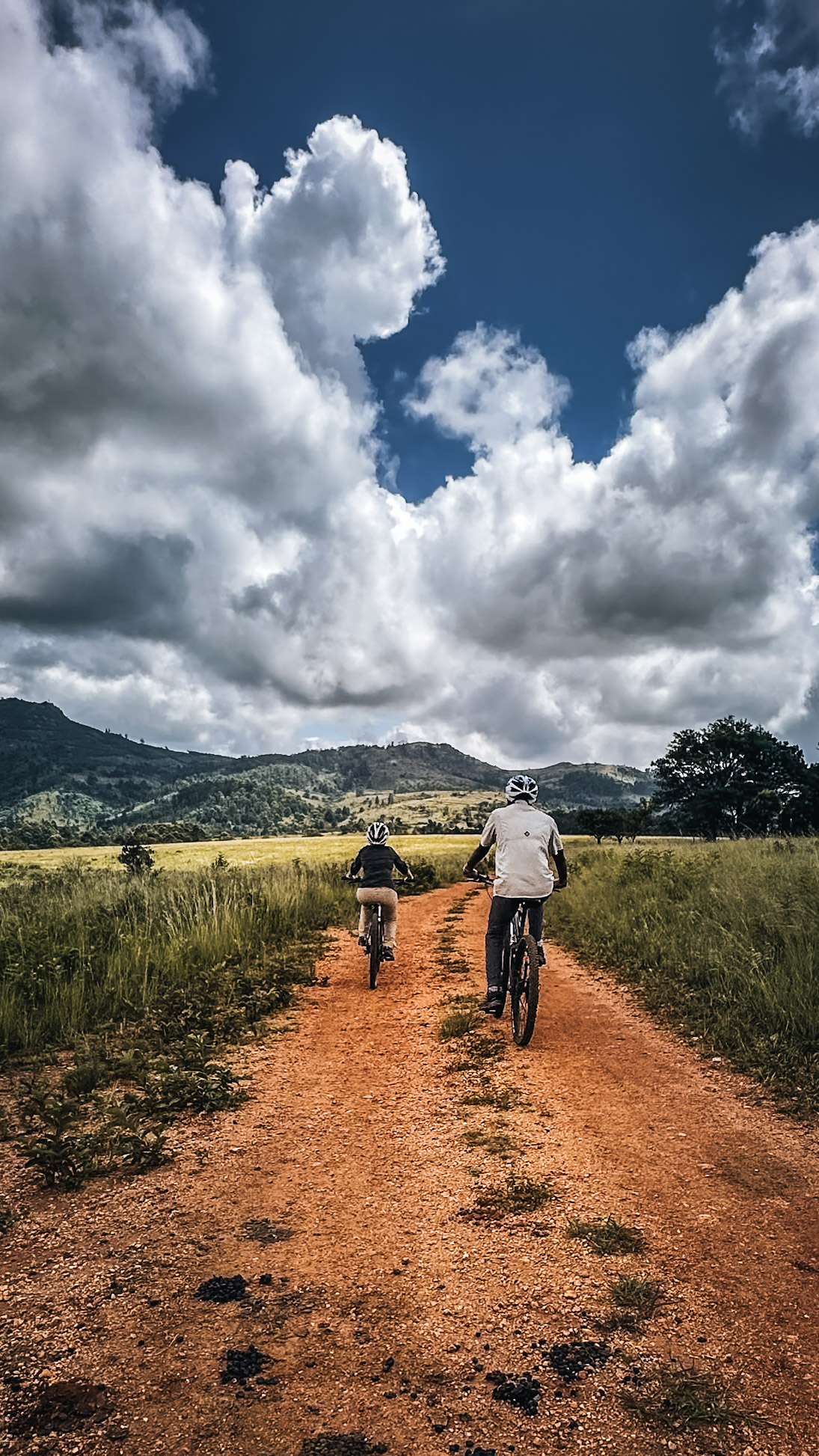
Eswatini defies its size. What it lacks in square kilometers, it makes up for in intensity: world-class safari reserves, sharp mountain scenery, living cultural practices, and genuinely warm people. Everything sits within a few hours’ drive. This isn’t a pit stop between destinations - it’s a complete Southern African experience compressed into one kingdom.
The kingdom’s compact size means you don’t waste time traveling between experiences. You experience genuine geographic and cultural diversity in days, not weeks. The people are patient with foreign visitors without being obsequious. The country seems to be developing tourism thoughtfully, preserving what matters while creating sustainable opportunities for local communities.
If you’re Dubai-based and craving authentic African travel that doesn’t require weeks off work, Eswatini is it. Three days here beats three weeks in more famous destinations. Fly Emirates, connect through Jo’burg, land in the capital, and experience a kingdom that still feels undiscovered. Go soon, while it’s still like this.
What’s the most unexpected travel discovery you’ve made? Tell me below. Thanks for reading. Lots of love,

Anki
More from this region
← Browse all Africa guides