Bali 5-Day Offbeat Retreat 2026 | Temples, Waterfalls & Local Experiences
Published on August 5, 2026
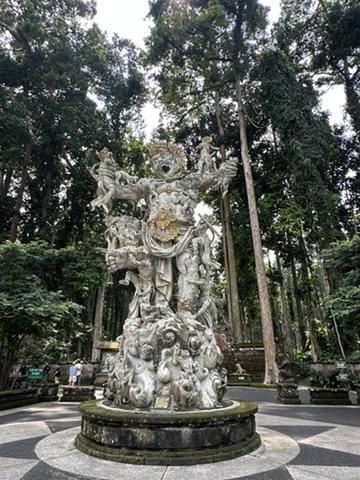
I went back to Bali for the second time.
The first visit was 2022 - I wrote a guide covering the main temples and Ubud. This time I came back knowing I’d missed things. The temples tourists don’t show up at. The actual waterfalls, not the Instagram ones. I messaged TravelNata before booking and told them exactly what I wanted: real places, no tourist script, someone who actually lives here. They got it immediately. No sales pitch. Just “yes, we can do that.” This guide covers five days in July with them. The temples we visited. The waterfalls we hiked to. Real information for people returning to Bali and wanting to skip the obvious stuff.
We hired Yana through TravelNata. He’s their guide in the Ubud area and he’s actually Balinese - from a village near there, and lives there now. That’s what matters. When someone owns the place instead of working a tourist job, they show you different things. They have relationships with locals. They know which temples are performing for tourists and which are actually functioning. This guide is about the second category.
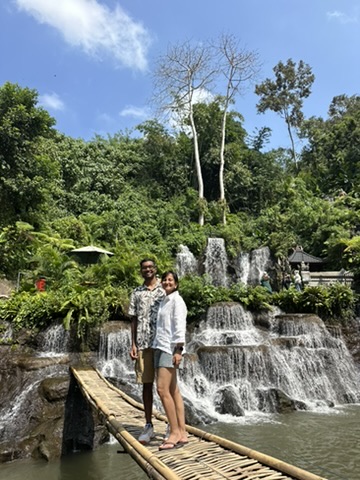
Visit their site if you’re interested.
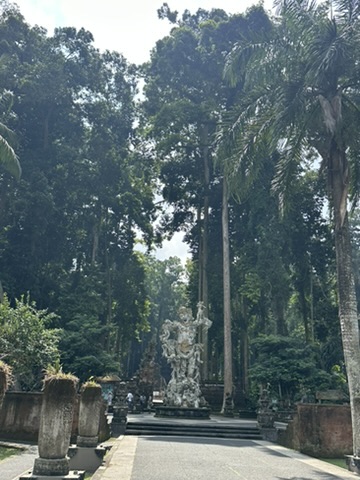
Their Best of Ubud 1-Day Tour covers similar territory to what I’m describing here!
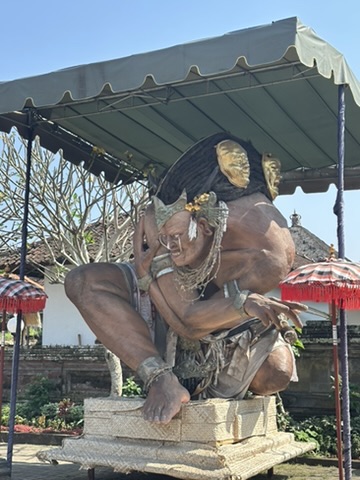
Day 1: Arrive & Meet Yana
Denpasar airport. Same chaos as before. Yana met me at the hotel - he was already there when I arrived, which I appreciated. No waiting around. He’s in his 30s, quiet, speaks English well but doesn’t over-explain things. Checked into a guesthouse in Ubud ($30/night). We didn’t do much the first day. Yana took me to a warung where he eats regularly—not somewhere he took me because it’s “authentic” but somewhere he actually goes. Gado-gado, satay, fresh juice. Yana knows the owner. They talked in Balinese. He asked what I wanted to see over the next few days and actually listened to the answer instead of pitching a pre-made itinerary. That’s the TravelNata difference—they customize based on what you actually want, not what they’ve packaged. Cost: $8 for dinner.
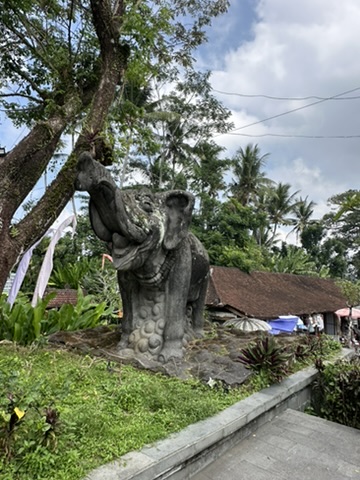
Day 2: Goa Gajah & Poh Wading Waterfall
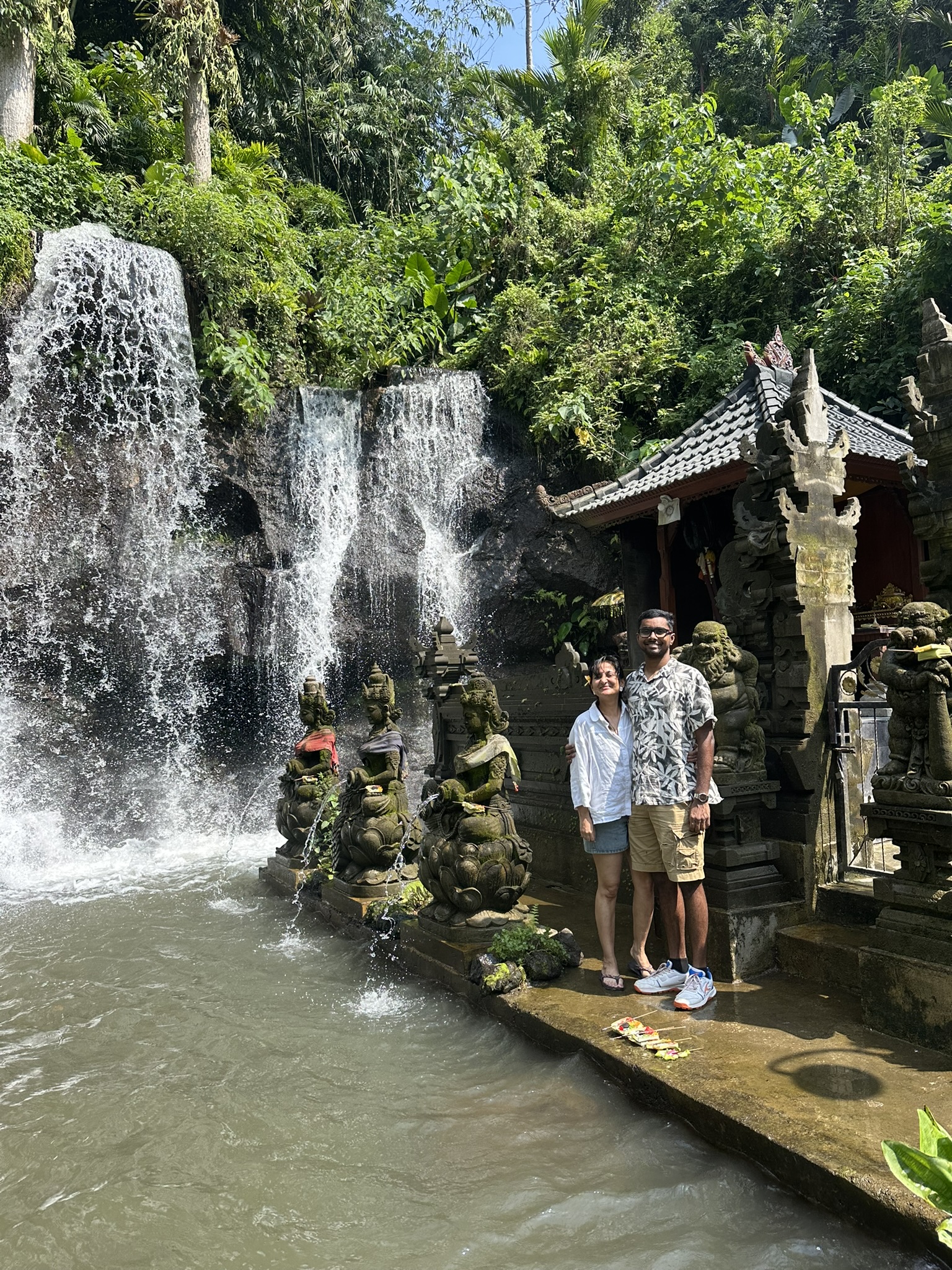
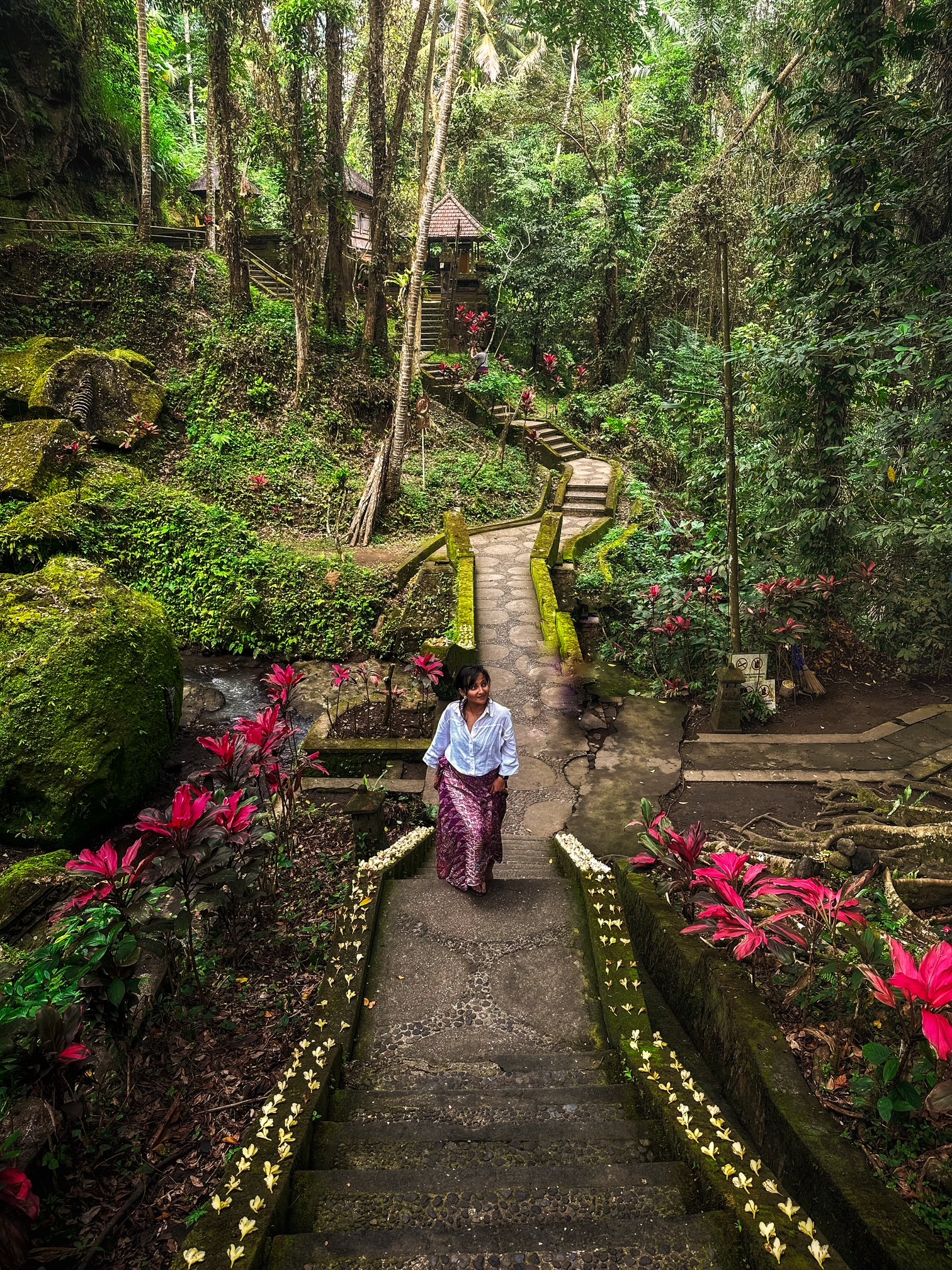
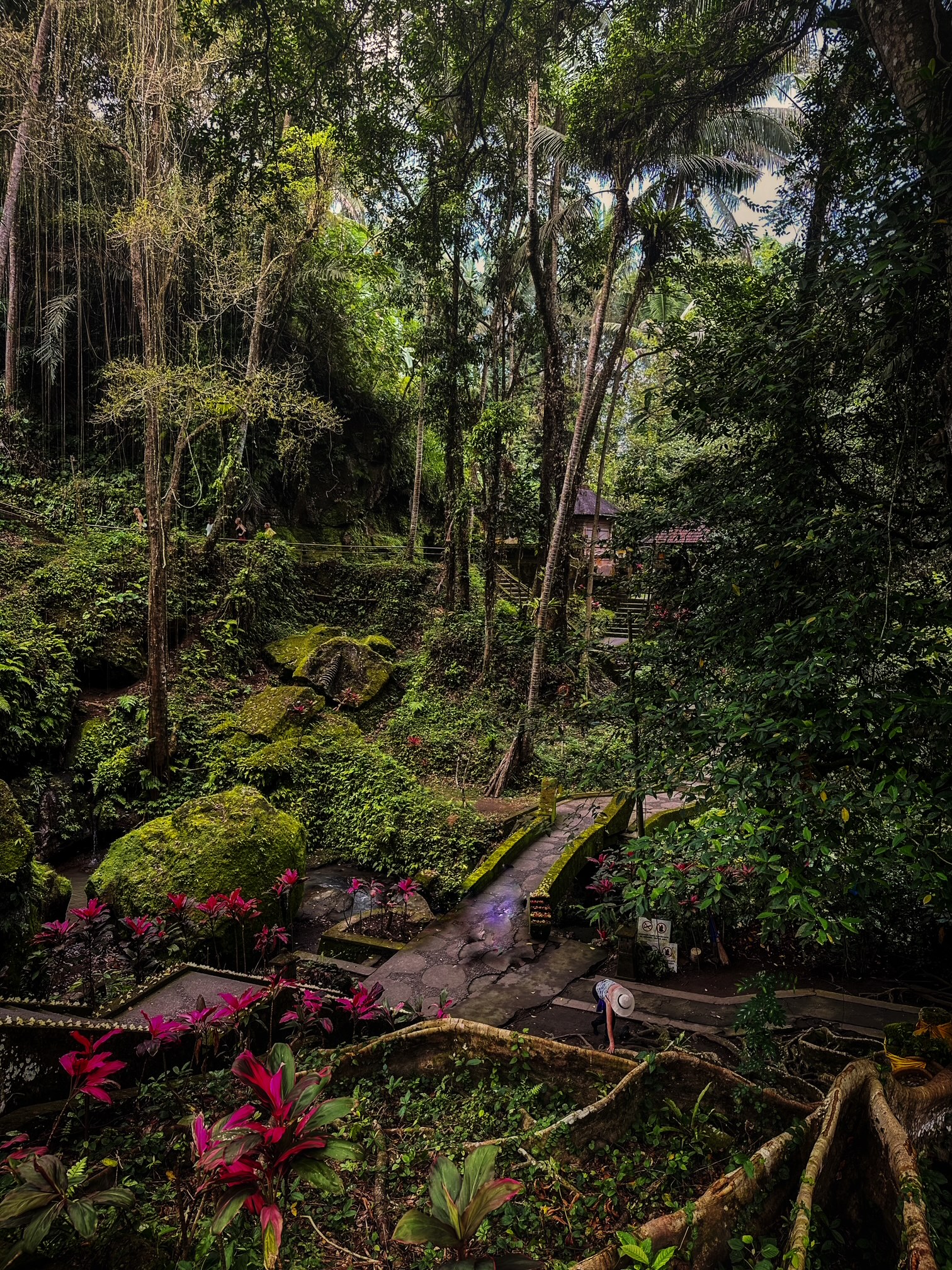
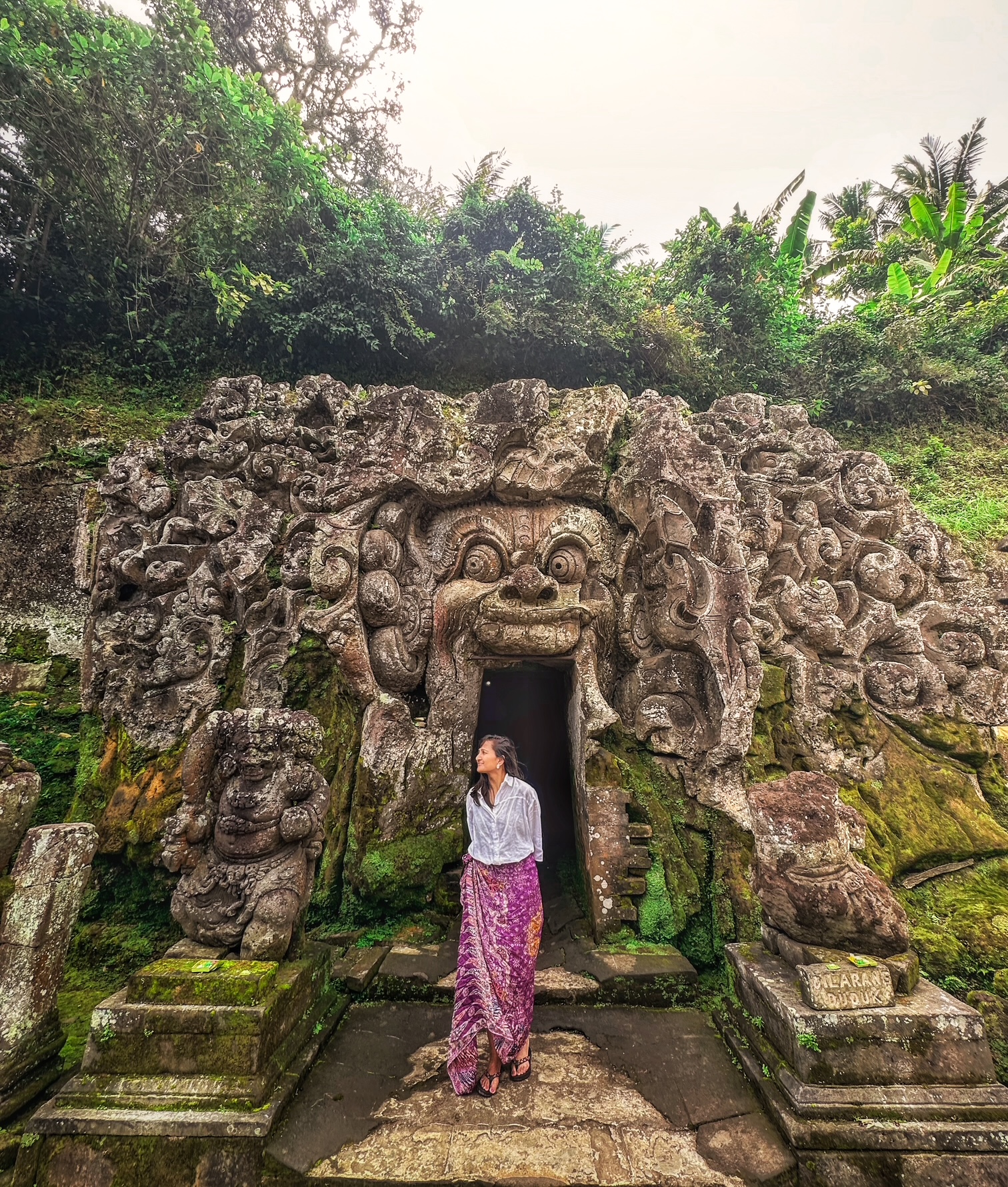
Yana picked me up at 6 AM. Goa Gajah (Elephant Cave) before crowds. We arrived when maybe 10 other people were there, all Balinese making offerings. Incense smoke. Rice and flowers on shrines. Yana didn’t lecture. He just explained what people were doing and why when I asked. The temple isn’t built for tourists—people actually pray here. We spent two hours walking slowly. Then straight to Poh Wading waterfall (about an hour drive). It’s not a famous one. Short hike down. The water was clear and quiet. Locals use this for purification rituals.
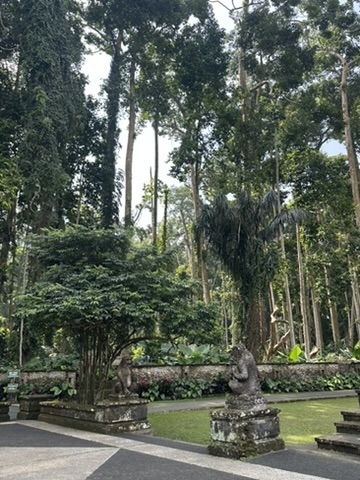
Day 3: Luhur Batukaru & Rice Terraces
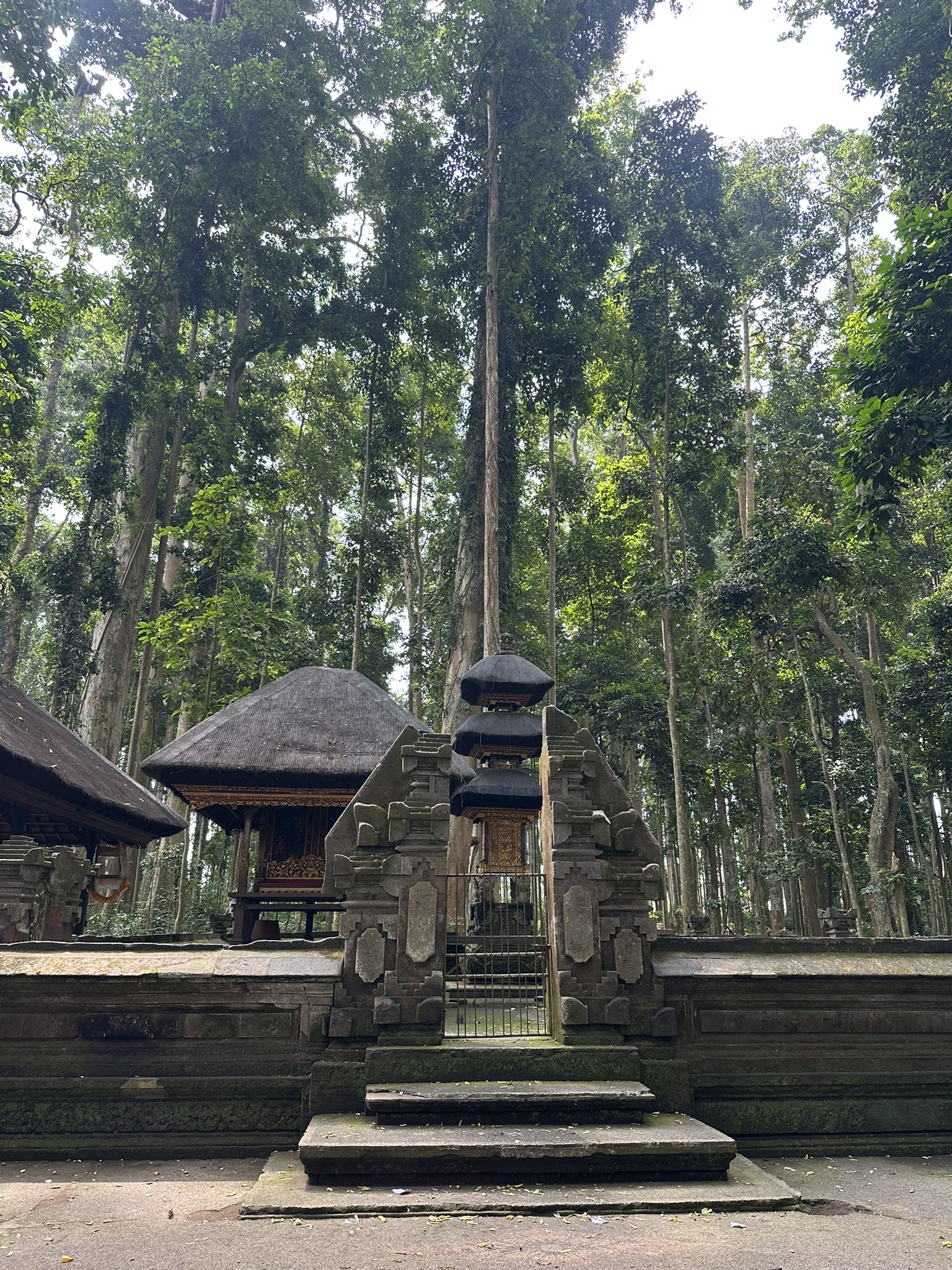
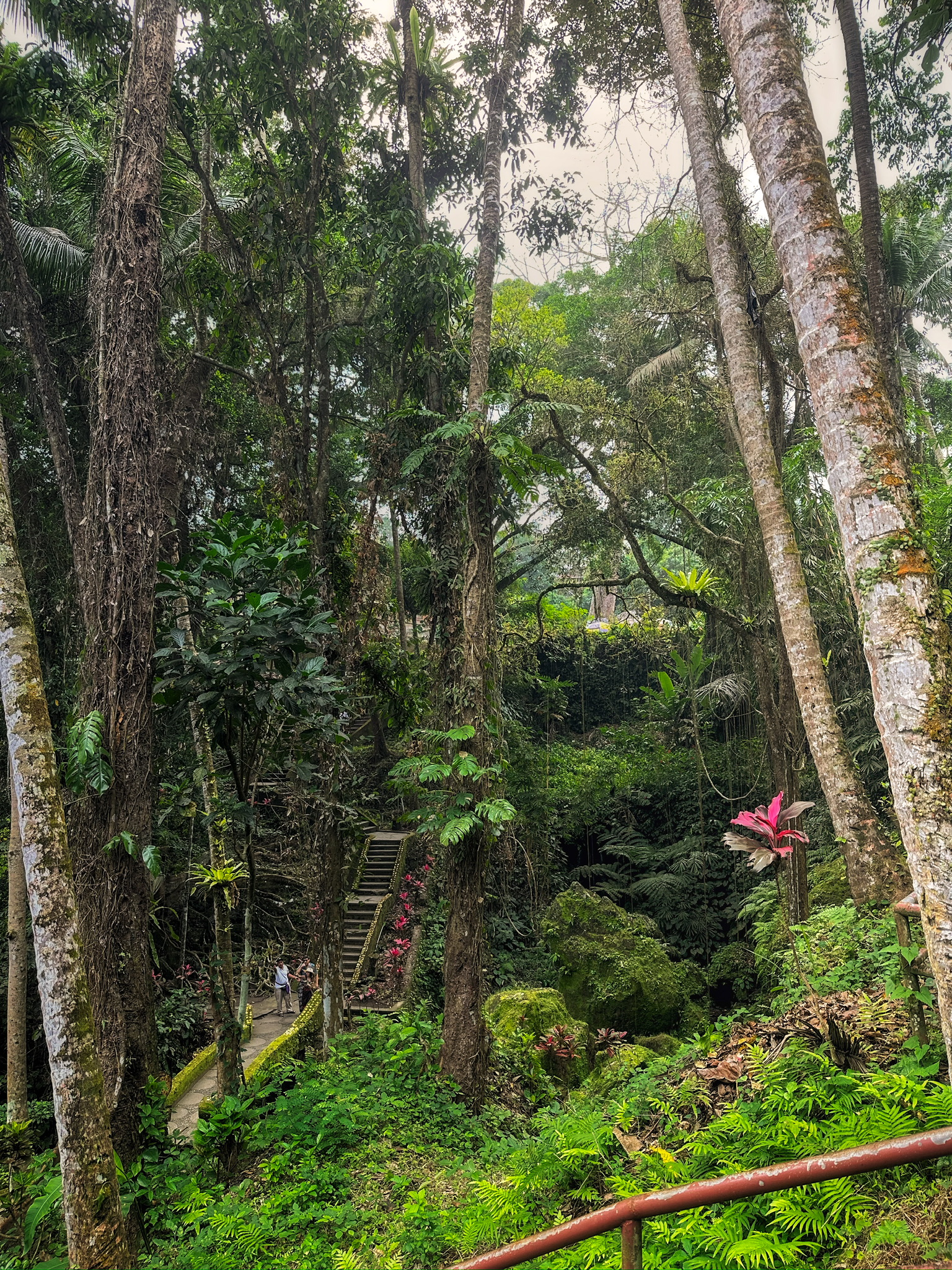
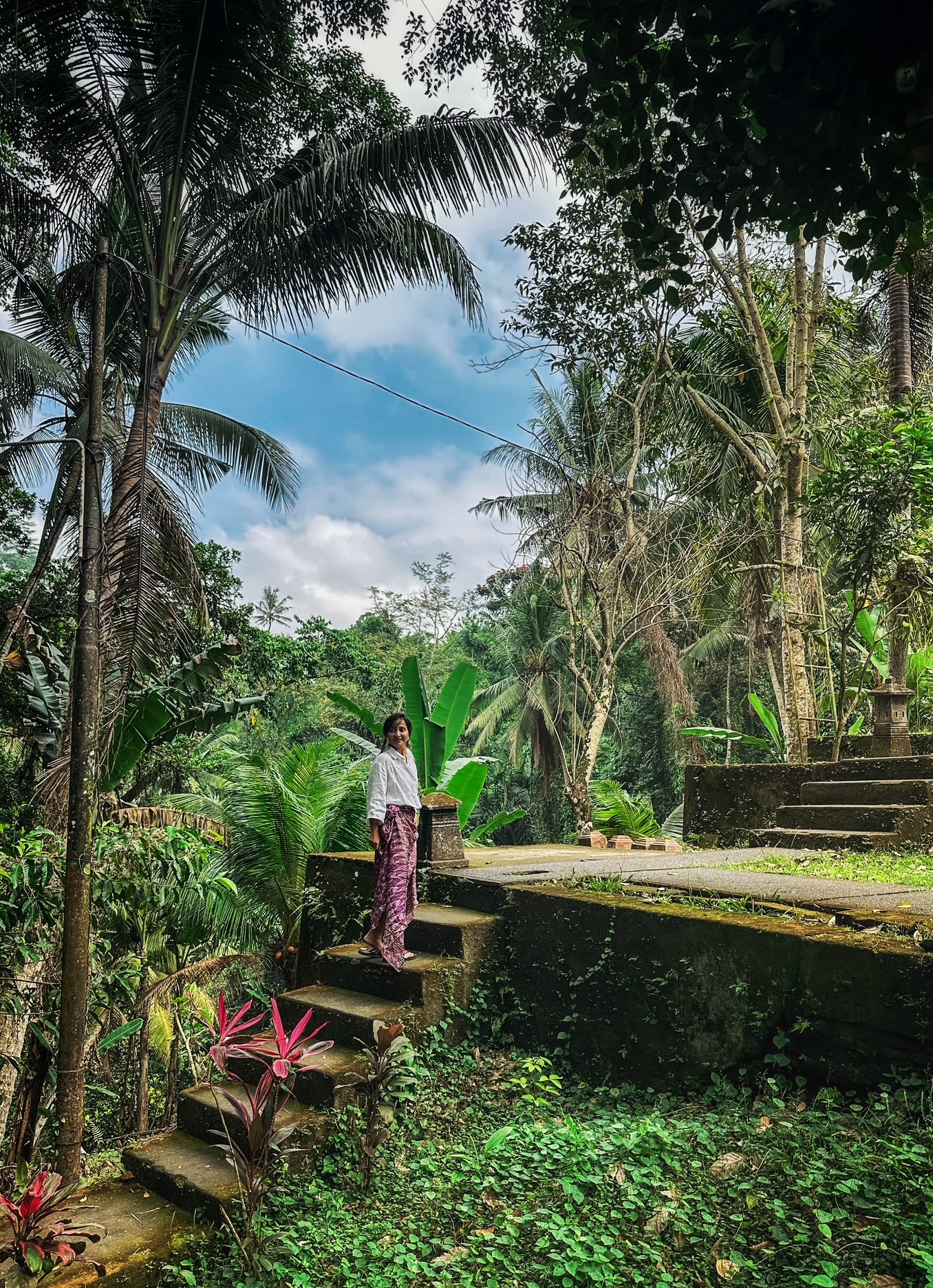
Full day trip. Yana drove us to Luhur Batukaru (about an hour, 1,700 meters up Mount Batukaru). The drive takes you through actual villages - not tourist spots. Real agriculture. Kids walking to school. Women working. Life that isn’t performing for anyone. The temple sits high. Multiple levels. Way fewer tourists here. Mostly Balinese locals praying. Yana explained the structure of the temples. The sacred water flows from the mountain. Used in ceremonies. You can feel the difference between this temple and Goa Gajah - this one functions primarily for locals, not tourists.
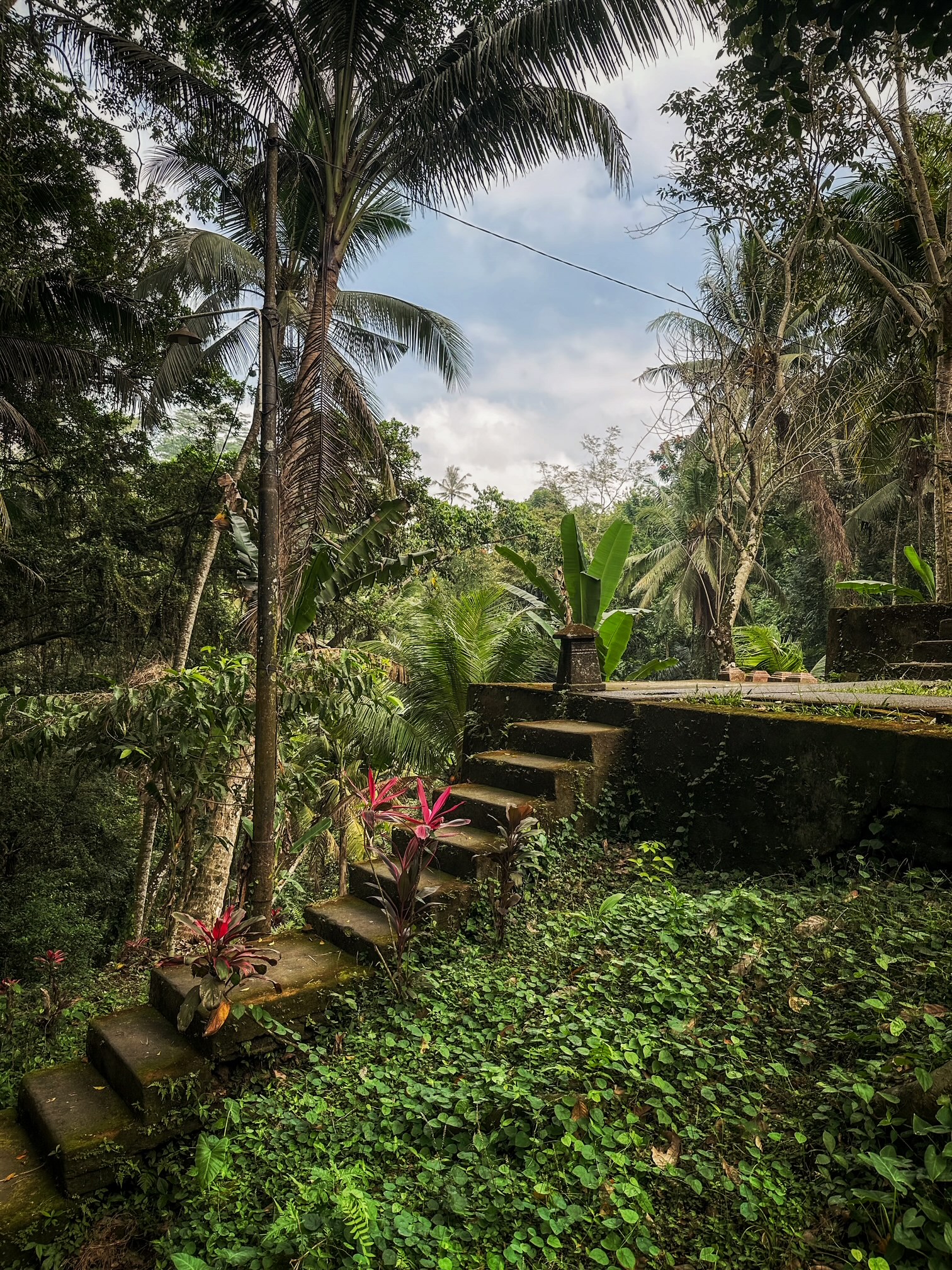
On the way back we stopped at rice terraces. Yana explained the irrigation system (ancient, still used), how rice connects to Balinese identity, why agriculture matters spiritually and practically. By evening I was properly tired. The kind of tired where you know you actually did something. Yana dropped me at the hotel and asked if I wanted to do the same tomorrow or try something different. That kind of attention to whether you’re actually enjoying the trip matters.
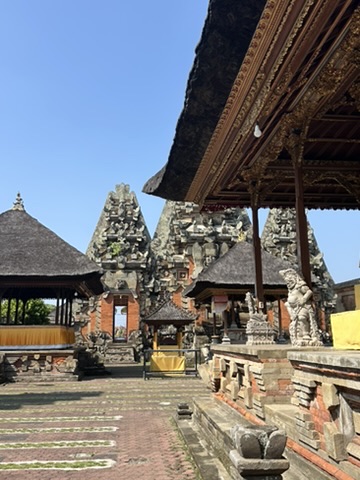
Day 4: Sumang Waterfall & Village
Half day. Yana knew Sumang all too well - it’s in a working village, not a tourist destination with cafes and souvenir shops. Just where people live. As we walked we chatted with locals. A man fixing his house. We swam with them. Sat on rocks while they went about their day. No one was performing. This is harder to arrange than it sounds. Most guides take you to places where locals have been replaced by tourist infrastructure. TravelNata can take you to actual villages. That’s the whole point.
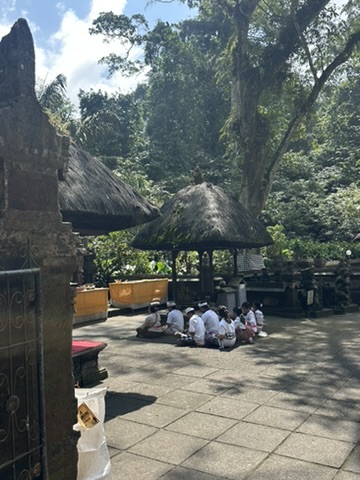
Day 5: Local Temple Ceremony & Depart
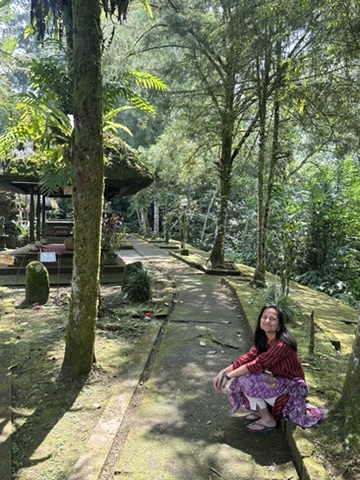
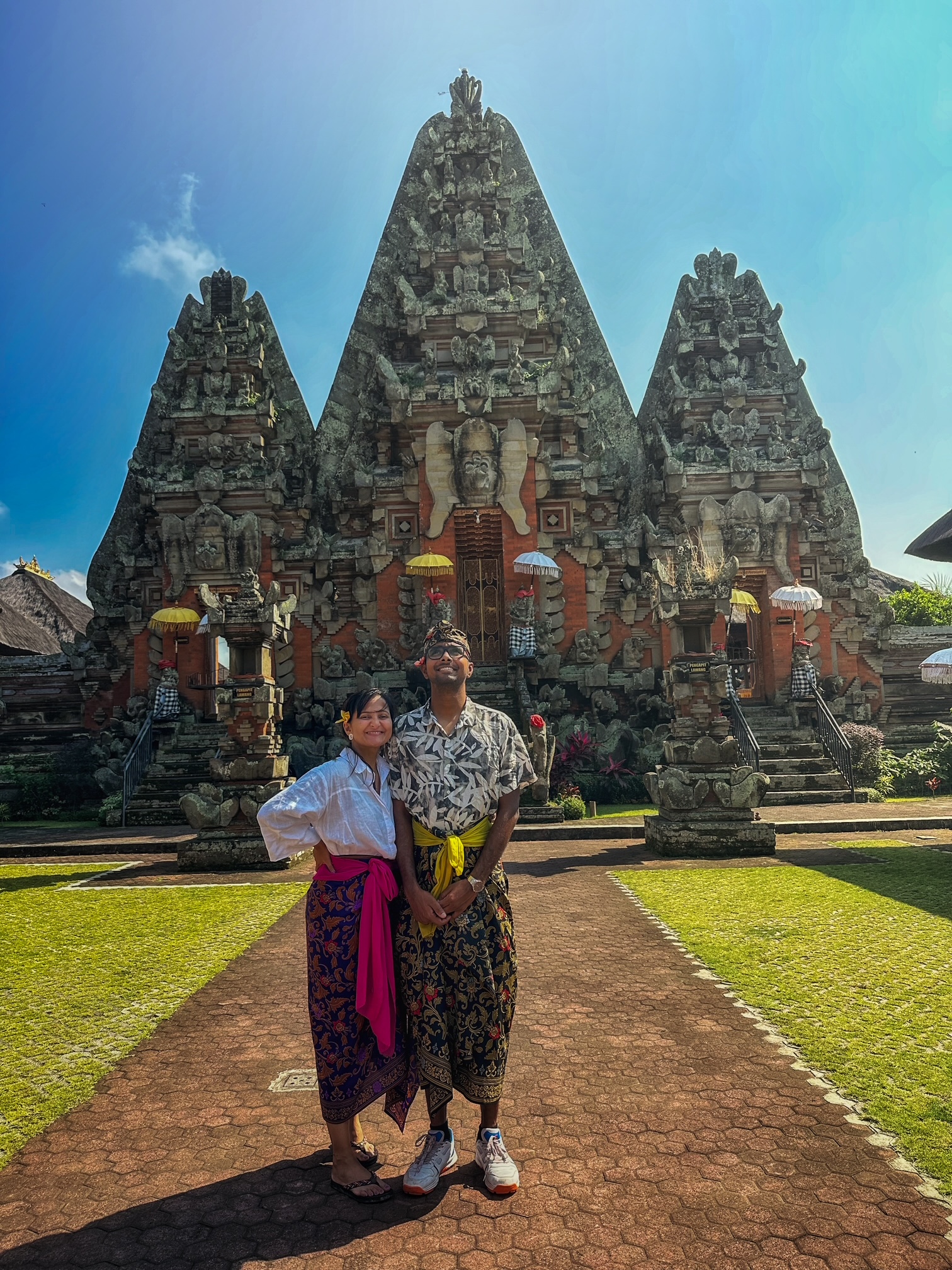
Yana checked what temple ceremonies were happening (Balinese calendar is lunar - things happen on specific dates). There was a small Odalan (temple anniversary) at a neighborhood temple. He had connections, arranged sarongs, explained what was happening without narrating constantly, and introduced us to people.
The ceremony was colorful. Music. Incense. Locals in traditional dress. Offerings. We sat in a courtyard for 20 minutes while prayers happened around us. That’s the actual experience.
Why TravelNata Actually Works
Most tour companies send you to places where the experience has been extracted for tourists. TravelNata is different because they’re Balinese-owned and their guides actually live in the areas they take you to, that was my initial impression when I was chatting with the owner, Andre.
Yana isn’t a tour guide who learned about temples from a manual. He prays at these temples. He knows the people. He knows which places are real and which are curated.
Their website is honest, they’re still growing, still building out their offerings. They have some structured tours like their this, but they’re also willing to customize based on what you actually want. You message them, tell them what you’re looking for, and they figure it out instead of forcing you into a pre-made package. The pricing is fair, depending on what you’re doing. I thought it was very reasonable for someone who knows what they’re doing and has actual relationships with communities. You’re not paying for marketing or corporate overhead. You’re paying for a local person’s time and knowledge.
Practical Things
Bring quick-dry clothes for waterfalls. Good hiking shoes. Sun protection. Modest dress in villages. Learn a few Indonesian words - people appreciate it. 1 USD ≈ 17,500 IDR. ATMs are easy to find in Ubud. Cash for small vendors. If you’re vegetarian, communicate clearly. Malaria isn’t a real concern in Ubud.
How to Book TravelNata
Visit https://www.travelnata.com. Browse their tours. If you know what you want, message them directly instead of going through the booking form - they’ll respond quickly and can customize.
Their Best of Ubud 1-Day Tour (https://www.travelnata.com/tour/best-of-ubud-1-day-tour-all-inclusive) is a good starting point if you want something structured. Or just tell them what interests you and they’ll figure out the itinerary. That’s how I booked - told them I wanted real temples and waterfalls in villages, and they delivered exactly that with Yana.
Related Reading: Travel to Bali Planning: A Tip to Bali in 2022
FAQs
Read your 2022 guide first?
If you’re visiting Bali for the first time, yes. This assumes you know the basics.
How do I book a guide like Yana?
Go to https://www.travelnata.com. Message them directly about what you want to do. Their Best of Ubud 1-Day Tour (https://www.travelnata.com/tour/best-of-ubud-1-day-tour-all-inclusive) covers similar ground, or they’ll customize based on your interests.
Is Bali still worth visiting?
Yes, if you approach it right. The tourist version is everywhere, but actual Balinese culture is still there if you have someone local showing you. A good guide helps you find that instead of the resort version.
Final Thing
I went to Bali twice. The first time I saw it. The second time I understood it. That’s just how repeat travel works… you can’t know something the first time. A local guide helps you find the actual place instead of the curated version. Yana through TravelNata helped me do that. If you’re going back to Bali, work with someone local. Ask them to take you somewhere real.
Visit https://www.travelnata.com and tell them what you want to understand. It is so worth it!
Thanks for reading.
Anki
More from this region
← Browse all Asia guides