5 Underrated Countries to Visit Instead of the Usual Tourist Destinations
Published on September 27, 2026
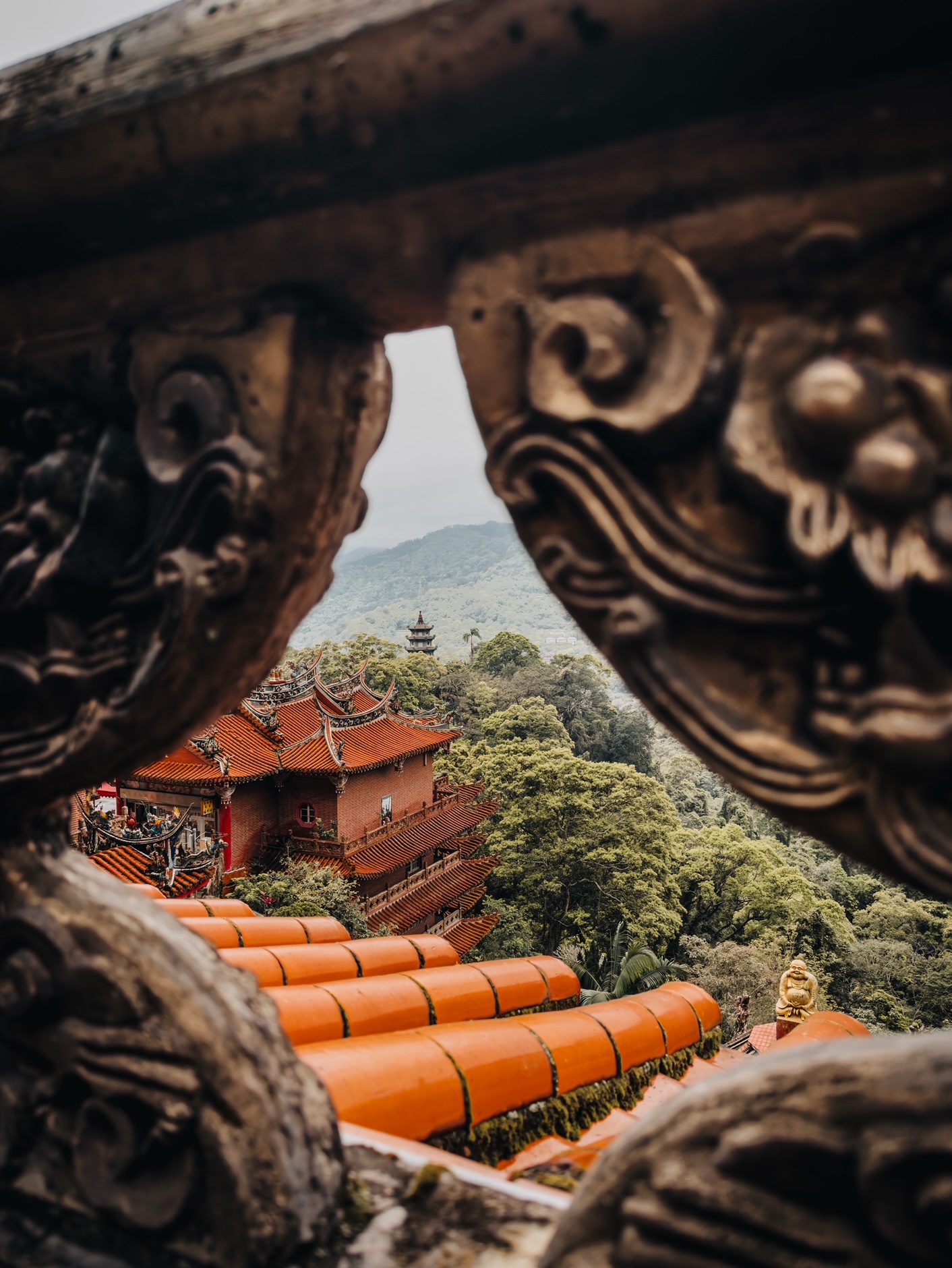
Five travel swaps to consider if you want to get outside the usual vacation script
There is absolutely nothing wrong with going to Japan. Or Seychelles. Or Bali. Or Peru.
I have been to all four. I enjoyed them. In fact, I have written about some of them because I genuinely think they are worth visiting.
But after traveling to 134 countries, I’ve started noticing something about the way we choose destinations.
Sometimes we aren’t choosing the place we are most curious about.
We are choosing the place we already know we are supposed to want.
You say you want East Asia, and Japan comes up.
You want an island holiday, and Seychelles or the Maldives comes up.
You want Southeast Asia, and Bali comes up.
You want South America, and Peru comes up.
Again, there is nothing wrong with any of these choices.
But there are 190+ countries in the world, and our mental travel maps are surprisingly small.
So I thought I’d do something slightly different.
Instead of giving you another list of “hidden gems” — a phrase that has now been used for approximately every country on the planet — here are five travel swaps I think are worth considering.
Not because these destinations are “better.”
Not because you need to avoid popular places.
And definitely not because I think traveling somewhere obscure makes you a more interesting traveler.
These are simply five countries I’ve visited that I think deserve a bigger place on the mental travel map.
At a glance: 5 underrated countries to consider
| Instead of | Consider | Why |
|---|---|---|
| Japan | Taiwan | East Asia with mountains, coast, cities, hot springs and a very different rhythm |
| Seychelles | Comoros | An Indian Ocean island experience that feels much less familiar |
| Bali | Timor-Leste | Southeast Asia with more adventure and less polish |
| Maldives or Mauritius | São Tomé and Príncipe | Tropical islands, rainforest, wildlife and history |
| Peru | Guyana | South American wilderness, rainforest and wildlife |
If you’re looking for genuinely unusual countries to visit, these five are a good place to start.
And if you want more ideas, you can browse all of my Wayfarer Footprints destination guides, where I share itineraries and travel guides from more than 100 countries.
1. Instead of Japan, consider Taiwan
Let’s get this out of the way first.
Japan is fantastic.
I’ve been there. I understand the obsession. Tokyo, Kyoto, the trains, the temples, the mountains, the food, the efficiency, the tiny details everywhere you look.
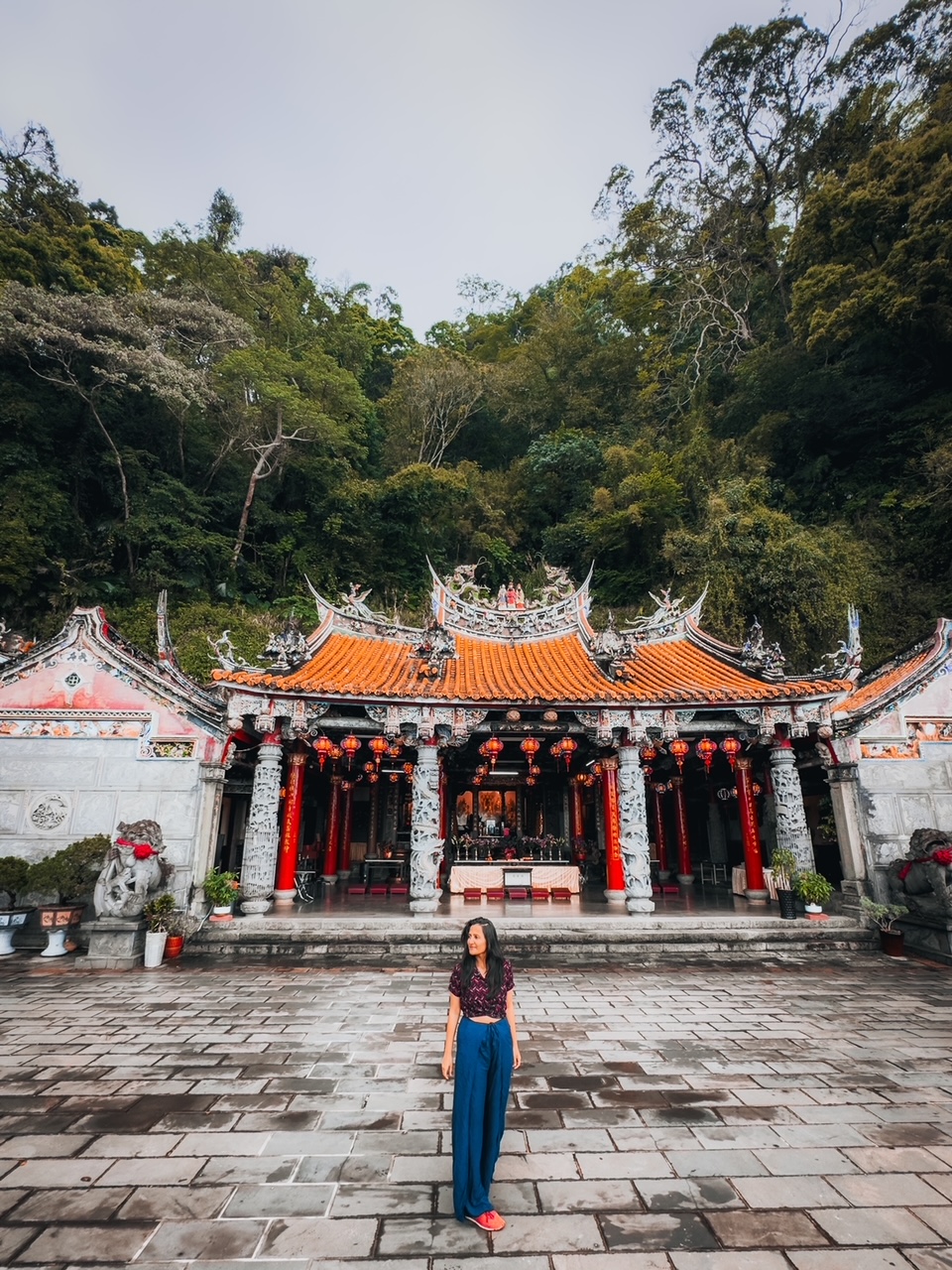
But I also think Taiwan gets overlooked by travelers who have already decided that their East Asia trip has to be to Japan.
And Taiwan is not a substitute for Japan.
That’s actually why I like it.
It has its own personality.
Taiwan gives you the big-city energy of Taipei, but you can also be in the mountains, on the coast, in a hot spring town or wandering through a much quieter landscape surprisingly quickly.
The Taiwan Tourism Administration actively promotes the country’s mountains, coastline, hot springs, cycling routes, rail journeys, eastern regions and offshore islands, which gives you a sense of just how much more there is to the country than Taipei.

I spent six days in Taiwan, and one of the things I liked most was how easy it was to combine completely different experiences.
You can have a proper city break.
You can hike.
You can visit temples.
You can explore night markets.

You can take scenic train journeys.
You can disappear into the mountains.
You can even build a trip around the east coast or offshore islands if you have more time.
And unlike some destinations where you feel like you need to plan every second six months in advance, Taiwan can still feel pleasantly spontaneous.
My Taiwan travel guide
I’ve already written a full 6-Day Taiwan Itinerary: Cherry Blossoms, Temples and Night Markets on Wayfarer Footprints, including what I saw, how I structured the trip and practical travel information.
If you’re planning a first trip, I’d use Taipei as a starting point rather than the entire trip.
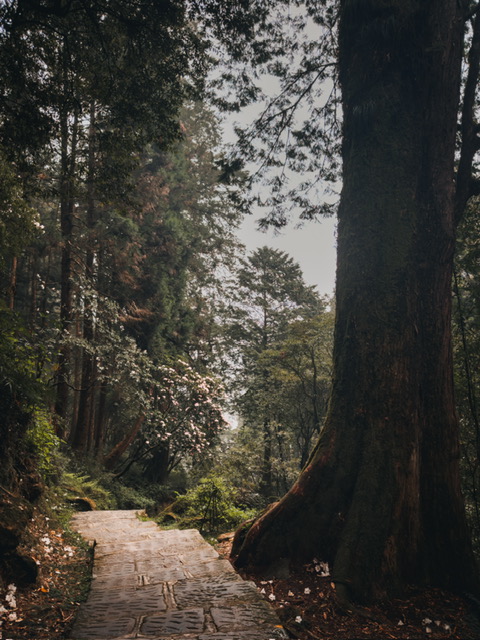
That distinction matters.
Taiwan gets much more interesting once you leave the capital.
Why consider Taiwan instead of Japan?
Because sometimes what you actually want isn’t “Japan.”
You want East Asia.
You want good infrastructure.
You want culture, cities, mountains and nature.
You want somewhere that feels different.
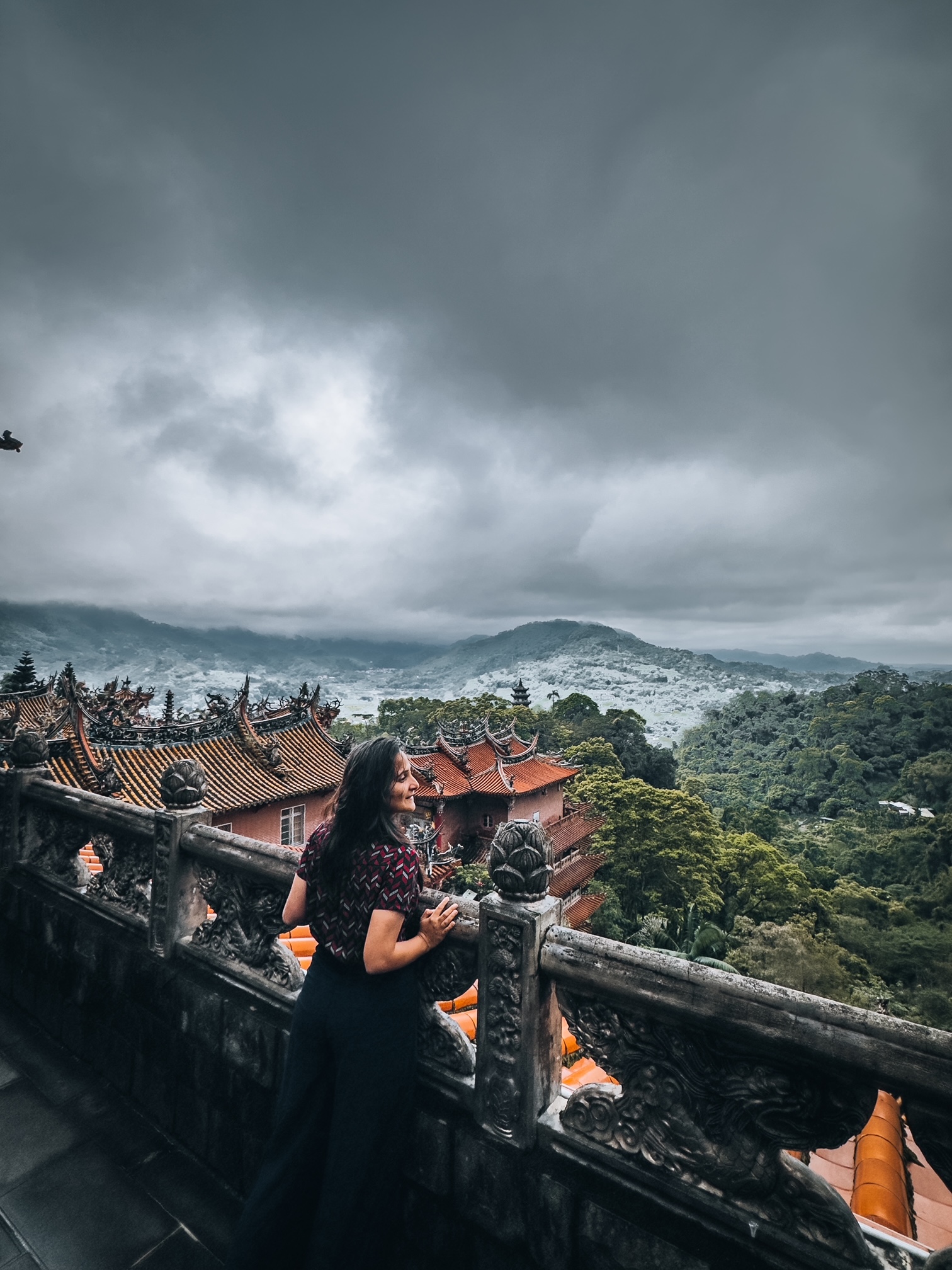
Those are not necessarily the same thing.
How long do you need in Taiwan?
I’d recommend at least 7–10 days for a first trip.
Six days is enough for a shorter introduction, but if you want to properly explore beyond Taipei, give yourself more time.
Best for
Travelers who want East Asia but don’t necessarily want to follow the most obvious East Asian itinerary.
2. Instead of Seychelles, consider Comoros
This is the kind of destination that makes me love looking at maps.
Because you probably know where Seychelles is.
You may have even been there.
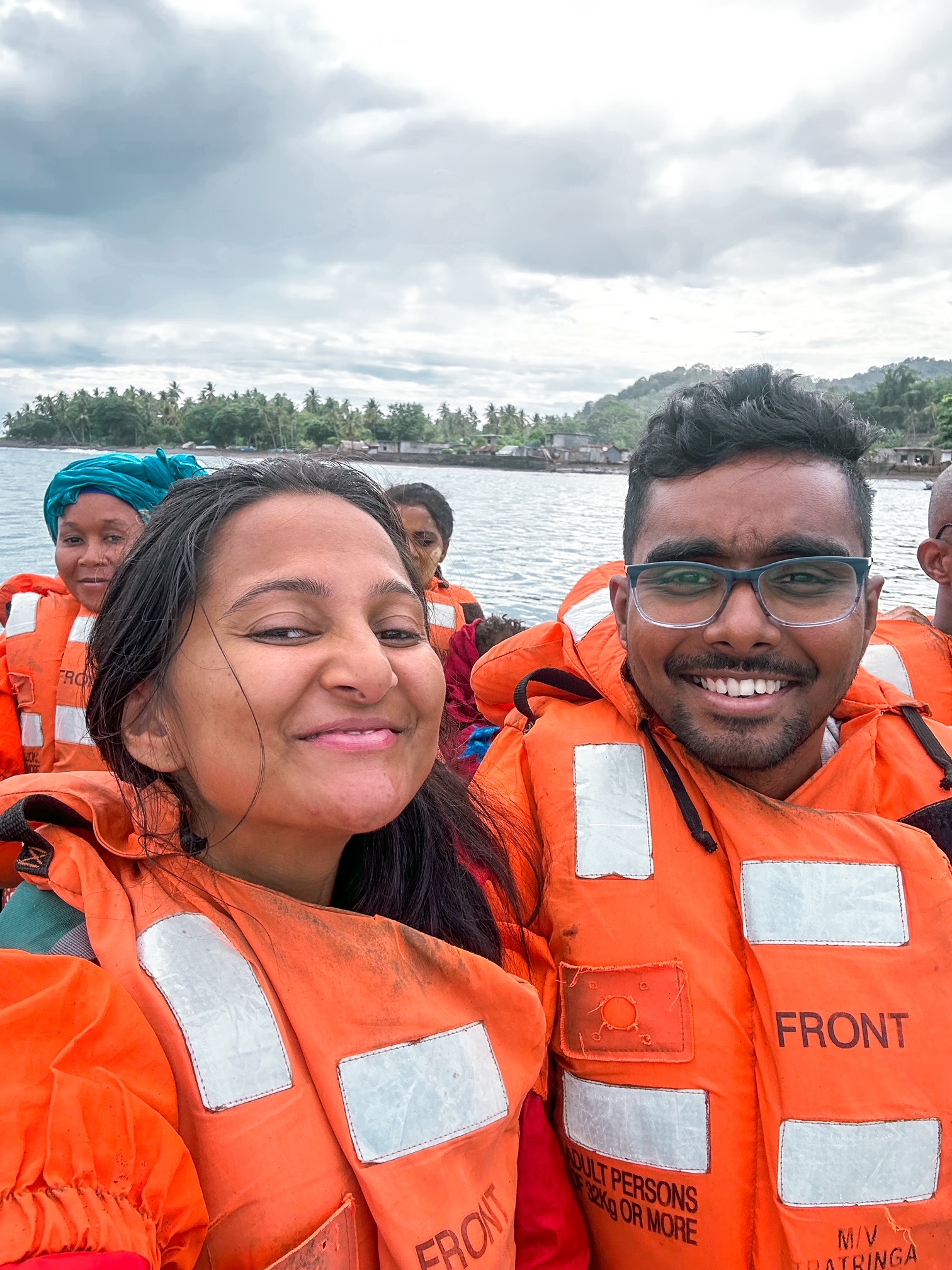
But ask someone where Comoros is and there is a reasonable chance they will need Google Maps.
The Union of the Comoros is an archipelago in the Indian Ocean, between Madagascar and the African mainland.
And it is very different from the polished island holiday that most people picture when they hear Seychelles.
That isn’t a criticism of Seychelles.

Seychelles is beautiful.
Comoros simply gives you something else.
It feels much more like you’re traveling through a country than checking into an island resort.
There are volcanic landscapes, coastline, villages, markets, mosques and local communities. The islands are tropical and beautiful, but the experience is much less packaged.
And I think that distinction matters.
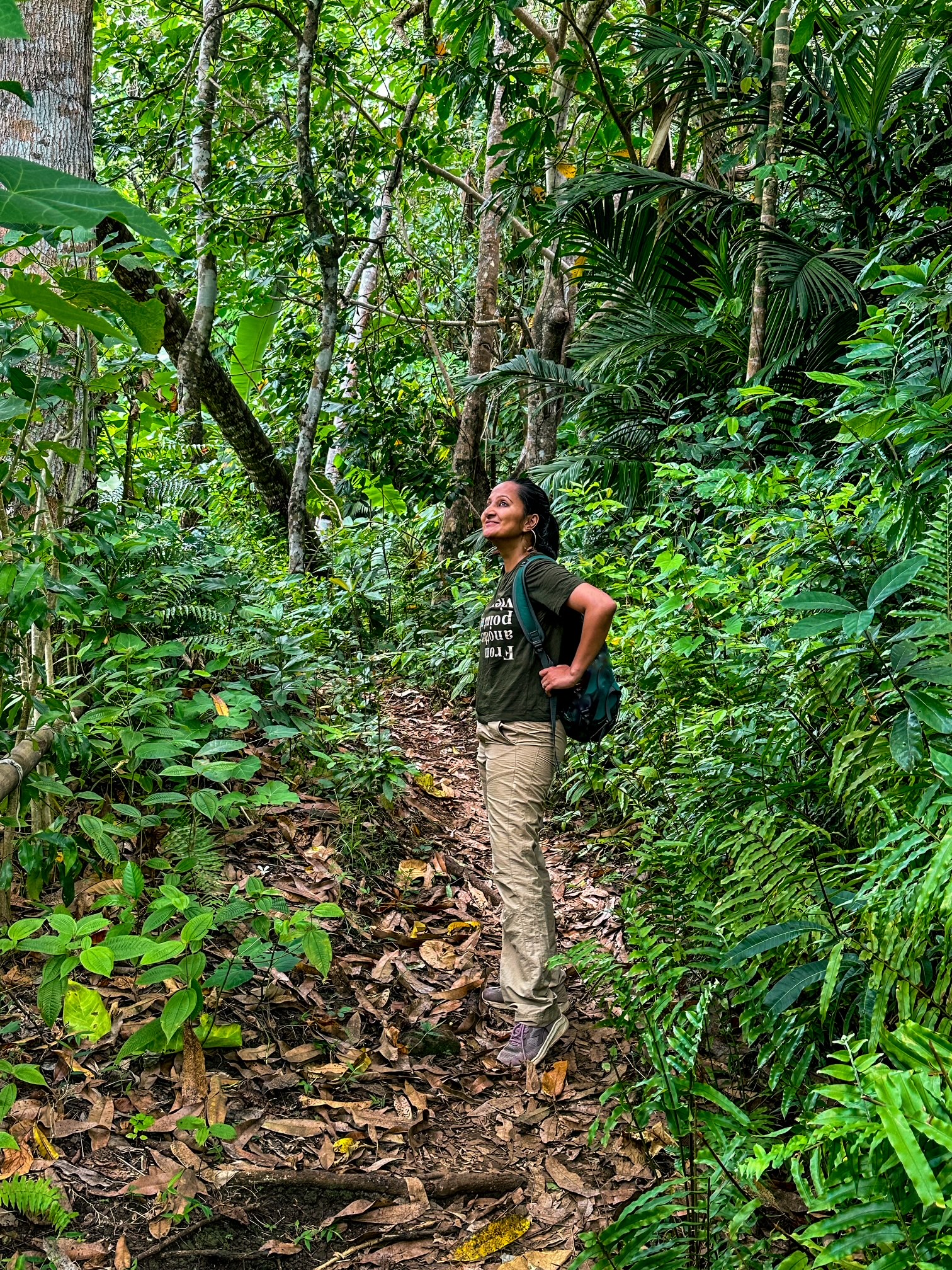
Because sometimes we say we want a “beautiful island destination” when what we actually mean is:
“I want somewhere beautiful that doesn’t feel exactly like the last beautiful island I saw on Instagram.”
Comoros scratches that itch.
It is also a good reminder that Africa is not one travel experience.
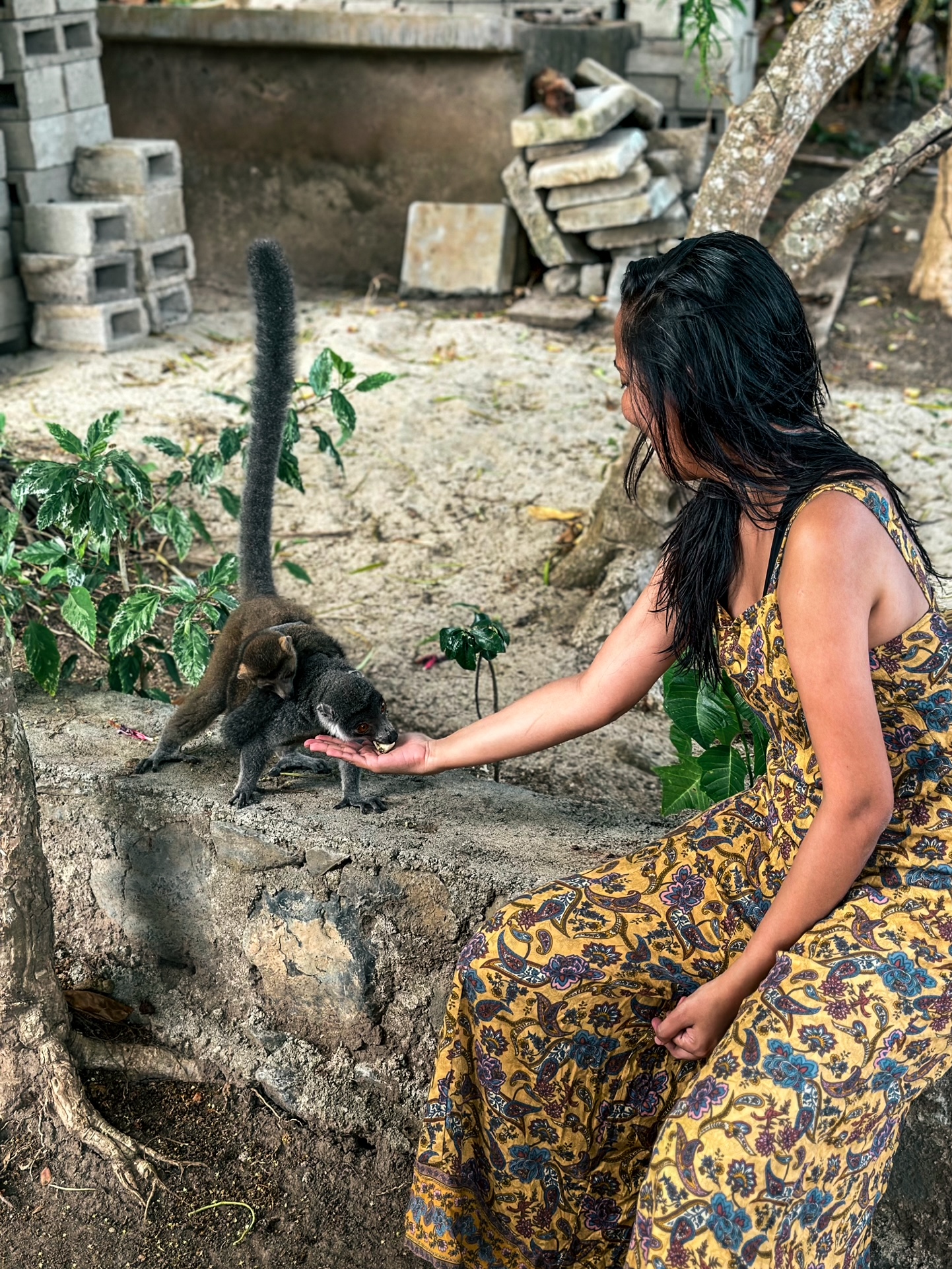
I’ve now visited 41 African countries, and the more of the continent I see, the less useful the word “Africa” becomes as a description of a trip.
A safari in Kenya is Africa.
The Sahara in Algeria is Africa.
The Congo Basin is Africa.
An island chain in the Indian Ocean with a completely different cultural and geographic identity is also Africa.

You really cannot put all of that in one box.
Is Comoros easy to travel?
It is not the kind of destination I would recommend if your priority is completely seamless tourism infrastructure.
That is part of the trade-off.
You need to do more planning, allow for things not always running exactly to schedule and approach the trip with a little flexibility.
For me, that’s not a deal-breaker.
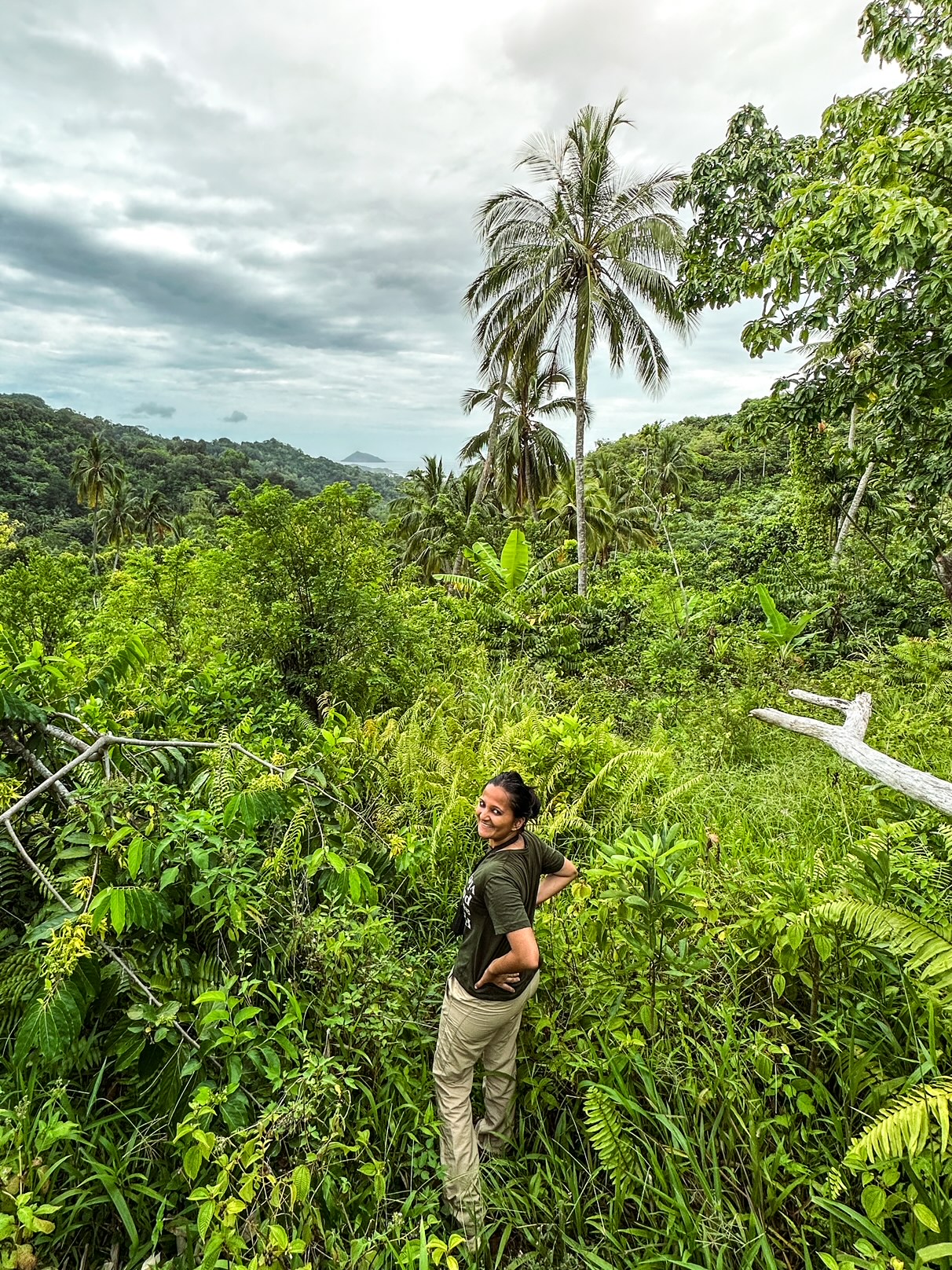
For someone looking for a five-star resort holiday where every transfer happens precisely when it should, it might be.
How long do you need in Comoros?
I’d allow around 5–7 days for a first trip, and longer if you want to explore more than one island at a relaxed pace.
Best for
Travelers who want an Indian Ocean island experience but are more interested in discovering a place than staying inside a resort bubble.
More Wayfarer Footprints Africa guides
If Comoros has made you curious about traveling beyond the usual African destinations, browse my Africa travel guides.
I’ve written about destinations including Gabon, Cameroon, Mauritius and Morocco, among others.
3. Instead of Bali, consider Timor-Leste
This is probably the most obvious “why didn’t I think of that?” swap on this list.
Because Bali isn’t the problem.
Bali is actually one of my favorite places.
I avoided it for years because I was convinced the crowds would drive me mad. Then I finally went, planned the trip around the places I genuinely wanted to see and ended up having an incredible time.
I’ve written about that trip here: 6-Day Bali Itinerary: Ubud, Waterfalls, Temples and Mount Batur.
So I’m not here to tell you Bali is overrated.
It isn’t.
But Bali is also not the only Southeast Asian island.
Timor-Leste sits at the eastern end of the Indonesian archipelago and offers a very different kind of Southeast Asian experience.
It is younger as a tourism destination.
Tourism infrastructure is more limited.
You have to do more homework.
And you will occasionally have to accept that things don’t work quite as smoothly as they would in Bali.
But that’s also what makes it interesting.
You can explore Dili, travel along the coast, snorkel and dive, head into the mountains and spend time in places where tourism hasn’t completely dictated what the visitor experience is supposed to look like.
There is something I find refreshing about arriving somewhere and your first question being:
“How does this place actually work?”
rather than:
“Which Instagram-famous beach club are we going to?”
Timor-Leste’s customs authority currently states that tourists can generally obtain a visa on arrival, subject to the relevant entry requirements, with a US$30 visa fee. Always check the current rules for your passport before traveling.
Is Timor-Leste difficult to travel to?
It can be.
But I think this is where people sometimes confuse “less developed tourism infrastructure” with “not worth visiting.”
Those are not the same thing.
Timor-Leste isn’t Bali.
It isn’t trying to be Bali.
And if you’re willing to trade some convenience for a more unusual trip, that’s exactly the reason to consider it.
How long do you need in Timor-Leste?
I’d allow 7–10 days for a first trip.
That gives you enough time to see more than Dili and actually experience some of the country’s landscapes.
Best for
Travelers who like Southeast Asia but want something less polished, less predictable and more adventurous.
One important reality check
Don’t book Timor-Leste because you want Bali without the tourists.
Book it because you want Timor-Leste.
That distinction will make the trip considerably more enjoyable.
4. Instead of Seychelles, Mauritius or the Maldives, consider São Tomé and Príncipe
Okay, I know I already used Seychelles.
But this is a slightly different island swap.
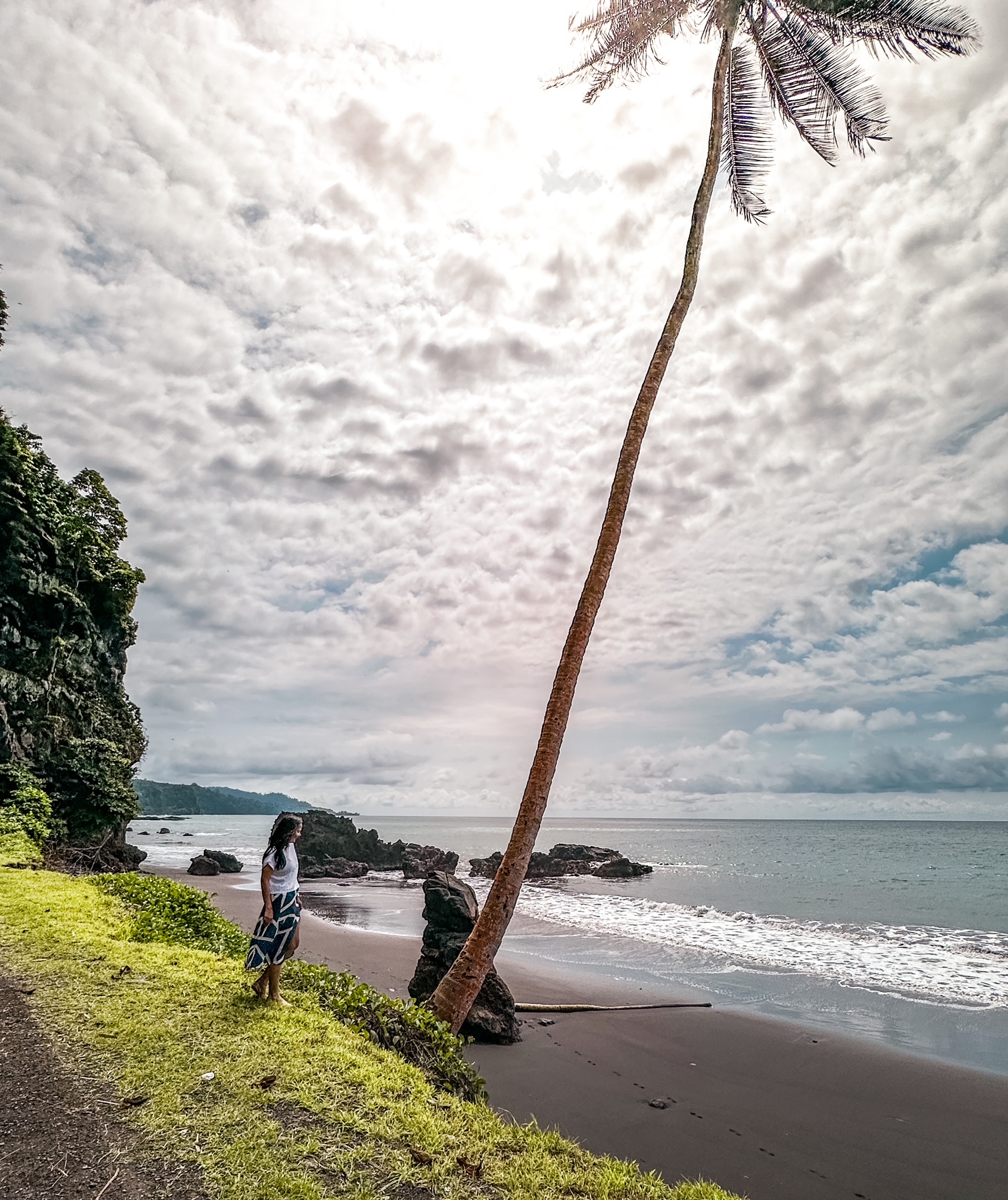
Because São Tomé and Príncipe are not simply another tropical beach destination.
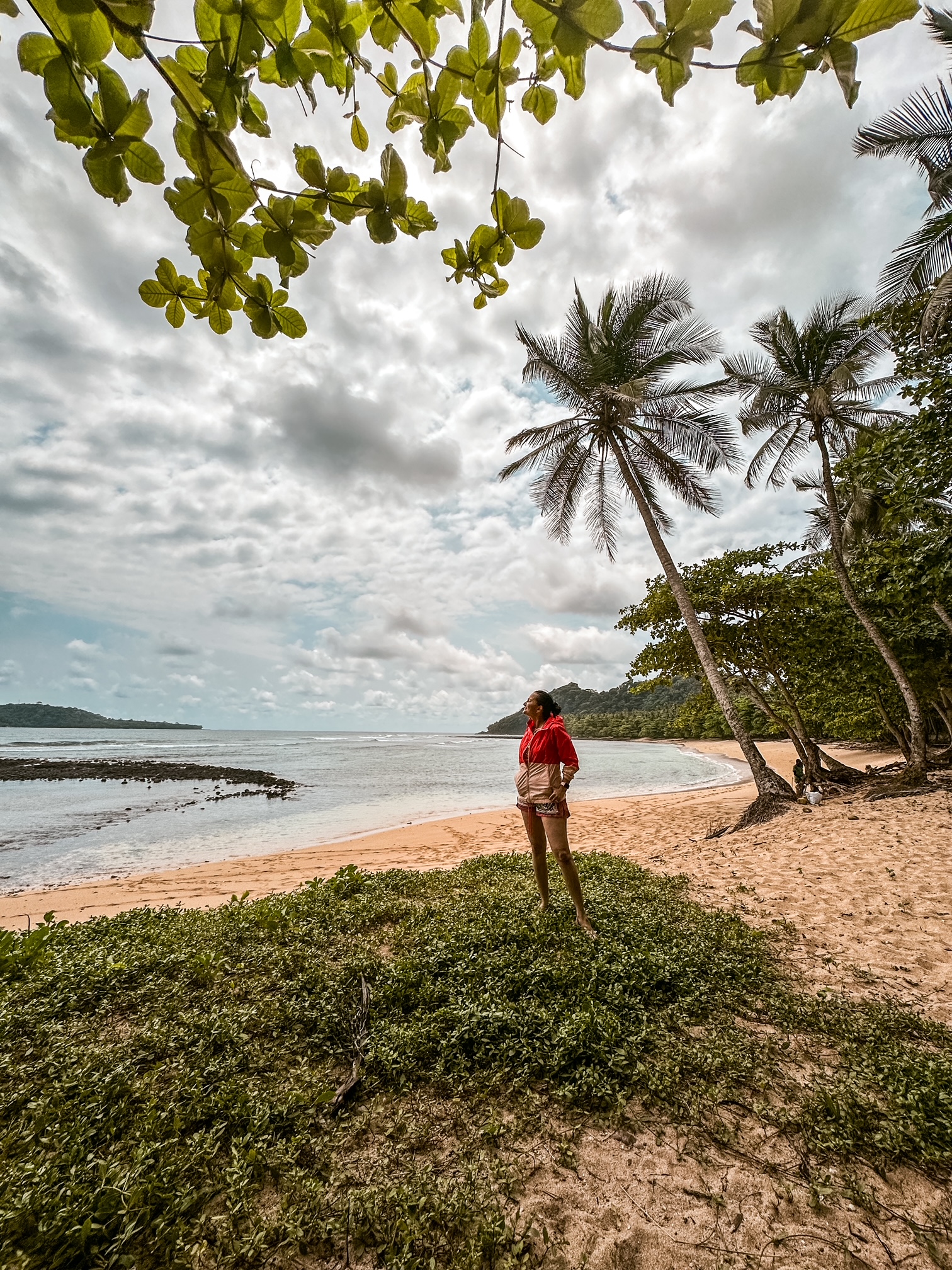
It is an entire travel category of its own.
This is one of those countries that becomes increasingly interesting the more you look into it.
You have two main islands.
You have a tropical forest.
You have volcanic landscapes.
You have beaches.
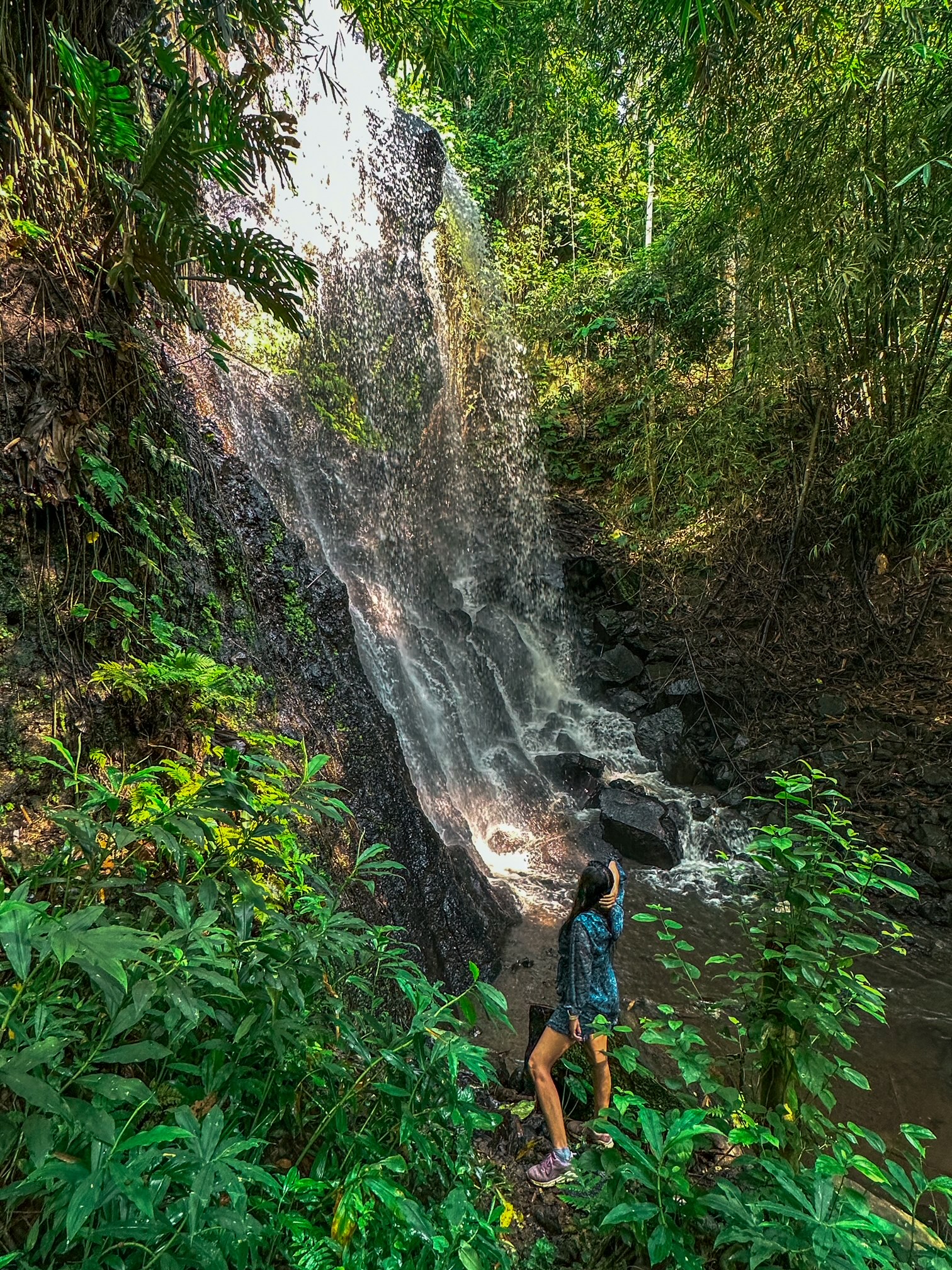
You have wildlife.
You have hiking.
You have historic Portuguese plantation estates known as roças.
And you have Príncipe, which feels like the kind of place that people discover and then immediately want to keep slightly to themselves.
The official tourism authority highlights the country’s forests, biodiversity, beaches, hiking, wildlife, snorkeling, diving, boat trips and historic roças.
But what I like most about São Tomé and Príncipe is that it doesn’t feel like it is desperately trying to become the next Maldives.
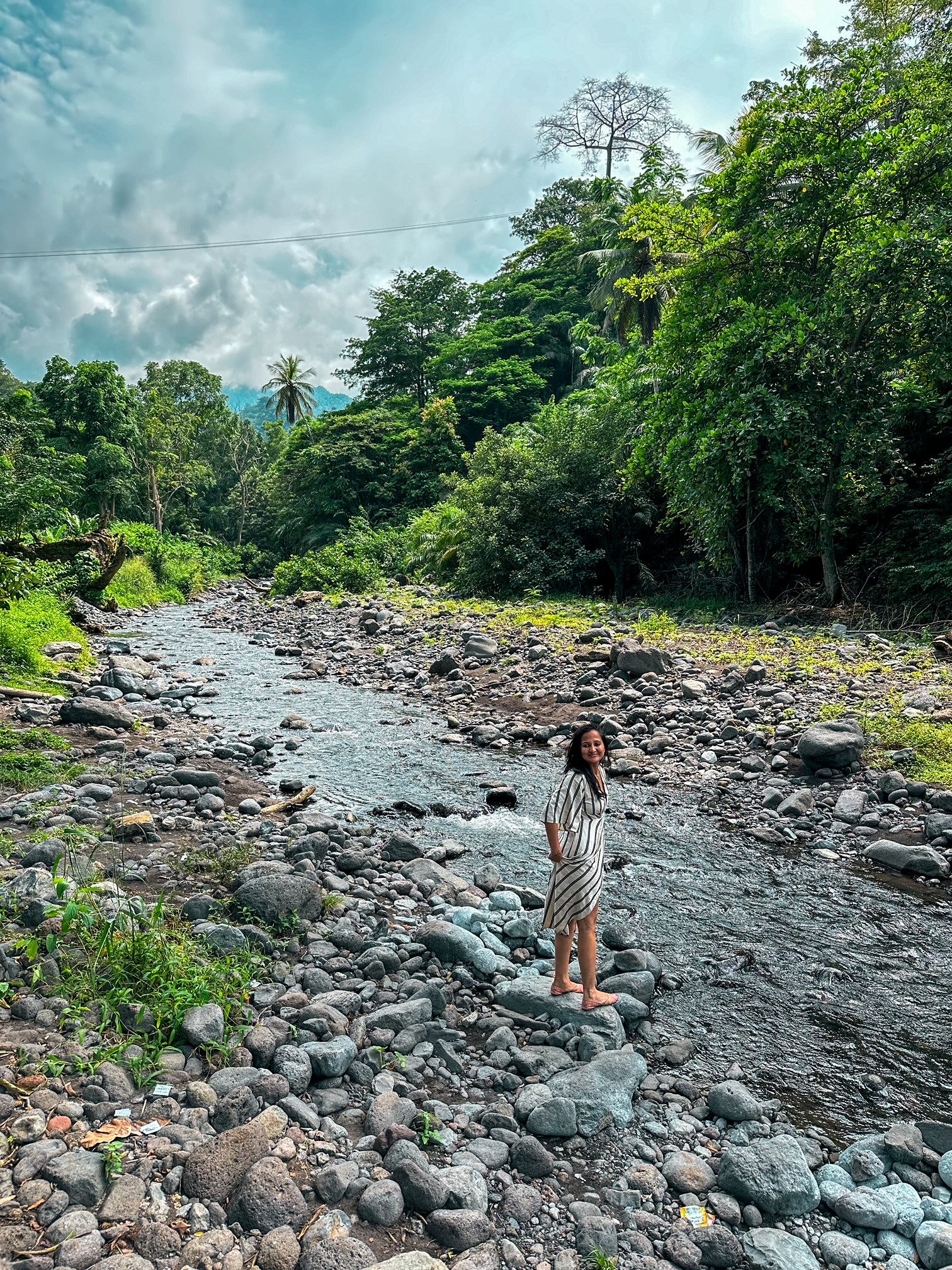
It has its own identity.
And I don’t need every beautiful island to be turned into a luxury resort before I decide it is worth visiting.
In fact, sometimes I’d rather see the place before that happens.
Why São Tomé and Príncipe?
Because it works particularly well if you don’t want to choose between an island holiday and an adventure trip.
You can spend part of your time doing very little.
You can hike.
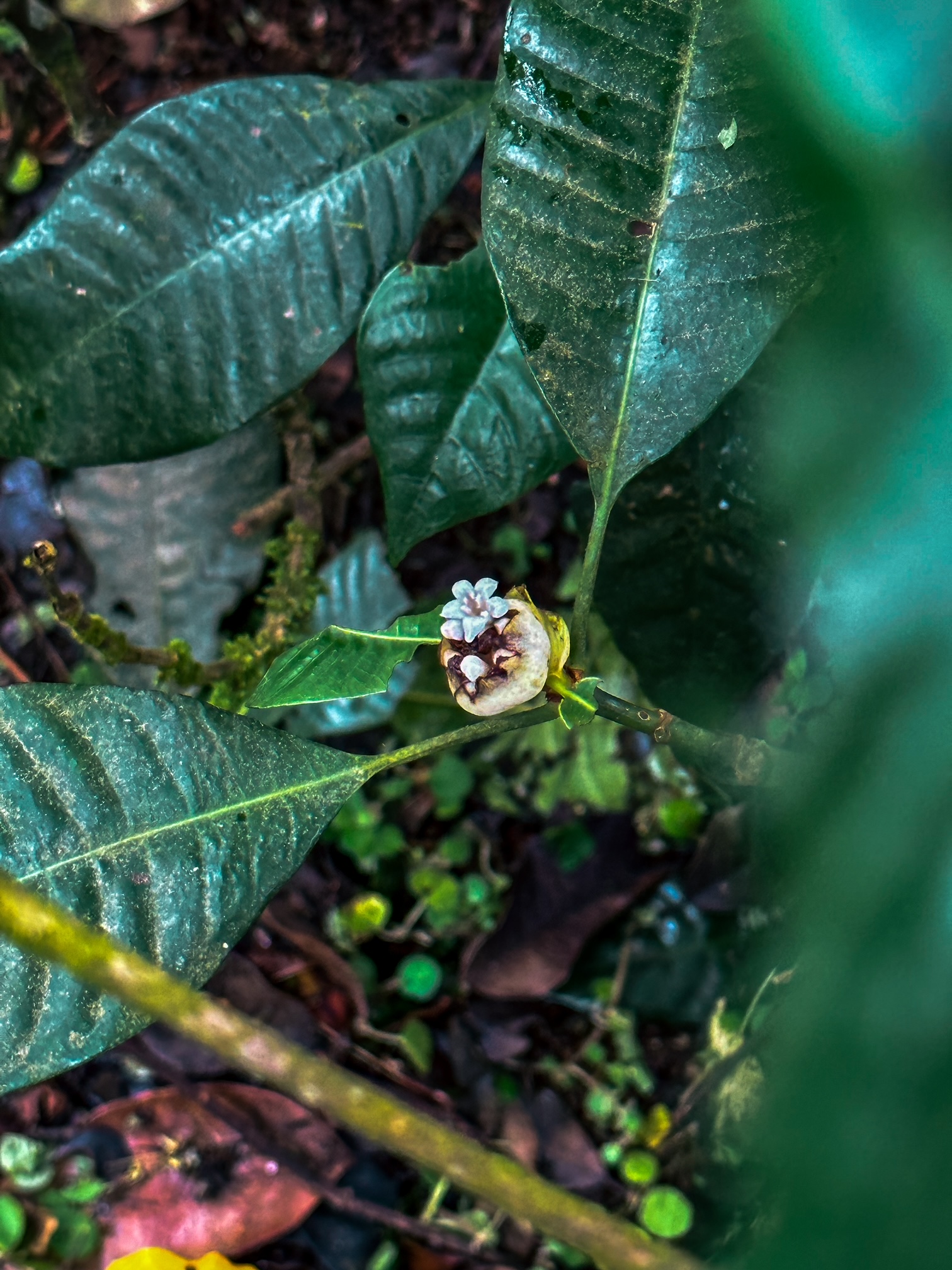
You can explore old plantations.
You can go into the forest.
You can get on a boat.
You can look for wildlife.
You can swim.
And you can just be somewhere that doesn’t look immediately familiar.
That combination is hard to beat.
How long do you need in São Tomé and Príncipe?
I’d allow 7–10 days if you want to experience both islands without rushing.
If you’re going all the way there, I wouldn’t turn it into a two-night stop just to say you’ve been.
Best for
Nature lovers, photographers, hikers, wildlife enthusiasts and anyone who wants an island holiday with considerably more substance than simply lying beside a pool.
More Wayfarer Footprints Africa guides
You can explore my wider Africa destination guides for more ideas, including Mauritius, Gabon, Cameroon and Morocco.
5. Instead of Peru, consider Guyana
If you’ve been thinking about South America but your mental shortlist starts and ends with Peru, Argentina, Brazil and Colombia, let me introduce you to Guyana.
Peru is extraordinary.
Machu Picchu deserves every bit of the attention it gets.
But South America is a huge continent, and Guyana is one of those countries that somehow manages to disappear from most people’s travel planning altogether.
Which is a shame if you love wilderness.
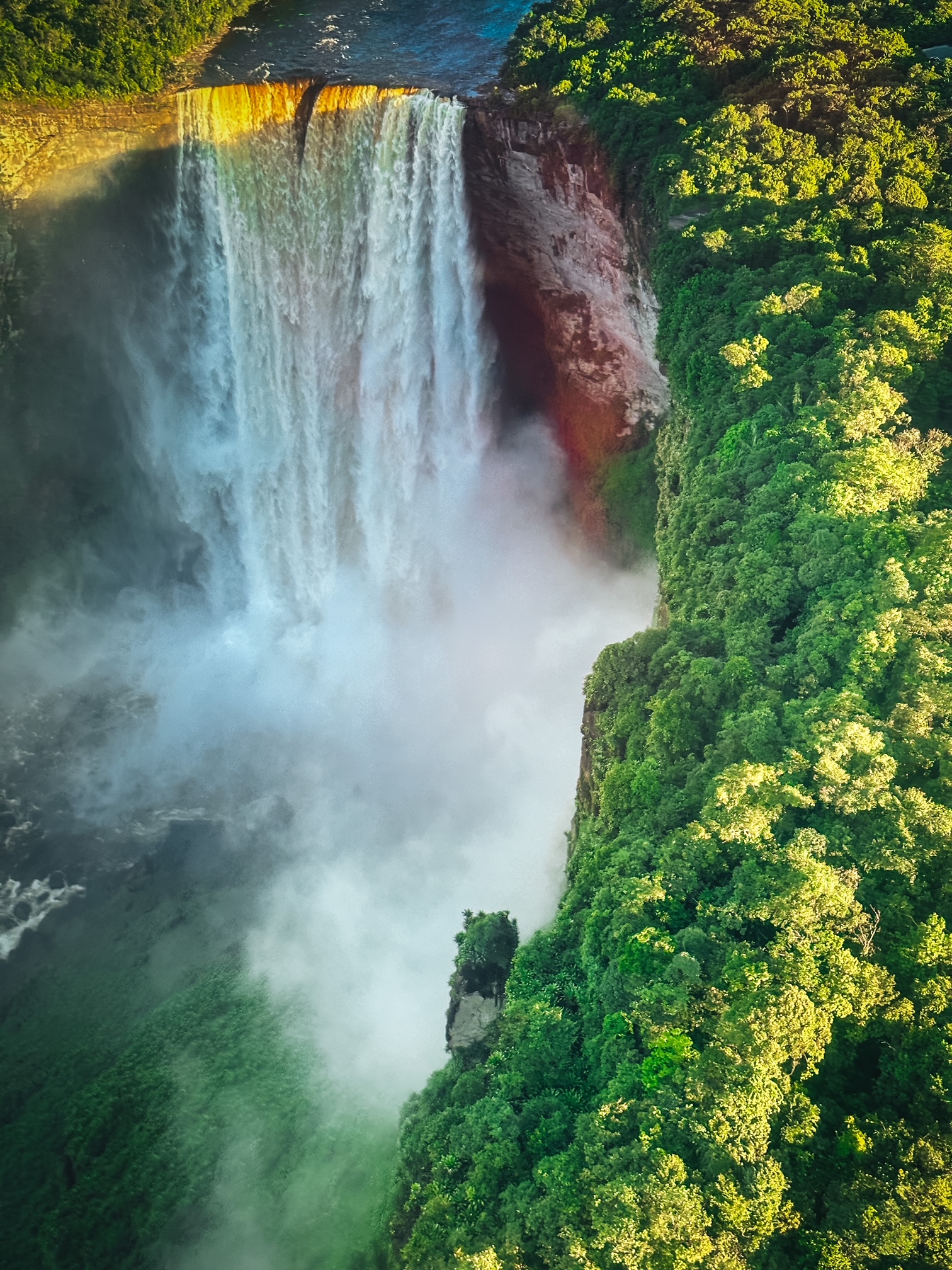
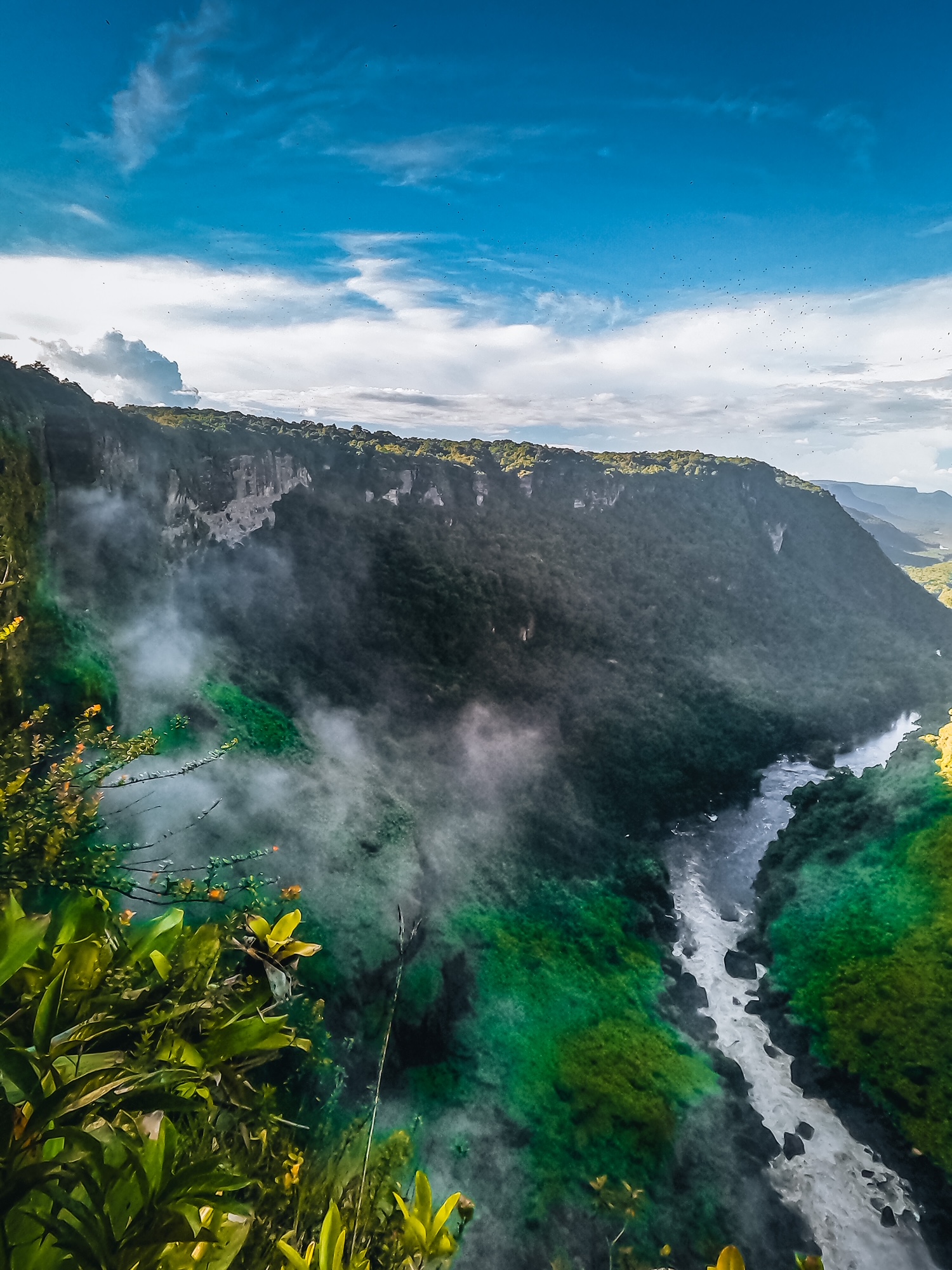
Guyana is predominantly covered by rainforest, and its tourism offering is heavily centered around wildlife, rivers, Indigenous communities and nature.
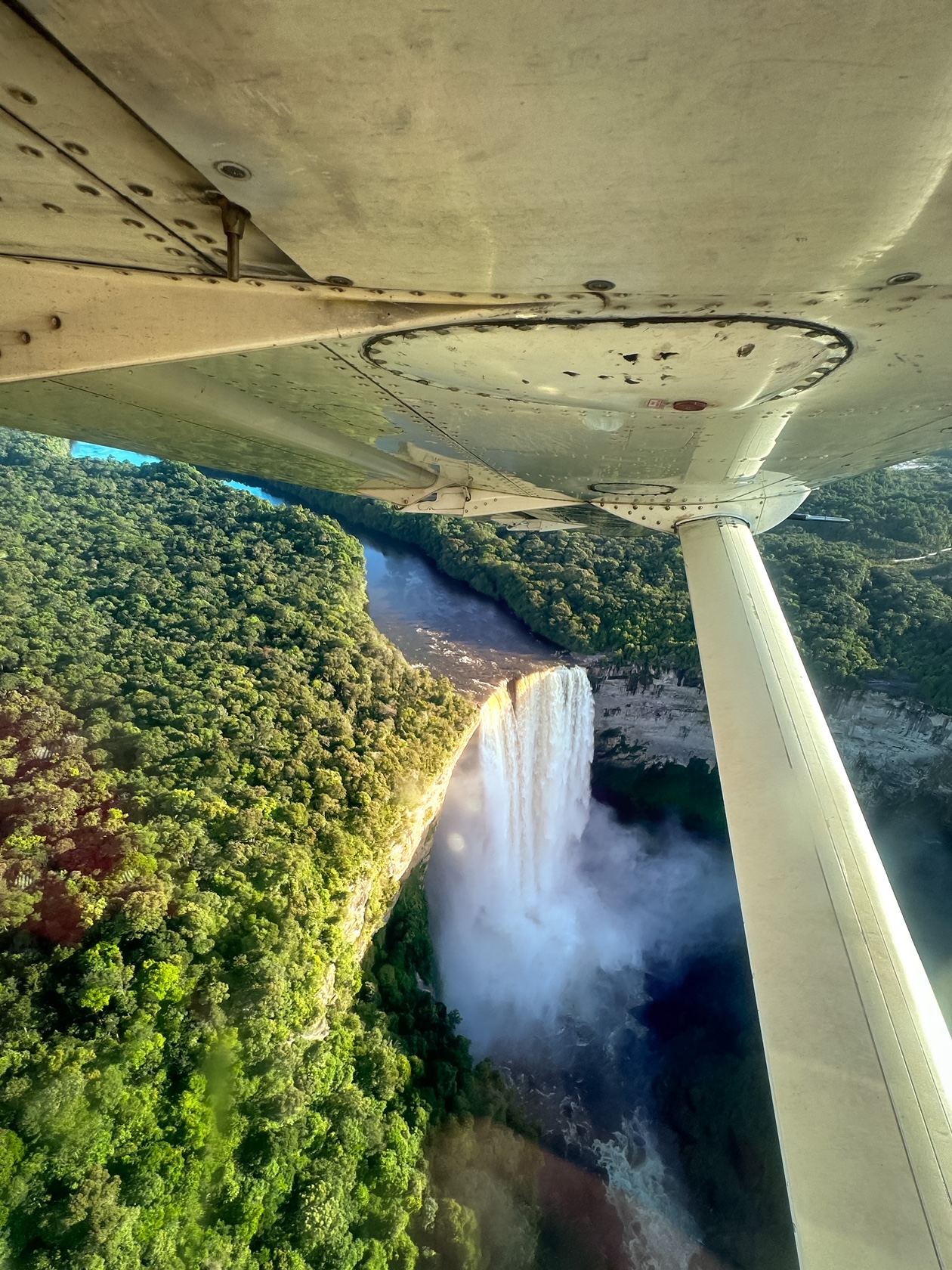
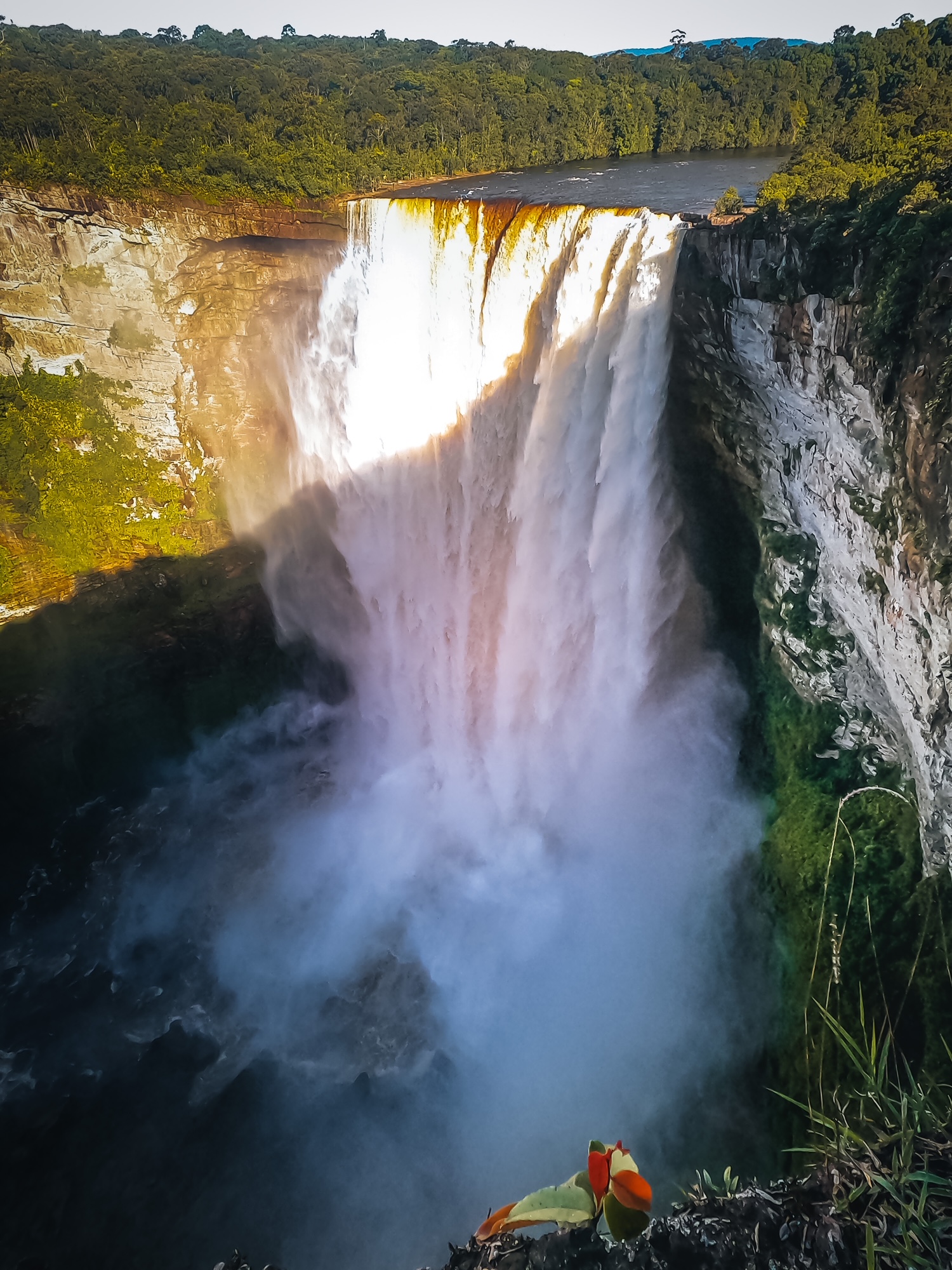
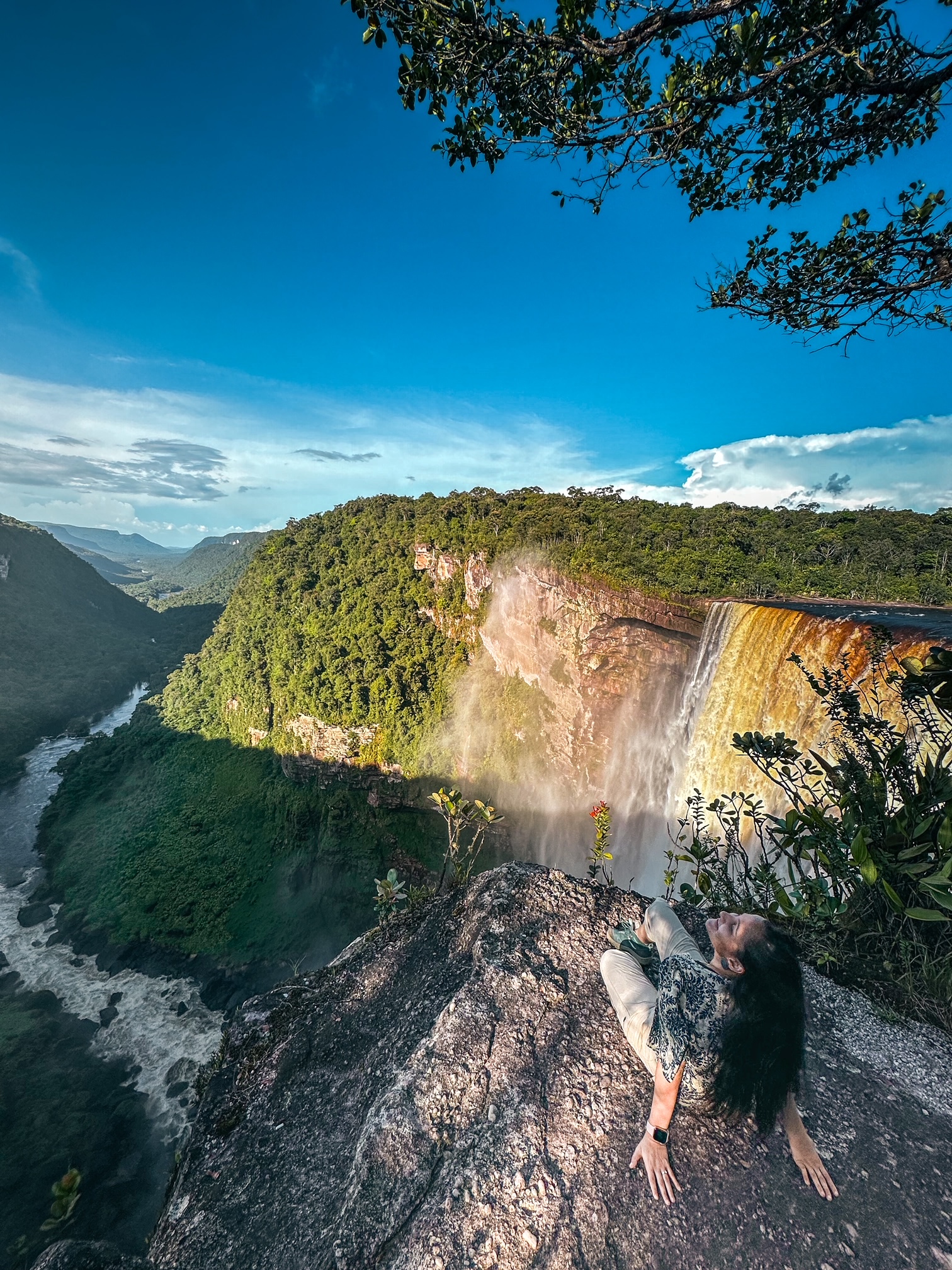
The country’s tourism authority highlights rainforest experiences, Kaieteur Falls, wildlife including jaguars and giant river otters, and community-based tourism experiences.
And this is where I think Guyana is particularly interesting.
The attraction isn’t simply one famous landmark.
It is the feeling of being somewhere where the landscape is still the main event.
You travel to the forest.
The rivers.
The wildlife.
The communities.
The sheer scale of the interior.
Kaieteur Falls is spectacular, but I wouldn’t build the entire trip around getting one photograph of a waterfall and then leaving.
The bigger reason to go is to experience a completely different side of South America.
Is Guyana easy to travel to?
Again, this isn’t a destination where I would recommend winging it completely.
The interior requires planning, and many experiences involve local operators, transfers and accommodation in remote areas.
That’s not necessarily a negative.
It simply means Guyana rewards travelers who do a little more preparation.
And that is becoming increasingly important as more people discover the country.
How long do you need in Guyana?
I’d recommend 7–10 days minimum, with more time if you want to get deeper into the interior.
Best for
Wildlife lovers, rainforest enthusiasts, adventure travelers and people who would rather spend their South American holiday looking for a jaguar than standing in another famous city square.
More South America from Wayfarer Footprints
You can explore my South America travel guides for more destination inspiration.
Peru is also currently one of the destinations I feature through my Wayfarer Footprints group trips and travel community, so yes, I am very much capable of recommending the obvious destinations too.
That’s the point.
This isn’t an anti-popular-travel article.
So, should you actually skip Japan, Seychelles, Bali, Mauritius, the Maldives or Peru?
No.
Please don’t turn this into another travel rule.
I’ve deliberately called these swaps, not “better alternatives.”
There is nothing wrong with wanting Japan.
There is nothing wrong with spending a week in a Seychelles resort and leaving your swimsuit on for six consecutive days.
There is nothing wrong with going to Bali because you want beautiful hotels, excellent infrastructure and a very easy holiday.
There is nothing wrong with wanting to see Machu Picchu since you were 15.
Travel isn’t a competition to find the least visited country.
I’ve done enough of this to know that traveling somewhere obscure purely so you can tell people you’ve been somewhere obscure can become its own form of performance.
And that is not really what I’m interested in.
What I like is expanding the mental map.
Because once you start looking beyond the standard list, you realize how many completely different trips are sitting there waiting for you.
You don’t have to reject the places everyone else loves.
You just don’t have to assume they are your only options.
My 5 travel swaps
Thinking about Japan?
Consider Taiwan.
Especially if what you actually want is East Asia, mountains, cities, temples, nature and good infrastructure.
Thinking about Seychelles?
Consider Comoros.
Especially if you’d rather discover an Indian Ocean country than spend the entire trip inside a resort.
Thinking about Bali?
Consider Timor-Leste.
Especially if you’re happy trading some convenience for a more unusual Southeast Asian experience.
Thinking about the Maldives or Mauritius?
Consider São Tomé and Príncipe.
Especially if you want your tropical island holiday to include forests, wildlife, hiking and history.
Thinking about Peru?
Consider Guyana.
Especially if what you really want from South America is wilderness.
Frequently Asked Questions
What are the most underrated countries to visit?
There is no objective list of the world’s most underrated countries, because what counts as underrated depends on where you live, what you enjoy and how much travel experience you already have.
Based on my own travels, five countries I think deserve more consideration are Taiwan, Comoros, Timor-Leste, São Tomé and Príncipe, and Guyana.
What is a good alternative to Japan?
Taiwan is one of the most interesting alternatives if you want an East Asian trip with cities, mountains, temples, hot springs, coastlines and excellent transportation.
It isn’t Japan with fewer tourists. It is its own destination.
What is a less touristy alternative to Seychelles?
Comoros is worth considering if you want an Indian Ocean island experience that feels significantly less developed for tourism and more connected to everyday local life.
What country can I visit instead of Bali?
If you’re looking for Southeast Asia but want something less established as a tourist destination, Timor-Leste is worth researching.
It requires more planning and has less tourism infrastructure than Bali, so it suits travelers who are comfortable with a little more friction.
Is São Tomé and Príncipe worth visiting?
Yes, particularly if you like nature, wildlife, hiking, tropical forests and islands but don’t want a conventional resort vacation.
The country is also particularly interesting because you can combine São Tomé with Príncipe for a two-island itinerary.
Is Guyana worth visiting for wildlife?
Guyana is particularly well suited to travelers interested in rainforest and wildlife. Its interior includes extensive rainforest and opportunities for wildlife viewing, river travel and Indigenous community-based tourism.
It is a very different proposition from the classic Peru itinerary.
What are some unusual countries to visit?
If you want to go beyond the usual travel shortlist, consider countries such as Timor-Leste, Comoros, São Tomé and Príncipe, Guyana and Taiwan.
And if those aren’t unusual enough for you, I have another problem.
You may have been reading this blog for too long.
Final Thoughts
I’ve now been to 134 countries.
And if that number has taught me anything, it is that the number of countries you have visited doesn’t make you a better traveler.
It just gives you more reference points.
I’ve learned that sometimes I love famous places.
Sometimes I want the obscure one.
Sometimes I want a ridiculous hotel.
Sometimes I want a tent in the middle of nowhere.
Sometimes I want a three-hour hike.
Sometimes I want to take a taxi for seven minutes because I simply cannot be bothered walking.
Travel doesn’t have to become a personality test.
So if you’re planning your next trip and you find yourself automatically reaching for the same five countries everyone recommends, maybe don’t throw the list away.
Just make it a little bigger.
Look at the country next to it.
The one you hadn’t considered.
The one you can’t quite pronounce.
The one you have to look up on a map.
The one that doesn’t have 500 saved Reels telling you exactly what to do.
You might still choose Japan.
You might still choose Seychelles.
You might still choose Bali.
But at least you’ll know you chose it because you wanted it.
And not because the internet had already chosen for you.
About the Author
Ankitha Rajendaran is the travel creator and author behind Wayfarer Footprints, a travel platform focused on offbeat destinations, unconventional adventures and practical travel for people with full-time jobs.
She has traveled to 134 countries across seven continents, including 41 countries in Africa, while maintaining a career in marketing.
Her travel philosophy is simple: you don’t have to travel more conventionally just because everyone else does.
Through Wayfarer Footprints, she shares destination guides, itineraries, visa information, practical travel tips and first-hand experiences from countries that don’t always make it onto the standard travel shortlist.
You can explore all Wayfarer Footprints destinations here.
You can also join the Wayfarer Footprints travel community for upcoming offbeat group trips and travel updates.
Related Wayfarer Footprints Guides
Asia
6-Day Taiwan Itinerary: Cherry Blossoms, Temples and Night Markets
Travel to Bali: A 6-Day Ubud Getaway
7-Day Bhutan Itinerary: Best Places to Visit, Hikes & Travel Tips
Africa
South America